
Business
KENYA’S CEMENT SCANDAL: ‘Rai is the CHEAPEST & LOWEST QUALITY!’ – Alai Drops Bombshell as Engineers Fear Collapsing Buildings
The Institution of Engineers of Kenya (IEK) warned this week that up to 25% of cement sold in the country fails to meet quality standards, contributing to building collapses and compromised infrastructure.

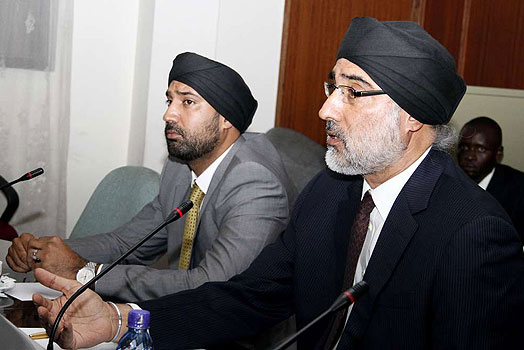
Engineers and lawmakers sound alarm over quality control failures threatening construction industry
NAIROBI, Kenya – Kenya’s construction industry faces mounting scrutiny over substandard cement quality, with engineers and elected officials raising urgent safety concerns about materials flooding the market.
The Institution of Engineers of Kenya (IEK) warned this week that up to 25% of cement sold in the country fails to meet quality standards, contributing to building collapses and compromised infrastructure.
The alarm comes as Kileleshwa Ward MCA Robert Alai publicly criticized Rai Cement, calling it “of the lowest quality in Kenya” and demanding improvements.
The IEK’s May 28 statement highlighted a “worrying trend” of substandard cement in the market, with some cement bags weighing as little as 45kg instead of the standard 50kg, indicating potential adulteration or underfilling.
“When cement is compromised, life and property are directly at risk from compromised structural integrity,” said IEK President Kiteme, urging the Kenya Bureau of Standards (KEBS) to intensify market surveillance.
A 2022 KEBS internal report revealed that three out of five cement products tested failed quality standards, particularly for chemical composition and compressive strength.
The report identified poor-quality clinker, a key raw material, as a primary cause of substandard cement.
The Kenyan cement market, valued at $673 million in 2024, has experienced significant strain. Cement prices have surged 15-30% since 2022, with a 50kg bag now costing between KSh 720 and KSh 1,250, driven by a 17.5% import levy on clinker and rising fuel and electricity costs.
Market consumption declined 2.3% due to these cost pressures and supply chain disruptions. Insufficient domestic clinker production has further strained manufacturers, with locally produced clinker prices rising from $50 to $130 per ton.
These economic pressures may incentivize some producers to compromise quality to reduce costs, potentially explaining the prevalence of substandard materials.
The National Construction Authority (NCA) reported that between 2009 and 2019, 86 buildings valued at over KSh 2.4 billion collapsed due to substandard materials, including cement.
The problem particularly affects common-grade cement (32.5R), widely used in residential construction.
High urban housing demand has led some developers to cut corners, using inferior materials to reduce costs and maximize profits, further exacerbating the crisis.
Rai Cement under scrutiny
Rai Cement, a subsidiary of the Rai Group based in Nyanza province, has operated since January 2017, producing over 1 million tons annually.
The company markets its Dumu Cement brand as KEBS-certified and suitable for general construction.
MCA Alai’s recent criticism challenged the company’s reputation. Rai Cement has not publicly responded to the allegations.
The company previously emphasized its commitment to quality adherence and fair pricing, serving major infrastructure projects across the North Rift, South Rift, Nyanza, and Western regions.
In 2023, Rai Cement joined other manufacturers in opposing a proposed increase in clinker import duty from 10% to 25%, arguing it would drive up costs for companies relying on imported clinker.
The IEK has called for urgent action, including random sampling and product recalls to protect consumers.
KEBS faces pressure to conduct more rigorous market surveillance, while the NCA emphasizes the need for better regulation to prevent substandard materials in construction.
Industry stakeholders stress that with urbanization driving demand for housing and infrastructure, ensuring building material quality is paramount to safeguarding lives and investments.
Kenya Insights allows guest blogging, if you want to be published on Kenya’s most authoritative and accurate blog, have an expose, news TIPS, story angles, human interest stories, drop us an email on [email protected] or via Telegram


Nyali MP Moha Jicho Pevu Caught Up In Alleged Sh44 Million KPA Debt Scam

Somalia Deputy PM Held at JKIA, Deported Over Questionable Acquisition of Kenyan Passport

The White-Coat Heist: How MP Shah Hospital Ran a Decade-Long Double-Extraction Racket While Hiding Behind Charity Status

The Patriarch, His Children, and a Buried Sh3.9 Billion Fraud: The Story of Titus Muya That Kenya Was Never Meant to Read

The Founder’s Ransom: How Titus Muya Had to Be Paid Sh231 Million to Let Go of Family Bank and Why That Bill Is Now Yours

Kenya’s gambling industry pushes back against a licensing bill

Kenya Airways Sinks Into Deeper Turbulence As American Supplier Sues In New York Court Over Sh129 Million Unpaid Debts

Kenyan player wins a Ksh3.2 million jackpot

IEBC Sets August 10 Date For 2027 General Election

Furious Ruto Lashes Out at Gideon Moi Over Repeated ‘Blackmail, Extortionist’ Headlines on The Standard and KTN

Businessman Philip Waithaka Kinuthia’s Minor Son Allegedly Drove Drunk, Killed Two Peponi Students in Ngong Road Horror Crash as Claims of Cover-Up Intensify

Inside NCBA’s Decline: How a Banking Giant Lost Its Strategic Edge

South Sudan: Adut Salva Kiir’s Shadow Treasury Exposed

Cement, Cash and Courts: How the Hashu Dynasty Crushed the Ramji Brothers for Fourteen Years and Why the Walls Are Now Closing In

Standard Chartered Ghosts Haunt Joshua Oigara At Stanbic As Whistleblower Spills Beans

Inside The Urban Planning Cartel That Owns Nairobi

THE VULTURE AND THE SCHEME How Nairobi West Hospital Became the Most Dangerous Institution in Kenya’s SHA Ecosystem and Why the Books Must Be Audited Now

The President’s Daughter and The Missing Witness: How Adut Salva Kiir’s Shadow Treasury Silenced Its Most Dangerous Critic

How Adil Popat Saved His Empire On The Eve Of Imperial Bank Collapse and Why Kenya’s Mainstream Media Buried The Story

Why John Ngumi Is Running From the EACC and Why the Sh415 Million Payday May Be the Least of His Worries
-
 News2 weeks ago
Businessman Philip Waithaka Kinuthia’s Minor Son Allegedly Drove Drunk, Killed Two Peponi Students in Ngong Road Horror Crash as Claims of Cover-Up Intensify
-
 Investigations1 week ago
THE VULTURE AND THE SCHEME How Nairobi West Hospital Became the Most Dangerous Institution in Kenya’s SHA Ecosystem and Why the Books Must Be Audited Now
-
 Business19 hours ago
The Patriarch, His Children, and a Buried Sh3.9 Billion Fraud: The Story of Titus Muya That Kenya Was Never Meant to Read
-

 Business5 days ago
BURRIED TWICE: The Victoria Bank CEO Yogesh Pattni Files
-
 Business1 week ago
Inside the Billion-Shilling Betrayal: How Senior Treasury Officials Plundered a UN Poverty Fund and Built a Real Estate Empire on the Backs of Kenya’s Rural Poor
-

 Business2 weeks ago
The Listing That Doesn’t Lie: What the Market Isn’t Saying About Family Bank’s NSE Debut
-

 Business1 week ago
The Banker Who Walked Away: How Yogesh Pattni Survived a Financial Crime Scandal That Shook Kenya
-

 News7 days ago
My Life Is In Danger: Investor Drops Bombshell Expose On Thomas Ogutu CEO VeGrid Ltd And Fugitive Nairobi CEC Charles Kerich – DCI Inaction And Corruption Network Exposed