
Business
Why PayPal Is Freezing Kenyan Accounts in Massive Crackdown
Kenya’s inclusion on the grey list of the Financial Action Task Force has added another layer of scrutiny.

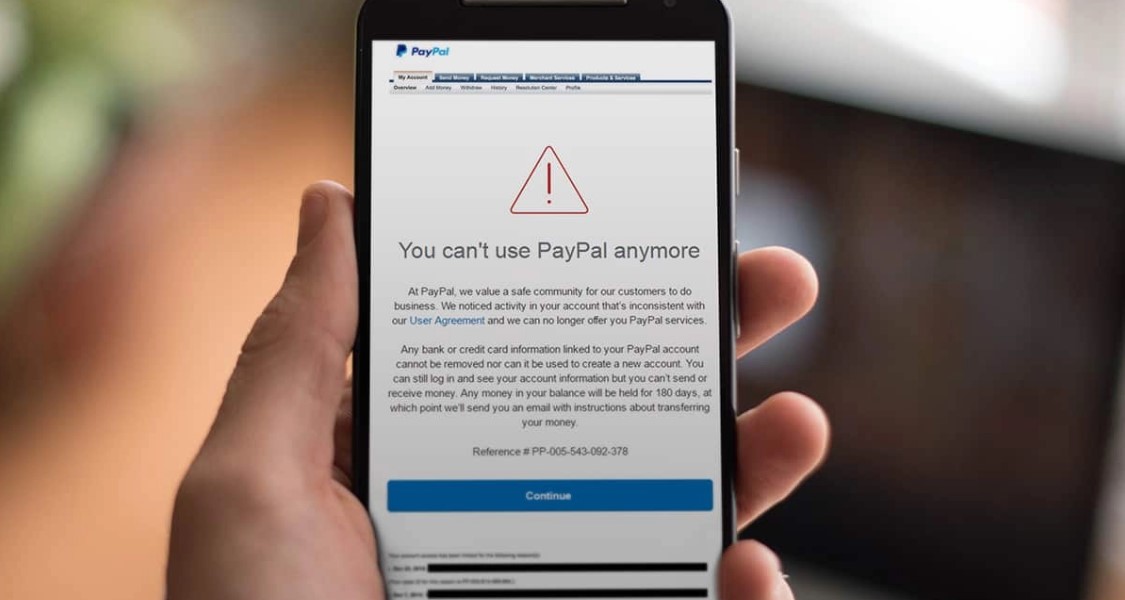
For years, PayPal has been the financial lifeline for thousands of Kenyan freelancers, software developers, online traders, content creators and digital entrepreneurs earning money from clients abroad. Today, that lifeline is under strain as the global payments giant freezes funds, restricts withdrawals and permanently blocks some Kenyan accounts in an aggressive compliance crackdown that is sending shockwaves through the country’s digital economy.
A growing number of users say they have been locked out of their accounts or prevented from accessing their money after PayPal demanded additional documentation to verify their identity, source of income and residential details. Some accounts have been frozen for months while others have been permanently restricted, leaving users unable to send, receive or withdraw funds.
The company has been asking users to provide employment contracts, invoices, bank statements, government-issued identification documents and proof of physical address before releasing funds. Users who fail to satisfy the requirements risk having their money held for up to 180 days while accounts deemed non-compliant can be permanently limited.
The crackdown is largely being driven by growing international pressure on financial institutions to strengthen anti-money laundering and anti-fraud controls. Banks, payment firms and fintech companies around the world have faced hefty penalties in recent years for failing to detect suspicious transactions, pushing them to adopt increasingly strict compliance measures.
Kenya’s position on the grey list of the Financial Action Task Force, the global watchdog responsible for combating money laundering and terrorist financing, has added to the scrutiny. Since being placed under increased monitoring, transactions originating from Kenya have attracted greater attention from international financial institutions seeking to minimise regulatory risk.
For many affected users, however, the problem goes beyond compliance checks.
The crackdown has sparked growing frustration among African freelancers who believe they are being treated differently from users in Europe and North America.
One Kenyan professional who operates both a Kenyan and a European PayPal account described what he sees as a glaring double standard.
“I have PayPal accounts in Kenya and the EU, and the difference is ridiculous. The Kenyan one gets blocked, restricted and frozen so often that it is basically useless. Even after sending the documents they ask for and answering their endless questions, the account still gets treated like a crime scene.”
The user said he has never encountered similar problems with his European account despite being the same individual operating both accounts.
Similar complaints have surfaced across social media platforms where users from Kenya, Nigeria, Ghana and other African countries claim they face more frequent account reviews, payment holds and restrictions than customers elsewhere.
Some have accused PayPal of unfairly associating African transactions with money laundering risks.
“If you are an African using PayPal in 2026, you are the problem,” one frustrated user wrote sarcastically. “It has always been the most racist platform on the web.”
Another questioned why legitimate payments to African freelancers are routinely flagged.
“PayPal has this tendency of blocking any money going to Africa over money laundering fears. Can’t Africans make legit money and get paid via PayPal?”
The criticism reflects a long-running debate about the challenges African users face when accessing global payment networks. Nigeria, for example, has experienced years of complaints from online workers and entrepreneurs who say restrictions on PayPal services have limited their ability to participate in the global digital economy.
Many Kenyan freelancers say the verification requirements also fail to account for local realities. While PayPal often requests utility bills or formal proof of address, many Kenyans do not live in locations with structured addressing systems comparable to those used in Europe or North America. As a result, some users struggle to produce documents that satisfy the company’s verification standards despite operating legitimate businesses.
The timing of the crackdown is particularly significant because Kenya’s digital economy has expanded rapidly in recent years. Thousands of young professionals now rely on online work as a primary source of income, receiving payments for writing, graphic design, programming, virtual assistance, digital marketing and artificial intelligence-related services.
For many, delayed access to earnings means delayed rent payments, school fees and business operations.
PayPal maintains that such reviews are necessary to combat fraud and comply with international regulations. The company says it screens accounts against government watch lists and may request additional information to verify customer identities and business activities. Suspicious transactions can also be reported to relevant financial intelligence agencies.
Yet the growing number of complaints highlights the difficult balance between fighting financial crime and ensuring legitimate users can access their earnings without excessive hurdles.
As Kenya works to strengthen its anti-money laundering framework and improve its standing with international regulators, thousands of freelancers and online entrepreneurs remain caught in the middle. For many of them, the concern is not whether compliance checks should exist but whether African users are being subjected to a level of scrutiny that users elsewhere simply do not face.
Kenya Insights allows guest blogging, if you want to be published on Kenya’s most authoritative and accurate blog, have an expose, news TIPS, story angles, human interest stories, drop us an email on [email protected] or via Telegram








Njuca Consolidated, Three Firms Faces Auction of 65 Properties Over Crippled Cash Flow

Why Absa Bank Is On The Spot For Enabling Sh150 Million Alleged Insider Fraud In Vetlab Club

Somalia’s Disputed President Allegedly Siphons Up to $6 Million Monthly from Kenyan Miraa Trade, Sharing the Spoils with Nairobi’s Shadow Cartels

Ahmed Adan Hefow: Governor Otuoma’s Trusted Right-Hand Man at the Centre of Busia’s Deepening Finance Scandal

Karua Detained at Entebbe as Uganda Blocks Besigye Lawyer From Entering Country

How KCB and Airtel Turned Kenya’s Unbanked Into a Data Goldmine Behind a ‘Financial Inclusion’ Deal

The Chivayo Network: How a Convicted Fraudster Won Access to Presidents, Passports and Billion-Dollar Deals Across Africa

BURRIED TWICE: The Victoria Bank CEO Yogesh Pattni Files

Court Stops Transfer Of EABL Shares To Asahi By Diageo In A Fresh Snag

Death Before Justice: Stephen Ngei, Victim of Sh180 Million Laptop Tender Scam Linked to Allan Chesang, Killed in Highway Crash

Businessman Philip Waithaka Kinuthia’s Minor Son Allegedly Drove Drunk, Killed Two Peponi Students in Ngong Road Horror Crash as Claims of Cover-Up Intensify

Inside NCBA’s Decline: How a Banking Giant Lost Its Strategic Edge

Cement, Cash and Courts: How the Hashu Dynasty Crushed the Ramji Brothers for Fourteen Years and Why the Walls Are Now Closing In

South Sudan: Adut Salva Kiir’s Shadow Treasury Exposed

Standard Chartered Ghosts Haunt Joshua Oigara At Stanbic As Whistleblower Spills Beans

Inside The Urban Planning Cartel That Owns Nairobi

THE VULTURE AND THE SCHEME How Nairobi West Hospital Became the Most Dangerous Institution in Kenya’s SHA Ecosystem and Why the Books Must Be Audited Now

The President’s Daughter and The Missing Witness: How Adut Salva Kiir’s Shadow Treasury Silenced Its Most Dangerous Critic

How Adil Popat Saved His Empire On The Eve Of Imperial Bank Collapse and Why Kenya’s Mainstream Media Buried The Story

Why John Ngumi Is Running From the EACC and Why the Sh415 Million Payday May Be the Least of His Worries
-
 News1 week ago
Businessman Philip Waithaka Kinuthia’s Minor Son Allegedly Drove Drunk, Killed Two Peponi Students in Ngong Road Horror Crash as Claims of Cover-Up Intensify
-
 Business2 weeks ago
Inside NCBA’s Decline: How a Banking Giant Lost Its Strategic Edge
-
 Africa2 weeks ago
South Sudan: Adut Salva Kiir’s Shadow Treasury Exposed
-
 Business2 weeks ago
Standard Chartered Ghosts Haunt Joshua Oigara At Stanbic As Whistleblower Spills Beans
-
 Investigations4 days ago
THE VULTURE AND THE SCHEME How Nairobi West Hospital Became the Most Dangerous Institution in Kenya’s SHA Ecosystem and Why the Books Must Be Audited Now
-
 Africa2 weeks ago
The President’s Daughter and The Missing Witness: How Adut Salva Kiir’s Shadow Treasury Silenced Its Most Dangerous Critic
-
 Business2 weeks ago
How Adil Popat Saved His Empire On The Eve Of Imperial Bank Collapse and Why Kenya’s Mainstream Media Buried The Story
-
 Business2 weeks ago
Why John Ngumi Is Running From the EACC and Why the Sh415 Million Payday May Be the Least of His Worries