
Opinion
Dennis Itumbi Claims Kalonzo-Sifuna 2027 Ticket Is Set as Opposition Rift With Gachagua Deepens
The statement is one of the clearest indications yet from a figure close to State House that significant realignments are underway behind the scenes ahead of the 2027 General Election.

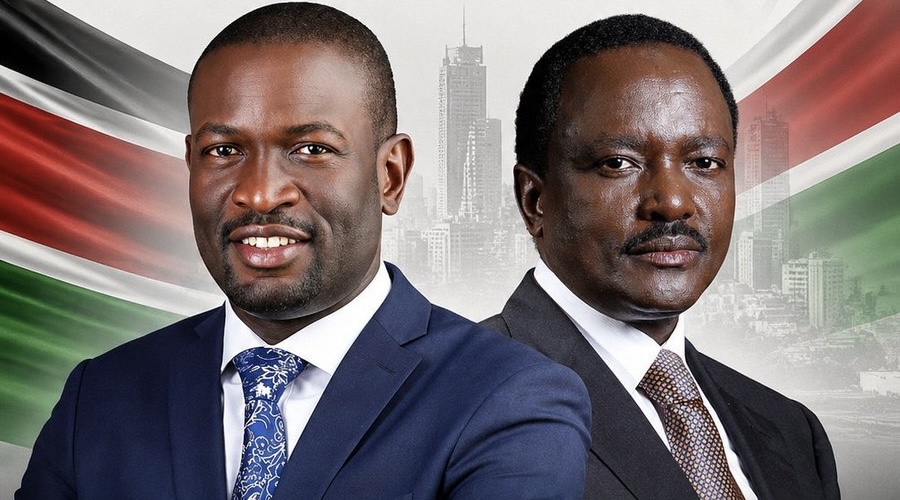
NAIROBI, Kenya — A provocative statement by presidential strategist Dennis Itumbi has thrust the opposition succession politics into the spotlight, revealing what he claims is a nearly finalized 2027 presidential ticket pairing Wiper leader Kalonzo Musyoka with Nairobi Senator Edwin Sifuna, while simultaneously accusing former Deputy President Rigathi Gachagua of plotting political chaos around upcoming anti-government demonstrations.
In a lengthy social media message directed at “Jofri,” a nickname widely understood in political circles to refer to Gachagua, Itumbi painted a picture of an opposition movement rapidly reorganizing itself around Kalonzo while gradually reducing the influence of the former deputy president within anti-Ruto ranks.
The statement is one of the clearest indications yet from a figure close to State House that significant realignments are underway behind the scenes ahead of the 2027 General Election.
According to Itumbi, Kalonzo and Sifuna have already settled on a political vehicle known as the Ukombozi Linda Mwananchi Alliance and are moving ahead with plans to unveil a broader coalition that could bring together several opposition parties under one banner.
He further claimed that the alliance has already agreed on a Nairobi political lineup that would see Embakasi East MP Babu Owino vie for the governorship while former Agriculture Cabinet Secretary Irungu Nyakera seeks the Senate seat.
The remarks suggest that opposition leaders are beginning to move from broad coalition-building conversations to actual discussions about candidates and electoral structures, a stage that traditionally signals a more serious push toward a presidential contest.
What makes Itumbi’s statement particularly significant is that it openly portrays Kalonzo as increasingly independent from Gachagua’s political orbit.
For months, speculation has swirled around whether Kalonzo and Gachagua would eventually unite to challenge President William Ruto in 2027. The former deputy president has sought to position himself as the dominant political voice in the Mt Kenya region following his dramatic fallout with the Kenya Kwanza administration.
However, Itumbi’s account suggests Kalonzo may have chosen a different path.
In his message, the strategist claimed that opposition figures had rejected suggestions that Nairobi’s top county seat should automatically go to a candidate from the Kikuyu community and instead settled on their preferred lineup. He also alleged that Nyakera has privately complained about mistreatment by Gachagua despite being among the politicians who helped finance activities associated with Gachagua’s Democratic Congress Party.
The comments point to growing tensions within opposition circles where multiple leaders are competing not only against President Ruto but also against one another for influence, regional control and eventual coalition leadership.
Beyond the electoral calculations, Itumbi’s statement carried another explosive allegation.
He repeatedly referenced the planned June 24 and June 25 demonstrations as well as upcoming Saba Saba commemorations, insinuating that Gachagua is involved in preparations for the protests.
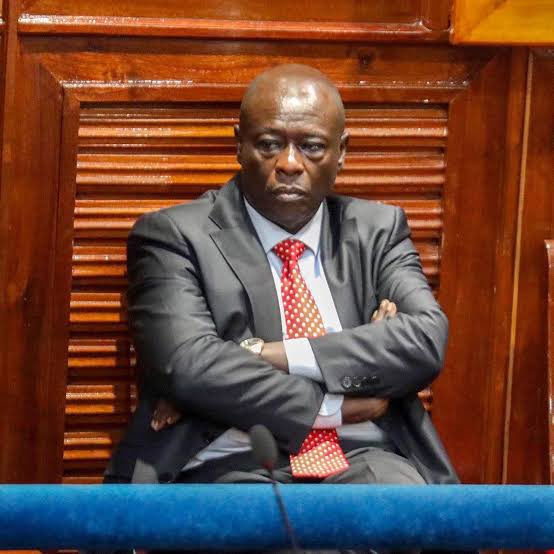
Rigathi Gachagua.
Without providing evidence, Itumbi suggested that the former deputy president follows a familiar pattern whenever major anti-government actions occur. He claimed Gachagua typically distances himself publicly before political unrest unfolds and later reappears after events have played out.
The accusations mirror claims made previously by several government-allied politicians who have attempted to link Gachagua to recent protest movements across the country.
Gachagua has consistently denied involvement in organizing violent demonstrations and has instead portrayed himself as a victim of political persecution following his removal from office. He has maintained that public anger directed at the government stems from genuine grievances among ordinary Kenyans rather than opposition orchestration.
The timing of Itumbi’s intervention is unlikely to be accidental.
Opposition leaders have intensified consultations across the country in recent months as pressure mounts to establish a united front capable of challenging President Ruto’s re-election bid. Kalonzo has become increasingly visible in these efforts, holding joint appearances with leaders drawn from different political traditions and regions.
Itumbi claimed that at least seven political parties are preparing to sign a memorandum of understanding that would formally launch the alliance around Kalonzo’s presidential ambitions.
Among the leaders he named were Eugene Wamalwa, Justin Muturi, Lenny Kivuti, Kawira Mwangaza and Irungu Nyakera.
He further suggested that Kalonzo intends to officially unveil his presidential campaign in August, significantly accelerating the timeline for opposition succession politics and potentially reducing Gachagua’s leverage in ongoing negotiations.
The reference to former Interior Cabinet Secretary Fred Matiang’i also offered a glimpse into the complicated relationships emerging within opposition ranks.
Itumbi narrated a conversation in which Kalonzo allegedly received a call from Matiang’i while other senior political figures listened in. According to his account, the leaders mocked Gachagua’s much-publicized 45-day negotiation timeline, interpreting it as a sign of diminishing influence rather than political strength.
Whether the details are accurate or simply part of an aggressive political messaging strategy remains impossible to independently verify.
Yet the broader significance of the statement lies in what it reveals about the battle already unfolding for control of the opposition.
As President Ruto consolidates state power and prepares for a second-term campaign, rival opposition leaders are simultaneously trying to build a coalition while competing to lead it.
For Kalonzo, the challenge will be convincing partners that he remains the strongest candidate to unite the anti-Ruto vote.
For Gachagua, the task is proving that his influence in Mt Kenya translates into national political relevance.
And for Itumbi and the Kenya Kwanza camp, highlighting those divisions serves a strategic purpose by keeping opposition figures focused on one another instead of the incumbent.
With opposition rallies planned in Thika, Meru and other regions in the coming weeks, the next phase of coalition politics is likely to reveal whether the alleged Kalonzo-Sifuna arrangement is political reality or simply another move in Kenya’s increasingly intense war of political narratives.
Either way, Itumbi’s intervention has added fresh intrigue to a 2027 contest that is already beginning to take shape long before the official campaign season begins.
Kenya Insights allows guest blogging, if you want to be published on Kenya’s most authoritative and accurate blog, have an expose, news TIPS, story angles, human interest stories, drop us an email on [email protected] or via Telegram












Dennis Itumbi Claims Kalonzo-Sifuna 2027 Ticket Is Set as Opposition Rift With Gachagua Deepens

THE KURIA NETWORK TAKES THE BOARDROOM: How Moses Kuria’s Inner Circle Seized Control of Africa Mega Agricorp And the Paper Trail That Links It All

Who Is The Somali Referee Barred From Entering The US For The World Cup?

Inside NCBA’s Decline: How a Banking Giant Lost Its Strategic Edge

Shiquo wa Hii Style Counts Costly Lesson After Anti-Counterfeit Raid Wipes Out Shop Stock

“Are They Giving Kickbacks To Government Officials?” The Scandalous Record Behind Kenya’s Most Favoured Chinese Contractor

Two MPs Defrauded of Sh93.5 Million in Karen Land Scam

Gachagua Rejects Sh50 Million Court Compensation, Calls It An Insult

Ghost Firm, Ghost Justice: Two Judges Fingered In KETRACO’S Sh10 Billion Scandal

SH2 BILLION HEIST EXPOSED: How Tatu City’s Foreign Masters Used Dirty Offshore Traps, London Arbitration & Mauritius Liquidation to Strip Local Investors of Their Stake

Cement, Cash and Courts: How the Hashu Dynasty Crushed the Ramji Brothers for Fourteen Years and Why the Walls Are Now Closing In

Inside The Urban Planning Cartel That Owns Nairobi

Why Ruto’s Favourite Candidate Adan Mohammed Could Be Locked Out of the KRA Top Job

LifeCare on the Brink: SHA Fraud, Stolen Wages, and the Rotten Empire Jayesh Saini Built

Este Medical Kenya Fights American’s Explosive Complaints

Betika Faces DCI Probe, Directors Arrest and License Revocation Over Massive 29.5 Million Safaricom Customers’ Data Breach

The Rot Inside Absa: How Bank Insiders Are Looting Nairobi’s Customers

Inside FAFSA Fraud: How Kenyan Cybercriminals Siphoned Millions from America’s Sh12 Billion Student Loan System

Fresh Move Launched to Remove Kenya Railways MD Mainga From Office After Awarding Sh817 Million Consultancy Contract

Court Confirms Safaricom Customers Data Was Sold To Betting Companies In Seven-Year Cover-Up
-
 Investigations5 days ago
Cement, Cash and Courts: How the Hashu Dynasty Crushed the Ramji Brothers for Fourteen Years and Why the Walls Are Now Closing In
-
 Investigations4 days ago
Inside The Urban Planning Cartel That Owns Nairobi
-
 Investigations1 week ago
Betika Faces DCI Probe, Directors Arrest and License Revocation Over Massive 29.5 Million Safaricom Customers’ Data Breach
-
 Investigations5 days ago
Fresh Move Launched to Remove Kenya Railways MD Mainga From Office After Awarding Sh817 Million Consultancy Contract
-

 News2 weeks ago
Eight Students Arrested In Kenya After Suspected Deadly School Arson Attack
-
 News1 week ago
How Uhuru’s Deal With Obama In 2015 Paved Way For America’s Ebola Plan In Kenya
-

 Business6 days ago
TRUST BETRAYED: How Senior DTB Bank Insiders Allegedly Looted Sh149 Million From a Customer’s Account Over Five Years
-

 Investigations4 days ago
Why Drivers Cheered Bolt’s Reported Exit: Inside the Slow Financial Strangulation of Thousands of Kenyan Drivers and Riders in Kenya