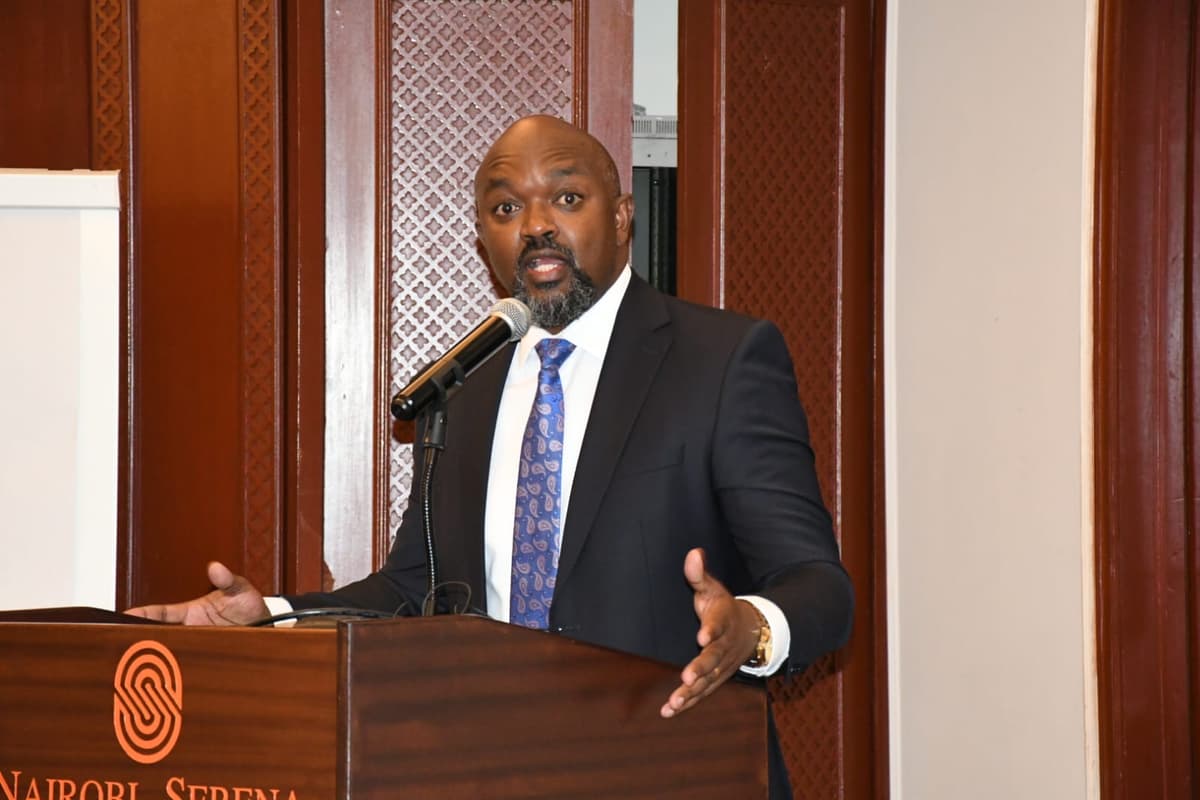
As the average M-Pesa agent’s take-home fell to its lowest point in the platform’s history, Safaricom handed shareholders a record Sh80.13 billion dividend, awarded its chief executive Sh324.5 million, and gifted senior managers Sh707.5 million in free shares all funded, in large part, by a mobile money empire the agent network built with its own capital, floats and storefronts.
Seven of Africa’s most powerful drilling rigs. Twelve cementing trucks. A decade-old software contract nobody can find. A parade of managing directors who inherited the wreckage and changed nothing. This is how a state corporation turned Sh15.93 billion of public money into scrap metal, and dared the taxpayer to ask why.
A Dubai gold trader wired half a million dollars into the trust account of a Nairobi advocate with a Global Trade Centre address and a polished website. Months later, a Syrian-linked timber exporter’s money landed in the same account through a fake ambulance tender staged inside Harambee House itself. Court records, DCI statements and a trail of unpaid judgments now paint the picture of a law firm whose trust accounts keep turning up wherever foreign money disappears.
A magistrate is caught allegedly pocketing a bribe hours before sentencing a convicted fraudster. On the same day, lawyers walk out of every courtroom in the country. Buried in the fine print of their protest list is a fact most Kenyans have not been told: virtually the entire Supreme Court bench, including the Chief Justice herself, currently sits under court orders that block the one body constitutionally empowered to discipline them.
A year-long audit of presidential decrees shows a regime cannibalising its own institutions: four intelligence chiefs cycled through in eighteen months, a hand-picked heir demoted from general to private overnight, the president’s daughter installed at the centre of state power, his son commanding the praetorian guard, and his last serious rival on trial in a converted wedding hall. As South Sudan counts down to its first election since independence, our investigation maps the architecture of a man who no longer trusts the state he built.
As the average M-Pesa agent’s take-home fell to its lowest point in the platform’s history, Safaricom handed shareholders a record Sh80.13 billion dividend, awarded its chief executive Sh324.5 million, and gifted senior managers Sh707.5 million in free shares all funded, in large part, by a mobile money empire the agent network built with its own capital, floats and storefronts.