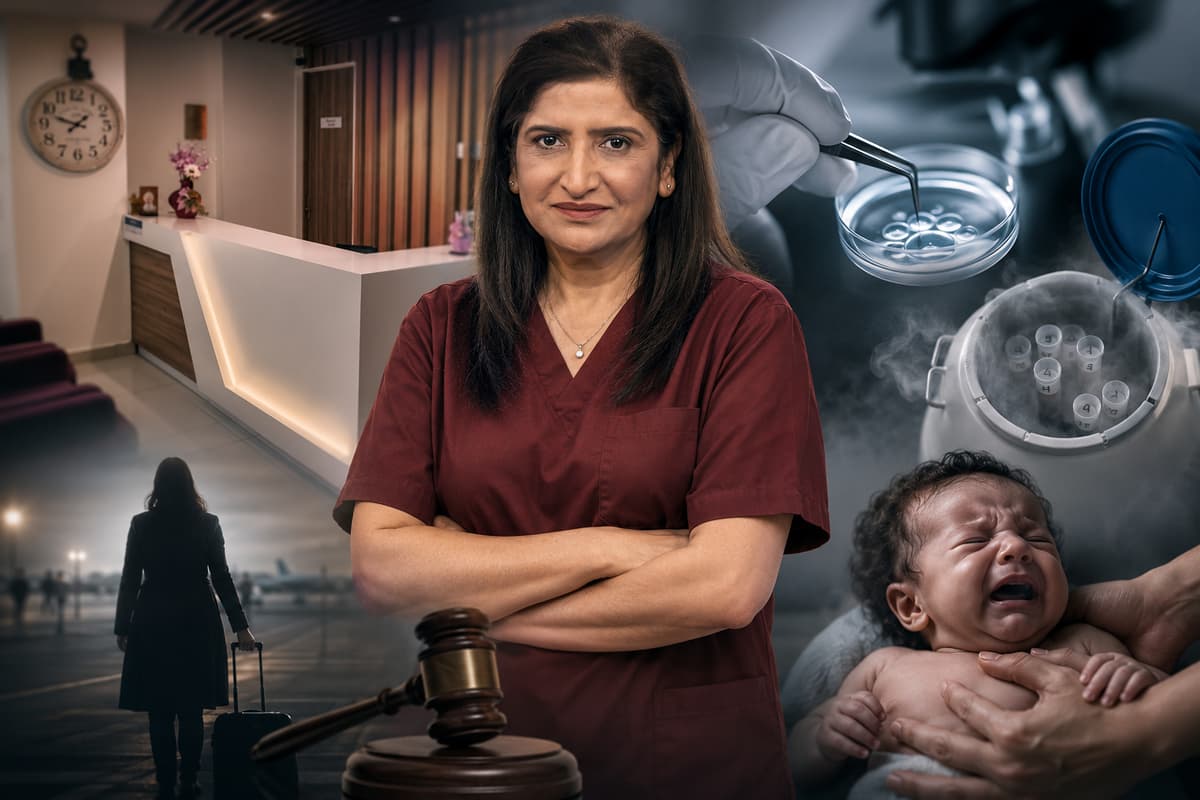
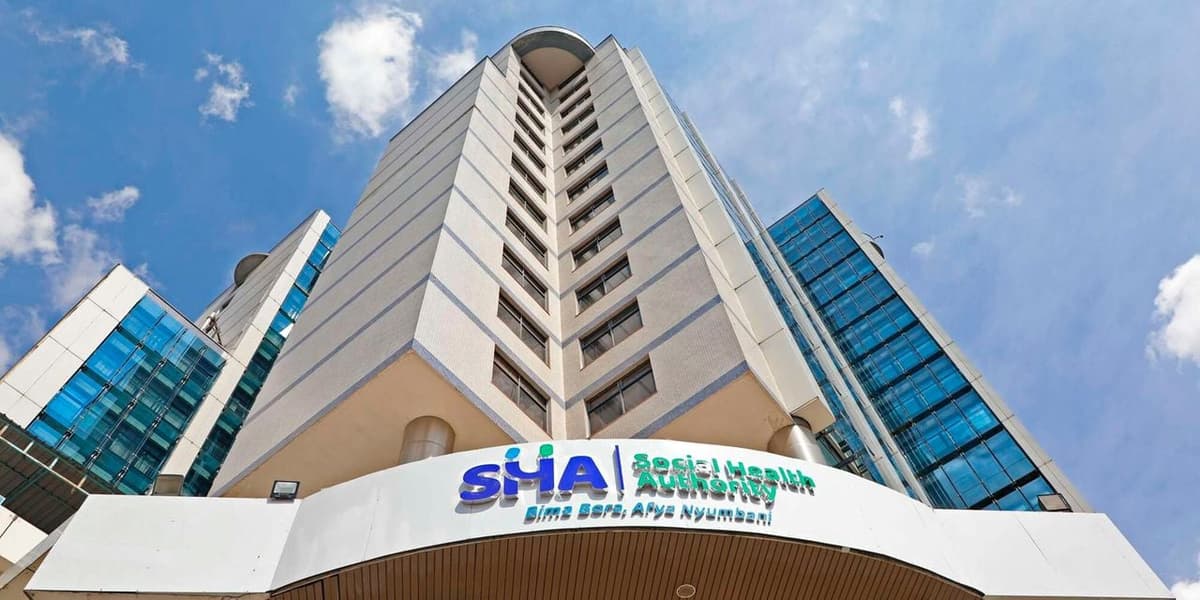
The Court of Appeal has bought Dr. Sarita Sukhija more time. But court filings, employment records and a second Nairobi clinic’s own scandal-ridden history reveal a fertility underworld of unverified embryos, raided nurseries, a dead egg donor allegation, and a doctor who once accused another clinic of doing to her exactly what she now stands accused of doing to her patients.
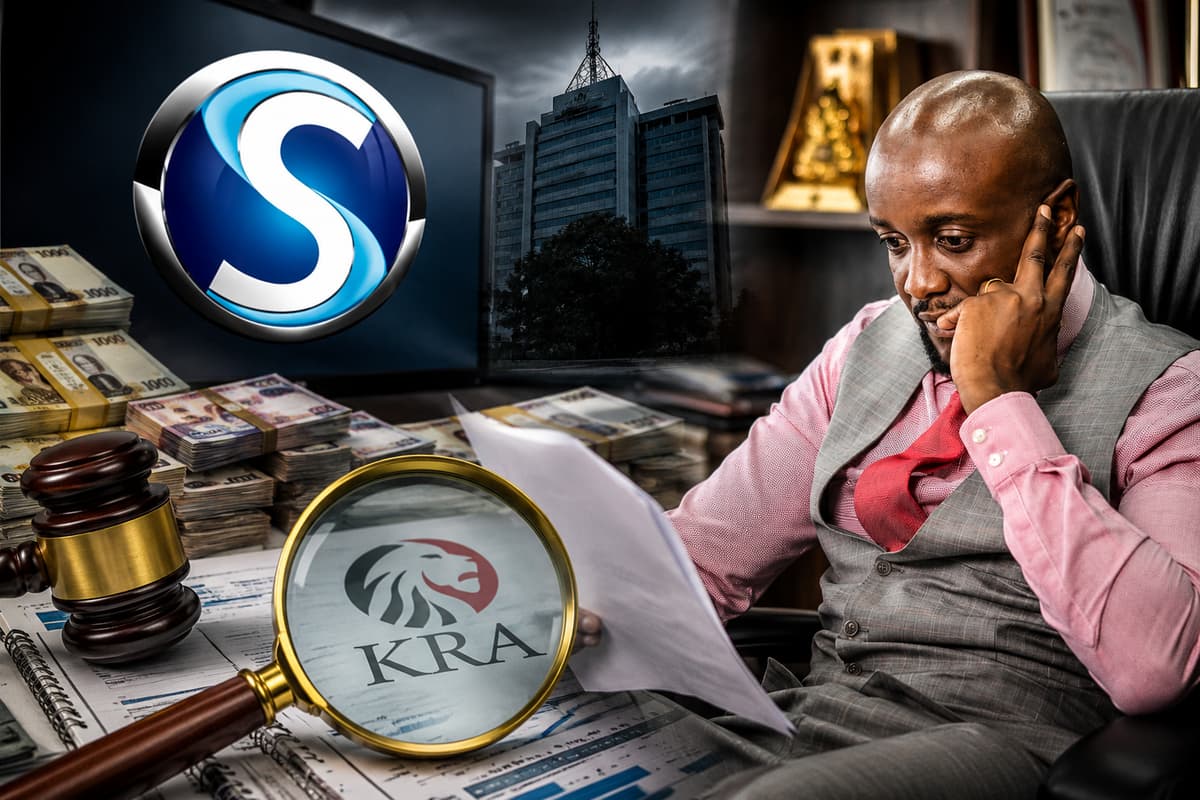
A Sh1.4 billion tax bill frozen by a tribunal technicality. A Sh95 billion demand that collapsed to Sh17.5 billion. A brand that has shut down, rebranded and relitigated its way through three prime ministerial terms of Kenyan tax administration while punters staked more last year than the entire country invested in shares at the Nairobi bourse.
Four rounds. Two courts. One procurement board. And still nobody can say, with a straight face, who is really standing behind the joint venture that keeps winning Kenya’s green gold.
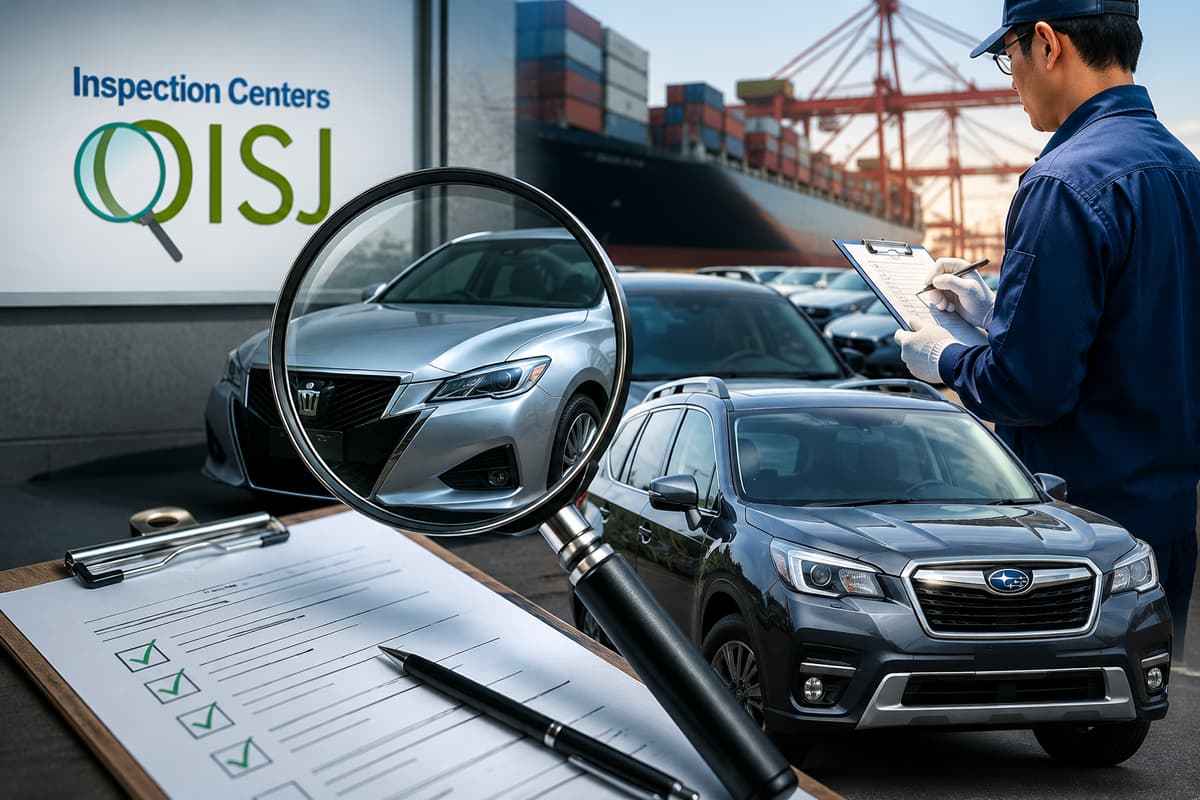
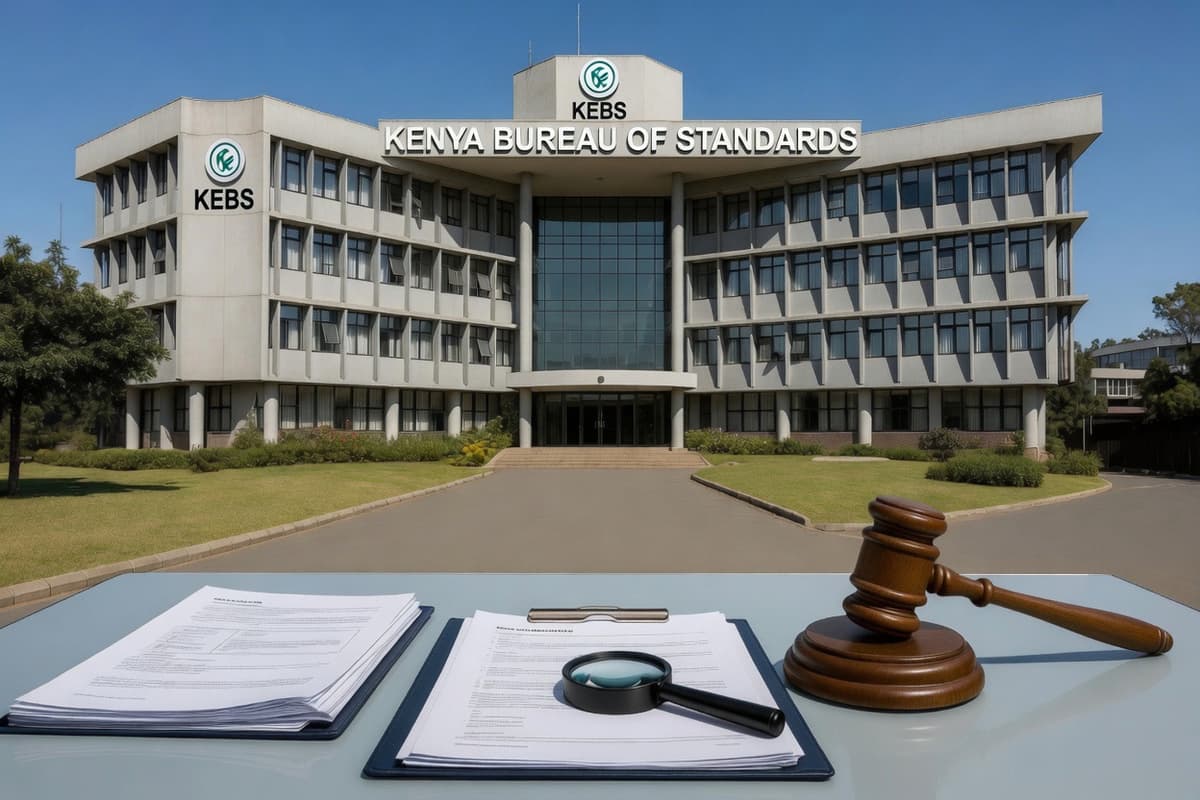
Blacklisted in Japan for radiation fraud, dogged for fifteen years by conflict of interest allegations tying it to Kenya’s biggest car importer, accused of siphoning billions from Kenyan motorists through inflated fees, and now stripped of a Tanzanian contract for operating without basic diagnostic equipment, Quality Inspection Services Japan has survived every scandal that should have ended it. The question Kenyan authorities still refuse to answer is why.
A fresh High Court defeat has shut down the Triton oil scandal fugitive’s last legal escape hatch. What his own court filings, forensic records and a trail of vanished witnesses reveal is far uglier than one bad ruling.
Sh17,011,241.95. That is not a rounding figure invented for effect. It is the precise sum, down to the last cent, that keeps resurfacing in whistleblower complaints, union correspondence and, most damningly, in the sworn record of the Employment and Labour Relations Court, every time the question is asked of who really controls the union dues […]
A Kilimani villa, a hospitalised woman and a lawyer who represented both sides of the sale: fresh forensic claims and a fractured judicial review have reopened one of Nairobi’s most uncomfortable property scandals, with the advocate’s own paper trail now doing much of the talking.
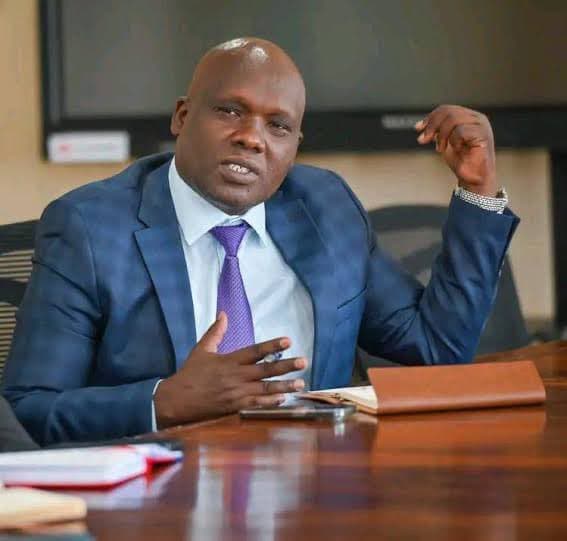
That an ex-regulator walked away from an Sh4.8 billion national scandal without so much as an arraignment, only to resurface weeks later as the alleged architect of a private detention and extortion operation in his own company’s offices
A 40-acre Mara ruling exposes the exact mechanics of a title-flipping scheme, and it is only the tip of a documented pattern stretching from Kesses to Kiambu
A payment subcontractor with a hundred-thousand-shilling starting capital and a director shared with that same vendor now quietly pockets a fixed cut of every shilling paid to a sick Kenyan’s hospital.
A decade of forged degrees, phantom warehouses, a name-changing tycoon, a fake lawyer and a shell company in a British port town, and the men who kept winning anyway.
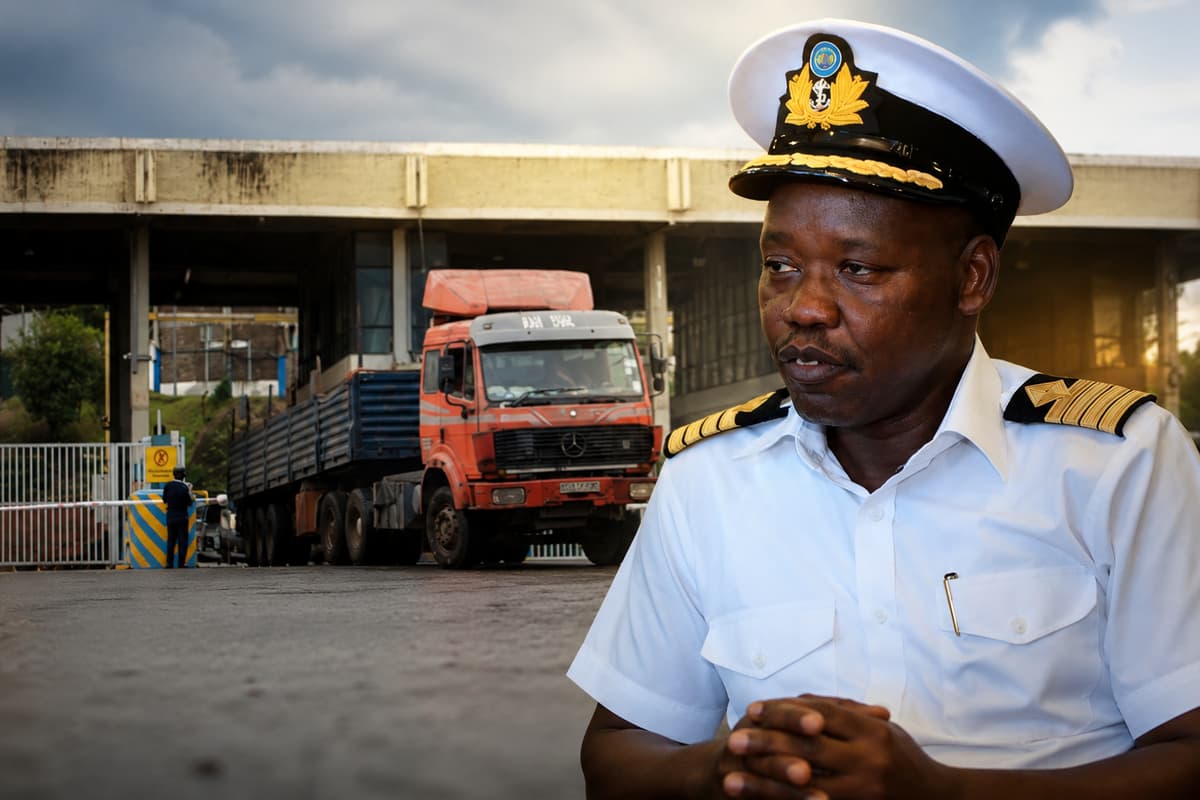
A contract meant to widen 1.4 kilometres of tarmac inside the Port of Mombasa has ballooned into one of the costliest road jobs ever signed by a Kenyan state agency, with taxpayers funding air-conditioned engineer suites, fleets of diesel 4WDs, twenty Android handsets and a Sh1.89 billion contingency cushion that a commercial lawyer says was built to hide human intervention. At the centre of it sits Managing Director Captain William Ruto, a man already facing a Sh31.2 billion procurement petition and questions from Parliament over a separate Sh1.9 billion discrepancy.
A road agency that has paid out billions for its own contractual sins, run for seven months by a man the High Court had just convicted of contempt, handed a Sh3 billion tarmac contract to an outfit with no comparable highway pedigree on the strength of a Chinese contractor’s name it stole and a stamp it forged. The whistleblower told them in March. They waited until a judge was watching in May.
Investigations
The stories they’d rather you missed
One email, every week. The investigations, the analysis, and the paper trails, straight from our newsroom in Nairobi.