
Sci & Tech
Russia-Backed Hackers Breach Signal, WhatsApp Accounts Of Officials, Journalists, Netherlands Warns

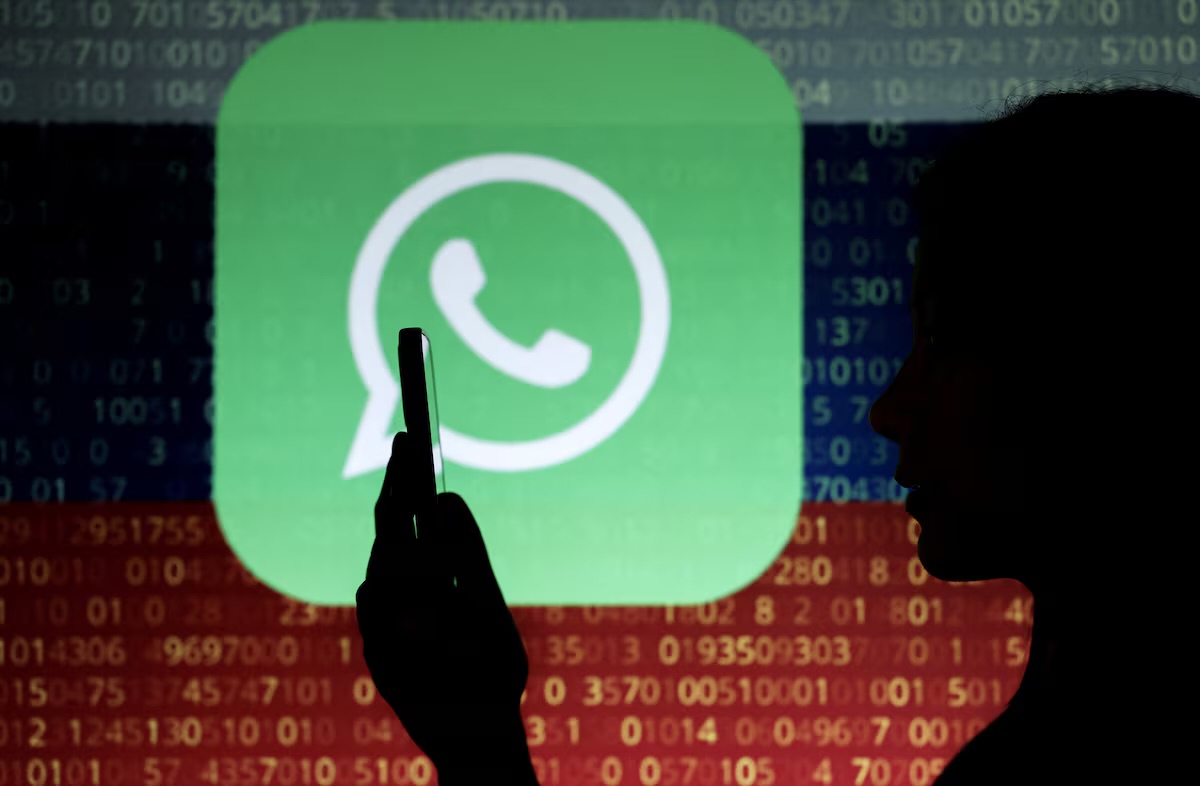
- Hackers have likely gained access to sensitive information
- Hackers use fake Signal Support chatbots to access accounts
AMSTERDAM, March 9 (Reuters) – Russian-backed hackers have launched a global cyber campaign to gain access to Signal and WhatsApp accounts used by officials, military personnel and journalists, two intelligence agencies in the Netherlands warned on Monday.
Users are persuaded in chats initiated by the hackers to divulge security verification and pin codes, giving them access to personal accounts and group chats, they said in a statement.
“The Russian hackers have likely gained access to sensitive information,” the General Dutch Intelligence Agency (AIVD) and Dutch Military Intelligence and Security Service (MIVD) said.
“Targets and victims of the campaign include Dutch government employees” and journalists, the agencies said.
The chat apps offering end-to-end encryption are popular with government officials for sharing confidential or classified information, making them “the ideal place for malicious actors to try to capture sensitive information,” they said.
WhatsApp, in a reaction sent to Reuters, said users should never share their six-digit code with others and that it continued to build ways to protect people from online threats.
Signal said on social media that the targeted attacks were “executed via sophisticated phishing campaigns, designed to trick users into sharing information” and that its encryption and infrastructure had not been compromised.
USERS PERSUADED TO DIVULGE SECURITY CODES
The hackers most frequently masquerade as a Signal Support chatbot to induce targets to divulge the codes, enabling them to take control of the accounts, the statement said.
Another method is to use the ‘linked devices’ function within Signal, it said.
Contacts appearing twice in a user’s contact list, or numbers showing up as ‘deleted account’ could indicate that an account has been compromised, the agencies said.
Dutch authorities issued a cyber advisory notifying government colleagues of the vulnerability and providing assistance to eliminate the threat, a spokesman said, citing the joint operation with the AIVD general intelligence service.
“Despite their end-to-end encryption option, messaging apps such as Signal and WhatsApp should not be used as channels for classified, confidential or sensitive information,” said MIVD director, Vice-Admiral Peter Reesink.
Kenya Insights allows guest blogging, if you want to be published on Kenya’s most authoritative and accurate blog, have an expose, news TIPS, story angles, human interest stories, drop us an email on [email protected] or via Telegram


Court Brands Sh1.1 Billion Fee Demand by Lawyer Victor Swanya “Excessive and Exorbitant,” Exposes How City Hall Lets Public Money Bleed Through Legal Bills

Trump Unveils New Air Force One

MR. NO SHOW: Finance Bill 2026 Exposes Ndindi Nyoro’s Political Conmanship

Billionaire Eric Muli Rebukes Musalia Mudavadi Over Nairobi Capital Relocation Debate

Lawyer Cliff Ombeta Warns Against Taking Insurance Cover With Old Mutual: “Talk to Me Before You Do, Their Imara Cover Is a Fraud”

My Life Is In Danger: Investor Drops Bombshell Expose On Thomas Ogutu CEO VeGrid Ltd And Fugitive Nairobi CEC Charles Kerich – DCI Inaction And Corruption Network Exposed

City Tycoon Chris Obure Returns To Senteu Plaza After Court Victory

NCBA’s Repossession Empire: How Borrowers Lose Their Cars While the Bank Profits at Every Step

Ex-First Lady Margaret Kenyatta and Siblings Move to Block Widow from Late Brother’s Sh50 Million Estate

Inside the Billion-Shilling Betrayal: How Senior Treasury Officials Plundered a UN Poverty Fund and Built a Real Estate Empire on the Backs of Kenya’s Rural Poor

Businessman Philip Waithaka Kinuthia’s Minor Son Allegedly Drove Drunk, Killed Two Peponi Students in Ngong Road Horror Crash as Claims of Cover-Up Intensify

Inside NCBA’s Decline: How a Banking Giant Lost Its Strategic Edge

Cement, Cash and Courts: How the Hashu Dynasty Crushed the Ramji Brothers for Fourteen Years and Why the Walls Are Now Closing In

Standard Chartered Ghosts Haunt Joshua Oigara At Stanbic As Whistleblower Spills Beans

Inside The Urban Planning Cartel That Owns Nairobi

South Sudan: Adut Salva Kiir’s Shadow Treasury Exposed

How Adil Popat Saved His Empire On The Eve Of Imperial Bank Collapse and Why Kenya’s Mainstream Media Buried The Story

Why John Ngumi Is Running From the EACC and Why the Sh415 Million Payday May Be the Least of His Worries

THE VULTURE AND THE SCHEME How Nairobi West Hospital Became the Most Dangerous Institution in Kenya’s SHA Ecosystem and Why the Books Must Be Audited Now

The President’s Daughter and The Missing Witness: How Adut Salva Kiir’s Shadow Treasury Silenced Its Most Dangerous Critic
-
 News6 days ago
Businessman Philip Waithaka Kinuthia’s Minor Son Allegedly Drove Drunk, Killed Two Peponi Students in Ngong Road Horror Crash as Claims of Cover-Up Intensify
-
 Business2 weeks ago
Inside NCBA’s Decline: How a Banking Giant Lost Its Strategic Edge
-
 Business1 week ago
Standard Chartered Ghosts Haunt Joshua Oigara At Stanbic As Whistleblower Spills Beans
-
 Africa1 week ago
South Sudan: Adut Salva Kiir’s Shadow Treasury Exposed
-
 Business1 week ago
How Adil Popat Saved His Empire On The Eve Of Imperial Bank Collapse and Why Kenya’s Mainstream Media Buried The Story
-
 Business1 week ago
Why John Ngumi Is Running From the EACC and Why the Sh415 Million Payday May Be the Least of His Worries
-
 Investigations2 days ago
THE VULTURE AND THE SCHEME How Nairobi West Hospital Became the Most Dangerous Institution in Kenya’s SHA Ecosystem and Why the Books Must Be Audited Now
-
 Africa1 week ago
The President’s Daughter and The Missing Witness: How Adut Salva Kiir’s Shadow Treasury Silenced Its Most Dangerous Critic