
News
Ahmed Adan Hefow: Governor Otuoma’s Trusted Right-Hand Man at the Centre of Busia’s Deepening Finance Scandal

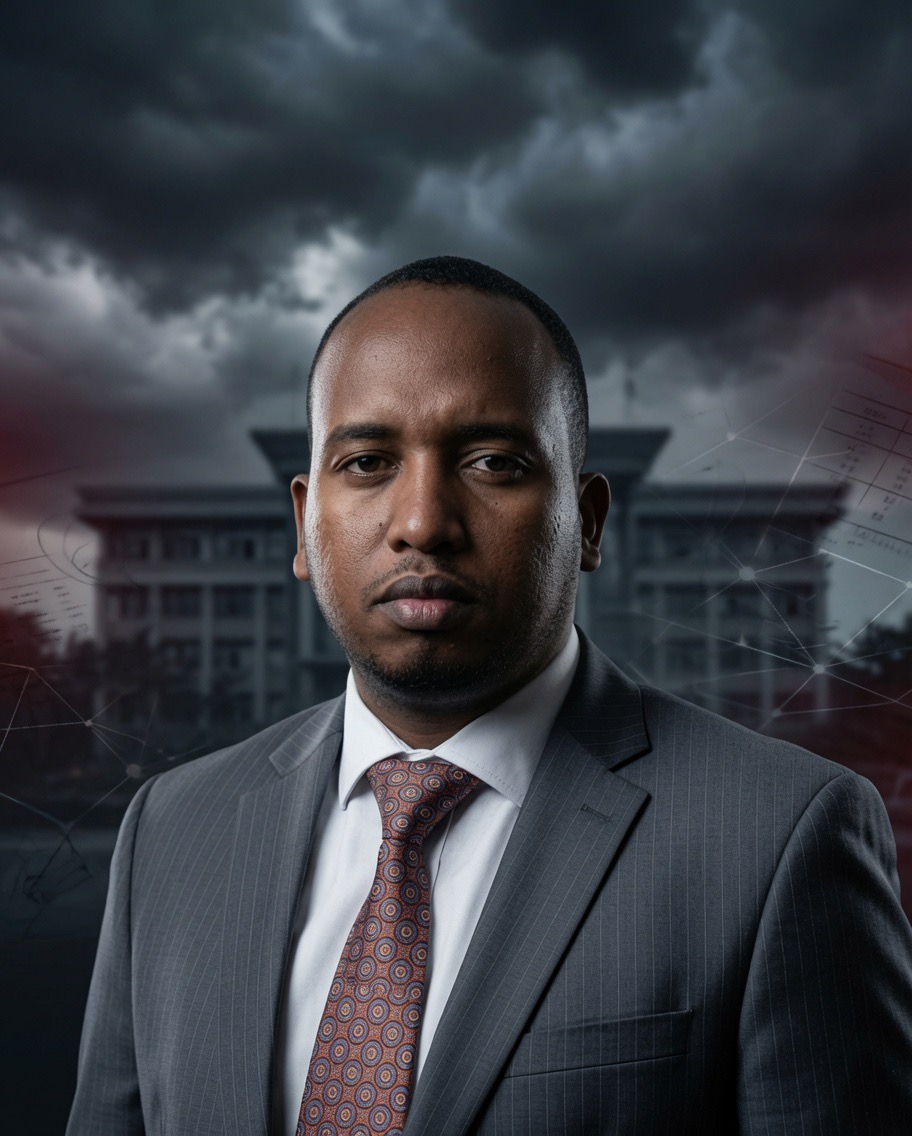
A storm is gathering over Busia County’s Treasury, and at its eye stands Ahmed Adan Hefow, the Chief Officer for Accounting Services who now controls critical levers of the county’s financial machinery.
Fresh insider allegations portray him not as a reformer steadying a troubled department, but as Governor Paul Otuoma’s most trusted operative for handling sensitive transactions and shielding interests that the public was never meant to scrutinise.
The claims, emerging from within the county administration and detailed in recent reporting, allege that Hefow has become central to a network managing hidden financial dealings on behalf of the governor. He is accused of playing a direct role in concealing property interests linked to Otuoma through associates and proxies.
These are not casual whispers. They come after Busia’s finance docket was already blown open by one of the largest documented tender fraud cases in the region’s recent history.
In August 2025, the Ethics and Anti-Corruption Commission arrested six senior Busia County officials, including then-Chief Officer for Finance, ICT and Economic Planning Gypson Ojiambo Wafula, Budget Director Evans Wandera Wangata, and others.
The operation targeted the irregular award of tenders worth KSh 1.4 billion during the 2022/2023 to 2024/2025 financial years. The contracts went to 26 proxy companies linked to relatives and associates of senior county officials.
Investigators later highlighted specific payments exceeding Sh90 million to entities such as Baya Farmcare Limited, Leokiz Investment Limited, and Multidose Agro Supplies Limited, allegedly connected to Governor Otuoma and his family circle.
In February 2026, the governor himself was summoned to the EACC’s Bungoma regional offices, where he recorded a statement as a person of interest in the same web of procurement irregularities and suspected loss of public funds through proxies.
Wafula’s subsequent suspension and compulsory leave were publicly sold as a clean-up measure. In his place stepped Ahmed Adan Hefow, a figure with prior political ambitions in Wajir who had been positioned in Busia’s Treasury.
On paper, the move looked like accountability in action.
According to the insider now speaking out, it was something far more calculated: the installation of a man allegedly even more deeply embedded in the governor’s financial confidence.
Hefow is described as one of the most important figures in Busia’s current financial structure. Insiders claim he is entrusted with sensitive dealings that do not appear in the ordinary public record of county expenditure.
His position in accounting services places him at the heart of payment approvals, ledger management, and the paper trails that determine where every shilling goes.
If the allegations hold, this is not reform. It is continuity under a new face the same machinery of politically protected networks and obscured transactions, now reportedly run by someone who enjoys the governor’s protection precisely because of the dealings they allegedly share.
This pattern is toxic for any county, but especially dangerous in Busia. The finance and accounting office is the single point through which all expenditure, budgeting, procurement approvals, and audit trails must pass.
When that office is allegedly captured by individuals accused of shielding connected wealth and masking arrangements from scrutiny, the consequences cascade.
Procurement can be steered, payments disguised, beneficiaries hidden, and audit queries neutralised before they bite. Public resources meant for roads, health facilities, water projects, and revenue collection simply disappear into a black hole of paperwork while the official story speaks of development and accountability.
The scandal did not begin with Hefow, and it did not end with Wafula’s arrest.
Under Governor Otuoma’s administration, Busia has repeatedly faced questions over procurement, hiring practices, and the use of public office to reward loyalty rather than competence.
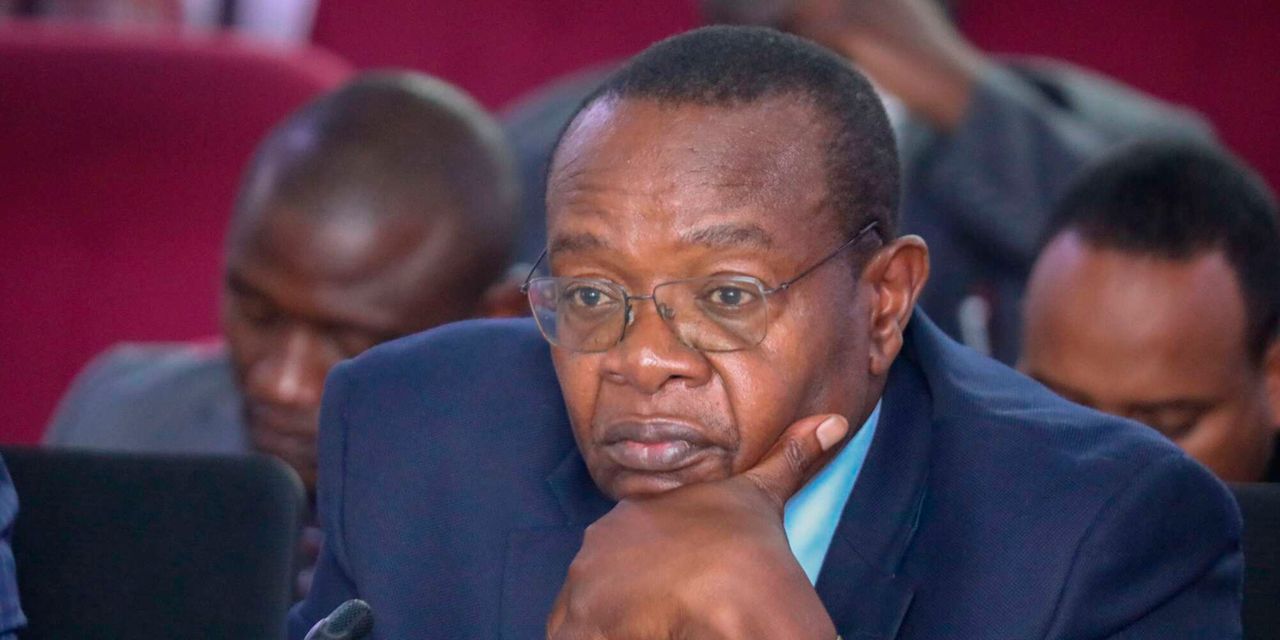
Busia Governor Dr Paul Otuoma.
Earlier leaked material from within the county painted a picture of jobs allegedly going to relatives of insiders, politically connected individuals, and those with access to the right networks rather than the most qualified candidates.
There have also been deeply troubling claims, contained in previously circulated insider material, of women seeking county employment being subjected to inappropriate sexual advances by officials, with screenshots reportedly showing senior figures engaging in conversations that, if authenticated, point to abuse of office and a toxic internal culture.
The latest allegations against Hefow and the governor’s inner circle deepen this picture.
An insider has claimed that Otuoma, at one point allegedly facing the threat of EACC action, made a swift political realignment toward the Kenya Kwanza side for protection.
That specific claim remains unverified and must be treated with caution. Yet its presence in the growing dossier of accusations speaks to the climate of suspicion now enveloping Busia’s leadership a perception that political survival and financial protection are tightly intertwined.
What makes the current moment especially alarming is the apparent absence of any genuine break from the past. A major tender fraud scandal erupts. The finance chief is arrested. The governor is grilled. The public is told reforms are underway.
Then the same financial controls are handed to a new official who insiders now say is the governor’s trusted handler for exactly the kind of sensitive and hidden dealings that the previous scandal exposed. Scandal followed not by root-and-branch reform, but by a quiet reshuffling that leaves the network intact and the money-moving expertise still in loyal hands.
For the people of Busia, this is not an abstract governance debate. It is about whether the county’s limited resources are being spent on services or siphoned through proxies and concealed arrangements.
It is about whether jobs and opportunities are allocated fairly or reserved for those inside the circle. It is about whether the institutions meant to protect public money have instead been repurposed to protect political and financial interests.
These allegations are grave. They require documents, forensic analysis, and fearless investigation not press statements. The EACC, the Auditor-General, the Controller of Budget, and Parliament’s oversight committees must move beyond the 2025 arrests and the governor’s February 2026 statement.
They must examine Hefow’s role since taking the accounting reins, any transactions or proxies connected to him or the post-Wafula period, and the full web of relationships between county payments, family-linked entities, and concealed assets.
If the insider claims are even partially substantiated, Busia will stand as a stark case study in how public finance offices can be captured from within. Corruption does not always announce itself with dramatic arrests. Sometimes it simply changes the nameplate on the door of the person holding the books while the same interests continue operating in the shadows.
The residents of Busia deserve answers.
They deserve an accounting of every shilling that left the county coffers through questionable tenders and every decision made in the finance office since the last scandal broke. Anything less is complicity in the slow hollowing out of institutions that were supposed to serve them, not shield those who control them.
Kenya Insights allows guest blogging, if you want to be published on Kenya’s most authoritative and accurate blog, have an expose, news TIPS, story angles, human interest stories, drop us an email on [email protected] or via Telegram




Somalia’s Disputed President Allegedly Siphons Up to $6 Million Monthly from Kenyan Miraa Trade, Sharing the Spoils with Nairobi’s Shadow Cartels

Ahmed Adan Hefow: Governor Otuoma’s Trusted Right-Hand Man at the Centre of Busia’s Deepening Finance Scandal

Karua Detained at Entebbe as Uganda Blocks Besigye Lawyer From Entering Country

How KCB and Airtel Turned Kenya’s Unbanked Into a Data Goldmine Behind a ‘Financial Inclusion’ Deal

The Chivayo Network: How a Convicted Fraudster Won Access to Presidents, Passports and Billion-Dollar Deals Across Africa

BURRIED TWICE: The Victoria Bank CEO Yogesh Pattni Files

Court Stops Transfer Of EABL Shares To Asahi By Diageo In A Fresh Snag

Death Before Justice: Stephen Ngei, Victim of Sh180 Million Laptop Tender Scam Linked to Allan Chesang, Killed in Highway Crash

Court Brands Sh1.1 Billion Fee Demand by Lawyer Victor Swanya “Excessive and Exorbitant,” Exposes How City Hall Lets Public Money Bleed Through Legal Bills

Trump Unveils New Air Force One

Businessman Philip Waithaka Kinuthia’s Minor Son Allegedly Drove Drunk, Killed Two Peponi Students in Ngong Road Horror Crash as Claims of Cover-Up Intensify

Inside NCBA’s Decline: How a Banking Giant Lost Its Strategic Edge

Cement, Cash and Courts: How the Hashu Dynasty Crushed the Ramji Brothers for Fourteen Years and Why the Walls Are Now Closing In

Standard Chartered Ghosts Haunt Joshua Oigara At Stanbic As Whistleblower Spills Beans

South Sudan: Adut Salva Kiir’s Shadow Treasury Exposed

Inside The Urban Planning Cartel That Owns Nairobi

THE VULTURE AND THE SCHEME How Nairobi West Hospital Became the Most Dangerous Institution in Kenya’s SHA Ecosystem and Why the Books Must Be Audited Now

The President’s Daughter and The Missing Witness: How Adut Salva Kiir’s Shadow Treasury Silenced Its Most Dangerous Critic

How Adil Popat Saved His Empire On The Eve Of Imperial Bank Collapse and Why Kenya’s Mainstream Media Buried The Story

Why John Ngumi Is Running From the EACC and Why the Sh415 Million Payday May Be the Least of His Worries
-
 News1 week ago
Businessman Philip Waithaka Kinuthia’s Minor Son Allegedly Drove Drunk, Killed Two Peponi Students in Ngong Road Horror Crash as Claims of Cover-Up Intensify
-
 Business2 weeks ago
Inside NCBA’s Decline: How a Banking Giant Lost Its Strategic Edge
-
 Business2 weeks ago
Standard Chartered Ghosts Haunt Joshua Oigara At Stanbic As Whistleblower Spills Beans
-
 Africa2 weeks ago
South Sudan: Adut Salva Kiir’s Shadow Treasury Exposed
-
 Investigations4 days ago
THE VULTURE AND THE SCHEME How Nairobi West Hospital Became the Most Dangerous Institution in Kenya’s SHA Ecosystem and Why the Books Must Be Audited Now
-
 Africa2 weeks ago
The President’s Daughter and The Missing Witness: How Adut Salva Kiir’s Shadow Treasury Silenced Its Most Dangerous Critic
-
 Business2 weeks ago
How Adil Popat Saved His Empire On The Eve Of Imperial Bank Collapse and Why Kenya’s Mainstream Media Buried The Story
-
 Business2 weeks ago
Why John Ngumi Is Running From the EACC and Why the Sh415 Million Payday May Be the Least of His Worries