
Economy
Kenya Shifts Away From IMF Loans, Embraces World Bank Funding

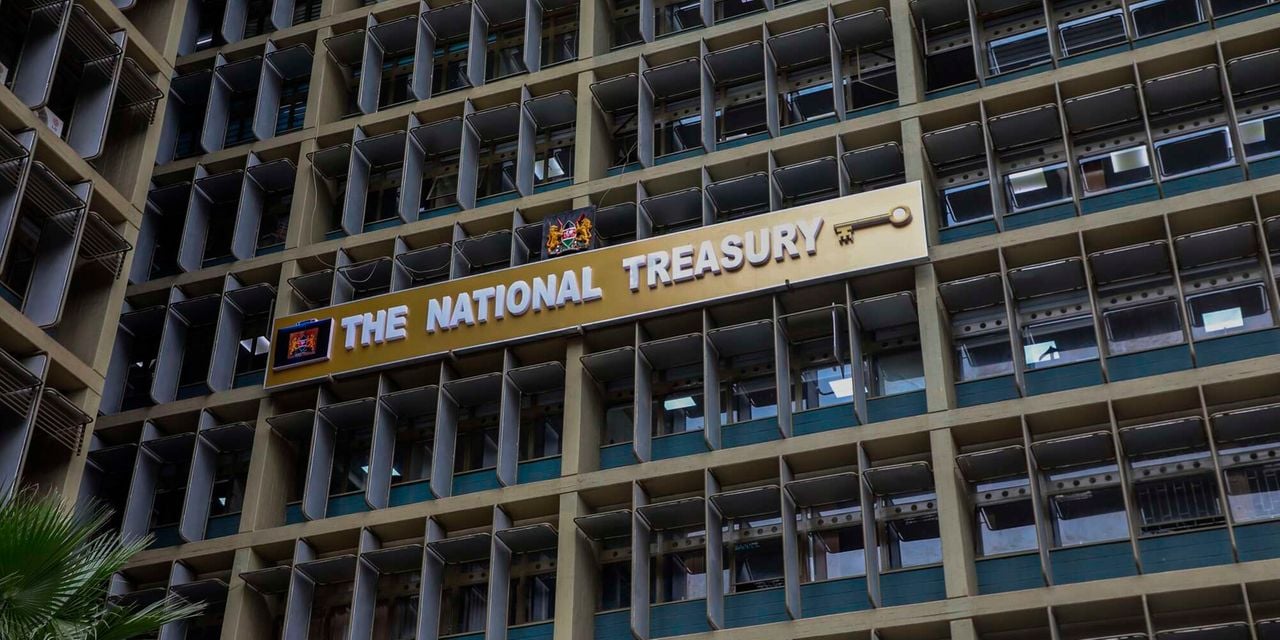
Kenya has excluded International Monetary Fund (IMF) financing from its upcoming budget and four-year financial plan, opting instead to deepen its relationship with the World Bank.
Budget documents recently submitted to Parliament reveal that Kenya has allocated zero funding from the IMF for the fiscal years 2025/26 through 2028/29, marking a clean break from the Sh50.2 billion budgeted in the current financial year and the Sh135.1 billion received in 2023/24.
This strategic pivot comes after Kenya’s previous IMF program ended prematurely when the country failed to meet key conditions, including the restructuring of Kenya Airways and reforms to fuel levy management. The breakdown in the relationship cost Kenya approximately Sh110 billion in potential funding.
World Bank Steps In
As IMF funding dries up, Kenya is ramping up its reliance on the World Bank, projecting loans of Sh170.5 billion annually over the next four years—a significant increase from the current Sh129.8 billion.
“We expect to receive Sh97.08 billion from the World Bank before the end of June 2025,” Treasury Cabinet Secretary John Mbadi stated in a recent interview.
This funding is contingent upon Parliament adopting President William Ruto’s recommendations on the Conflict of Interest Bill, 2025, which aims to curb government corruption.
The shift toward World Bank financing offers Kenya some breathing room from the stringent conditions typically imposed by the IMF, which had demanded higher taxes, job freezes, and aggressive spending cuts in previous arrangements.
No New Major Taxes
In what appears to be a direct response to last year’s deadly protests, the government has proposed a budget with minimal new taxation measures.
“Looking at the Finance Bill this year, it is more on tax administration and trying to seal the loopholes while removing ambiguities and making tax collection efficient,” CS Mbadi explained.
“This could be a record year where we are not collecting much from tax measures. The estimate is in the region of Sh25 billion to Sh30 billion.”
The youth-led protests of June 2024, which resulted in over 50 deaths, forced President Ruto to abandon proposed tax hikes worth Sh346 billion and contributed to delays in IMF funding.
Debt Portfolio Shift
The World Bank now represents the largest share of Kenya’s multilateral debt, with loans totaling Sh1.52 trillion as of December 2024, compared to the IMF’s Sh420.5 billion.
Together, these two institutions account for nearly 39 percent of Kenya’s total external debt of Sh5 trillion.
Central Bank of Kenya Governor Kamau Thugge indicated that while the current budget excludes IMF funding, Kenya remains open to potential new programs with the Fund, contingent on presenting “a credible fiscal consolidation plan.”
Since the COVID-19 pandemic, both the World Bank and IMF have gained considerable influence over Kenya’s fiscal policies, as the country turned to these institutions for concessional loans when commercial markets became less accessible.
The shift represents a return to Kenya’s pre-COVID financing strategy, reminiscent of former President Mwai Kibaki’s administration, which largely avoided direct budget support from the IMF in favor of project-specific funding.
As Kenya navigates this transition in its financing strategy, the focus will be on whether the government can maintain fiscal discipline without the strict oversight of the IMF, while leveraging the relatively less stringent conditions attached to World Bank financing.
For ordinary Kenyans, the immediate impact is clear: no major new tax burdens in the coming fiscal year, a welcome respite after years of increasing financial pressure.
Kenya Insights allows guest blogging, if you want to be published on Kenya’s most authoritative and accurate blog, have an expose, news TIPS, story angles, human interest stories, drop us an email on [email protected] or via Telegram


Why All Eyes Are On Gambling Authority CEO Peter Karimi As Kenya’s Betting Firms Race To Beat The June Licence Renewal Deadline
The Deal Behind Nairobi Animal Orphanage: Is This Really About Animals Or Billions In Prime Park Land

The Great Mogo Extraction: How a Latvian Fintech Built a Debt Trap for Kenya’s Most Vulnerable Borrowers and Got Away With It

Iran Launches Missiles At Israel For First Time Since Mideast Truce

MozzartBet Faces Licence Cancellation For Operations in Kenya Amid Tax Evasion, Money Laundering Scandals As Rumours Swirl Of Sh100M Bribery To Evade Trap

Rogue Developers, Engineers, Architects and City Hall Officials Charged Over Deadly Manzil Towers Collapse

Kalonzo Unveils His 2027 Presidential Campaign Platform

Artur Margaryan of Kenya’s Infamous Artur Brothers Seeks Prime Minister’s Office in Armenia

Sonko Re-Elected Head of Party

US Denied Visas to Team Officials for World Cup – Iran

Cement, Cash and Courts: How the Hashu Dynasty Crushed the Ramji Brothers for Fourteen Years and Why the Walls Are Now Closing In

Why Ruto’s Favourite Candidate Adan Mohammed Could Be Locked Out of the KRA Top Job

Inside The Urban Planning Cartel That Owns Nairobi

LifeCare on the Brink: SHA Fraud, Stolen Wages, and the Rotten Empire Jayesh Saini Built

Este Medical Kenya Fights American’s Explosive Complaints

Safaricom’s Sh1.4 Billion Reckoning: How Kenya’s Most Profitable Company Stole a Man’s Idea and Got Caught

The Rot Inside Absa: How Bank Insiders Are Looting Nairobi’s Customers

Inside FAFSA Fraud: How Kenyan Cybercriminals Siphoned Millions from America’s Sh12 Billion Student Loan System

THE INSURER THAT TOOK YOUR PREMIUM AND FORGOT YOUR NAME: How ICEA Lion Left a Client Begging for Sh7.8 Million Across Four Months

Denial Under Duress: The Untold Collapse Threatening David Lagat’s DL Group’s Empire
-
 Investigations3 days ago
Cement, Cash and Courts: How the Hashu Dynasty Crushed the Ramji Brothers for Fourteen Years and Why the Walls Are Now Closing In
-
 Investigations2 days ago
Inside The Urban Planning Cartel That Owns Nairobi
-
 Investigations2 weeks ago
LifeCare on the Brink: SHA Fraud, Stolen Wages, and the Rotten Empire Jayesh Saini Built
-
 News2 weeks ago
Este Medical Kenya Fights American’s Explosive Complaints
-
 Americas2 weeks ago
Inside FAFSA Fraud: How Kenyan Cybercriminals Siphoned Millions from America’s Sh12 Billion Student Loan System
-

 Investigations7 days ago
Betika Faces DCI Probe, Directors Arrest and License Revocation Over Massive 29.5 Million Safaricom Customers’ Data Breach
-

 News1 week ago
Eight Students Arrested In Kenya After Suspected Deadly School Arson Attack
-
 Investigations3 days ago
Fresh Move Launched to Remove Kenya Railways MD Mainga From Office After Awarding Sh817 Million Consultancy Contract