
Investigations
Inside The Urban Planning Cartel That Owns Nairobi
Patrick Analo’s Sh65 million arrest is the beginning, not the end. Robert Alai names the full network and the trail leads straight to Sakaja’s inner circle.

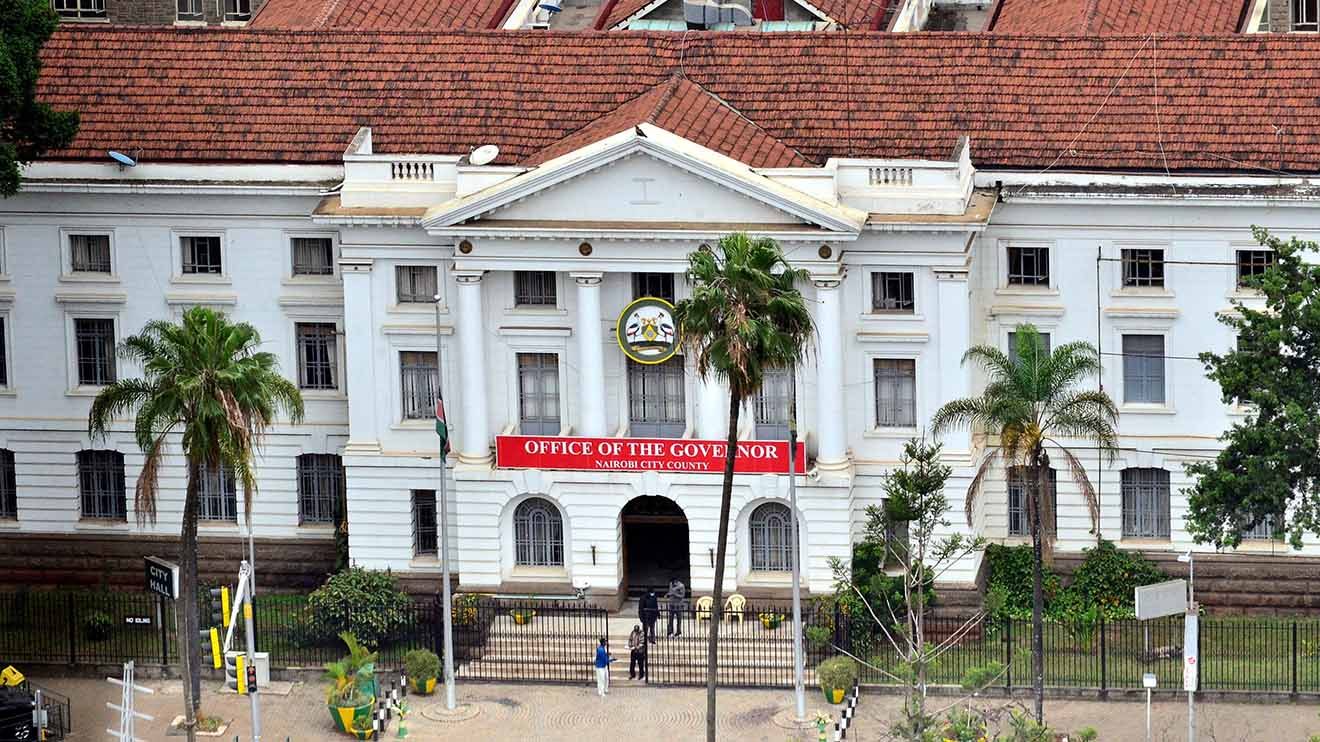
THE cameras were rolling when EACC detectives opened the suitcases at Patrick Analo’s Syokimau home on the morning of June 4, 2026.
Inside: Sh51.3 million in thousand-shilling notes, tightly bundled, stacked to the lid. In the boot of his car, another haul. A further USD 113,000 rounded the total to Sh65.3 million in a single raid. By Friday he had walked out of EACC on Sh500,000 bail, his wife released earlier on Sh100,000.
Governor Johnson Sakaja moved swiftly to suspend him for six months, reconstitute the Urban Planning Technical Committee and pause all approvals. He spoke the right words about accountability. Then he handed the acting role to Dominic Mutegi.
That appointment, more than anything else Sakaja did that day, told Nairobians exactly how much was about to change.
Kileleshwa MCA Robert Alai had spent years warning that Analo was not operating alone. On the day of the arrest, he delivered a statement that named names, cited patterns, and demanded a reckoning that went far beyond one official’s bail hearing.
This is the story of what Alai alleged, what the record shows, and why the residents of Nairobi’s most affected neighbourhoods have every reason to believe that without dismantling the full network, the city’s next building collapse is already in the pipeline.
■ THE MAN IN THE SUITCASE ROOM
Patrick Analo Akivaga served as Nairobi County’s Chief Officer for Urban Development and Planning, the single most powerful bureaucratic position in the city’s development approvals chain. EACC investigators suspect he received more than Sh170 million through suspicious cash and M-Pesa deposits across six financial years stretching from 2019/20 to 2025/26.
The raid recovered not just cash but title deeds, motor vehicle logbooks, land and vehicle sale agreements, approved planning documents, laptops, mobile phones and iPads. It is the profile of a man who ran the tap that hundreds of billions of shillings in annual development approvals flowed through, and who allegedly drank deeply from it.
Analo had been in the crosshairs before. In January 2026, after a building in South C pancaked and killed at least four people on New Year’s Day, Alai named him directly, alleging that the structure at LR No. 209/5909/10 had been approved for 12 floors and had five extra added after a Sh25 million bribe was shared among county physical planning officers.
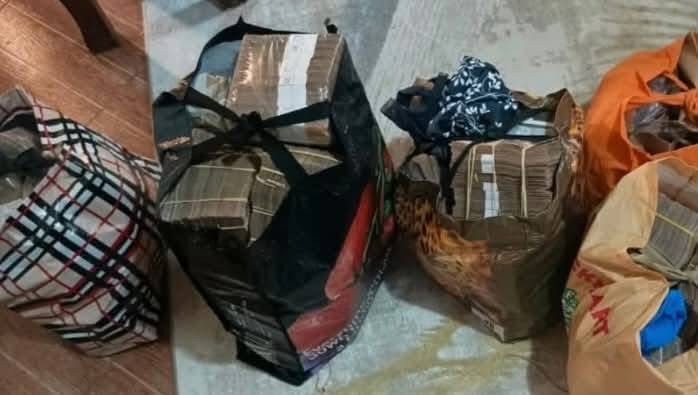
Part of cash recovered by EACC during raid at Analo’s home in Syokimau.
A petition was filed at the High Court in January 2026 seeking his immediate suspension. Lands Cabinet Secretary Alice Wahome stood at the rubble and told the press that Nairobi County had approved four extra illegal floors beyond the sanctioned design. The DPP directed the Inspector General to record statements from all relevant persons within seven days. Nothing happened to Analo. He continued to hold office for another five months.
“Patrick Analo was not operating alone. He was part of a much larger and deeply entrenched cartel network that has held Nairobi hostage for years.” — MCA Robert Alai, June 4, 2026
■ THE OMBUDSMAN’S VERDICT
The Commission on Administrative Justice, Kenya’s Ombudsman, did not mince words in its February 2026 report into Khaleej Towers Limited’s project at LR No. 36/VII/234 in Eastleigh. Approvals CPF-AW765 and PLUPA-BPM-022413-Q were described as irregular, procedurally flawed and grossly non-compliant with the Physical and Land Use Planning Act 2019, the Building Code and Nairobi’s own zoning regulations.
The Ombudsman found that ground coverage reached 93.6 percent against a legal ceiling of 60 percent. Plot ratio hit a staggering 1,779 percent against an allowed 240 percent. Setbacks were so severely ignored that bedroom windows and balconies were built with zero recess from the boundary, overlooking and encroaching on neighbouring property.
An enforcement notice issued in January 2023, Serial No. 1851, ordered all work to stop and demanded a structural integrity report. It was defied. Plans were later revoked. Construction continued to near-completion and occupation.
The Ombudsman described a system of institutionalised impunity and recommended the Director of Public Prosecutions initiate criminal proceedings against senior officials for dereliction of duty, irregular approvals and failure to enforce the law.
The Ombudsman named five officials by name. They were then-CECM Stephen Mwangi, Chief Officer Patrick Analo, Director of Planning Compliance and Enforcement Tom Achar, Development Control Assistant Director Fredrick Ochanda, and Development Control Officer Simon Omondi.
It recommended that the County Public Service Board take disciplinary action against the four officers and Enforcement Officer Erick Okuku by March 8, 2026. It further urged that Mwangi be removed under Section 40 of the County Governments Act. None of those recommendations had been acted upon by the time EACC raided Analo’s home four months later.
■ FRED OCHANDA: THE OFFICER WHO APPROVED 600 APPLICATIONS ALONE
EACC Action: Raided Ochanda’s residences in Ngong and Suneka, Kisii County, and his offices at Nairobi County Government in May 2024. Interrogated at EACC headquarters, then released.
Fredrick Ondari Ochanda holds the title of Assistant Director responsible for Development Control in the Built Environment and Urban Planning Department. He is the man who decided, day to day, which buildings got the green light.
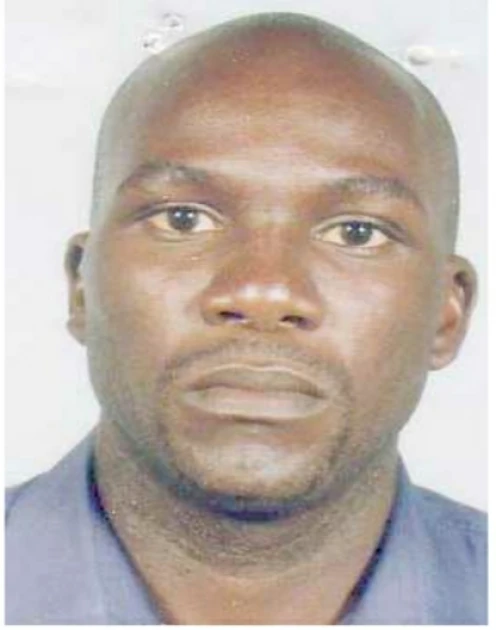
Fredrick Ochanda
In May 2024, EACC detectives raided his residences in Ngong and Suneka, Kisii County, as well as his county offices, executing court orders as part of an investigation into suspected corruption and accumulated wealth disproportionate to his legitimate income. His assets under scrutiny included cash across multiple bank accounts, prime land parcels, commercial properties and luxury vehicles.
When Ochanda appeared before the Nairobi County Assembly Planning Committee the following week, chaired by MCA Alvin Olando, he told the committee something that left members visibly stunned. He had personally approved close to 600 development applications without the knowledge of the county’s political or administrative leadership.
When pushed to explain how he approved buildings with floors in excess of the authorised plans, he told the committee he only consulted Governor Sakaja himself. He was accused of granting approvals that the Technical Committee had already rejected. In earlier media accounts, he had boasted openly of taking instructions from the governor alone.
Alai had been grilling Ochanda on exactly this point, asking repeatedly how a junior officer was approving high-rise structures beyond what paperwork authorised. The answer that emerged from the assembly hearing pointed far above Ochanda’s pay grade.
■ TOM ACHAR: THE DIRECTOR WHO WENT INTO HIDING
On the same day EACC raided Ochanda in May 2024, detectives went looking for Tom Achar, Director of Planning, Compliance and Enforcement. Achar was the official responsible for ensuring that buildings under construction complied with approved plans. He was not traceable. Reports from the period say EACC issued a warrant for his arrest while Achar remained in hiding.
He features in both the Ombudsman’s damning Khaleej Towers report and in Alai’s June 2026 statement as one of the officials who must be investigated as part of the full cartel network. The EACC investigation into his suspected unexplained wealth was noted as ongoing.
■ DOMINIC MUTEGI: THE MAN SAKAJA MADE ACTING CHIEF OFFICER
Appointment: Named acting Chief Officer for Urban Planning by Governor Sakaja immediately after Analo’s suspension, June 5, 2026.
Dominic Mutegi served as Director of Development Management under Analo. He appears in the Ombudsman’s Khaleej Towers investigation as one of the senior officials whose conduct was under examination. His name has featured in residents’ complaints and assembly proceedings on the planning committee alongside Analo, Ochanda and Achar.
He appears in the committee membership records of the same Urban Planning Technical Committee that has been the subject of sustained corruption allegations since at least 2020, when the Nairobi Metropolitan Services disbanded a previous iteration of the committee after the Precious Talent Academy classroom collapse killed eight children.
Alai’s statement was unsparing on this point: Mutegi cannot credibly serve as the face of reforms while being part of the very system residents have complained about for years.
Appointing an insider to clean up a system he helped run is not accountability. It is the appearance of accountability designed to protect everyone who remains.
■ OSMAN KHALIF: THE GOVERNOR’S MAN IN THE ROOM
Of all the names in Alai’s statement, Osman Khalif Abdi carries the most direct political weight. Khalif is the former MCA for South C Ward, the ward where the January 2026 building collapse killed four people. He subsequently became Sakaja’s personal liaison officer and closest political operative.
His role in the planning scandal is not theoretical: it was established in sworn testimony before the Nairobi County Assembly.

Osman Khalif
When the Assembly’s Planning Committee subcommittee convened in May 2024 to investigate building approvals, CECM Stephen Mwangi told members that two people who had no legal right to sit on the Urban Planning Technical Committee had been doing so with the governor’s blessing.
Those two were Chief of Staff David Njoroge and Osman Khalif. ‘In legal terms, they are not supposed to sit in that committee but when it comes to the current situation they have the blessings of the governor’s office,’ Mwangi told the committee.
The same hearings revealed that on March 8, 2024, Governor Sakaja convened a meeting at his private Riverside Drive residence, a location that is not a gazetted county office, at which 154 building plans were discussed and 131 were approved.
Osman Khalif and David Njoroge were both present. The Assembly committee deemed these approvals illegal because they were not processed through the proper County Executive Committee channels.
Khalif’s history adds further dimension.
In November 2023 he was abducted for eight days from a Nairobi mall in broad daylight by five armed men. After resurfacing he alleged brutal torture and accused a powerful, unnamed politician of sending rogue police officers to carry out the abduction. He declined to name his attacker publicly. His car was found at Parklands Police Station.
The courts ordered the state to produce him. MPs from the pastoralist caucus demanded his release. He survived, returned to Sakaja’s side, and continued sitting on the planning committee without legal authority.
“As long as Osman Khalif, Fredrick Ochanda, Tom Achar, Dominic Mutegi and associated networks continue calling the shots within the planning sector, Nairobi residents will not experience peace, fairness or confidence in the planning system.” — MCA Robert Alai
■ THE BODY COUNT
These are not bureaucratic allegations in search of facts. The facts arrived before dawn on January 1, 2026, when a building at Muhoho Avenue in South C pancaked. The structure, approved for 12 floors, had four extra storeys added without lawful sanction.
The Architectural Association of Kenya found multiple regulatory breaches including the issuance of National Construction Authority registration before mandatory county and NEMA approvals were obtained. Additional floors were approved without any proof of structural review or inspection of ongoing works.
A stop order issued by Nairobi County on August 11, 2025 was defied. The building killed at least four people: security guards and Bolt drivers whose only mistake was being in the wrong place when Nairobi’s planning cartel came due.
Lands CS Alice Wahome described the actions of some county officials as rogue and criminal. The DPP directed police to record statements from developers, contractors and everyone involved in approvals and enforcement.
Nairobi Woman Representative Esther Passaris called for the resignation of the entire county planning committee, saying approvals had been done for greed. Investigations were opened. Statements were recorded. And then, for five months, Patrick Analo continued going to the office.
The South C collapse was not an outlier.
The same pattern appears in the Eastleigh Khaleej Towers case, in the Kileleshwa high-rise invasions Alai has documented for years, in the illegal densification of Kilimani, Lavington, Riverside, Westlands and Parklands that strips residential neighbourhoods of sewers, roads, water and light. It is the systematic industrialisation of planning law violation, engineered by officials who turned the approvals pipeline into a revenue stream.
■ WHAT SAKAJA KNEW, AND WHEN
The question that now hangs over this investigation is not whether corruption existed in Nairobi’s planning department. That is established beyond any serious dispute by the Ombudsman’s report, the assembly hearings, the EACC raids, and the corpses in South C. The question is what Governor Sakaja knew about the men he surrounded himself with, and when.
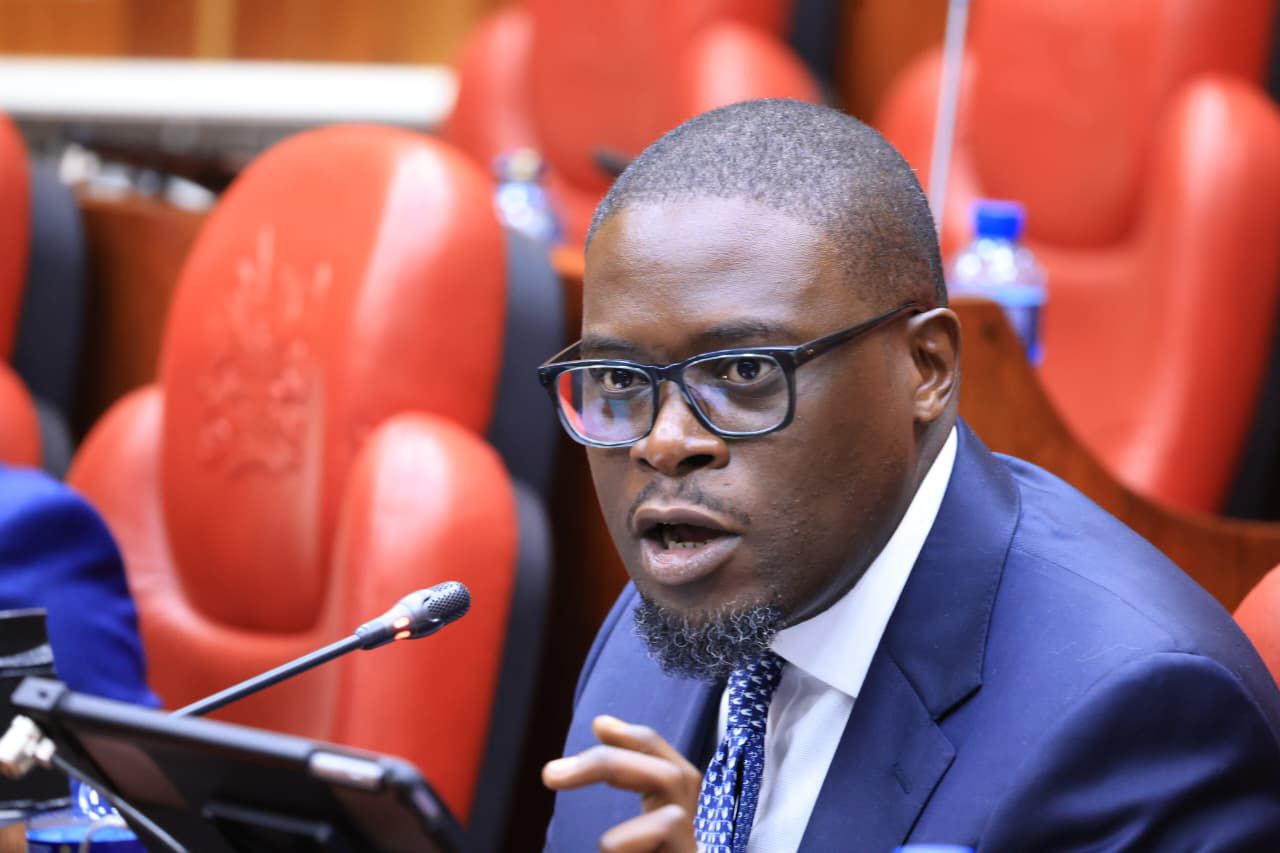
Nairobi Governor Sakaja Johnson, when he appeared before Senate Committee on Devolution and Intergovernmental Relations/HANDOUT
The record is troubling. The March 2024 Riverside Drive meeting, at which 131 building approvals were sanctioned in a private residence, was convened by Sakaja himself. His own CECM told the assembly that Osman Khalif sat on the technical committee because Sakaja put him there. Analo was described in reporting as one of Sakaja’s closest and most trusted allies.
The governor’s office had been petitioned by residents, professional bodies and MCAs repeatedly over multiple years about these exact officers. Alai’s ward had submitted petition after petition. Those complaints were not ignored by accident.
Sakaja’s response to the EACC raid has the shape of a man who understands the optics of the moment. Analo is suspended. The committee is reconstituted. A pause on approvals is announced. EACC is invited to provide a liaison officer.
The governor says corruption has no place in public service. But the acting Chief Officer is Mutegi, not an outsider. The technical committee is being reconstituted with nominees from professional bodies, but there is no indication that the officers named in the Ombudsman’s report, or Khalif, or Njoroge, face any consequence.
■ WHAT MUST HAPPEN NOW
Kileleshwa Ward MCA Robert Alai has put the minimum requirements on the table with precision. Investigations must reach every officer, consultant, broker, committee member and political actor linked to questionable approvals, not only those whose names have already appeared in EACC reports.
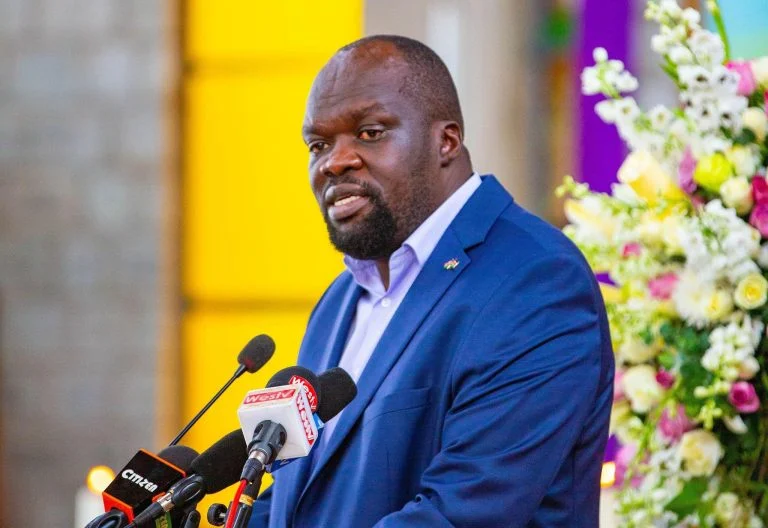
Robert Alai.
The Outdoor Advertising Department, which has turned Nairobi’s road reserves, sidewalks, roundabouts and residential areas into a billboard graveyard, is part of the same captured regulatory ecosystem and must be separately audited.
All recent development approvals in the worst-affected zones need immediate suspension and independent verification.
Occupation certificates for ongoing projects should not be issued until every approval process, EIA, public participation record and zoning compliance is verified by a body with no connection to the current planning regime.
Where the evidence establishes that officials approved buildings that subsequently killed people, corruption charges should be accompanied by manslaughter counts. Assets must be frozen and recovered.
The planning department requires a genuine clean break, which means no acting official whose name has featured in residents’ complaints, professional body investigations, assembly hearings or the Ombudsman’s report should hold any position of authority over the process while investigations are live.
The DPP received directions in January. The Ombudsman submitted its report in February. EACC has been investigating these officers since at least May 2024. The question is no longer whether there is evidence. It is whether the institutions of this country have the courage and the independence to follow it wherever it leads.
Analo faces charges of conflict of interest, abuse of office, bribery and possession of unexplained assets. He is on bail. The men who allegedly worked alongside him remain in their offices or free in Nairobi. The buildings they approved remain standing, or in some cases do not. The families of the dead in South C are still waiting. The residents of Kileleshwa, Kilimani and the other concrete-jungle zones are still living under towers that should never have been approved.
Nairobi has been held hostage by this cartel long enough. The suitcases in Syokimau were not the story. They were the door. The question is whether those with the authority to walk through it are prepared to follow where it leads, all the way to Riverside Drive and back.
Kenya Insights allows guest blogging, if you want to be published on Kenya’s most authoritative and accurate blog, have an expose, news TIPS, story angles, human interest stories, drop us an email on [email protected] or via Telegram


House Helps to Earn Minimum Salary of Sh18,047 Under New Law, Employers Who Refuse Face Jail

Inside The Urban Planning Cartel That Owns Nairobi

Absa Bank Kenya: The Lender That Declares War On Its Own Clients

Putin Rejects Zelensky Meeting Proposal

Burkina Faso Junta Intensifies Crackdown on Critics

Analo Was Just the Tip of the Iceberg: Alai Names Powerful Nairobi Planning Cartel Linked to City Hall

Ruto Reshuffles Military Leadership, Names Major General John Nkoimo Deputy Army Commander

SUPREMO: How Simba Arati’s Wife Is Running Kisii County From Her Home With Terror

Why Is a US Ebola Facility in Kenya Sparking Protests?

10 Million Kenyans’ Personal Data Allegedly Being Sold on Dark Web in Chilling New Cybersecurity Scare

Why Ruto’s Favourite Candidate Adan Mohammed Could Be Locked Out of the KRA Top Job

LifeCare on the Brink: SHA Fraud, Stolen Wages, and the Rotten Empire Jayesh Saini Built

Este Medical Kenya Fights American’s Explosive Complaints

Safaricom’s Sh1.4 Billion Reckoning: How Kenya’s Most Profitable Company Stole a Man’s Idea and Got Caught

The Rot Inside Absa: How Bank Insiders Are Looting Nairobi’s Customers

THE INSURER THAT TOOK YOUR PREMIUM AND FORGOT YOUR NAME: How ICEA Lion Left a Client Begging for Sh7.8 Million Across Four Months

Denial Under Duress: The Untold Collapse Threatening David Lagat’s DL Group’s Empire

Inside FAFSA Fraud: How Kenyan Cybercriminals Siphoned Millions from America’s Sh12 Billion Student Loan System

Court Confirms Safaricom Customers Data Was Sold To Betting Companies In Seven-Year Cover-Up

Betika Faces DCI Probe, Directors Arrest and License Revocation Over Massive 29.5 Million Safaricom Customers’ Data Breach
-
 Investigations2 weeks ago
LifeCare on the Brink: SHA Fraud, Stolen Wages, and the Rotten Empire Jayesh Saini Built
-
 News2 weeks ago
Este Medical Kenya Fights American’s Explosive Complaints
-
 Americas2 weeks ago
Inside FAFSA Fraud: How Kenyan Cybercriminals Siphoned Millions from America’s Sh12 Billion Student Loan System
-
 Investigations5 days ago
Betika Faces DCI Probe, Directors Arrest and License Revocation Over Massive 29.5 Million Safaricom Customers’ Data Breach
-

 News1 week ago
Eight Students Arrested In Kenya After Suspected Deadly School Arson Attack
-
 News6 days ago
How Uhuru’s Deal With Obama In 2015 Paved Way For America’s Ebola Plan In Kenya
-

 Investigations2 weeks ago
LSK On The Spot For Renewing Rogue Lawyer Dennis Onyango’s Licence Despite Mounting Evidence He Held Foreign Investors’ Millions Hostage
-

 Investigations1 day ago
Cement, Cash and Courts: How the Hashu Dynasty Crushed the Ramji Brothers for Fourteen Years and Why the Walls Are Now Closing In