
Sci & Tech
North Korean Hackers Cash Out Hundreds Of Millions From $1.5bn ByBit Hack
The criminals, known as Lazarus Group, swiped the huge haul of digital tokens in a hack on crypto exchange ByBit two weeks ago.

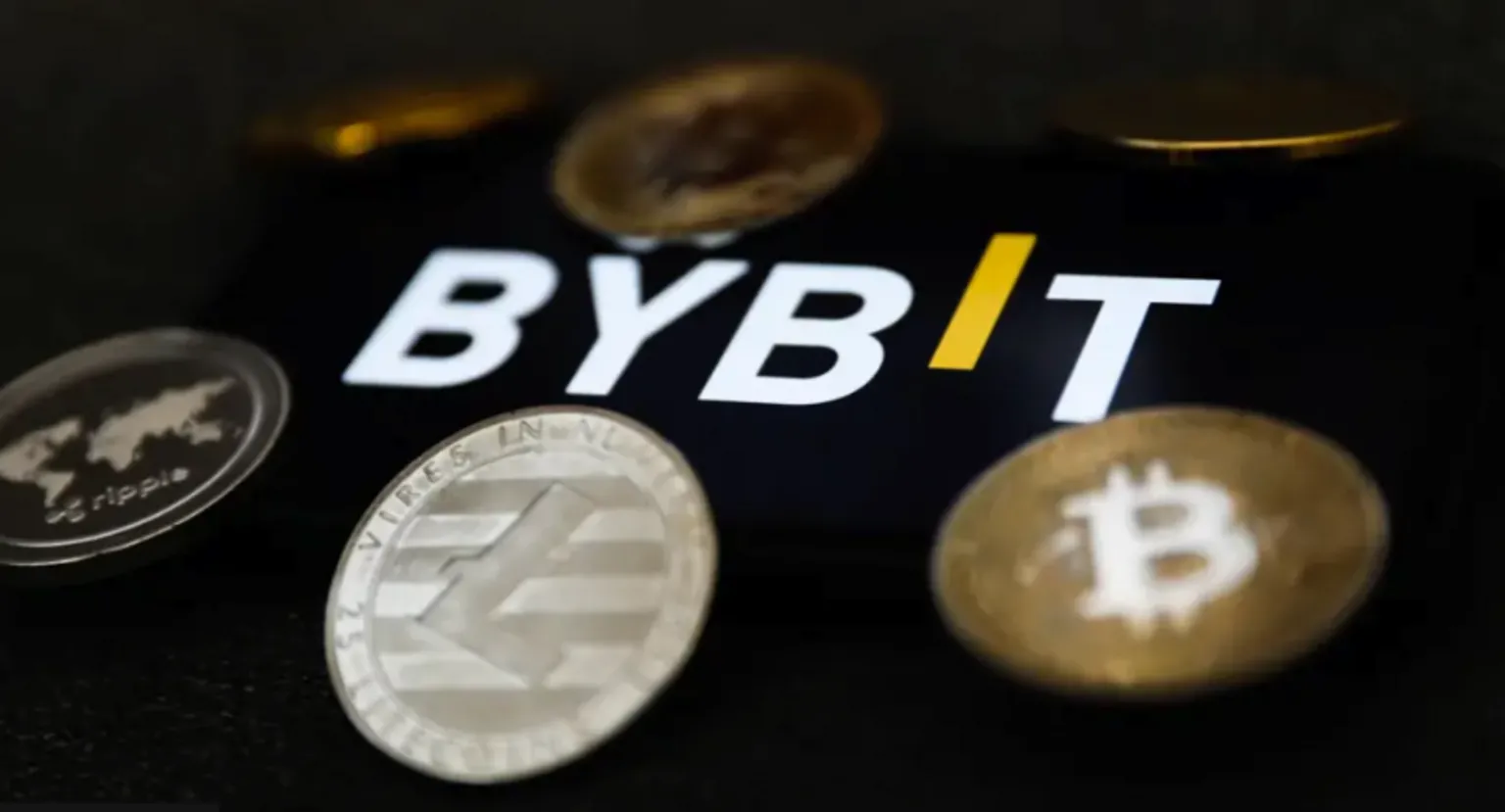
Hackers thought to be working for the North Korean regime have successfully cashed out at least $300m (£232m) of their record-breaking $1.5bn crypto heist.
The criminals, known as Lazarus Group, swiped the huge haul of digital tokens in a hack on crypto exchange ByBit two weeks ago.
Since then, it’s been a cat-and-mouse game to track and block the hackers from successfully converting the crypto into usable cash.
Experts say the infamous hacking team is working nearly 24 hours a day – potentially funnelling the money into the regime’s military development.
“Every minute matters for the hackers who are trying to confuse the money trail and they are extremely sophisticated in what they’re doing,” says Dr Tom Robinson, co-founder of crypto investigators Elliptic.
Out of all the criminal actors involved in crypto currency, North Korea is the best at laundering crypto, Dr Robinson says.
“I imagine they have an entire room of people doing this using automated tools and years of experience. We can also see from their activity that they only take a few hours break each day, possibly working in shifts to get the crypto turned into cash.”
Elliptic’s analysis tallies with ByBit, which says that 20% of the funds have now “gone dark”, meaning it is unlikely to ever be recovered.
The US and allies accuse the North Koreans of carrying out dozens of hacks in recent years to fund the regime’s military and nuclear development.
On 21 February the criminals hacked one of ByBit’s suppliers to secretly alter the digital wallet address that 401,000 Ethereum crypto coins were being sent to.
ByBit thought it was transferring the funds to its own digital wallet, but instead sent it all to the hackers.
Ben Zhou, the CEO of ByBit, assured customers that none of their funds had been taken.
The firm has since replenished the stolen coins with loans from investors, but is, in Zhou’s words, “waging war on Lazarus”.
ByBit’s Lazarus Bounty programme is encouraging members of the public to trace the stolen funds and get them frozen where possible.
All crypto transactions are displayed on a public blockchain, so it’s possible to track the money as it’s moved around by the Lazarus Group.
If the hackers try to use a mainstream crypto service to attempt to turn the coins into normal money like dollars, the crypto coins can be frozen by the company if they think they are linked to crime.
So far 20 people have shared more than $4m in rewards for successfully identifying $40m of the stolen money and alerting crypto firms to block transfers.
But experts are downbeat about the chances of the rest of the funds being recoverable, given the North Korean expertise in hacking and laundering the money.
“North Korea is a very closed system and closed economy so they created a successful industry for hacking and laundering and they don’t care about the negative impression of cyber crime,” Dr Dorit Dor from cyber security company Check Point said.
Another problem is that not all crypto companies are as willing to help as others.
Crypto exchange eXch is being accused by ByBit and others of not stopping the criminals cashing out.
More than $90m has been successfully funnelled through this exchange.
But over email the elusive owner of eXch – Johann Roberts – disputed that.
He admits they didn’t initially stop the funds, as his company is in a long-running dispute with ByBit, and he says his team wasn’t sure the coins were definitely from the hack.
He says he is now co-operating, but argues that mainstream companies that identify crypto customers are betraying the private and anonymous benefits of crypto currency.
North Korea has never admitted being behind the Lazarus Group, but is thought to be the only country in the world using its hacking powers for financial gain.
Previously the Lazarus Group hackers targeted banks, but have in the last five years specialised in attacking cryptocurrency companies.
The industry is less well protected with fewer mechanisms in place to stop them laundering the funds.
Recent hacks linked to North Korea include:
- The 2019 hack on UpBit for $41m
- The $275m theft of crypto from exchange KuCoin (most of the funds were recovered)
- The 2022 Ronin Bridge attack which saw hackers make off with $600m in crypto
- Approximately $100m in crypto was stolen in an attack on Atomic Wallet in 2023
In 2020, the US added North Koreans accused of being part of the Lazarus Group to its Cyber Most Wanted list. But the chances of the individuals ever being arrested are extremely slim unless they leave their country.
(BBC)
Kenya Insights allows guest blogging, if you want to be published on Kenya’s most authoritative and accurate blog, have an expose, news TIPS, story angles, human interest stories, drop us an email on [email protected] or via Telegram











Why All Eyes Are On Gambling Authority CEO Peter Karimi As Kenya’s Betting Firms Race To Beat The June Licence Renewal Deadline

The Deal Behind Nairobi Animal Orphanage: Is This Really About Animals Or Billions In Prime Park Land

The Great Mogo Extraction: How a Latvian Fintech Built a Debt Trap for Kenya’s Most Vulnerable Borrowers and Got Away With It

Iran Launches Missiles At Israel For First Time Since Mideast Truce

MozzartBet Faces Licence Cancellation For Operations in Kenya Amid Tax Evasion, Money Laundering Scandals As Rumours Swirl Of Sh100M Bribery To Evade Trap

Rogue Developers, Engineers, Architects and City Hall Officials Charged Over Deadly Manzil Towers Collapse

Kalonzo Unveils His 2027 Presidential Campaign Platform

Artur Margaryan of Kenya’s Infamous Artur Brothers Seeks Prime Minister’s Office in Armenia

Sonko Re-Elected Head of Party

US Denied Visas to Team Officials for World Cup – Iran

Cement, Cash and Courts: How the Hashu Dynasty Crushed the Ramji Brothers for Fourteen Years and Why the Walls Are Now Closing In

Why Ruto’s Favourite Candidate Adan Mohammed Could Be Locked Out of the KRA Top Job

Inside The Urban Planning Cartel That Owns Nairobi

LifeCare on the Brink: SHA Fraud, Stolen Wages, and the Rotten Empire Jayesh Saini Built

Este Medical Kenya Fights American’s Explosive Complaints

Safaricom’s Sh1.4 Billion Reckoning: How Kenya’s Most Profitable Company Stole a Man’s Idea and Got Caught

The Rot Inside Absa: How Bank Insiders Are Looting Nairobi’s Customers

Inside FAFSA Fraud: How Kenyan Cybercriminals Siphoned Millions from America’s Sh12 Billion Student Loan System

THE INSURER THAT TOOK YOUR PREMIUM AND FORGOT YOUR NAME: How ICEA Lion Left a Client Begging for Sh7.8 Million Across Four Months

Denial Under Duress: The Untold Collapse Threatening David Lagat’s DL Group’s Empire
-
 Investigations3 days ago
Cement, Cash and Courts: How the Hashu Dynasty Crushed the Ramji Brothers for Fourteen Years and Why the Walls Are Now Closing In
-
 Investigations2 days ago
Inside The Urban Planning Cartel That Owns Nairobi
-
 Investigations2 weeks ago
LifeCare on the Brink: SHA Fraud, Stolen Wages, and the Rotten Empire Jayesh Saini Built
-
 News2 weeks ago
Este Medical Kenya Fights American’s Explosive Complaints
-
 Americas2 weeks ago
Inside FAFSA Fraud: How Kenyan Cybercriminals Siphoned Millions from America’s Sh12 Billion Student Loan System
-

 Investigations7 days ago
Betika Faces DCI Probe, Directors Arrest and License Revocation Over Massive 29.5 Million Safaricom Customers’ Data Breach
-

 News1 week ago
Eight Students Arrested In Kenya After Suspected Deadly School Arson Attack
-
 Investigations3 days ago
Fresh Move Launched to Remove Kenya Railways MD Mainga From Office After Awarding Sh817 Million Consultancy Contract