
Business
Why You’re Paying More But Getting Fewer Units; Kenya Power’s Tokens System Explained
Kenya Power categorizes domestic customers into three main tariff groups based on their monthly consumption patterns, with rates increasing as usage rises.

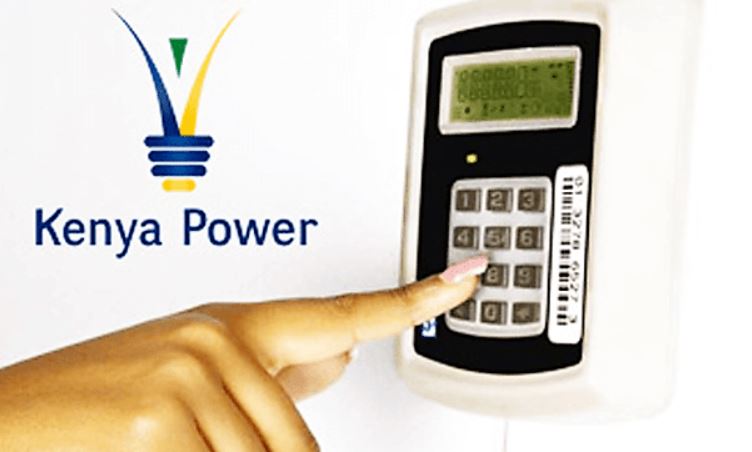
If you’ve noticed your electricity tokens buying fewer units despite paying the same amount, you’re not alone.
The answer lies in Kenya Power’s tiered tariff system that many consumers don’t fully understand.
Kenya Power categorizes domestic customers into three main tariff groups based on their monthly consumption patterns, with rates increasing as usage rises.
This progressive pricing structure means heavy users subsidize lower consumption households, but it also creates confusion when customers cross between categories.
The Three-Tier System
The utility company operates what it calls a “lifeline tariff” for its lowest consumers.
Households using below 30 units monthly qualify for Domestic 1 status, paying just Ksh 12.23 per unit before taxes and levies.
This subsidized rate aims to keep electricity accessible for Kenya’s most vulnerable households.
Move beyond 30 units but stay under 100 units monthly, and you’re automatically shifted to Domestic 2 tariff at Ksh 16.45 per unit. Cross the 100-unit threshold, and Domestic 3 kicks in at Ksh 19.02 per unit for consumption up to 15,000 units monthly.
The Three-Month Average Trap
Here’s where many consumers get caught off guard: Kenya Power doesn’t determine your tariff category based on a single month’s usage. Instead, the company calculates your average consumption over three consecutive months to assign your tariff band.
This means a customer who used 25 units in January, 35 units in February, and 40 units in March would be classified under Domestic 2 despite never using more than 40 units in any single month.
Their three-month average of 33.3 units pushes them above the 30-unit lifeline threshold.
The rate differences create significant cost variations.
A customer buying 50 units worth of electricity would pay approximately Ksh 611 under Domestic 1 rates, but Ksh 822 under Domestic 2 – a difference of over Ksh 200 for the same amount of power.
This tiered system explains why the same monetary amount buys fewer units as consumption patterns change.
A household that previously enjoyed lifeline rates might find their purchasing power reduced after crossing usage thresholds, even temporarily.
Understanding these tariff boundaries allows consumers to make strategic decisions about their power usage.
Households hovering near the 30-unit threshold might benefit from energy conservation measures to maintain lifeline status, while those already in higher tiers face less marginal cost pressure for additional consumption within their band.
Kenya Power’s progressive tariff structure serves social policy goals by subsidizing basic electricity access, but the three-month averaging system means consumers can face unexpected rate increases based on historical rather than current usage patterns.
For households looking to optimize their electricity costs, monitoring monthly consumption and understanding how the averaging system works becomes crucial for budget planning and energy management decisions.
Kenya Insights allows guest blogging, if you want to be published on Kenya’s most authoritative and accurate blog, have an expose, news TIPS, story angles, human interest stories, drop us an email on [email protected] or via Telegram


Why All Eyes Are On Gambling Authority CEO Peter Karimi As Kenya’s Betting Firms Race To Beat The June Licence Renewal Deadline

The Deal Behind Nairobi Animal Orphanage: Is This Really About Animals Or Billions In Prime Park Land

The Great Mogo Extraction: How a Latvian Fintech Built a Debt Trap for Kenya’s Most Vulnerable Borrowers and Got Away With It

Iran Launches Missiles At Israel For First Time Since Mideast Truce

MozzartBet Faces Licence Cancellation For Operations in Kenya Amid Tax Evasion, Money Laundering Scandals As Rumours Swirl Of Sh100M Bribery To Evade Trap

Rogue Developers, Engineers, Architects and City Hall Officials Charged Over Deadly Manzil Towers Collapse

Kalonzo Unveils His 2027 Presidential Campaign Platform

Artur Margaryan of Kenya’s Infamous Artur Brothers Seeks Prime Minister’s Office in Armenia

Sonko Re-Elected Head of Party

US Denied Visas to Team Officials for World Cup – Iran

Cement, Cash and Courts: How the Hashu Dynasty Crushed the Ramji Brothers for Fourteen Years and Why the Walls Are Now Closing In

Why Ruto’s Favourite Candidate Adan Mohammed Could Be Locked Out of the KRA Top Job

Inside The Urban Planning Cartel That Owns Nairobi

LifeCare on the Brink: SHA Fraud, Stolen Wages, and the Rotten Empire Jayesh Saini Built

Este Medical Kenya Fights American’s Explosive Complaints

The Rot Inside Absa: How Bank Insiders Are Looting Nairobi’s Customers

Inside FAFSA Fraud: How Kenyan Cybercriminals Siphoned Millions from America’s Sh12 Billion Student Loan System

Betika Faces DCI Probe, Directors Arrest and License Revocation Over Massive 29.5 Million Safaricom Customers’ Data Breach

Denial Under Duress: The Untold Collapse Threatening David Lagat’s DL Group’s Empire

THE INSURER THAT TOOK YOUR PREMIUM AND FORGOT YOUR NAME: How ICEA Lion Left a Client Begging for Sh7.8 Million Across Four Months
-
 Investigations3 days ago
Cement, Cash and Courts: How the Hashu Dynasty Crushed the Ramji Brothers for Fourteen Years and Why the Walls Are Now Closing In
-
 Investigations2 days ago
Inside The Urban Planning Cartel That Owns Nairobi
-
 Investigations2 weeks ago
LifeCare on the Brink: SHA Fraud, Stolen Wages, and the Rotten Empire Jayesh Saini Built
-
 News2 weeks ago
Este Medical Kenya Fights American’s Explosive Complaints
-
 Americas2 weeks ago
Inside FAFSA Fraud: How Kenyan Cybercriminals Siphoned Millions from America’s Sh12 Billion Student Loan System
-
 Investigations7 days ago
Betika Faces DCI Probe, Directors Arrest and License Revocation Over Massive 29.5 Million Safaricom Customers’ Data Breach
-

 News1 week ago
Eight Students Arrested In Kenya After Suspected Deadly School Arson Attack
-
 Investigations3 days ago
Fresh Move Launched to Remove Kenya Railways MD Mainga From Office After Awarding Sh817 Million Consultancy Contract