
Investigations
US Shames Kenya as Counterfeit Products Haven, Threatening Lives and Trade

Kenya is once again under the global spotlight for all the wrong reasons. The 2025 Special 301 Report by the US Trade Representative has listed Kenya as a haven for counterfeit goods, raising alarm about the country’s weak enforcement of intellectual property rights.
From fake medicines to counterfeit auto parts, Kenya has become a key transit point and dumping ground for substandard and dangerous products.
This damning report not only hurts Kenya’s credibility but also threatens investor confidence, public safety, and the country’s aspirations to become a regional trade and innovation hub.
Kenya’s Weak Grip on Counterfeit Products
The United States government has accused Kenya of being one of the most notorious countries allowing counterfeit products to circulate freely in its markets.
According to the recently released 2025 Special 301 Report, Kenya’s failure to implement strong intellectual property (IP) laws has made it a soft target for criminal networks flooding the country with fake goods.
The report reveals that Kenya continues to suffer from weak institutional enforcement. While authorities such as the Anti-Counterfeit Authority (ACA) are in place, their efforts are described as fragmented and inconsistent.
There are seizures, yes. Arrests are made. But the counterfeit industry in Kenya remains deeply rooted and lucrative.
Kenya now finds itself grouped with countries like Nigeria, Paraguay, and Russia—nations already flagged for rampant IP abuse. It’s a damning blow to Kenya’s image as a fast-growing economy and a destination for innovation and investment.
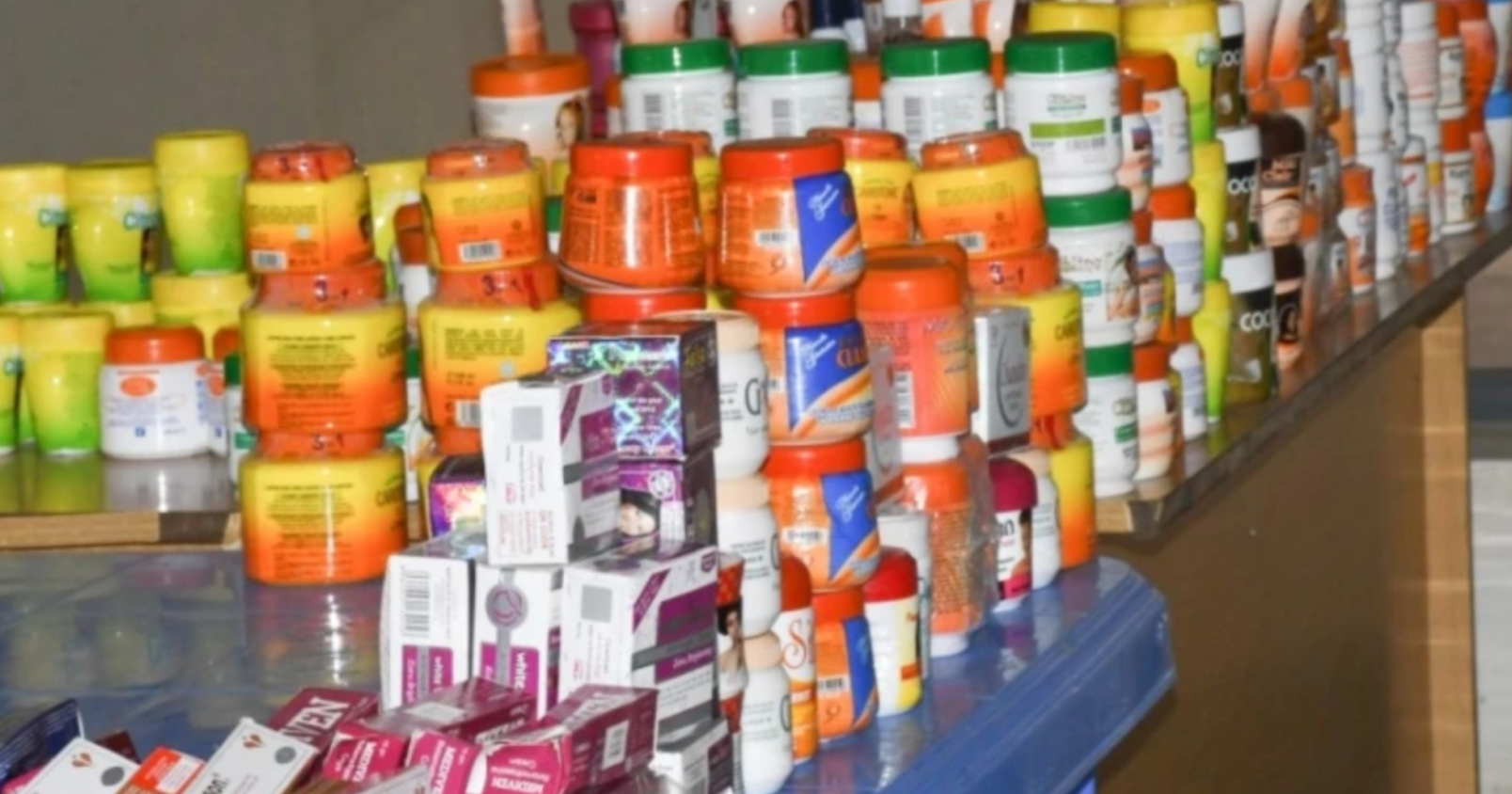
What’s even more worrying is the type of counterfeit products penetrating the Kenyan market. We’re not just talking about cheap fake sneakers or knockoff perfumes.
The report names semiconductors, medicines, chemicals, aircraft parts, and even baby toys as items that are being counterfeited and sold in Kenya. These aren’t just economic threats—they’re public safety time bombs.
The Countries Flooding Kenyan Market With Fake Products
Countries of origin for these fake goods include China, India, Singapore, Vietnam, and the UAE. These items often find their way into Kenya through direct purchases or transshipment hubs. Kenya then becomes a distribution point for counterfeit goods in the wider African region.
The US report also criticized Kenya’s dysfunctional copyright systems. It stated that Kenya, along with India and Nigeria, had some of the worst-performing Collective Management Organisations (CMOs).
These are the bodies supposed to protect artists and content creators by collecting royalties. But instead, they leave many in confusion and financial uncertainty due to mismanagement and unclear structures.

No serious investor wants to risk entering a market where intellectual property isn’t protected and where fake goods threaten supply chains. [Image: Screenshot]
Counterfeit Products Kenya Is Failing to Contain
Kenya’s Anti-Counterfeit Authority (ACA) may be making noise about raids and seizures, but the figures speak louder. Despite high-profile operations against fake fertilizers and pesticides, counterfeit products are still flooding supermarkets, pharmacies, and garages.
Why? Because the root of the problem lies in poor border control, weak penalties, and rampant corruption. Even when counterfeit goods are seized, the supply chain remains intact. Arrested suspects often walk free due to poor case handling or bribes.
And the courts? Slow, overloaded, and often indifferent. It’s a system built to fail. Meanwhile, genuine businesses suffer. Local manufacturers are driven out of the market by cheap fakes.
Consumers are exposed to health hazards, especially from fake drugs and contaminated food products. Yet, the government continues to treat the issue as a low-priority problem.
This complacency is now costing Kenya its global reputation. Investors are wary. Foreign partners are concerned. And local innovators feel abandoned.
Kenya Risks Becoming Africa’s Counterfeit Hub
The US report’s classification of Kenya as a counterfeit-friendly nation signals more than just embarrassment—it comes with economic consequences. It could lead to trade restrictions, investor withdrawal, and increased scrutiny from international markets.
No serious investor wants to risk entering a market where intellectual property isn’t protected and where fake goods threaten supply chains.
And as more Asian countries increase their counterfeit exports, Kenya’s strategic location makes it an easy target. Fake goods land in Mombasa or Nairobi and are shipped to Uganda, Rwanda, and Tanzania. Kenya is being used—and it’s not fighting back hard enough.
The Anti-Counterfeit Authority cannot do it alone. What Kenya needs is a total overhaul of its enforcement systems, stronger IP laws, and serious political will.
Until then, counterfeit products in Kenya will remain a growing cancer, threatening lives, businesses, and the country’s standing on the world stage.
Wrapping Up …..
Kenya cannot afford to brush off the US government’s damning report. It’s a wake-up call. The time for weak enforcement and endless press statements is over.
Real change requires political muscle, funding, and coordination. If Kenya wants to clean up its markets, protect its citizens, and reclaim its reputation, it must declare war on counterfeits now—before it’s too late.
Kenya Insights allows guest blogging, if you want to be published on Kenya’s most authoritative and accurate blog, have an expose, news TIPS, story angles, human interest stories, drop us an email on [email protected] or via Telegram


Iran Launches Missiles At Israel For First Time Since Mideast Truce

MozzartBet Faces Licence Cancellation For Operations in Kenya Amid Tax Evasion, Money Laundering Scandals As Rumours Swirl Of Sh100M Bribery To Evade Trap

Rogue Developers, Engineers, Architects and City Hall Officials Charged Over Deadly Manzil Towers Collapse

Kalonzo Unveils His 2027 Presidential Campaign Platform

Artur Margaryan of Kenya’s Infamous Artur Brothers Seeks Prime Minister’s Office in Armenia

Sonko Re-Elected Head of Party

US Denied Visas to Team Officials for World Cup – Iran

Why Drivers Cheered Bolt’s Reported Exit: Inside the Slow Financial Strangulation of Thousands of Kenyan Drivers and Riders in Kenya

Court Halts NTSA Smart Driving Licence Rollout and Instant Traffic Fines: What This Means

Pentagon Raises Israel Spy Threat To Highest Level: Report

Cement, Cash and Courts: How the Hashu Dynasty Crushed the Ramji Brothers for Fourteen Years and Why the Walls Are Now Closing In

Why Ruto’s Favourite Candidate Adan Mohammed Could Be Locked Out of the KRA Top Job

Inside The Urban Planning Cartel That Owns Nairobi

LifeCare on the Brink: SHA Fraud, Stolen Wages, and the Rotten Empire Jayesh Saini Built

Este Medical Kenya Fights American’s Explosive Complaints

Safaricom’s Sh1.4 Billion Reckoning: How Kenya’s Most Profitable Company Stole a Man’s Idea and Got Caught

The Rot Inside Absa: How Bank Insiders Are Looting Nairobi’s Customers

Inside FAFSA Fraud: How Kenyan Cybercriminals Siphoned Millions from America’s Sh12 Billion Student Loan System

THE INSURER THAT TOOK YOUR PREMIUM AND FORGOT YOUR NAME: How ICEA Lion Left a Client Begging for Sh7.8 Million Across Four Months

Denial Under Duress: The Untold Collapse Threatening David Lagat’s DL Group’s Empire
-
 Investigations3 days ago
Cement, Cash and Courts: How the Hashu Dynasty Crushed the Ramji Brothers for Fourteen Years and Why the Walls Are Now Closing In
-
 Investigations2 days ago
Inside The Urban Planning Cartel That Owns Nairobi
-
 Investigations2 weeks ago
LifeCare on the Brink: SHA Fraud, Stolen Wages, and the Rotten Empire Jayesh Saini Built
-
 News2 weeks ago
Este Medical Kenya Fights American’s Explosive Complaints
-
 Americas2 weeks ago
Inside FAFSA Fraud: How Kenyan Cybercriminals Siphoned Millions from America’s Sh12 Billion Student Loan System
-

 Investigations7 days ago
Betika Faces DCI Probe, Directors Arrest and License Revocation Over Massive 29.5 Million Safaricom Customers’ Data Breach
-

 News1 week ago
Eight Students Arrested In Kenya After Suspected Deadly School Arson Attack
-
 Investigations3 days ago
Fresh Move Launched to Remove Kenya Railways MD Mainga From Office After Awarding Sh817 Million Consultancy Contract