
Politics
Gachagua Withdraws Petitions as Legal Focus Shifts to Post-Impeachment Case

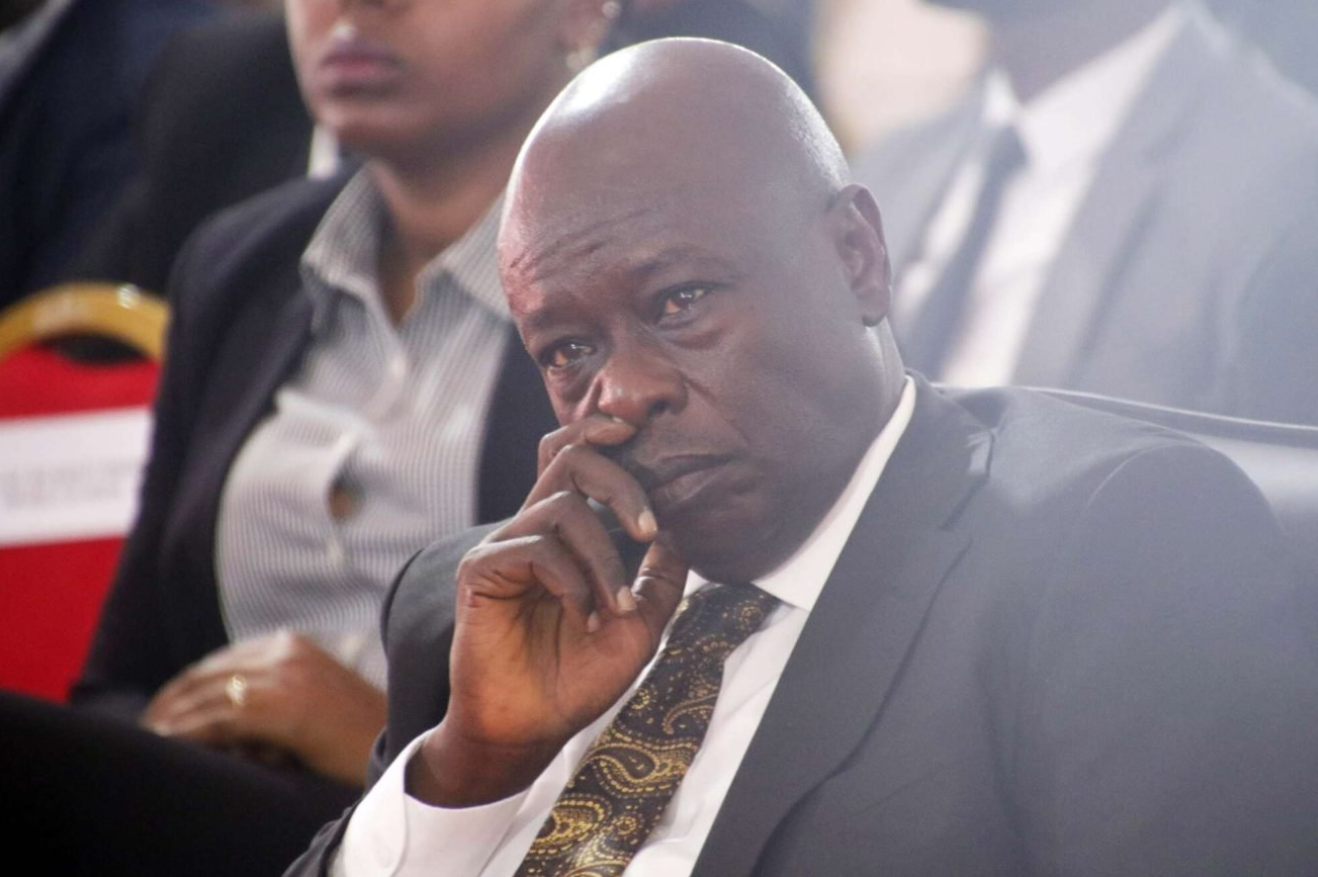
Former Deputy President Rigathi Gachagua has dropped two petitions he had filed to stop his impeachment. His legal team says the cases are no longer necessary.
This move comes as Gachagua chooses to concentrate on a more important legal battle—the post-impeachment case that could define his political future.
The withdrawn petitions were originally aimed at blocking Parliament from kicking him out of office.
But now, his lawyers argue that the key legal questions raised in those cases are already part of the ongoing case, making the earlier petitions irrelevant.
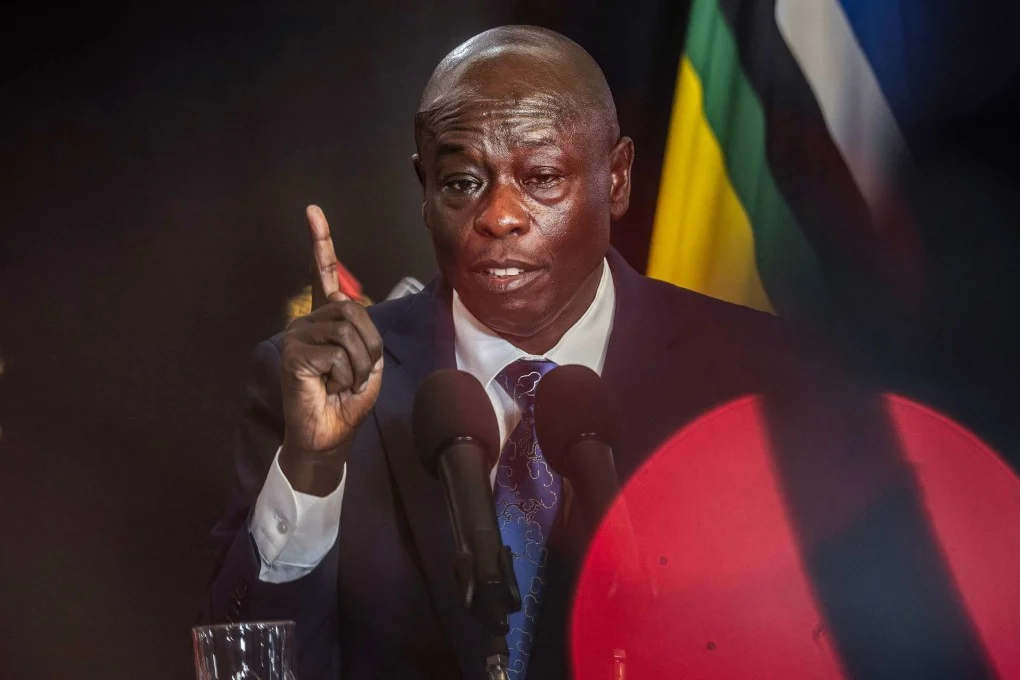
The Gachagua petitions, once aimed at stopping his impeachment, have been withdrawn to focus on a stronger post-impeachment case. [Photo: Courtesy]
Ex-DP Gachagua Petitions Withdrawn After Court of Appeal Ruling
On Thursday, May 15, Gachagua’s lawyers formally asked the High Court to drop the two pre-impeachment petitions. The former deputy president filed these petitions in October last year when Parliament introduced a special motion to remove him from office on 11 charges.
These charges ranged from abuse of office to mismanagement of public funds. Gachagua, who now leads the Democracy for Citizens Party (DCP), believed the impeachment process was politically motivated. His initial legal strategy was to stop the National Assembly and Senate from debating and voting on the motion.
However, the legal landscape changed quickly. On May 9, the Court of Appeal overturned a decision by Deputy Chief Justice Philomena Mwilu. Mwilu had appointed three judges—Eric Ogolla, Anthony Murima, and Fred Mugambi—to handle the impeachment petitions.
Gachagua’s team opposed this, arguing that only the Chief Justice, Martha Koome, had the authority to create such a bench. The appellate court agreed with Gachagua. It ruled that the Chief Justice must personally appoint a bench to hear the case.
With this decision, Gachagua’s lawyers saw an opportunity to streamline the legal process. They withdrew the pre-impeachment cases and instead asked the High Court to forward the post-impeachment petition to Chief Justice Koome for action.
In their formal notice, the legal team wrote, “The conditional and legal issues raised in the above-mentioned pre-impeachment petitions are replicated in the post-impeachment petitions.” They requested the court to consider this overlap and treat the post-impeachment case as the main legal challenge going forward.
Political Stakes Still High for Gachagua
Even though Gachagua is no longer in office, his legal fight is far from over. The post-impeachment petition could determine whether the process that led to his removal was fair and constitutional. If the court finds faults in how Parliament handled the case, it could open the door for political or even legal consequences.
This case is not just about Gachagua’s personal reputation. It’s about the balance of power between the executive, the legislature, and the judiciary. His legal team is pushing to have a full bench hear the matter, which shows they are aiming for a thorough and transparent review.
There’s also a wider political dimension. Since his removal, Gachagua has rebranded himself through the DCP party. Winning this case could boost his chances of a political comeback. Losing it might permanently damage his career.
The next steps depend on Chief Justice Martha Koome. If she agrees to empanel a new bench, the post-impeachment petition will move forward. If not, Gachagua may face a longer legal battle, possibly dragging on for months.
What the Gachagua Petitions Mean for Legal Procedure
The withdrawal of the Gachagua petitions highlights a bigger issue—how legal procedures around impeachment are managed in Kenya. The Court of Appeal’s ruling made it clear: only the Chief Justice can appoint judges to hear such sensitive cases.
This decision reinforces the importance of following proper legal channels, especially in high-stakes political matters. It also places more responsibility on the Chief Justice’s office. With this new precedent, other political leaders facing similar battles may look to this case as a guide.
Whether you agree with Gachagua or not, his case is now part of a growing conversation about the independence of Kenya’s judiciary.
His team’s move to focus on one strong petition instead of juggling multiple cases may prove to be a smarter legal strategy. It avoids confusion, reduces court delays, and allows judges to zero in on the key constitutional questions.
As the country waits for Chief Justice Koome’s next move, one thing is clear—the outcome of the post-impeachment case could have a lasting impact on both law and politics in Kenya.
Kenya Insights allows guest blogging, if you want to be published on Kenya’s most authoritative and accurate blog, have an expose, news TIPS, story angles, human interest stories, drop us an email on [email protected] or via Telegram











Nyali MP Moha Jicho Pevu Caught Up In Alleged Sh44 Million KPA Debt Scam

Somalia Deputy PM Held at JKIA, Deported Over Questionable Acquisition of Kenyan Passport

The White-Coat Heist: How MP Shah Hospital Ran a Decade-Long Double-Extraction Racket While Hiding Behind Charity Status

The Patriarch, His Children, and a Buried Sh3.9 Billion Fraud: The Story of Titus Muya That Kenya Was Never Meant to Read

The Founder’s Ransom: How Titus Muya Had to Be Paid Sh231 Million to Let Go of Family Bank and Why That Bill Is Now Yours

Kenya’s gambling industry pushes back against a licensing bill

Kenya Airways Sinks Into Deeper Turbulence As American Supplier Sues In New York Court Over Sh129 Million Unpaid Debts

Kenyan player wins a Ksh3.2 million jackpot

IEBC Sets August 10 Date For 2027 General Election

Furious Ruto Lashes Out at Gideon Moi Over Repeated ‘Blackmail, Extortionist’ Headlines on The Standard and KTN

Businessman Philip Waithaka Kinuthia’s Minor Son Allegedly Drove Drunk, Killed Two Peponi Students in Ngong Road Horror Crash as Claims of Cover-Up Intensify

Inside NCBA’s Decline: How a Banking Giant Lost Its Strategic Edge

South Sudan: Adut Salva Kiir’s Shadow Treasury Exposed

Cement, Cash and Courts: How the Hashu Dynasty Crushed the Ramji Brothers for Fourteen Years and Why the Walls Are Now Closing In

Standard Chartered Ghosts Haunt Joshua Oigara At Stanbic As Whistleblower Spills Beans

Inside The Urban Planning Cartel That Owns Nairobi

THE VULTURE AND THE SCHEME How Nairobi West Hospital Became the Most Dangerous Institution in Kenya’s SHA Ecosystem and Why the Books Must Be Audited Now

The President’s Daughter and The Missing Witness: How Adut Salva Kiir’s Shadow Treasury Silenced Its Most Dangerous Critic

How Adil Popat Saved His Empire On The Eve Of Imperial Bank Collapse and Why Kenya’s Mainstream Media Buried The Story

Why John Ngumi Is Running From the EACC and Why the Sh415 Million Payday May Be the Least of His Worries
-
 News2 weeks ago
Businessman Philip Waithaka Kinuthia’s Minor Son Allegedly Drove Drunk, Killed Two Peponi Students in Ngong Road Horror Crash as Claims of Cover-Up Intensify
-
 Investigations1 week ago
THE VULTURE AND THE SCHEME How Nairobi West Hospital Became the Most Dangerous Institution in Kenya’s SHA Ecosystem and Why the Books Must Be Audited Now
-
 Business2 weeks ago
How Adil Popat Saved His Empire On The Eve Of Imperial Bank Collapse and Why Kenya’s Mainstream Media Buried The Story
-
 Business4 days ago
BURRIED TWICE: The Victoria Bank CEO Yogesh Pattni Files
-

 Business1 week ago
Inside the Billion-Shilling Betrayal: How Senior Treasury Officials Plundered a UN Poverty Fund and Built a Real Estate Empire on the Backs of Kenya’s Rural Poor
-

 Business1 week ago
The Listing That Doesn’t Lie: What the Market Isn’t Saying About Family Bank’s NSE Debut
-
 Business1 week ago
The Banker Who Walked Away: How Yogesh Pattni Survived a Financial Crime Scandal That Shook Kenya
-

 News6 days ago
My Life Is In Danger: Investor Drops Bombshell Expose On Thomas Ogutu CEO VeGrid Ltd And Fugitive Nairobi CEC Charles Kerich – DCI Inaction And Corruption Network Exposed