
Sci & Tech
Why iPhones Run Faster Than Android With Higher RAM

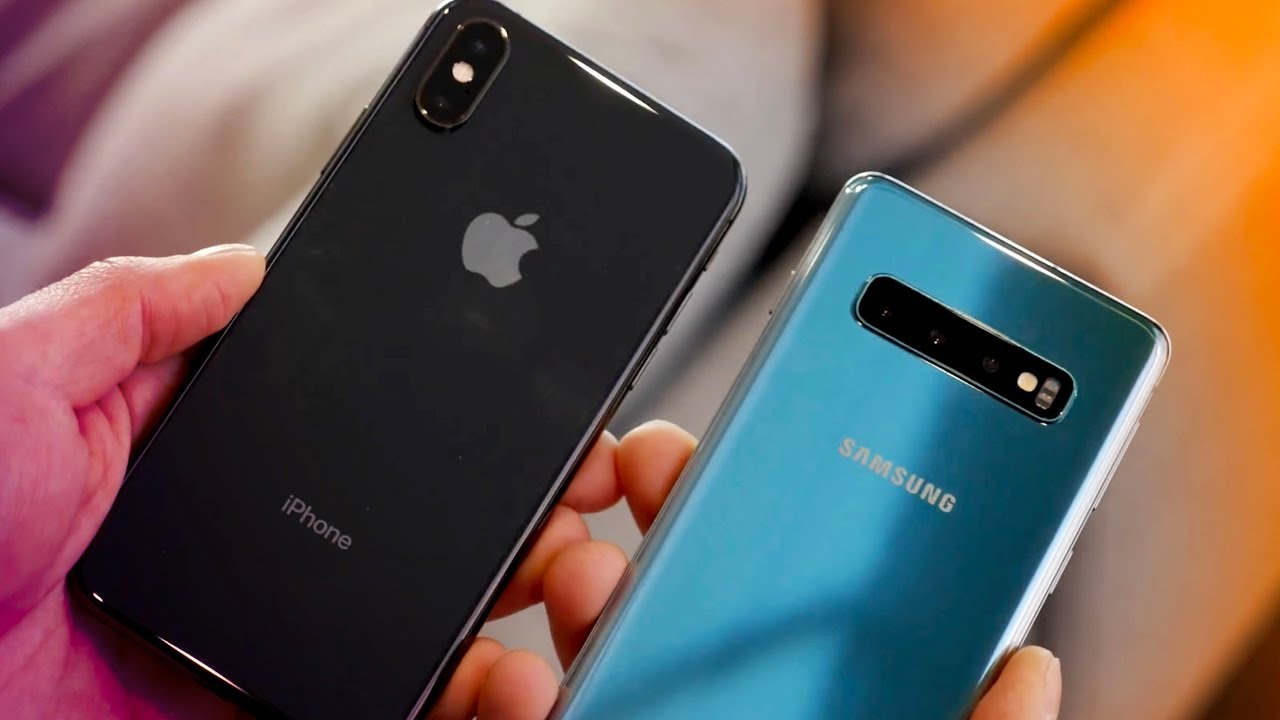
In a world where Android users Rival IOS users for superiority one of the major points Android users tend to gloat about is the amount of RAM their devices carry. Samsung’s flagship smartphone the Samsung S10 plus offers about 8GB of RAM while Apple’s iPhone XS Max offers 4GB of RAM. To give you an idea of how excessive 8GB of RAM is most modern laptops don’t even come with that much.
So why do iPhones get less amount of RAM and still perform the same (if not better) than Android phones with more amounts of RAM? it all has to do with the fundamental difference in the way iOS and Android handle apps. According to Glyn Williams over on Quora, iOS devices run better than Android devices with twice the RAM because Android apps use Java, and need all the extra RAM to do garbage collection.
Java
From the very beginning, Android was designed to support many different processor types, many different manufacturers, and many different hardware configurations. Normally, software written for one kind of system can’t just run on another; it has to be “ported” over, which often involves rewriting the incompatible bits.
To get around this, Android apps have always run on the Java platform. Java is nifty because of its virtual machine: you can write an app once in Java, and then the virtual machine “translates” that code at runtime to work on whatever system it’s on instead of rewriting and recompiling the code yourself. The Java virtual machine is complex and requires a lot of RAM, not just to manage the actual processes of the virtual machine itself, but also to hold the original Java code for whatever app is being executed
Garbage Collection
What’s garbage collection? It’s a process that triggers the recycling of memory once an Android app is done using it. Usually, this works pretty well on systems that have a lot of free RAM, but once you get a lot of different apps running, things start getting dicey. A large part of Android (and Android apps) are generally written in Java because it is the official language for Android development. Due to how Java is configured, memory released by apps that are not in use anymore has to be recycled back to the device via the garbage collection process. Unused memory (garbage) has to be cleaned and recycled to the system so it can be used by other apps. Garbage collection is super effective for the smooth running of Android device but the problem is that the process itself needs sufficient amount of RAM.
According to Williams, Android’s garbage collectors work best when Android apps have 4 to 8 times as much memory as is actually needed in order to perform the garbage collection process. Once you stop having that amount of free memory available, performance starts suffering.
IOS
Apple exerts a lot more control over the entire iOS ecosystem. If you want to use iOS, then you only have one option for a phone: the iPhone. Apps for the Apple store are created using Apple’s tools only because Apple knows the exact specifications of every single device that will ever run its operating system, thus can make design decisions accordingly. additionally all IOS apps are compiled to native code, and that code is executed directly on the hardware. No need for a virtual machine means significantly less RAM used overall.
IOS therefore needs less RAM to run more smoothly than Android does since it was designed to avoid garbage collection from scratch therefore only needing the memory it’s using. What a radical idea, huh?
Source – Quora
Kenya Insights allows guest blogging, if you want to be published on Kenya’s most authoritative and accurate blog, have an expose, news TIPS, story angles, human interest stories, drop us an email on [email protected] or via Telegram


SUPREMO: How Simba Arati’s Wife Is Running Kisii County From Her Home With Terror

Why Is a US Ebola Facility in Kenya Sparking Protests?

10 Million Kenyans’ Personal Data Allegedly Being Sold on Dark Web in Chilling New Cybersecurity Scare

Cement, Cash and Courts: How the Hashu Dynasty Crushed the Ramji Brothers for Fourteen Years and Why the Walls Are Now Closing In

Fresh Move Launched to Remove Kenya Railways MD Mainga From Office After Awarding Sh817 Million Consultancy Contract

Ruto Says US Plan To Build Ebola Facility In Kenya Is The ‘Right Thing’

KBC Secures Free-to-Air Rights for 2026 World Cup

EACC Raids Nairobi Planning Chief Patrick Analo’s Home, Recovers Sh65 Million in Cash

Lawyer Donald Kipkorir Says NTSA Instant Fines Are Illegal, Warns New Traffic Camera System Faces Constitutional Challenge

US Embassy Defends Ebola Facility in Laikipia, Says It Doesn’t Pose Health Risks To Locals

Why Ruto’s Favourite Candidate Adan Mohammed Could Be Locked Out of the KRA Top Job

Este Medical Kenya Fights American’s Explosive Complaints

LifeCare on the Brink: SHA Fraud, Stolen Wages, and the Rotten Empire Jayesh Saini Built

Safaricom’s Sh1.4 Billion Reckoning: How Kenya’s Most Profitable Company Stole a Man’s Idea and Got Caught

The Rot Inside Absa: How Bank Insiders Are Looting Nairobi’s Customers

THE INSURER THAT TOOK YOUR PREMIUM AND FORGOT YOUR NAME: How ICEA Lion Left a Client Begging for Sh7.8 Million Across Four Months

Denial Under Duress: The Untold Collapse Threatening David Lagat’s DL Group’s Empire

Inside FAFSA Fraud: How Kenyan Cybercriminals Siphoned Millions from America’s Sh12 Billion Student Loan System

Court Confirms Safaricom Customers Data Was Sold To Betting Companies In Seven-Year Cover-Up

Eight Students Arrested In Kenya After Suspected Deadly School Arson Attack
-
 News2 weeks ago
Este Medical Kenya Fights American’s Explosive Complaints
-
 Investigations1 week ago
LifeCare on the Brink: SHA Fraud, Stolen Wages, and the Rotten Empire Jayesh Saini Built
-
 Americas2 weeks ago
Inside FAFSA Fraud: How Kenyan Cybercriminals Siphoned Millions from America’s Sh12 Billion Student Loan System
-
 News7 days ago
Eight Students Arrested In Kenya After Suspected Deadly School Arson Attack
-

 Investigations4 days ago
Betika Faces DCI Probe, Directors Arrest and License Revocation Over Massive 29.5 Million Safaricom Customers’ Data Breach
-

 News5 days ago
How Uhuru’s Deal With Obama In 2015 Paved Way For America’s Ebola Plan In Kenya
-

 Investigations2 weeks ago
LSK On The Spot For Renewing Rogue Lawyer Dennis Onyango’s Licence Despite Mounting Evidence He Held Foreign Investors’ Millions Hostage
-

 Investigations1 week ago
The Invisible Hand: Al Jazeera Further Exposes How Safaricom Became The Regime’s Most Powerful Spy