
Opinion
When Diplomacy Dies: Kenya’s Foreign Policy Crisis and the Failure of Mudavadi’s Leadership
The irony of inviting Tanzanian MPs for prayer sessions in Nairobi while failing to address the fundamental diplomatic breach shows a government that has lost sight of diplomatic priorities.

By Phanuel Boit
The recent diplomatic crisis between Kenya and Tanzania represents more than just a bilateral spat—it exposes a fundamental breakdown in Kenya’s foreign policy apparatus and raises serious questions about the competency of our diplomatic leadership.
The events surrounding the treatment of Kenyan citizens in Tanzania and the government’s response reveal a dangerous precedent that threatens both regional stability and Kenya’s standing in the East African Community.
The diplomatic malpractice
When Kenyan activist Boniface Mwangi was abducted, tortured, and deported from Tanzania, alongside veteran advocate Martha Karua, Kenya faced a critical diplomatic test.
These citizens, regardless of their political affiliations or the nature of their mission to support Tanzanian opposition leader Tundu Lissu, deserved the full protection and advocacy of their government. Instead, they were met with celebration from their own leaders.
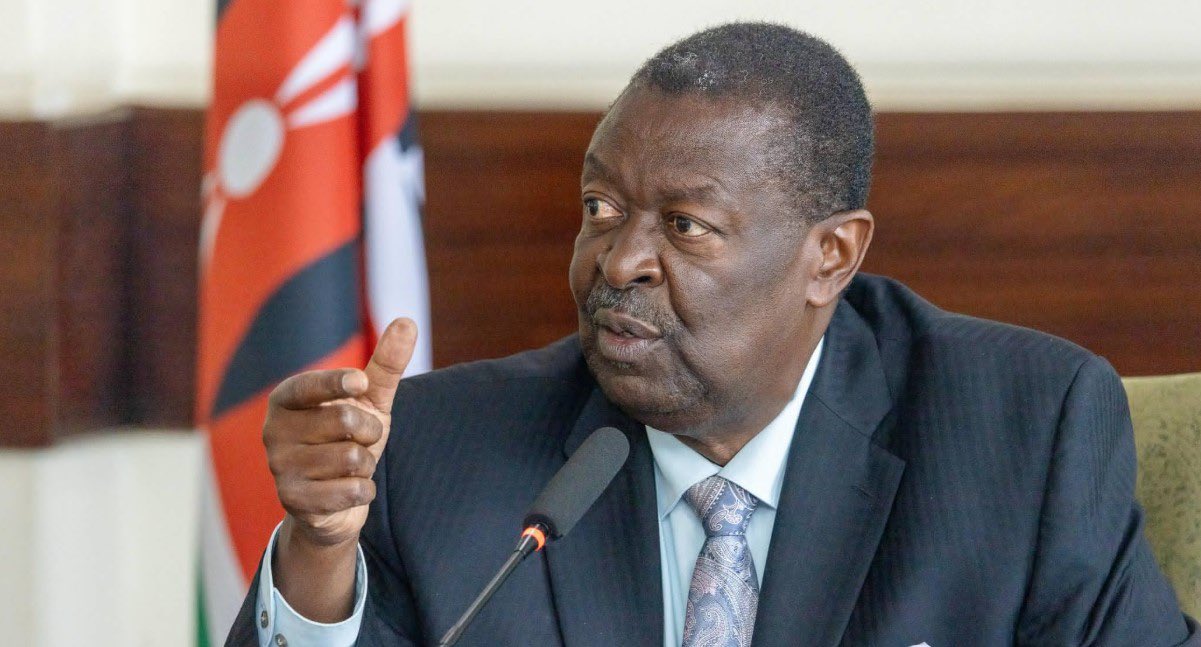
Cabinet Secretary Musalia Mudavadi’s response—”You cannot take bad manners to other people’s country. Once the flight leaves this country, everything changes including the law“—represents a catastrophic failure of diplomatic responsibility.
This statement not only abandoned Kenyan citizens in distress but effectively endorsed Tanzania’s questionable treatment of them.
The abandonment doctrine
Mudavadi’s position establishes a dangerous precedent: that Kenyan citizens lose their government’s protection the moment they cross borders.
This “abandonment doctrine” fundamentally contradicts the basic principles of diplomatic protection, where states have both a right and responsibility to protect their nationals abroad through diplomatic channels.
Modern diplomacy requires nuanced engagement, not wholesale abandonment.
Even when citizens engage in activities that their home government may not endorse, diplomatic protection remains a cornerstone of international relations.
The appropriate response would have been quiet diplomatic engagement with Tanzanian authorities, seeking clarification on the charges and ensuring due process—not public celebration of their mistreatment.
The cost of diplomatic vacuum
The government’s failure to fulfill its protective role has created a dangerous vacuum, now filled by citizen diplomacy conducted through social media campaigns against Tanzanian leadership.
While understandable given the circumstances, this bottom-up diplomatic response lacks the strategic coordination and measured approach that formal diplomacy provides.
When citizens feel compelled to wage their own diplomatic battles, it signals a complete breakdown in institutional trust and capability. The resulting online tensions between Kenyan and Tanzanian citizens risk escalating into broader bilateral tensions that could affect trade, security cooperation, and regional integration efforts.
Regional integration at risk
Kenya and Tanzania are founding members of the East African Community, bound by shared commitments to regional integration, democratic governance, and mutual respect for sovereignty. The current crisis threatens these foundations. Tanzania’s treatment of Kenyan citizens and Kenya’s failure to respond appropriately both violate the spirit of East African brotherhood that underpins regional cooperation.
The irony of inviting Tanzanian MPs for prayer sessions in Nairobi while failing to address the fundamental diplomatic breach shows a government that has lost sight of diplomatic priorities.
Religious diplomacy, while valuable, cannot substitute for addressing core issues of citizen protection and mutual respect between nations.
Effective diplomacy requires several immediate corrections.
First, the Kenyan government must develop clear protocols for protecting citizens abroad, regardless of their political activities or affiliations.
Second, diplomatic engagement with Tanzania must move beyond surface-level religious interactions to address substantive issues of mutual concern.
Third, Cabinet Secretary Mudavadi must acknowledge the diplomatic failure and outline concrete steps to prevent similar incidents.
This includes establishing regular diplomatic consultations with Tanzania and other EAC partners on issues affecting citizen welfare and cross-border activities.
Finally, Kenya must recommit to the principles of regional integration that require addressing disputes through established diplomatic channels rather than allowing them to fester into popular movements that risk regional stability.
This crisis extends beyond Kenya-Tanzania relations. It tests the viability of East African integration and demonstrates how quickly diplomatic failures can undermine decades of regional cooperation.
Other EAC partners are watching closely, and Kenya’s response will influence how seriously regional diplomatic commitments are taken across the community.
The failure to protect Mwangi and Karua represents more than individual cases—it signals a broader retreat from diplomatic responsibility that could encourage similar treatment of Kenyan citizens elsewhere.
When governments fail to protect their citizens abroad, they invite similar treatment from other nations and undermine the entire system of diplomatic protection that serves as a foundation of international relations.
Kenya’s foreign policy apparatus needs urgent reform, starting with a clear commitment to citizen protection and ending with renewed emphasis on professional diplomatic engagement.
The alternative—a region where citizens wage their own diplomatic battles through social media while governments retreat from their responsibilities—serves no one’s interests and threatens the stability that East Africa has worked decades to build.
The question now is whether Kenya’s leadership has the wisdom to recognize this crisis as an opportunity for diplomatic renewal, or whether we will continue down a path that abandons both our citizens and our regional responsibilities.
The Writer is a Foreign Policy Analyst based in Nairobi.
Disclaimer: The views expressed in this article are solely those of the author in their personal capacity as a foreign policy analyst and do not represent the official position of Kenya Insights.
Kenya Insights allows guest blogging, if you want to be published on Kenya’s most authoritative and accurate blog, have an expose, news TIPS, story angles, human interest stories, drop us an email on [email protected] or via Telegram


ICC’s Karim Khan Suspended Over Sexual Misconduct Claims

The Conquest of Tatu City, A New Zealander Story

VANISHING ACT: How China Jiangxi International Pocketed Billions in Kenyan Public Contracts, Then Walked Away

THE GROUP CHAT THAT BROKE THE CARTEL: How Kenya’s Biggest Mattress Firms Used WhatsApp to Fix Your Prices, Then Used It to Destroy Themselves

Court Upholds Gachagua Impeachment, Awards Him Sh50M In Constitutional Damages To Be Paid By Senate

Somali FIFA Referee Denied Entry To US Ahead Of 2026 World Cup: Reports

David Maraga: Kenya’s Ex-Chief Justice Arrested At Protest Against Building On National Park

KRA Warns It Will Automatically File Tax Returns for Kenyans Who Miss June 30 Deadline Using Its Own Data

Govt Plans to Monetise eCitizen Data in New Revenue Drive

Dennis Onyango: Why Raila Won Elections But Never Became President

Cement, Cash and Courts: How the Hashu Dynasty Crushed the Ramji Brothers for Fourteen Years and Why the Walls Are Now Closing In

Inside The Urban Planning Cartel That Owns Nairobi

Why Ruto’s Favourite Candidate Adan Mohammed Could Be Locked Out of the KRA Top Job

LifeCare on the Brink: SHA Fraud, Stolen Wages, and the Rotten Empire Jayesh Saini Built

Este Medical Kenya Fights American’s Explosive Complaints

The Rot Inside Absa: How Bank Insiders Are Looting Nairobi’s Customers

Betika Faces DCI Probe, Directors Arrest and License Revocation Over Massive 29.5 Million Safaricom Customers’ Data Breach

Inside FAFSA Fraud: How Kenyan Cybercriminals Siphoned Millions from America’s Sh12 Billion Student Loan System

Fresh Move Launched to Remove Kenya Railways MD Mainga From Office After Awarding Sh817 Million Consultancy Contract

Court Confirms Safaricom Customers Data Was Sold To Betting Companies In Seven-Year Cover-Up
-
 Investigations4 days ago
Cement, Cash and Courts: How the Hashu Dynasty Crushed the Ramji Brothers for Fourteen Years and Why the Walls Are Now Closing In
-
 Investigations3 days ago
Inside The Urban Planning Cartel That Owns Nairobi
-
 Investigations2 weeks ago
LifeCare on the Brink: SHA Fraud, Stolen Wages, and the Rotten Empire Jayesh Saini Built
-
 Investigations1 week ago
Betika Faces DCI Probe, Directors Arrest and License Revocation Over Massive 29.5 Million Safaricom Customers’ Data Breach
-
 Investigations4 days ago
Fresh Move Launched to Remove Kenya Railways MD Mainga From Office After Awarding Sh817 Million Consultancy Contract
-

 News2 weeks ago
Eight Students Arrested In Kenya After Suspected Deadly School Arson Attack
-

 News1 week ago
How Uhuru’s Deal With Obama In 2015 Paved Way For America’s Ebola Plan In Kenya
-

 Investigations2 weeks ago
The Invisible Hand: Al Jazeera Further Exposes How Safaricom Became The Regime’s Most Powerful Spy