
News
Much Of Maize Reserved At NCPB Is Contaminated With Aflatoxin

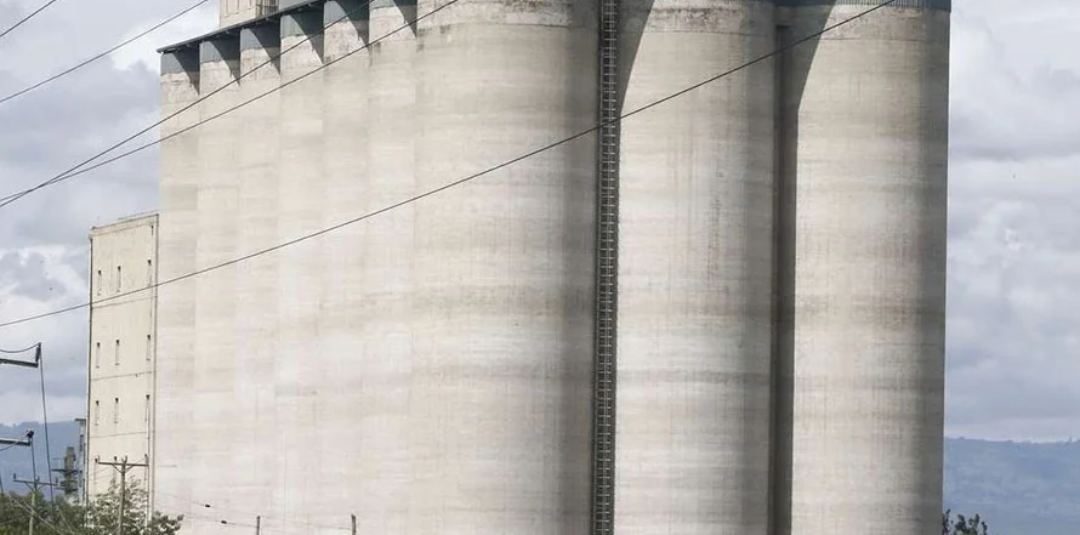
State’s Strategic Food Reserve (SFR) are holding over 124,486 bags of maize contaminated with aflatoxin.
This is coming at a time when the government is contemplating importing maize to plug a biting shortfall.
Ministry of Agriculture has in a report tabled in Parliament revealed that more than half of the contaminated maize is to be destroyed through incineration.
NCPB said that the other half will be used to process animal feeds.
According to the World Health Organisation,WHO, large doses of aflatoxin leads to acute poisoning (aflatoxicosis) that is life-threatening, usually through damage to the liver.
Long-term or chronic exposure to aflatoxins has several health consequences and may affect all organ systems, especially the liver and kidneys. It can also cause liver cancer.
NCPB which stores the strategic food reserves (SFR), had issued a statement early last month saying that maize worth Sh9.2 billion was at risk of going to waste.
The cash-strapped NCPB said they’ve ran out of funds to light storage silos and most importantly, carry out fumigation.
Credible sources say that NCPB employees have gone two months without salaries.
Kenya Power had also disconnected electricity over pending bills.
Strategic Food Reserve’s board is yet to make a decision on whether to approve the destruction of the poisonous maize despite recommendations by an inter-agency team that the grain should be disposed through incineration under supervision of the Directorate of Public Health.
A report tabled before the Senate committee on Agriculture, shows that about half of the maize with harmful aflatoxin levels (more than 20 parts per billion against the East African Community standard of 10 parts per billion) is currently held in Machakos and Nakuru Depots.
The report also revealed that Nairobi, Meru, Migori, Lugari and Isiolo NCPB depots are holding contaminated maize with aflatoxin levels of below 20ppb.
“Maize with total aflatoxin levels of more than 20ppb be disposed through incineration in a kiln preferably Bamburi Cement factory which can attain temperatures of more than 2,000 degrees centigrade required for denaturing the aflatoxin,” reads part of the report recommendations.
Severe maize shortfall has seen shelf prices of packaged maize flour hit Sh125.
In what was termed as, effort to meet the shortfall, The government last week announced through the ministry of Agriculture that it will open a window for duty-free import of 12.5 million bags of maize.
Ten million bags out of the 12.5 million earmarked for importation will be white maize for household consumption while 2.5 million will be yellow maize for processing of animal feeds.
According to the contaminated maize report, Machakos depot is holding 10,710 bags of the grain with the highest aflatoxin levels of 28.8 ppb followed by Nakuru depot which has 54,597 bags with 28.6ppb levels.
Isiolo has 11,663 contaminated bags. Meru has14,460 contaminated bags. Lugari has 26,264, Nairobi 5,427 and Migori 1,504.
The contamination levels range between 13.6ppb to 28.8ppb.
Agriculture Secretary Mwangi Kiunjuri says the Ministry constituted an inter-agency committee on food safety and standards with members from National Cereals and Produce Board (NCPB), Kenya Agricultural and Livestock Research Organisation (Kalro), Kenya Plant Health Inspectorate Service (Kephis), Kenya Bureau of Standards (Kebs) and Ministry of Health to carry out sampling and subsequent laboratory analysis for aflatoxin contamination.
“The collected maize samples were subject to laboratory analysis and the results showed that a total of 6,231.25 MT in seven depots had aflatoxin levels of more than 10 ppb,” CS Kiunjuri said.
CS for Agriculture also added that two rounds of sampling were carried out in November 2018 and January 18, 2019.
According to CS Kiunjuri, a committee led by the ministry of Health visited the seven depots from March 3 and 7 to isolate and officially seize the maize contaminated with aflatoxin as required by the law.
Mr Kiunjuri, in a brief presented to MPs by Andrew Tuimur, the Chief Administrative Secretary (CAS) told said the committee had made a number of recommendations pursuant to the East African Community (EAC) Policy Brief No.8 of 2018.
Kenya Insights allows guest blogging, if you want to be published on Kenya’s most authoritative and accurate blog, have an expose, news TIPS, story angles, human interest stories, drop us an email on [email protected] or via Telegram













Karua Detained at Entebbe as Uganda Blocks Besigye Lawyer From Entering Country

How KCB and Airtel Turned Kenya’s Unbanked Into a Data Goldmine Behind a ‘Financial Inclusion’ Deal

The Chivayo Network: How a Convicted Fraudster Won Access to Presidents, Passports and Billion-Dollar Deals Across Africa

BURRIED TWICE: The Victoria Bank CEO Yogesh Pattni Files

Court Stops Transfer Of EABL Shares To Asahi By Diageo In A Fresh Snag

Death Before Justice: Stephen Ngei, Victim of Sh180 Million Laptop Tender Scam Linked to Allan Chesang, Killed in Highway Crash

Court Brands Sh1.1 Billion Fee Demand by Lawyer Victor Swanya “Excessive and Exorbitant,” Exposes How City Hall Lets Public Money Bleed Through Legal Bills

Trump Unveils New Air Force One

MR. NO SHOW: Finance Bill 2026 Exposes Ndindi Nyoro’s Political Conmanship

Billionaire Eric Muli Rebukes Musalia Mudavadi Over Nairobi Capital Relocation Debate

Businessman Philip Waithaka Kinuthia’s Minor Son Allegedly Drove Drunk, Killed Two Peponi Students in Ngong Road Horror Crash as Claims of Cover-Up Intensify

Inside NCBA’s Decline: How a Banking Giant Lost Its Strategic Edge

Cement, Cash and Courts: How the Hashu Dynasty Crushed the Ramji Brothers for Fourteen Years and Why the Walls Are Now Closing In

Standard Chartered Ghosts Haunt Joshua Oigara At Stanbic As Whistleblower Spills Beans

South Sudan: Adut Salva Kiir’s Shadow Treasury Exposed

Inside The Urban Planning Cartel That Owns Nairobi

THE VULTURE AND THE SCHEME How Nairobi West Hospital Became the Most Dangerous Institution in Kenya’s SHA Ecosystem and Why the Books Must Be Audited Now

How Adil Popat Saved His Empire On The Eve Of Imperial Bank Collapse and Why Kenya’s Mainstream Media Buried The Story

The President’s Daughter and The Missing Witness: How Adut Salva Kiir’s Shadow Treasury Silenced Its Most Dangerous Critic

Why John Ngumi Is Running From the EACC and Why the Sh415 Million Payday May Be the Least of His Worries
-
 News1 week ago
Businessman Philip Waithaka Kinuthia’s Minor Son Allegedly Drove Drunk, Killed Two Peponi Students in Ngong Road Horror Crash as Claims of Cover-Up Intensify
-
 Business2 weeks ago
Inside NCBA’s Decline: How a Banking Giant Lost Its Strategic Edge
-
 Business2 weeks ago
Standard Chartered Ghosts Haunt Joshua Oigara At Stanbic As Whistleblower Spills Beans
-
 Africa1 week ago
South Sudan: Adut Salva Kiir’s Shadow Treasury Exposed
-
 Investigations3 days ago
THE VULTURE AND THE SCHEME How Nairobi West Hospital Became the Most Dangerous Institution in Kenya’s SHA Ecosystem and Why the Books Must Be Audited Now
-
 Business1 week ago
How Adil Popat Saved His Empire On The Eve Of Imperial Bank Collapse and Why Kenya’s Mainstream Media Buried The Story
-
 Africa2 weeks ago
The President’s Daughter and The Missing Witness: How Adut Salva Kiir’s Shadow Treasury Silenced Its Most Dangerous Critic
-
 Business1 week ago
Why John Ngumi Is Running From the EACC and Why the Sh415 Million Payday May Be the Least of His Worries