
Coronavirus
Kenya Has Ordered 379,000 Tablets Of Hydrochloroquine From India As Option For Coronavirus Treatment

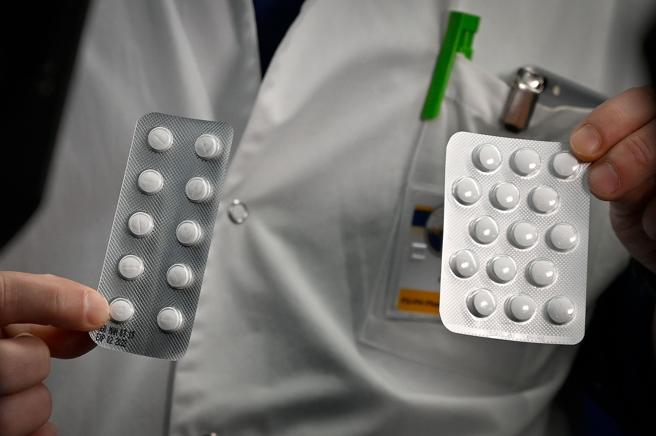
Kenya has joined the countries “repurposing” the banned antimalarial drug hydroxychloroquine for emergency use ahead of mass testing for Covid-19.
The country has ordered a one-off consignment of 379,000 tablets of the hydroxychloroquine from India just three weeks after the Asian nation partially lifted a ban on the export of the drug.
The deal follows last week’s telephone conversation between Foreign Affairs secretary Raychelle Omamo and Indian External Affairs minister Subrahmanyam Jaishankar.
“In keeping with excellent bilateral ties and as a special gesture, India has allowed one-time export of prohibited Hydroxychloroquine Sulphate USP 200 mg (379,000 tablets) to Kenya to support Government of Kenya in its fight against Covid-19 pandemic,” said a communique from the Indian government.
In early April, India partially lifted a ban on the exports of the malaria drug after President Donald Trump sought supplies for the US, which has topped the world’s Covid-19 casualties with more than million confirmed cases and more than 60,000 deaths. In Kenya where the first case of Covid-19 was reported on March 13 and the number of cases was 396 by yesterday.
Hydroxychloroquine, which has been approved for Covid-19 treatment in Jordan, the US and France as well as China has been tested and found to strengthen cells in the respiratory tract where the coronavirus punctures and releases its genetic material.
Laboratory findings published by medRxiv, an online server for medical articles show the alkaline-based Hydroxychloroquine protects the cell from becoming acidic, an environment that enables coronaviruses to multiply
“The end result is the coronavirus is bumped out of cells and cannot infect them. (How azithromycin contributes to this process isn’t clear yet, but doctors suspect that it may quell the worst respiratory symptoms of Covid-19 by reducing inflammation caused by the viral infection in the lungs.),” it said.
Thursday, Ms Omamo and her India counterpart confirmed the arrival of the second tranche of essential drugs — HIV medicines worth $154 million — in Nairobi, a gift to Kenya by the Government of India.
“The first tranche of essential medicines, as part of India’s commitment to providing essential medicines to the people of Kenya, was delivered in July 2018,” said the statement, which added that India had also donated chlorine in the form of Calcium Hypochlorite for water treatment following a request from the Kenyan government.
While an India-based drug manufacturer has received export orders for Hydroxychloroquine Sulphate, the European Union regulator and the World Health Organisation say the science does not support the decision.
Currently, there is no known coronavirus vaccine or treatment for the Covid-19.
Article originally appeared on Business Daily.
Kenya Insights allows guest blogging, if you want to be published on Kenya’s most authoritative and accurate blog, have an expose, news TIPS, story angles, human interest stories, drop us an email on [email protected] or via Telegram


Kenyan player wins a Ksh3.2 million jackpot

IEBC Sets August 10 Date For 2027 General Election

Furious Ruto Lashes Out at Gideon Moi Over Repeated ‘Blackmail, Extortionist’ Headlines on The Standard and KTN

Mombasa Gripped by ‘Male Organ Theft’ Panic as Social Media Fuels Mob Attacks and Fear

TOO MUCH PR, NOTHING TO SEE: How Gladys Wanga Built a Perfect Story of Transformation While Homa Bay Bled

Netanyahu Says Israel Must ‘Break Free from Dependence’ After Tensions With Trump Administration

Niger pulls Out Of International Criminal Court After Calling It Neo-Colonialist

Kenya Awards Sh154 Billion JKIA Upgrade Tender To Chinese Firm CRBC

The Untouchable: How KURA’s Silas Kinoti Has Survived A Decade Of Corruption Storms While Kenya’s Roads Bled

Fake Papers, Dirty Millions And The Analo Connect: How Kitisuru MCA Alvin Palapala Built a Shadow Empire Inside Nairobi’s Planning Machine

Businessman Philip Waithaka Kinuthia’s Minor Son Allegedly Drove Drunk, Killed Two Peponi Students in Ngong Road Horror Crash as Claims of Cover-Up Intensify

Inside NCBA’s Decline: How a Banking Giant Lost Its Strategic Edge

South Sudan: Adut Salva Kiir’s Shadow Treasury Exposed

Cement, Cash and Courts: How the Hashu Dynasty Crushed the Ramji Brothers for Fourteen Years and Why the Walls Are Now Closing In

Standard Chartered Ghosts Haunt Joshua Oigara At Stanbic As Whistleblower Spills Beans

Inside The Urban Planning Cartel That Owns Nairobi

THE VULTURE AND THE SCHEME How Nairobi West Hospital Became the Most Dangerous Institution in Kenya’s SHA Ecosystem and Why the Books Must Be Audited Now

The President’s Daughter and The Missing Witness: How Adut Salva Kiir’s Shadow Treasury Silenced Its Most Dangerous Critic

How Adil Popat Saved His Empire On The Eve Of Imperial Bank Collapse and Why Kenya’s Mainstream Media Buried The Story

Why John Ngumi Is Running From the EACC and Why the Sh415 Million Payday May Be the Least of His Worries
-
 News1 week ago
Businessman Philip Waithaka Kinuthia’s Minor Son Allegedly Drove Drunk, Killed Two Peponi Students in Ngong Road Horror Crash as Claims of Cover-Up Intensify
-
 Africa2 weeks ago
South Sudan: Adut Salva Kiir’s Shadow Treasury Exposed
-
 Business2 weeks ago
Standard Chartered Ghosts Haunt Joshua Oigara At Stanbic As Whistleblower Spills Beans
-
 Investigations6 days ago
THE VULTURE AND THE SCHEME How Nairobi West Hospital Became the Most Dangerous Institution in Kenya’s SHA Ecosystem and Why the Books Must Be Audited Now
-
 Africa2 weeks ago
The President’s Daughter and The Missing Witness: How Adut Salva Kiir’s Shadow Treasury Silenced Its Most Dangerous Critic
-
 Business2 weeks ago
How Adil Popat Saved His Empire On The Eve Of Imperial Bank Collapse and Why Kenya’s Mainstream Media Buried The Story
-
 Business2 weeks ago
Why John Ngumi Is Running From the EACC and Why the Sh415 Million Payday May Be the Least of His Worries
-
 Business6 days ago
Inside the Billion-Shilling Betrayal: How Senior Treasury Officials Plundered a UN Poverty Fund and Built a Real Estate Empire on the Backs of Kenya’s Rural Poor