
Investigations
Corruption, Intimidation, and Land Grabs: The Troubling Legacy of City Hall’s Akivaga

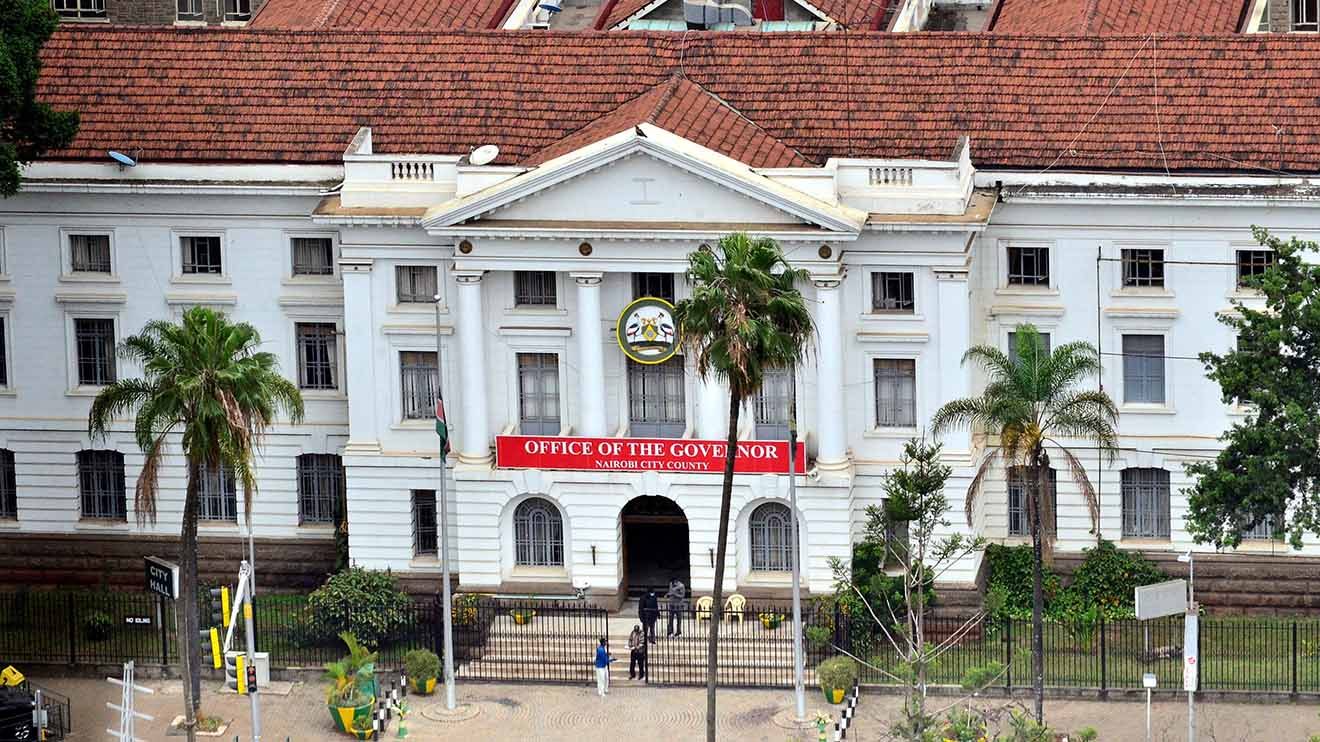
Nairobi — The depths of corruption at Nairobi’s City Hall continue to unravel, as explosive revelations expose a tangled web of impunity, land fraud, and unexplained wealth involving both senior and junior officials.
At the center of the scandal are City Hall planning director Patrick Amado Akivaga and junior procurement officer Wilson Nahashon Kanani, whose cases, though distinct, highlight a disturbing pattern: City Hall officials accused of massive corruption remain in office, untouched by accountability mechanisms.
While Akivaga is under intense scrutiny for allegedly facilitating irregular zoning approvals and colluding with developers to grab public land, the Kanani case has ignited fresh public outrage after it was revealed he continues to draw a salary despite being accused of amassing over KSh 643 million in unexplained wealth—more than 11,000 times his monthly salary of KSh 55,000.
A Culture of Protection
Sources inside City Hall describe an entrenched system where whistleblowers are silenced, court orders are ignored, and corruption suspects—regardless of the weight of allegations against them—are shielded by political godfathers and bureaucratic inertia.
Kanani, a junior procurement officer, came under investigation by the Ethics and Anti-Corruption Commission (EACC), which uncovered assets totaling over KSh 1.05 billion—linked to him, his spouse, and close associates.
Despite only being able to account for KSh 407 million, the High Court initially ruled in his favor, declining to order the forfeiture of the remaining KSh 643 million to the state.
The EACC immediately filed a Notice of Appeal, terming the High Court decision “a step backward in the fight against corruption.”
EACC Spokesperson Eric Ngumbi, speaking from Istanbul, warned that the ruling sets a dangerous precedent that could embolden corrupt public officials.
“Allowing this judgement to stand would make it easier for officials to loot and walk away untouched,” Ngumbi said.
“It undermines public trust and sends the wrong message about impunity.”
Public Fury and Legal Concerns
The fact that Kanani remains on the payroll despite the damning findings has sparked fury among residents and anti-corruption campaigners.
“This man is accused of hiding hundreds of millions in questionable assets, and yet he still walks into City Hall every day like nothing happened,” said a city-based advocate.
“This is a mockery of justice.”
Activists have demanded that Kanani step aside pending the conclusion of the appeal process, a demand echoed by constitutional lawyers who argue that public officials facing such serious allegations should not be allowed to continue exercising public power.
Planning Office Under Siege
Meanwhile, Akivaga’s case has exposed the rot in Nairobi’s planning department.
Investigations show how his office greenlit multi-million-shilling developments—including 15-storey buildings in areas zoned for low-density housing—in blatant disregard of regulations and public interest.
In some cases, public land meant for parks and social amenities was converted into private real estate ventures.
Court petitions against such projects, including the controversial Chinese Blissful Residence in Kilimani, indicate that Akivaga’s approvals often ignored legal procedures and stakeholder consultations.
Developers with connections to his office are said to have received preferential treatment, while others who failed to “play ball” were subjected to unnecessary delays, rejections, or threats.
Former City Hall staff claim Akivaga’s power was so unchecked that he operated like a “mini-governor,” with little regard for oversight.
A Broken System?
That both Kanani and Akivaga remain in office despite widespread condemnation is symptomatic of a systemic failure in Nairobi’s governance.
Critics say City Hall has become a haven for illicit deals, where personal enrichment takes precedence over public service.
“What we are seeing is not just about two individuals,” said a senior urban planner. “This is about a culture of impunity. When even junior officers can hide over a billion shillings in wealth and remain employed, what hope does Nairobi have?”
With pressure mounting on Governor Sakaja’s administration to act decisively, the public waits to see whether justice will finally catch up with the corruption cartels that have long plagued City Hall.
Kenya Insights allows guest blogging, if you want to be published on Kenya’s most authoritative and accurate blog, have an expose, news TIPS, story angles, human interest stories, drop us an email on [email protected] or via Telegram


Govt Plans to Monetise eCitizen Data in New Revenue Drive

Dennis Onyango: Why Raila Won Elections But Never Became President

Israel, Iran Trade Fire Despite Trump’s Call For Restraint

Dennis Onyango Lifts Lid on Raila’s Inner Circle, Says Sifuna Lost Baba’s Trust While Babu Was Viewed as a Threat

Sibling Rivalry? Cracks Emerge Within Linda Mwananchi

Instant Traffic Fines Still Active Despite Court Order, NTSA Clarifies

Why All Eyes Are On Gambling Authority CEO Peter Karimi As Kenya’s Betting Firms Race To Beat The June Licence Renewal Deadline

The Deal Behind Nairobi Animal Orphanage: Is This Really About Animals Or Billions In Prime Park Land

Iran Launches Missiles At Israel For First Time Since Mideast Truce

Rogue Developers, Engineers, Architects and City Hall Officials Charged Over Deadly Manzil Towers Collapse

Cement, Cash and Courts: How the Hashu Dynasty Crushed the Ramji Brothers for Fourteen Years and Why the Walls Are Now Closing In

Inside The Urban Planning Cartel That Owns Nairobi

Why Ruto’s Favourite Candidate Adan Mohammed Could Be Locked Out of the KRA Top Job

LifeCare on the Brink: SHA Fraud, Stolen Wages, and the Rotten Empire Jayesh Saini Built

Este Medical Kenya Fights American’s Explosive Complaints

The Rot Inside Absa: How Bank Insiders Are Looting Nairobi’s Customers

Inside FAFSA Fraud: How Kenyan Cybercriminals Siphoned Millions from America’s Sh12 Billion Student Loan System

Betika Faces DCI Probe, Directors Arrest and License Revocation Over Massive 29.5 Million Safaricom Customers’ Data Breach

Court Confirms Safaricom Customers Data Was Sold To Betting Companies In Seven-Year Cover-Up

Fresh Move Launched to Remove Kenya Railways MD Mainga From Office After Awarding Sh817 Million Consultancy Contract
-
 Investigations3 days ago
Cement, Cash and Courts: How the Hashu Dynasty Crushed the Ramji Brothers for Fourteen Years and Why the Walls Are Now Closing In
-
 Investigations2 days ago
Inside The Urban Planning Cartel That Owns Nairobi
-
 Investigations2 weeks ago
LifeCare on the Brink: SHA Fraud, Stolen Wages, and the Rotten Empire Jayesh Saini Built
-
 Investigations1 week ago
Betika Faces DCI Probe, Directors Arrest and License Revocation Over Massive 29.5 Million Safaricom Customers’ Data Breach
-
 Investigations3 days ago
Fresh Move Launched to Remove Kenya Railways MD Mainga From Office After Awarding Sh817 Million Consultancy Contract
-

 News1 week ago
Eight Students Arrested In Kenya After Suspected Deadly School Arson Attack
-

 News1 week ago
How Uhuru’s Deal With Obama In 2015 Paved Way For America’s Ebola Plan In Kenya
-

 Investigations2 weeks ago
The Invisible Hand: Al Jazeera Further Exposes How Safaricom Became The Regime’s Most Powerful Spy