
News
Boniface Mwangi Detained in Tanzania, Family Can’t Reach Him

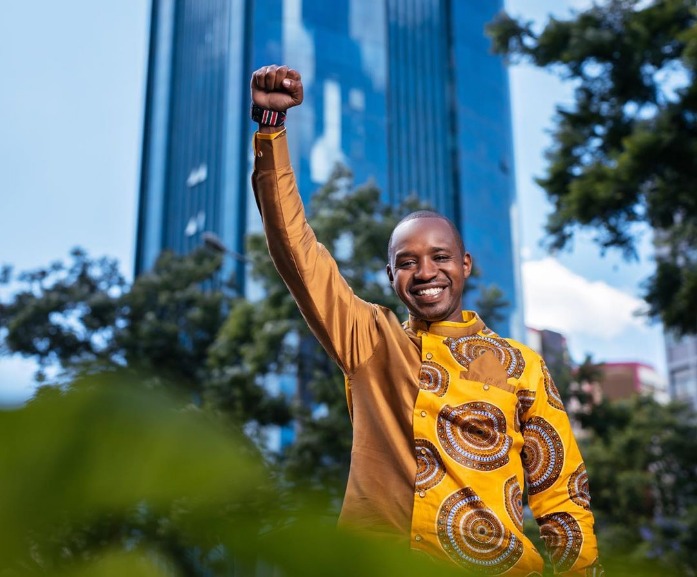
Boniface Mwangi, one of Kenya’s most outspoken activists, has been arrested in Tanzania, sparking outrage and concern across East Africa.
Mwangi was in Dar es Salaam to support Tanzanian opposition leader Tundu Lissu during his treason trial. His wife, Njeri Mwangi, says she has not been able to reach him since his detention.
The Tanzanian government has remained silent about his fate, fueling fears of rising political repression. With tensions growing in the region, Mwangi’s arrest is now at the center of a larger conversation about democracy and freedom in East Africa.
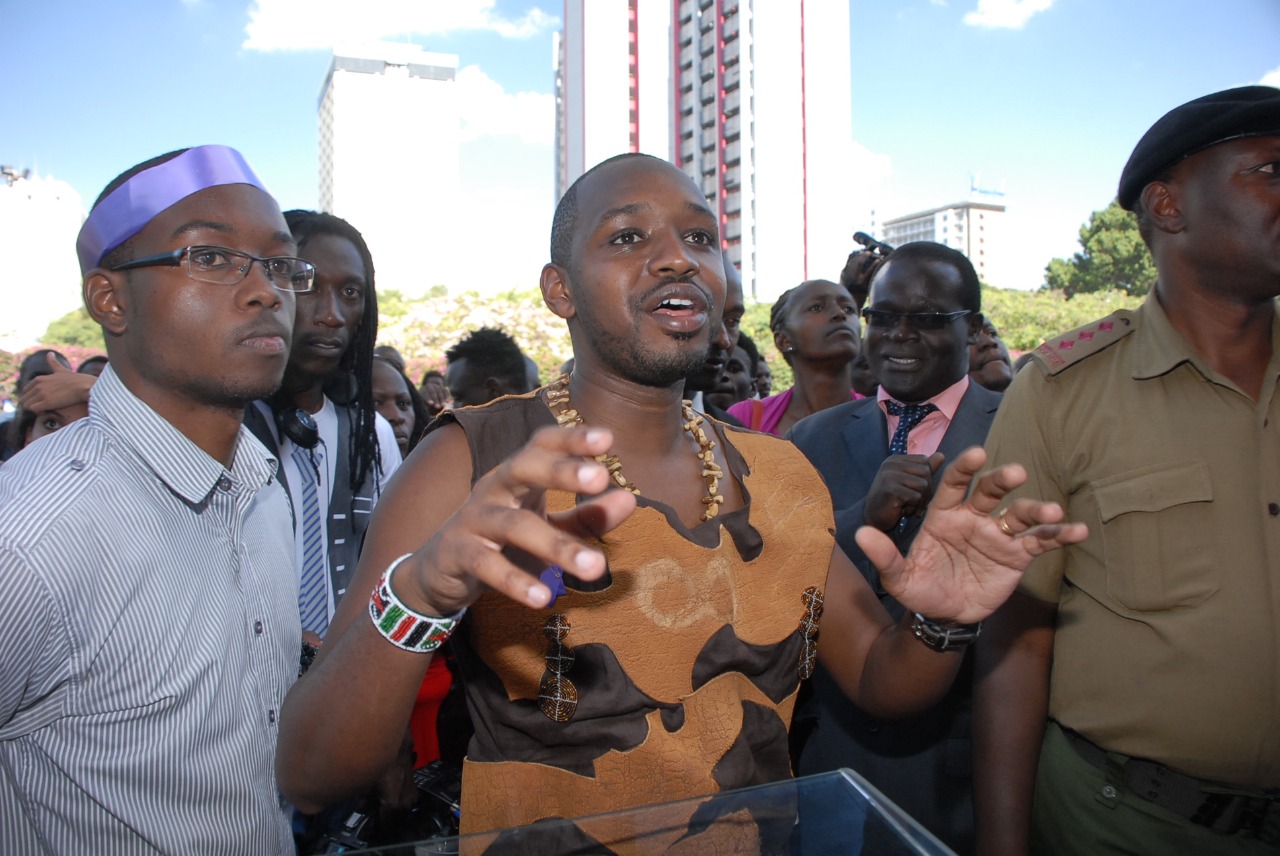
Lawyer Jebra Kambole confirmed that Boniface Mwangi (pictured) spent the night at the Central Police Station in Dar es Salaam. However, no official charges have been made public, and no communication has been allowed between Mwangi and his family. [Photo: Courtesy]
Boniface Mwangi Arrested in Tanzania While Supporting Opposition Leader
Boniface Mwangi, known for his fearless activism against corruption and police brutality in Kenya, was arrested on Monday, May 19, in Dar es Salaam, Tanzania. He had traveled there to show solidarity with Tanzanian opposition leader Tundu Lissu, who is facing treason charges. Mwangi was among several East African activists who attended the hearing.
His wife, Njeri Mwangi, told AFP that Boniface was taken from the Serena Hotel by Tanzanian authorities alongside Ugandan activist Agather Atuhaire. Since then, she has not been able to contact him. “I have been told they are waiting for the government of Tanzania to consult and decide whether to charge him or to deport him,” she said.
Lawyer Jebra Kambole confirmed that Mwangi spent the night at the Central Police Station in Dar es Salaam. However, no official charges have been made public, and no communication has been allowed between Mwangi and his family.
President Samia Suluhu Hassan stated on Monday that foreign activists would not be permitted to interfere in Tanzanian affairs. She directed security agencies to prevent “ill-mannered individuals from other countries” from crossing any lines in Tanzania.
The arrest has sparked concern among human rights organizations and civil society groups, who fear it marks another sign of shrinking democratic space in the region.
Tanzania Clamps Down on Regional Solidarity
Tundu Lissu’s Chadema party has been banned from participating in Tanzania’s upcoming October elections. The party had called for electoral reforms before the vote. As a result, the court case against Lissu has drawn wide attention from across the region.
Several foreign activists who attempted to attend Lissu’s hearing were denied entry. Kenyan politician and former presidential candidate Martha Karua was among them. She was deported shortly after landing in Tanzania.
Despite the crackdown, Karua later traveled to Uganda to represent opposition leader Kizza Besigye, who also faces treason charges. She shared online that she was able to enter Uganda without incident.
The Tanzanian government’s actions are seen by many as part of a broader effort to silence political opposition and discourage international scrutiny. Critics say that by arresting and deporting foreign allies, Tanzania is isolating activists and shielding its judiciary from external pressure.
Fears Grow Over Regional Authoritarian Shift
Boniface Mwangi’s arrest is not an isolated incident. Across East Africa, political repression appears to be on the rise. Uganda has detained key opposition figures, including Kizza Besigye, whose case bears similarities to that of Lissu in Tanzania.
Activists worry that East African leaders are using legal systems and national security claims to stifle dissent. The move to arrest Mwangi and others shows a trend of labeling peaceful observers as threats to national stability.
Mwangi’s detention also raises questions about the safety of activists who travel across borders to support democratic movements. While international solidarity has always played a role in pushing for reforms, governments like Tanzania’s are now treating it as unwanted foreign interference.
Mwangi’s case has captured public attention in Kenya, where many view him as a symbol of resistance and integrity. Local groups are now calling on the Kenyan government to demand his immediate release and ensure his safety.
As the region approaches key elections and court decisions, the fate of activists like Boniface Mwangi may define how far East African governments are willing to go to control their political narratives.
Kenya Insights allows guest blogging, if you want to be published on Kenya’s most authoritative and accurate blog, have an expose, news TIPS, story angles, human interest stories, drop us an email on [email protected] or via Telegram













Kenya Airways Sinks Into Deeper Turbulence As American Supplier Sues In New York Court Over Sh129 Million Unpaid Debts

Kenyan player wins a Ksh3.2 million jackpot

IEBC Sets August 10 Date For 2027 General Election

Furious Ruto Lashes Out at Gideon Moi Over Repeated ‘Blackmail, Extortionist’ Headlines on The Standard and KTN

Mombasa Gripped by ‘Male Organ Theft’ Panic as Social Media Fuels Mob Attacks and Fear

TOO MUCH PR, NOTHING TO SEE: How Gladys Wanga Built a Perfect Story of Transformation While Homa Bay Bled

Netanyahu Says Israel Must ‘Break Free from Dependence’ After Tensions With Trump Administration

Niger pulls Out Of International Criminal Court After Calling It Neo-Colonialist

Kenya Awards Sh154 Billion JKIA Upgrade Tender To Chinese Firm CRBC

The Untouchable: How KURA’s Silas Kinoti Has Survived A Decade Of Corruption Storms While Kenya’s Roads Bled

Businessman Philip Waithaka Kinuthia’s Minor Son Allegedly Drove Drunk, Killed Two Peponi Students in Ngong Road Horror Crash as Claims of Cover-Up Intensify

Inside NCBA’s Decline: How a Banking Giant Lost Its Strategic Edge

South Sudan: Adut Salva Kiir’s Shadow Treasury Exposed

Cement, Cash and Courts: How the Hashu Dynasty Crushed the Ramji Brothers for Fourteen Years and Why the Walls Are Now Closing In

Standard Chartered Ghosts Haunt Joshua Oigara At Stanbic As Whistleblower Spills Beans

Inside The Urban Planning Cartel That Owns Nairobi

THE VULTURE AND THE SCHEME How Nairobi West Hospital Became the Most Dangerous Institution in Kenya’s SHA Ecosystem and Why the Books Must Be Audited Now

The President’s Daughter and The Missing Witness: How Adut Salva Kiir’s Shadow Treasury Silenced Its Most Dangerous Critic

How Adil Popat Saved His Empire On The Eve Of Imperial Bank Collapse and Why Kenya’s Mainstream Media Buried The Story

Why John Ngumi Is Running From the EACC and Why the Sh415 Million Payday May Be the Least of His Worries
-
 News1 week ago
Businessman Philip Waithaka Kinuthia’s Minor Son Allegedly Drove Drunk, Killed Two Peponi Students in Ngong Road Horror Crash as Claims of Cover-Up Intensify
-
 Africa2 weeks ago
South Sudan: Adut Salva Kiir’s Shadow Treasury Exposed
-
 Investigations6 days ago
THE VULTURE AND THE SCHEME How Nairobi West Hospital Became the Most Dangerous Institution in Kenya’s SHA Ecosystem and Why the Books Must Be Audited Now
-
 Business2 weeks ago
How Adil Popat Saved His Empire On The Eve Of Imperial Bank Collapse and Why Kenya’s Mainstream Media Buried The Story
-
 Business2 weeks ago
Why John Ngumi Is Running From the EACC and Why the Sh415 Million Payday May Be the Least of His Worries
-
 Business3 days ago
BURRIED TWICE: The Victoria Bank CEO Yogesh Pattni Files
-
 Business6 days ago
Inside the Billion-Shilling Betrayal: How Senior Treasury Officials Plundered a UN Poverty Fund and Built a Real Estate Empire on the Backs of Kenya’s Rural Poor
-

 Business1 week ago
The Listing That Doesn’t Lie: What the Market Isn’t Saying About Family Bank’s NSE Debut