
News
Analo Was Just the Tip of the Iceberg: Alai Names Powerful Nairobi Planning Cartel Linked to City Hall
For years, residents in Kileleshwa, Kilimani, Lavington, Riverside, Parklands and Westlands have complained about high-rise developments springing up in areas originally designed for low-density residential living.

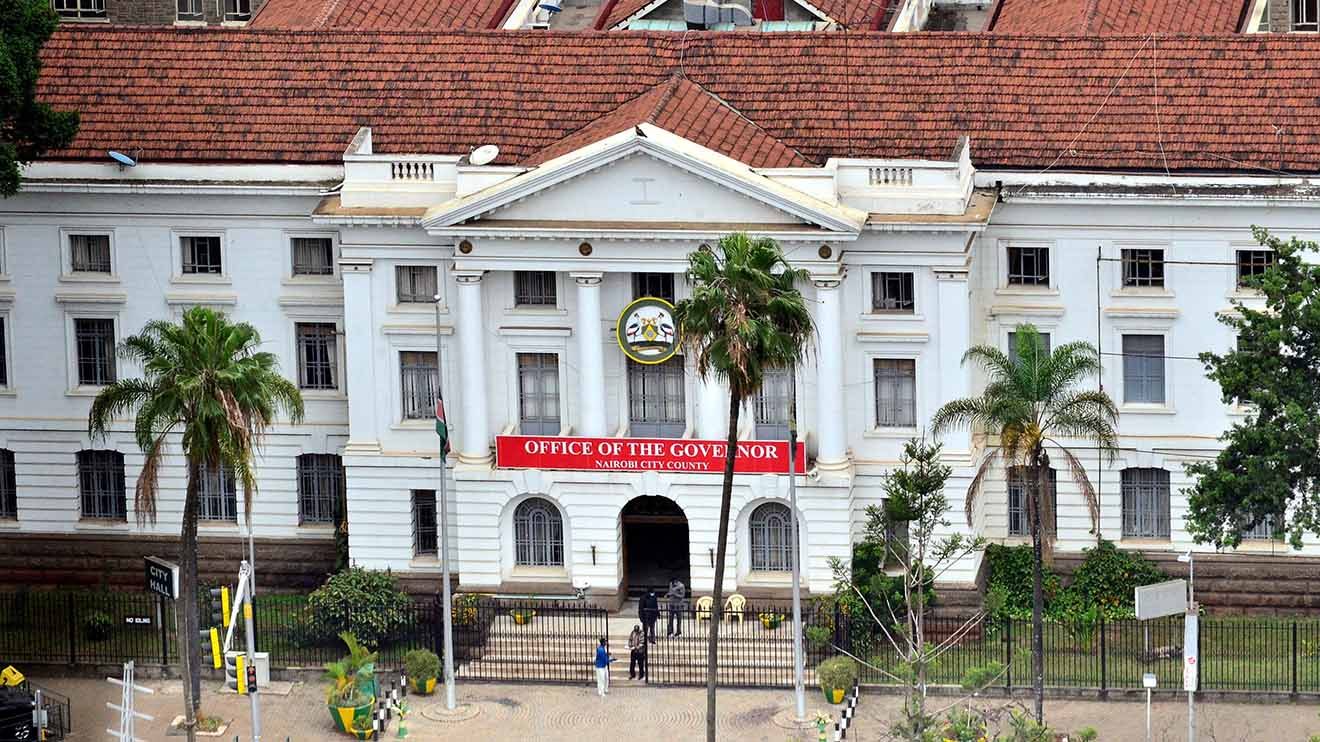
The dramatic fall of suspended Nairobi Urban Planning Chief Officer Patrick Analo has opened a window into what critics describe as one of the most powerful and destructive networks ever to operate within City Hall.
What began as an anti-corruption raid that uncovered Sh65.3 million in cash at Analo’s Syokimau residence is rapidly evolving into a much bigger story. A story about who truly controls development approvals in Nairobi and how entire neighbourhoods may have been transformed through a system residents have long described as opaque, compromised and resistant to accountability.
For years, residents in Kileleshwa, Kilimani, Lavington, Riverside, Parklands and Westlands have complained about high-rise developments springing up in areas originally designed for low-density residential living.
The complaints have followed a familiar pattern.
A developer acquires a plot in a quiet residential estate. Residents object. Questions are raised about infrastructure capacity, sewer systems, water supply, parking and traffic management. Yet somehow approvals are granted and construction proceeds.
In many cases, residents lose in the end.
Now, following the EACC raid on Analo’s home, Kileleshwa MCA Robert Alai claims the public is only seeing one face of a much larger network.
“Patrick Analo was not operating alone,” Alai declared in a blistering statement that has intensified pressure on Governor Johnson Sakaja’s administration.
According to Alai, the planning chief was merely one component of what he describes as a deeply entrenched cartel operating within Nairobi’s urban planning and development approval system.
The accusations are extraordinary.
Alai alleges that several officials and former officials have repeatedly featured in complaints submitted by residents, professionals and stakeholders over alleged manipulation of planning processes, zoning changes and abuse of office. He specifically named Frederick Ochanda, Tom Achar, Osman Khalif and Dominic Mutegi among individuals he believes should face scrutiny.

Osman Khalif
No evidence has yet been publicly presented linking those officials to criminal wrongdoing, and none has publicly responded to the allegations. However, Alai insists that investigators must look beyond Analo if meaningful reforms are to occur.
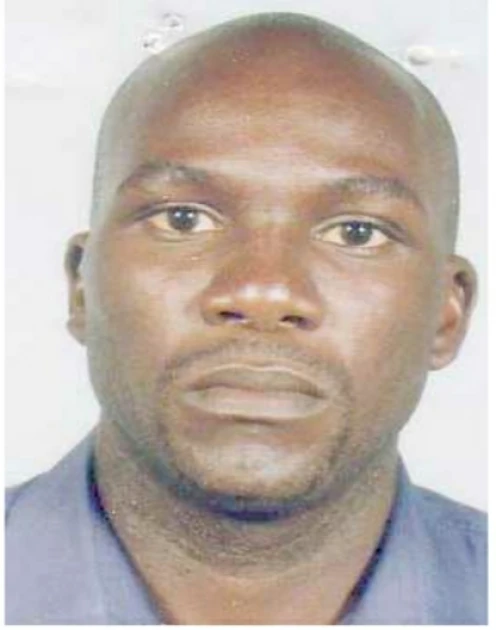
Fredrick Ochanda
His statement reflects frustrations that have simmered for years among residents who have watched neighbourhood skylines transformed by aggressive development.
At the centre of the controversy is Nairobi’s powerful Urban Planning Department.
The office controls some of the most valuable approvals in Kenya’s real estate sector. Building permits, development approvals, change-of-user applications and zoning decisions can determine whether a project succeeds or fails.
The financial stakes are enormous.
That is why the discovery of millions of shillings in cash at Analo’s residence has sent shockwaves through the property industry. EACC investigators recovered Sh51.3 million and an additional USD 113,000 during searches linked to corruption and unexplained wealth investigations. Authorities also seized development approval plans, title deeds, electronic devices and numerous documents.
The anti-graft agency alleges that Analo received more than Sh170 million through suspicious cash and M-Pesa transactions between the 2019/20 and 2025/26 financial years and is investigating possible offences including bribery, abuse of office, money laundering and possession of unexplained wealth.
For many Nairobi residents, the investigation confirms long-held suspicions about how lucrative the city’s planning approval ecosystem has become.
Critics argue that the consequences extend far beyond corruption.
Poorly planned developments have been blamed for worsening traffic congestion, overloading sewer systems, reducing green spaces and straining already overstretched public infrastructure.
In several parts of Nairobi, concerns have also been raised about building safety standards and enforcement failures. Engineers and urban planners have repeatedly warned that weak oversight creates opportunities for substandard construction practices that can place lives at risk.
Alai argues that the problem extends beyond development approvals.
He is also demanding investigations into Nairobi’s Outdoor Advertising Department, accusing it of allowing uncontrolled billboard proliferation that has transformed parts of the city into what he calls a visual dumping ground.
The MCA is now demanding a comprehensive audit of approvals issued in some of Nairobi’s most heavily developed neighbourhoods. He wants occupation certificates reviewed, planning approvals re-examined and public participation processes independently verified.
Perhaps most significantly, he has openly challenged Governor Sakaja to prove that the county is serious about reform.
Although Sakaja has suspended Analo and restructured the Urban Planning Technical Committee following EACC recommendations, critics argue that removing one official will not address systemic problems if broader networks remain intact.
The governor has publicly stated that corruption has no place in public service and pledged full cooperation with investigators. He also appointed Dominic Mutegi as acting Chief Officer for Urban Planning while investigations continue.
Yet the political pressure continues to grow.
For many residents, the question is no longer whether corruption existed within Nairobi’s planning system.
The question is how deep it goes.
If investigators follow the money trail, scrutinise approval records and examine years of resident complaints, they could uncover one of the most consequential governance scandals in Nairobi’s recent history.
The EACC investigation may have started with Patrick Analo.
But if Alai’s allegations are accurate, the real story has only just begun.
And for a city struggling under the weight of rapid, often chaotic urbanisation, the outcome could determine whether Nairobi finally confronts the forces that have shaped its skyline for years or whether another scandal fades without accountability.
Kenya Insights allows guest blogging, if you want to be published on Kenya’s most authoritative and accurate blog, have an expose, news TIPS, story angles, human interest stories, drop us an email on [email protected] or via Telegram




Putin Rejects Zelensky Meeting Proposal

Burkina Faso Junta Intensifies Crackdown on Critics

Analo Was Just the Tip of the Iceberg: Alai Names Powerful Nairobi Planning Cartel Linked to City Hall

Ruto Reshuffles Military Leadership, Names Major General John Nkoimo Deputy Army Commander

SUPREMO: How Simba Arati’s Wife Is Running Kisii County From Her Home With Terror

Why Is a US Ebola Facility in Kenya Sparking Protests?

10 Million Kenyans’ Personal Data Allegedly Being Sold on Dark Web in Chilling New Cybersecurity Scare

Cement, Cash and Courts: How the Hashu Dynasty Crushed the Ramji Brothers for Fourteen Years and Why the Walls Are Now Closing In

Fresh Move Launched to Remove Kenya Railways MD Mainga From Office After Awarding Sh817 Million Consultancy Contract

Ruto Says US Plan To Build Ebola Facility In Kenya Is The ‘Right Thing’

Why Ruto’s Favourite Candidate Adan Mohammed Could Be Locked Out of the KRA Top Job

LifeCare on the Brink: SHA Fraud, Stolen Wages, and the Rotten Empire Jayesh Saini Built

Este Medical Kenya Fights American’s Explosive Complaints

Safaricom’s Sh1.4 Billion Reckoning: How Kenya’s Most Profitable Company Stole a Man’s Idea and Got Caught

The Rot Inside Absa: How Bank Insiders Are Looting Nairobi’s Customers

THE INSURER THAT TOOK YOUR PREMIUM AND FORGOT YOUR NAME: How ICEA Lion Left a Client Begging for Sh7.8 Million Across Four Months

Denial Under Duress: The Untold Collapse Threatening David Lagat’s DL Group’s Empire

Inside FAFSA Fraud: How Kenyan Cybercriminals Siphoned Millions from America’s Sh12 Billion Student Loan System

Court Confirms Safaricom Customers Data Was Sold To Betting Companies In Seven-Year Cover-Up

Eight Students Arrested In Kenya After Suspected Deadly School Arson Attack
-
 Investigations2 weeks ago
LifeCare on the Brink: SHA Fraud, Stolen Wages, and the Rotten Empire Jayesh Saini Built
-
 News2 weeks ago
Este Medical Kenya Fights American’s Explosive Complaints
-
 Americas2 weeks ago
Inside FAFSA Fraud: How Kenyan Cybercriminals Siphoned Millions from America’s Sh12 Billion Student Loan System
-
 News1 week ago
Eight Students Arrested In Kenya After Suspected Deadly School Arson Attack
-

 Investigations5 days ago
Betika Faces DCI Probe, Directors Arrest and License Revocation Over Massive 29.5 Million Safaricom Customers’ Data Breach
-

 News6 days ago
How Uhuru’s Deal With Obama In 2015 Paved Way For America’s Ebola Plan In Kenya
-

 Investigations2 weeks ago
LSK On The Spot For Renewing Rogue Lawyer Dennis Onyango’s Licence Despite Mounting Evidence He Held Foreign Investors’ Millions Hostage
-

 Investigations1 week ago
The Invisible Hand: Al Jazeera Further Exposes How Safaricom Became The Regime’s Most Powerful Spy