
Investigations
Questions As KETRACO Deletes Details of Sh24 Billion Deal To Power SGR Trains That Never Was
Eight years after fanfare announcement, Standard Gauge Railway still runs on diesel as government agency scrubs website clean of embarrassing electrification promises

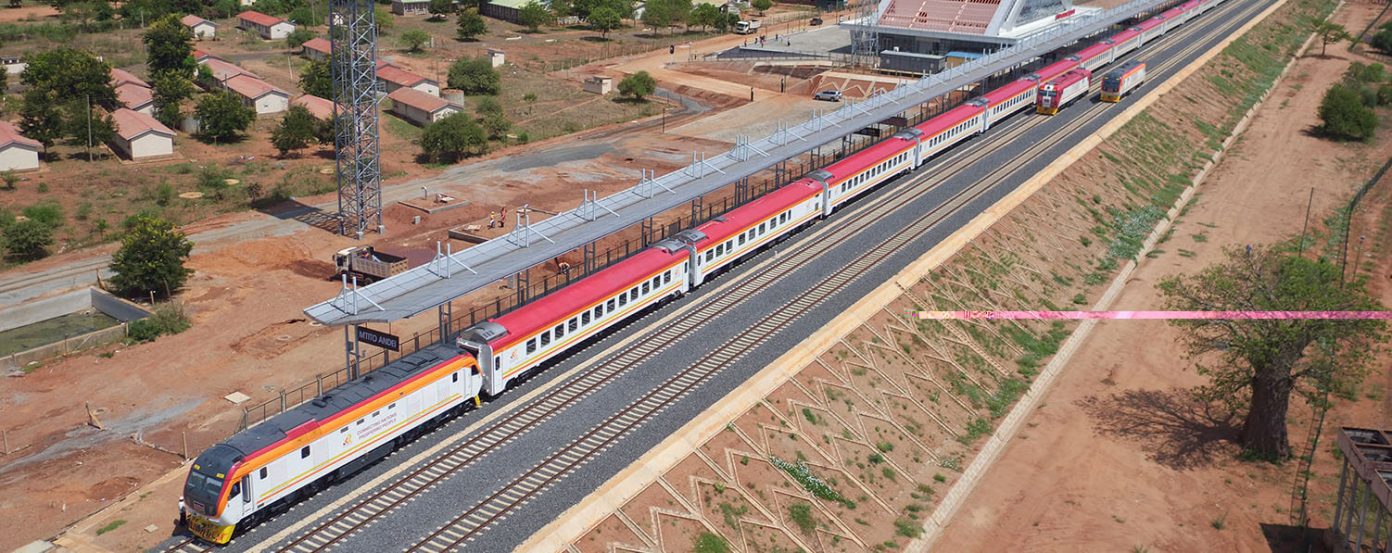
In what appears to be a desperate attempt to erase the evidence of yet another white elephant project, the Kenya Electricity Transmission Company Limited has quietly deleted key pages from its website detailing the Sh24.2 billion contract meant to electrify Kenya’s Standard Gauge Railway.
The vanished webpage, which once proudly announced the January 2018 signing of a $240 million deal with China Electric Power Equipment and Technology Company Limited, promised that electric trains would be running on the Mombasa-Nairobi line by 2021.

Screenshot of the deleted page.
It is now 2026, and the SGR still chugs along on expensive diesel, belching fumes and burning through operational costs that were supposed to have been slashed by cleaner, cheaper electricity.
The deletion raises uncomfortable questions about transparency and accountability at KETRACO, coming at a time when Auditor General Nancy Gathungu has exposed a staggering Sh4 billion in unpaid compensation to landowners whose properties were acquired for various transmission projects across the country.
The SGR electrification project appears to have joined a long list of ambitious infrastructure promises that evaporated into thin air, taking billions of taxpayer shillings with them.
THE GRAND PROMISE
When then KETRACO Managing Director Fernandes Barasa put pen to paper on that January morning in 2018, the mood was celebratory.
Government officials and Chinese contractors posed for photographs, marking what was hailed as a major step toward modernizing Kenya’s flagship infrastructure project.
The contract stipulated construction of 14 substations along the 472-kilometer stretch between the port city and the capital, with completion expected within 28 months.
Barasa, writing in a local daily at the time, painted an ambitious picture of the project’s transformative potential.
He spoke of zero carbon emissions through geothermal-powered transmission lines, of faster trains, of economic corridors blooming along the railway line, of cheaper transport costs for the common mwananchi. The article read more like a manifesto than a sober technical assessment of the project’s viability.
But skeptics existed even then. Kenya Railways Corporation Managing Director Atanas Maina had publicly expressed doubts about the country’s capacity to sustain an electric railway, citing unreliable power supply and lack of financing. His warnings, dismissed at the time as pessimism, would prove prescient.
THE MAN AT THE CENTRE
Fernandes Barasa’s tenure at KETRACO has been nothing if not controversial.
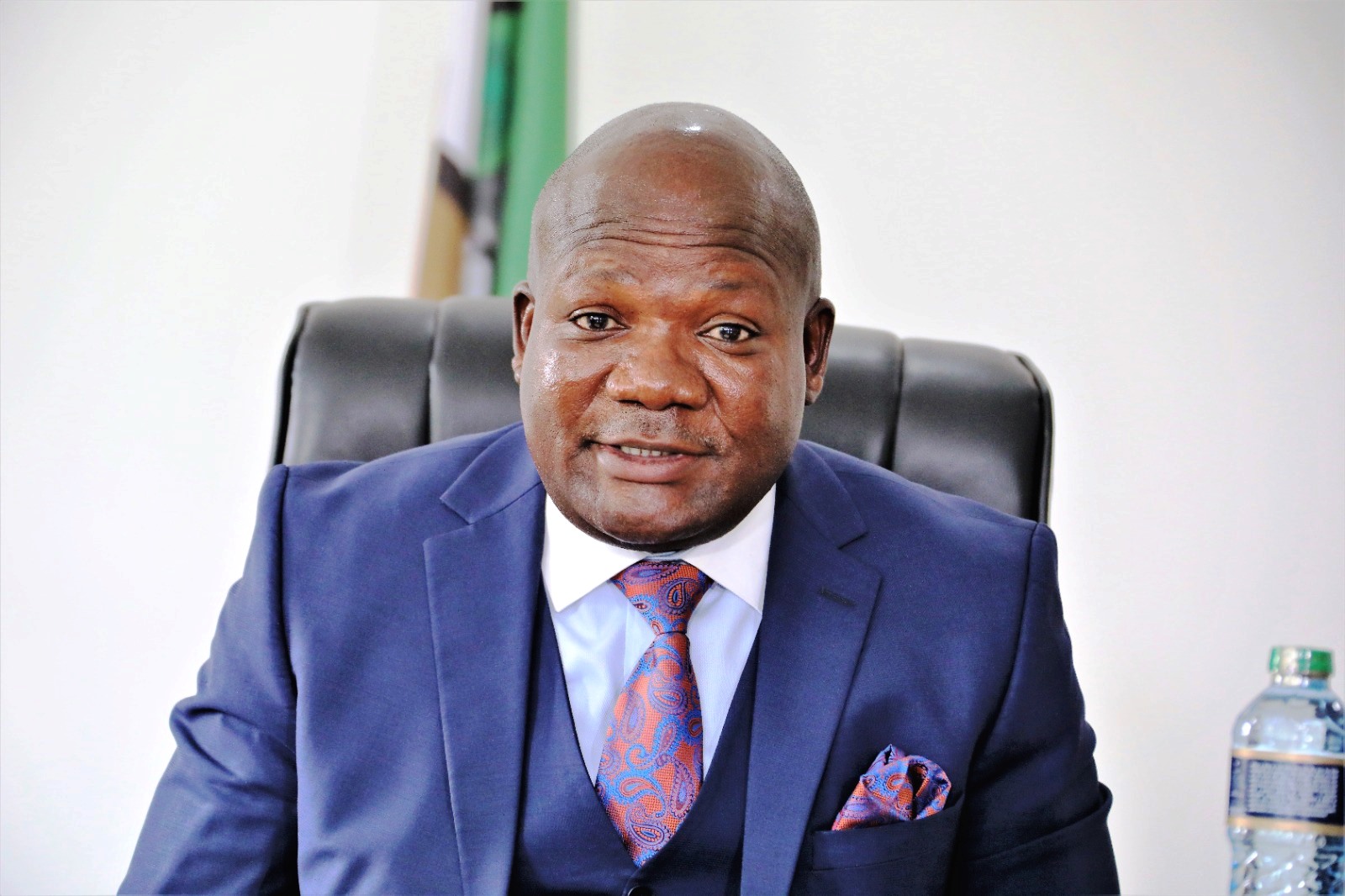
Fernandes Barasa
The current Kakamega Governor, who resigned from the transmission company in February 2022 just before appearing before Parliament’s Public Investment Committee, left behind a trail of questionable deals and unexplained losses.
The Ethics and Anti-Corruption Commission has repeatedly summoned him to answer for the Sh18 billion lost to penalties in the Lake Turkana Wind Power project, where delays in completing transmission lines cost taxpayers dearly.
He spent two marathon days at EACC headquarters in November 2022, grilled for over 12 hours each day about suspected fraudulent transactions and mismanagement during his watch.
Then there was the Sh785 million in excess payments to Lake Turkana Wind Power that Parliament wanted explained.
And mysterious payments to wrong accounts that nobody seemed able to trace. Barasa resigned strategically, citing constitutional requirements for public servants seeking elective office, but many saw it as a convenient escape from accountability.
Now add to this litany the ghost of the SGR electrification project, a Sh24.2 billion contract that produced nothing except deleted web pages and unanswered questions.
THE CURIOUS CLARIFICATION
In what reads like an admission of deception, KETRACO issued a curious “clarification” shortly after the initial euphoria of the 2018 contract signing.
The agency quietly revealed that what had been trumpeted as a done deal was merely a commercial contract, not a financing agreement.
The contract would only become effective after the National Treasury signed a financing agreement with prospective lenders.
That financing agreement, it turns out, never materialized.
“KETRACO has not borrowed any loan for the electrification of the SGR Project,” the agency admitted in its damage control statement. This was a far cry from the triumphant tones of Barasa’s opinion piece that had celebrated the project as if trains were about to start running on electricity the next day.
The question that nobody at KETRACO wants to answer is simple but devastating.
Why announce a Sh24.2 billion contract with such fanfare if the money to implement it did not exist? Was this a calculated deception meant to burnish the agency’s image, or was it incompetence of breathtaking proportions?
COMPARATIVE EMBARRASSMENT
The failure of Kenya’s SGR electrification looks even more embarrassing when compared to regional peers. Ethiopia built a 750-kilometer electric railway line from Addis Ababa to Djibouti at a cost of $3.4 billion and completed it in 2016. Morocco’s high-speed rail, Africa’s first, connects Tangier and Casablanca at speeds of up to 320 kilometers per hour and has been operational since 2018.
Even Tanzania, often dismissed as playing catch-up to Kenya’s economy, is planning its SGR with electrification built into the original design.
Meanwhile, Uganda’s planned electric SGR threatens to create an operational nightmare for Kenya. As things stand, Kenya’s diesel locomotives would not be able to operate seamlessly in Ugandan territory if Kampala proceeds with its electric standard.
The integration problems this creates could effectively lock Kenya out of the very regional connectivity that the SGR was meant to facilitate.
Kenya spent a staggering Sh447 billion on a 472-kilometer diesel railway while Ethiopia spent Sh346 billion on a 750-kilometer electric one. The mathematics of this disparity should trouble every Kenyan taxpayer.
WHERE DID THE MONEY GO?
The bigger question hovering over the deleted webpage is not just about a failed electrification project.
It is about the entire ecosystem of inflated contracts, dubious procurement processes, and vanishing funds that has characterized Kenya’s infrastructure development under Chinese financing.
KETRACO’s own contradictory statements raise red flags. If the contract signed in 2018 was merely commercial and not backed by actual financing, what were the Sh24.2 billion meant to cover? Who conducted the due diligence before the signing ceremony? Who approved the public announcement of a deal that hinged on financing that had not been secured?
The then transport Cabinet Secretary James Macharia effectively killed the project in 2018 when he told Parliament that Kenya lacked both the guaranteed power supply and the financial capacity to support such expensive infrastructure. “We need at least 80 percent guaranteed supply to even think of upgrading SGR to an electric rail,” he said, adding that KETRACO itself lacked the equipment and expertise for the job.
These realities were known in January 2018 when Barasa was signing contracts and writing opinion pieces.
Yet the charade continued, with taxpayers none the wiser about the technical and financial impossibilities standing in the way of implementation.
THE PATTERN OF DECEIT
The deleted KETRACO webpage is not an isolated incident.
It fits a troubling pattern of government agencies announcing grand projects, holding expensive launch ceremonies, and then quietly shelving the initiatives when public attention wanes.
The evidence of the initial promises is scrubbed from official records, leaving citizens with no paper trail to hold anyone accountable.
This approach thrives on short public memory and bureaucratic opacity. By the time questions start being asked, the officials responsible have moved on to other positions, or like Barasa, have ascended to elected office where they enjoy political protection from prosecution.
The SGR itself continues to hemorrhage money. Recent reports indicate the railway made billions in losses as it struggles to attract sufficient cargo and passenger traffic to justify its existence.
Adding the cost of diesel fuel to already bloated operational expenses only compounds the financial disaster.
An electric railway, powered by Kenya’s abundant geothermal energy, would have addressed at least part of this problem.
UNANSWERED QUESTIONS
As KETRACO’s website administrators quietly hit the delete button, hoping the embarrassing history would disappear into the digital ether, several questions cry out for answers.
Who authorized the deletion of the webpage? Was this done with the knowledge and approval of current management, or was it a rogue decision by lower-level staff trying to cover tracks? Why delete the page now, eight years after the contract was signed, unless there are new pressures or investigations that make the existence of that evidence problematic?
What happened to the 14 substations that were supposed to be constructed? Was any preliminary work done? Were any funds disbursed to the Chinese contractor? If so, how much, and where did that money go if no substations were built?
Where is China Electric Power Equipment and Technology Company Limited in all this? Did they attempt to hold the Kenyan government to the terms of the contract? Did they demand compensation for a contract that was signed but never implemented? Or was the entire thing understood from the beginning to be a paper exercise, a smoke-and-mirrors show to create the illusion of progress?
THE SILENCE IS DEAFENING
Citizen Weekly sought comment from KETRACO’s current Acting Managing Director Kipkemoi Kibias about the deleted webpage and the fate of the electrification contract.
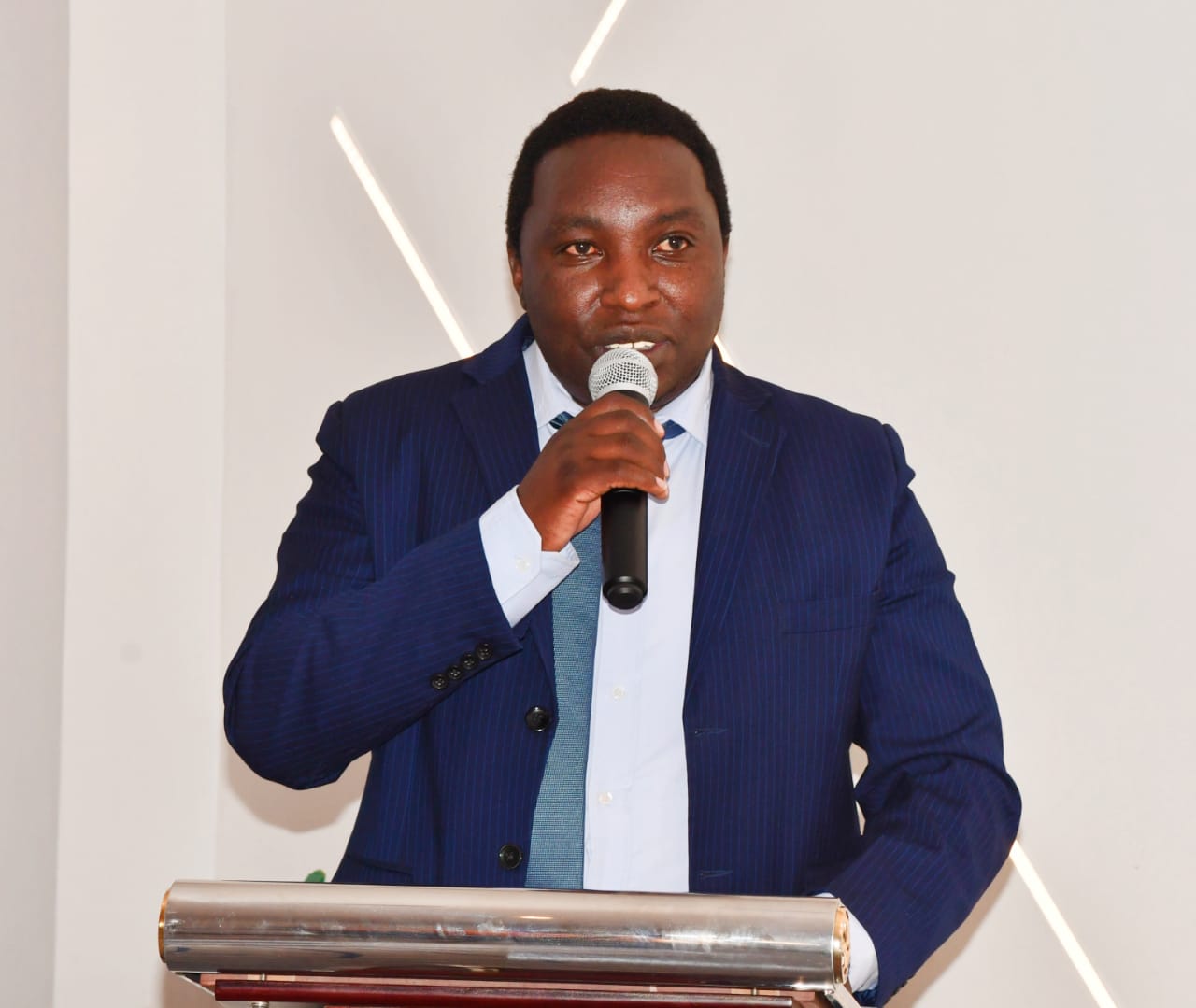
Eng. Kipkemoi Kibias, Acting Managing Director & Chief Executive Officer
Our calls and emails went unanswered.
The agency’s head of communications, Winnie Osika, who has been defending KETRACO’s record on the delayed landowner compensation, did not respond to specific questions about the SGR project.
Fernandes Barasa, now serving as Kakamega Governor and recently confirmed as ODM county chairman, was equally unreachable for comment. His office referred us to KETRACO, saying he no longer had responsibilities for the agency’s operations.
China Electric Power Equipment and Technology Company Limited has no public presence in Kenya beyond that 2018 signing ceremony. Their local representatives could not be traced, and the company has not issued any statement about the failed project.
This wall of silence is its own answer. When questioned about regular operational matters, government agencies are quick to issue statements and clarifications. When the questions touch on potential scandals involving missing billions, suddenly nobody is available to speak.
The deleted KETRACO webpage is a small detail in a much larger story about governance failure and the waste of public resources.
It represents the gap between what government tells citizens and what actually happens. It shows how easily promises can be made, contracts signed, and money allocated, all without any intention or capacity to deliver.
For ordinary Kenyans, the message is clear and disheartening. The SGR they were told would revolutionize transport will continue running on expensive diesel.
The cleaner, faster, cheaper electric trains will remain a pipe dream. The Sh24.2 billion that could have gone to schools, hospitals, or roads has vanished into the black hole of abandoned projects and dubious contracts.
Meanwhile, Barasa has moved on to bigger things, wielding political power in Kakamega while dodging corruption investigators.
The Chinese contractors have presumably found other countries with more reliable governments to do business with. KETRACO continues announcing new projects, hoping nobody notices the graveyard of previous promises.
The deleted webpage is gone, but the questions it raises will not disappear so easily. Kenyans deserve to know what happened to their Sh24.2 billion. They deserve accountability for the grand promises that turned out to be lies.
They deserve an honest explanation of why, eight years later, they are still watching diesel trains crawl along tracks that were supposed to be powered by clean electricity.
Until those answers come, the digital ghost of that deleted webpage will continue to haunt KETRACO and everyone involved in this shabby affair. You can delete the evidence, but you cannot delete the truth.
This investigation is ongoing. Kenya Insights continues to seek responses from KETRACO, the National Treasury, and other relevant parties. Updates will be published as new information becomes available.
SIDEBAR: THE COST OF BROKEN PROMISES
The SGR electrification debacle is estimated to have cost Kenya:
– Sh24.2 billion in the announced contract value
– Undisclosed amounts in preliminary studies and consultations
– Lost savings from continued diesel operations vs. projected electric costs
– Environmental costs from continued carbon emissions
– Reputational damage affecting other infrastructure projects
– The opportunity cost of Sh24.2 billion that could have been invested elsewhere
The human cost includes:
– Landowners still waiting for compensation from KETRACO’s various projects
– Citizens facing higher transport costs than projected
– Communities along the SGR corridor denied promised development opportunities
– Loss of public trust in government infrastructure promises
Total damage: Incalculable, but devastating to Kenya’s development aspirations
Kenya Insights allows guest blogging, if you want to be published on Kenya’s most authoritative and accurate blog, have an expose, news TIPS, story angles, human interest stories, drop us an email on [email protected] or via Telegram











The Oil Company That Bankrolled a Private Hospital: How Bernard Amuor Makeny Allegedly Turned Nilepet Into His Personal ATM

Death Deferred: How Kenya’s Government Is Bending Aviation Law to Shield the Rogue Developers Strangling Wilson Airport

Hit South African Show Gets The World Talking About Polygamy and Cheating

South Sudan: Fifteen Years of Independence, US$70 Billion in Oil Wealth and GDP Per Capita Cut by Two-Thirds

COFEK Escalates Bid to Oust Gambling Boss Karimi as Fresh Court Battle Puts GRA Leadership Under Siege

Desperate Family Pleads For Ruto’s Help After Safaricom Defies Court Order in Son’s Murder, Exposing Deeper Data Privacy Crisis

Nyali MP Moha Jicho Pevu Caught Up In Alleged Sh44 Million KPA Debt Scam

Somalia Deputy PM Held at JKIA, Deported Over Questionable Acquisition of Kenyan Passport

The White-Coat Heist: How MP Shah Hospital Ran a Decade-Long Double-Extraction Racket While Hiding Behind Charity Status

The Patriarch, His Children, and a Buried Sh3.9 Billion Fraud: The Story of Titus Muya That Kenya Was Never Meant to Read

Businessman Philip Waithaka Kinuthia’s Minor Son Allegedly Drove Drunk, Killed Two Peponi Students in Ngong Road Horror Crash as Claims of Cover-Up Intensify

Inside NCBA’s Decline: How a Banking Giant Lost Its Strategic Edge

South Sudan: Adut Salva Kiir’s Shadow Treasury Exposed

Cement, Cash and Courts: How the Hashu Dynasty Crushed the Ramji Brothers for Fourteen Years and Why the Walls Are Now Closing In

Standard Chartered Ghosts Haunt Joshua Oigara At Stanbic As Whistleblower Spills Beans

Inside The Urban Planning Cartel That Owns Nairobi

THE VULTURE AND THE SCHEME How Nairobi West Hospital Became the Most Dangerous Institution in Kenya’s SHA Ecosystem and Why the Books Must Be Audited Now
The Patriarch, His Children, and a Buried Sh3.9 Billion Fraud: The Story of Titus Muya That Kenya Was Never Meant to Read

The President’s Daughter and The Missing Witness: How Adut Salva Kiir’s Shadow Treasury Silenced Its Most Dangerous Critic

How Adil Popat Saved His Empire On The Eve Of Imperial Bank Collapse and Why Kenya’s Mainstream Media Buried The Story
-
 News2 weeks ago
Businessman Philip Waithaka Kinuthia’s Minor Son Allegedly Drove Drunk, Killed Two Peponi Students in Ngong Road Horror Crash as Claims of Cover-Up Intensify
-
 Investigations1 week ago
THE VULTURE AND THE SCHEME How Nairobi West Hospital Became the Most Dangerous Institution in Kenya’s SHA Ecosystem and Why the Books Must Be Audited Now
-
 Business1 day ago
The Patriarch, His Children, and a Buried Sh3.9 Billion Fraud: The Story of Titus Muya That Kenya Was Never Meant to Read
-
 Business5 days ago
BURRIED TWICE: The Victoria Bank CEO Yogesh Pattni Files
-
 Business1 week ago
Inside the Billion-Shilling Betrayal: How Senior Treasury Officials Plundered a UN Poverty Fund and Built a Real Estate Empire on the Backs of Kenya’s Rural Poor
-
 Business2 weeks ago
The Listing That Doesn’t Lie: What the Market Isn’t Saying About Family Bank’s NSE Debut
-

 Business1 week ago
The Banker Who Walked Away: How Yogesh Pattni Survived a Financial Crime Scandal That Shook Kenya
-
 News1 week ago
My Life Is In Danger: Investor Drops Bombshell Expose On Thomas Ogutu CEO VeGrid Ltd And Fugitive Nairobi CEC Charles Kerich – DCI Inaction And Corruption Network Exposed