
News
PSC Raises Retirement Age For Lecturers, Researchers To 70
Some students argue that with professors and senior lecturers staying longer in their positions, opportunities for fresh graduates and young researchers may become more limited.

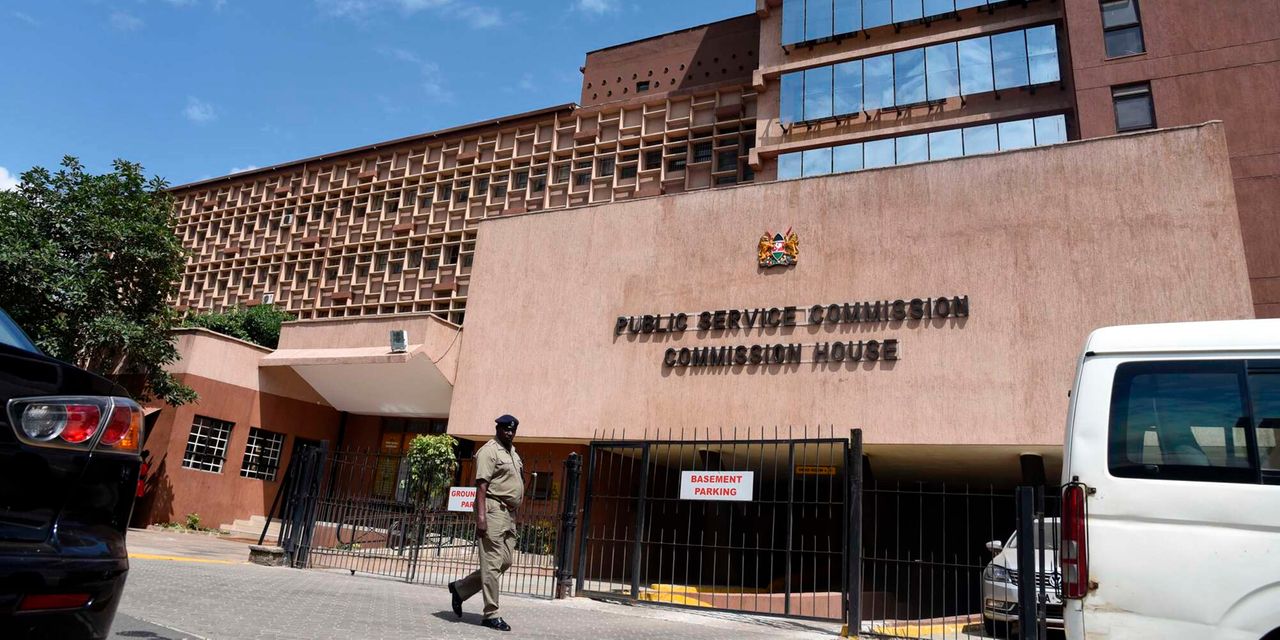
The Public Service Commission has issued new retirement age guidelines for academic, research and non-teaching staff in public universities and research institutions, setting different limits based on rank, employment type and disability status.
Under the new framework, academic and research staff will retire between the ages of 60 and 75, depending on their position and whether they are registered as persons living with disability.
In a circular addressed to cabinet secretaries, principal secretaries, university councils, vice chancellors, state corporations, the registrar of the Judiciary and the Auditor General, PSC CEO Paul Famba said the changes are intended to streamline retirement policies.
“The Constitution places the mantle of human resource management in the Public Service on the Public Service Commission. This includes ensuring the public service is efficient and effective, reviewing and making recommendations to the national government on conditions of service and qualifications for public officers,” Famba said.
He said Section 70(1)(c) of the Public Service Commission Regulations, 2020 gives the commission the authority to determine the mandatory retirement age for lecturers and research scientists in public universities and research institutions in consultation with the institutions.
“The mandatory retirement age in the public service shall be determined by the commission for lecturers and research scientists serving in public universities, research institutions or equivalent institutions,” Famba said.
According to the new guidelines, professors and research professors employed on permanent and pensionable terms will retire at the age of 70, while those living with disability will retire at 75.
Associate professors, associate research professors, senior lecturers and senior research fellows will retire at 65 years or 70 years for those registered as persons with disability.
Lecturers, research fellows, assistant lecturers, tutorial fellows and junior research fellows—whether serving on permanent, pensionable or contractual terms will retire at 60 years. Those living with disabilities will retire at 65 years.
For research scientists working in research institutions, those holding PhDs will retire at 65 years, with an extension to 70 years for persons living with disability.
Scientists with master’s degrees and relevant publications will also retire at 65 years or 70 years if registered as persons with disability.
Non-teaching staff in universities and research institutions will continue to retire at 60 years, while those living with disability will retire at 65 years in line with Regulation 70(1)(b) of the PSC Regulations.
The commission said the circular takes effect immediately and replaces earlier guidelines issued under circular Ref OPCAB 2/7A dated March 20, 2009, along with any other policies that previously governed retirement in public institutions.
Famba directed all public institutions to comply fully with the revised retirement framework.
However, the move has sparked debate among university students and education stakeholders who fear that extending the retirement age for senior academics could slow the entry of young professionals into the academic workforce.
Some students argue that with professors and senior lecturers staying longer in their positions, opportunities for fresh graduates and young researchers may become more limited.
A university student in Nairobi said the policy could worsen unemployment among highly educated youth seeking academic careers.
“Many young people are finishing masters and PhDs but cannot get positions in universities,” the student said. “If senior lecturers stay longer in office, it will take more time before new opportunities open up for younger academics.”
Education analysts say the policy reflects a balance between retaining experienced scholars and creating opportunities for emerging researchers.
While senior academics bring institutional memory, mentorship and research leadership, stakeholders note that universities may also need to expand teaching and research positions to accommodate the growing number of qualified graduates entering the field.
Kenya Insights allows guest blogging, if you want to be published on Kenya’s most authoritative and accurate blog, have an expose, news TIPS, story angles, human interest stories, drop us an email on [email protected] or via Telegram


TOO MUCH PR, NOTHING TO SEE: How Gladys Wanga Built a Perfect Story of Transformation While Homa Bay Bled

Netanyahu Says Israel Must ‘Break Free from Dependence’ After Tensions With Trump Administration

Niger pulls Out Of International Criminal Court After Calling It Neo-Colonialist

Kenya Awards Sh154 Billion JKIA Upgrade Tender To Chinese Firm CRBC

The Untouchable: How KURA’s Silas Kinoti Has Survived A Decade Of Corruption Storms While Kenya’s Roads Bled

Fake Papers, Dirty Millions And The Analo Connect: How Kitisuru MCA Alvin Palapala Built a Shadow Empire Inside Nairobi’s Planning Machine

Migori Payment Row Deepens As Branding Firm Demands Sh3.8 Million Over Unpaid Piny Luo Festival Deal

Utumishi Girls Fire Suspects To Be Charged With Murder

Putin Says Russia Ready For Peace Talks With Ukraine Based on Anchorage, Istanbul Agreements

South Sudanese Must Give Adut Salva Kiir The Benefit Of The Doubt

Businessman Philip Waithaka Kinuthia’s Minor Son Allegedly Drove Drunk, Killed Two Peponi Students in Ngong Road Horror Crash as Claims of Cover-Up Intensify

Inside NCBA’s Decline: How a Banking Giant Lost Its Strategic Edge

South Sudan: Adut Salva Kiir’s Shadow Treasury Exposed

Cement, Cash and Courts: How the Hashu Dynasty Crushed the Ramji Brothers for Fourteen Years and Why the Walls Are Now Closing In

Standard Chartered Ghosts Haunt Joshua Oigara At Stanbic As Whistleblower Spills Beans

Inside The Urban Planning Cartel That Owns Nairobi

THE VULTURE AND THE SCHEME How Nairobi West Hospital Became the Most Dangerous Institution in Kenya’s SHA Ecosystem and Why the Books Must Be Audited Now

The President’s Daughter and The Missing Witness: How Adut Salva Kiir’s Shadow Treasury Silenced Its Most Dangerous Critic

How Adil Popat Saved His Empire On The Eve Of Imperial Bank Collapse and Why Kenya’s Mainstream Media Buried The Story

Why John Ngumi Is Running From the EACC and Why the Sh415 Million Payday May Be the Least of His Worries
-
 News1 week ago
Businessman Philip Waithaka Kinuthia’s Minor Son Allegedly Drove Drunk, Killed Two Peponi Students in Ngong Road Horror Crash as Claims of Cover-Up Intensify
-
 Business2 weeks ago
Inside NCBA’s Decline: How a Banking Giant Lost Its Strategic Edge
-
 Africa2 weeks ago
South Sudan: Adut Salva Kiir’s Shadow Treasury Exposed
-
 Business2 weeks ago
Standard Chartered Ghosts Haunt Joshua Oigara At Stanbic As Whistleblower Spills Beans
-
 Investigations5 days ago
THE VULTURE AND THE SCHEME How Nairobi West Hospital Became the Most Dangerous Institution in Kenya’s SHA Ecosystem and Why the Books Must Be Audited Now
-
 Africa2 weeks ago
The President’s Daughter and The Missing Witness: How Adut Salva Kiir’s Shadow Treasury Silenced Its Most Dangerous Critic
-
 Business2 weeks ago
How Adil Popat Saved His Empire On The Eve Of Imperial Bank Collapse and Why Kenya’s Mainstream Media Buried The Story
-
 Business2 weeks ago
Why John Ngumi Is Running From the EACC and Why the Sh415 Million Payday May Be the Least of His Worries