
Economy
KRA Misses Tax Target By Sh163B In Six Months
The shortfall comes at a time when the government has been grappling with the consequences of the Finance Bill, 2024’s rejection.

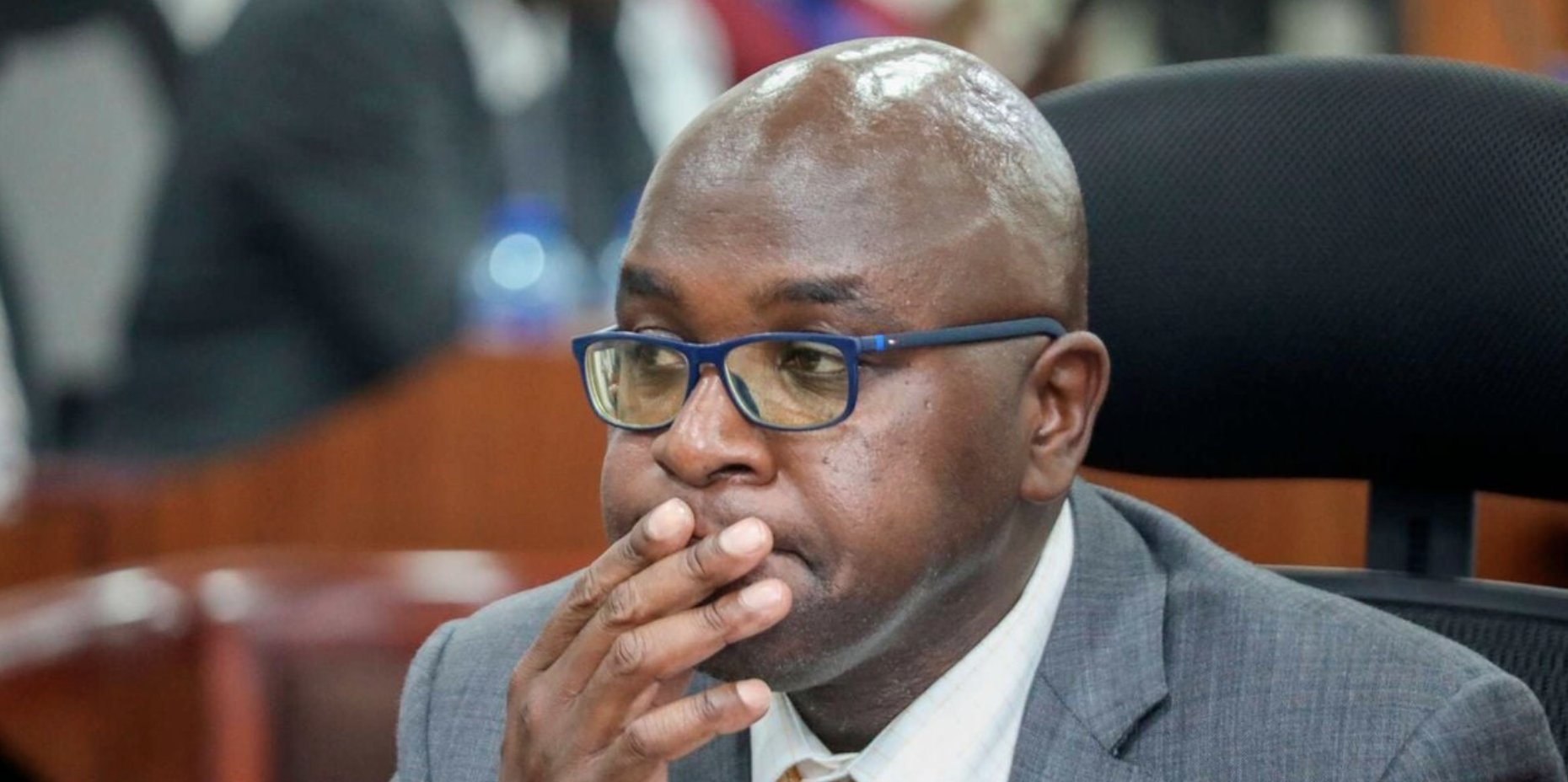
The taxman collected Sh1.07 trillion between July and December 2024, falling short of the Sh1.23 trillion required to stay on course to meet the full-year target of Sh2.47 trillion.
Kenya Revenue Authority (KRA) has reported a shortfall in its revenue collection for the first half of the Financial Year 2024-2025, missing its target by a staggering Sh163.46 billion.
The taxman collected Sh1.07 trillion between July and December 2024, falling short of the Sh1.23 trillion required to stay on course to meet the full-year target of Sh2.47 trillion.
The shortfall comes at a time when the government has been grappling with the consequences of the Finance Bill, 2024’s rejection.
The bill, which included a series of proposed tax increases, was dropped under pressure from widespread protests earlier in the year.
This rejection has led to concerns over the government’s ability to raise the necessary funds to finance its budget.
However, despite missing the target, KRA’s collections were still higher by Sh23.15 billion compared to the same period last year.
This represents a slight improvement and is seen as a positive sign, even though it wasn’t enough to close the gap in the target.
The government has faced increasing pressure on tax matters, particularly with the rejection of the Finance Bill, which was a response to protests that escalated in June.
The decision to abandon the bill came after intense protests across the country, which led to President William Ruto bowing to public pressure.
The rejection of the bill has had a direct impact on the government’s tax revenues, with a growing reliance on traditional sources of revenue collection instead of new tax policies.
Tax administration
The Parliamentary Budget Office (PBO) has weighed in on the situation, noting that rather than seeking new taxes, the government could improve tax revenues by enhancing tax administration.
In its latest review, the PBO suggests that improving enforcement of existing tax policies, utilising data analytics, and adopting more technology-driven solutions could be key to boosting revenue without burdening Kenyans with new taxes.
“Rather than relying on the introduction of new tax policies that are likely to create new tax burdens on Kenyans, the government may focus on improving tax administration through better enforcement of current tax policies, enhanced data analytics, and increased use of technology to simplify tax processes and improve tax compliance,” the PBO states.
In the face of these challenges, the National Treasury had previously warned that the rejection of the Finance Bill would have adverse effects on the country’s tax revenue target.
Despite the shortfall, the first-half collection allowed the government to spend more on critical development projects and pension payments.
During the first half of the financial year, Sh129.82 billion was allocated to development projects, marking an 84.4 per cent increase from the previous year’s Sh70.4 billion.
This jump in development spending is seen as a significant effort to improve infrastructure and support national growth, especially as previous years saw constrained spending due to high debt servicing.
Additionally, pension payments to retired civil servants rose by 44 per cent, reaching Sh82.8 billion compared to Sh59 billion during the same period last year.
The increased spending in both these areas reflects the government’s continued commitment to development and the welfare of senior citizens, despite the challenges in meeting its revenue targets.
While KRA’s revenue collections for the first half of the year show some progress, the ongoing tax shortfall highlights the difficulties the government faces in balancing revenue generation with the financial demands of the country.
Moving forward, authorities will likely need to explore other avenues for enhancing tax compliance and revenue collection without further inflaming public discontent.
Kenya Insights allows guest blogging, if you want to be published on Kenya’s most authoritative and accurate blog, have an expose, news TIPS, story angles, human interest stories, drop us an email on [email protected] or via Telegram












Kenyan player wins a Ksh3.2 million jackpot

IEBC Sets August 10 Date For 2027 General Election

Furious Ruto Lashes Out at Gideon Moi Over Repeated ‘Blackmail, Extortionist’ Headlines on The Standard and KTN

Mombasa Gripped by ‘Male Organ Theft’ Panic as Social Media Fuels Mob Attacks and Fear

TOO MUCH PR, NOTHING TO SEE: How Gladys Wanga Built a Perfect Story of Transformation While Homa Bay Bled

Netanyahu Says Israel Must ‘Break Free from Dependence’ After Tensions With Trump Administration

Niger pulls Out Of International Criminal Court After Calling It Neo-Colonialist

Kenya Awards Sh154 Billion JKIA Upgrade Tender To Chinese Firm CRBC

The Untouchable: How KURA’s Silas Kinoti Has Survived A Decade Of Corruption Storms While Kenya’s Roads Bled

Fake Papers, Dirty Millions And The Analo Connect: How Kitisuru MCA Alvin Palapala Built a Shadow Empire Inside Nairobi’s Planning Machine

Businessman Philip Waithaka Kinuthia’s Minor Son Allegedly Drove Drunk, Killed Two Peponi Students in Ngong Road Horror Crash as Claims of Cover-Up Intensify

Inside NCBA’s Decline: How a Banking Giant Lost Its Strategic Edge

South Sudan: Adut Salva Kiir’s Shadow Treasury Exposed

Cement, Cash and Courts: How the Hashu Dynasty Crushed the Ramji Brothers for Fourteen Years and Why the Walls Are Now Closing In

Standard Chartered Ghosts Haunt Joshua Oigara At Stanbic As Whistleblower Spills Beans

Inside The Urban Planning Cartel That Owns Nairobi

THE VULTURE AND THE SCHEME How Nairobi West Hospital Became the Most Dangerous Institution in Kenya’s SHA Ecosystem and Why the Books Must Be Audited Now

The President’s Daughter and The Missing Witness: How Adut Salva Kiir’s Shadow Treasury Silenced Its Most Dangerous Critic

How Adil Popat Saved His Empire On The Eve Of Imperial Bank Collapse and Why Kenya’s Mainstream Media Buried The Story

Why John Ngumi Is Running From the EACC and Why the Sh415 Million Payday May Be the Least of His Worries
-
 News1 week ago
Businessman Philip Waithaka Kinuthia’s Minor Son Allegedly Drove Drunk, Killed Two Peponi Students in Ngong Road Horror Crash as Claims of Cover-Up Intensify
-
 Africa2 weeks ago
South Sudan: Adut Salva Kiir’s Shadow Treasury Exposed
-
 Business2 weeks ago
Standard Chartered Ghosts Haunt Joshua Oigara At Stanbic As Whistleblower Spills Beans
-
 Investigations6 days ago
THE VULTURE AND THE SCHEME How Nairobi West Hospital Became the Most Dangerous Institution in Kenya’s SHA Ecosystem and Why the Books Must Be Audited Now
-
 Africa2 weeks ago
The President’s Daughter and The Missing Witness: How Adut Salva Kiir’s Shadow Treasury Silenced Its Most Dangerous Critic
-
 Business2 weeks ago
How Adil Popat Saved His Empire On The Eve Of Imperial Bank Collapse and Why Kenya’s Mainstream Media Buried The Story
-
 Business2 weeks ago
Why John Ngumi Is Running From the EACC and Why the Sh415 Million Payday May Be the Least of His Worries
-
 Business6 days ago
Inside the Billion-Shilling Betrayal: How Senior Treasury Officials Plundered a UN Poverty Fund and Built a Real Estate Empire on the Backs of Kenya’s Rural Poor