
Business
KRA Announces Auctioning of Imports Stuck At JKIA

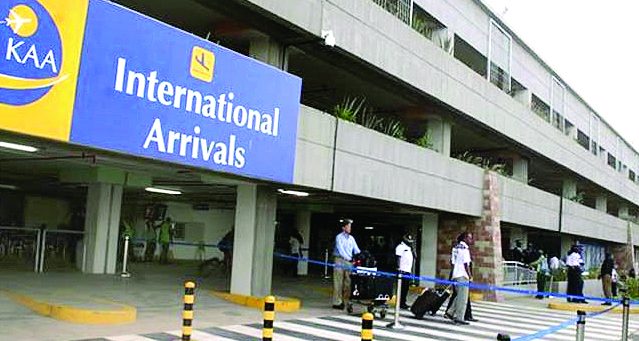
Businesses and individuals are set to lose hundreds of imported goods at the Jomo Kenyatta International Airport (JKIA) warehouse following the collection lag.
This comes against the backdrop of a tough economic period where businesses are trying to keep afloat with the current economic pressures while individuals continue to record shrinking disposable income.
In a recent Notice, Kenya Revenue Authority (KRA) announced that it would be auctioning the uncollected goods 30 days after the publication of the notice, powers which have been granted to it by the East African Community Customs Management Act of 2004.
“Notice is given that unless the under-mentioned goods are entered and removed from the custody of the Customs Warehouse Keeper, Forodha JKIA within thirty (30) days from the date of this notice, they will be treated as abandoned and will be disposed of in accordance with the provisions of EACCMA 2004 including being sold by public auction,” the notice reads in part.
In the event that the owners fail to make the collection, the taxman has set the auction dates to be on July 28, 2025, July 29, 2025, July 30, 2025, July 31, 2025 and August 1 2025 through their public auction online portal.
“Interested buyers may view the goods at Customs Warehouses in JKIA, Forodha House on July 24, 2025, and July 25, 2025, during office hours,” the notice states.
Some of the notable businesses that are yet to collect their imports include Serena Hotel, which is yet to collect booklets-the hub united oil, which is said to have arrived in the country in May 2022, Marketing Society, Rivera Tech and Bowmans Kenya, among others.
Typically, importers may fail to collect their goods in the event of financial challenges, problems with the goods themselves, issues with exporters or delays in the clearance process, a factor which may impact the cost of the goods, making it hard for owners to collect.
Under the financial difficulties bracket, once a business becomes bankrupt and is unable to meet its financial obligations, it may be unable to collect its previously imported goods.
Higher taxes and other costs, such as storage costs, may lead to high costs to a point that the importer finds it economical to forgo.
This may also be fronted by the fluctuation in the exchange rate, which may devalue the goods or make them more expensive to clear.
On the other hand, if the goods are damaged or of poor quality, the importer may lose interest in them.
Additionally, the importers may lack relevant paperwork, permits or a wrong declaration at the customs.
Kenya Insights allows guest blogging, if you want to be published on Kenya’s most authoritative and accurate blog, have an expose, news TIPS, story angles, human interest stories, drop us an email on [email protected] or via Telegram


MozzartBet Faces Licence Cancellation For Operations in Kenya Amid Tax Evasion, Money Laundering Scandals As Rumours Swirl Of Sh100M Bribery To Evade Trap

Rogue Developers, Engineers, Architects and City Hall Officials Charged Over Deadly Manzil Towers Collapse

Kalonzo Unveils His 2027 Presidential Campaign Platform

Artur Margaryan of Kenya’s Infamous Artur Brothers Seeks Prime Minister’s Office in Armenia

Sonko Re-Elected Head of Party

US Denied Visas to Team Officials for World Cup – Iran

Why Drivers Cheered Bolt’s Reported Exit: Inside the Slow Financial Strangulation of Thousands of Kenyan Drivers and Riders in Kenya

Court Halts NTSA Smart Driving Licence Rollout and Instant Traffic Fines: What This Means

Pentagon Raises Israel Spy Threat To Highest Level: Report

NIS Officer Found Dead Inside Locked House in Nyamira

Cement, Cash and Courts: How the Hashu Dynasty Crushed the Ramji Brothers for Fourteen Years and Why the Walls Are Now Closing In

Why Ruto’s Favourite Candidate Adan Mohammed Could Be Locked Out of the KRA Top Job

Inside The Urban Planning Cartel That Owns Nairobi

LifeCare on the Brink: SHA Fraud, Stolen Wages, and the Rotten Empire Jayesh Saini Built

Este Medical Kenya Fights American’s Explosive Complaints

Safaricom’s Sh1.4 Billion Reckoning: How Kenya’s Most Profitable Company Stole a Man’s Idea and Got Caught

The Rot Inside Absa: How Bank Insiders Are Looting Nairobi’s Customers

Inside FAFSA Fraud: How Kenyan Cybercriminals Siphoned Millions from America’s Sh12 Billion Student Loan System

THE INSURER THAT TOOK YOUR PREMIUM AND FORGOT YOUR NAME: How ICEA Lion Left a Client Begging for Sh7.8 Million Across Four Months

Denial Under Duress: The Untold Collapse Threatening David Lagat’s DL Group’s Empire
-
 Investigations3 days ago
Cement, Cash and Courts: How the Hashu Dynasty Crushed the Ramji Brothers for Fourteen Years and Why the Walls Are Now Closing In
-
 Investigations2 days ago
Inside The Urban Planning Cartel That Owns Nairobi
-
 Investigations2 weeks ago
LifeCare on the Brink: SHA Fraud, Stolen Wages, and the Rotten Empire Jayesh Saini Built
-
 News2 weeks ago
Este Medical Kenya Fights American’s Explosive Complaints
-
 Americas2 weeks ago
Inside FAFSA Fraud: How Kenyan Cybercriminals Siphoned Millions from America’s Sh12 Billion Student Loan System
-

 Investigations7 days ago
Betika Faces DCI Probe, Directors Arrest and License Revocation Over Massive 29.5 Million Safaricom Customers’ Data Breach
-

 News1 week ago
Eight Students Arrested In Kenya After Suspected Deadly School Arson Attack
-

 Investigations3 days ago
Fresh Move Launched to Remove Kenya Railways MD Mainga From Office After Awarding Sh817 Million Consultancy Contract