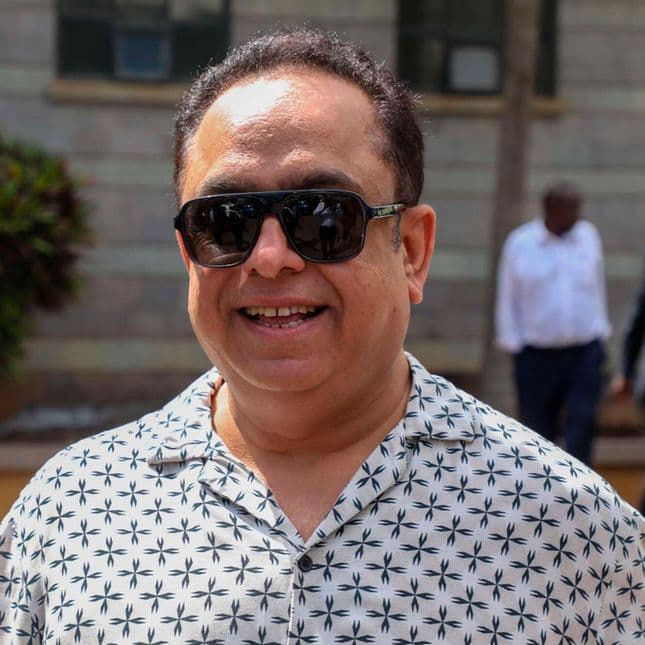
A fresh High Court defeat has shut down the Triton oil scandal fugitive’s last legal escape hatch. What his own court filings, forensic records and a trail of vanished witnesses reveal is far uglier than one bad ruling.
A decade of forged degrees, phantom warehouses, a name-changing tycoon, a fake lawyer and a shell company in a British port town, and the men who kept winning anyway.
A fresh constitutional petition accuses three of the Mara’s most expensive addresses of colonising a protected migration corridor under the cover of a presidential exemption, a 26-day environmental study and a county government that cannot even account for its own gate receipts. This is the story of how it happened, who let it happen, and why it is not the first time.
The Chatthe name Ragbhir Singh Chatte, also known as Jassi or Bhire; his brother Sukhwinder Singh Chatthe, also called Raju; and the extended Channan-Chatthe clan has been woven into the industrial fabric of the Kisumu sugar belt for two decades.
Public land at Kenya’s strategic Kipevu enclave has been quietly carved out for a politically connected private entity without competitive bidding, environmental approvals, or public participation. The company is building a Container Freight Station on national infrastructure, and has secured an exclusive single-source tender for 20 per cent of all South Sudan transit cargo. The man who holds these assets in trust for Kenya KPA Managing Director Captain William K. Ruto has gone to ground. His phone rings unanswered. His office is silent. The ultimatum has expired. The construction has not.
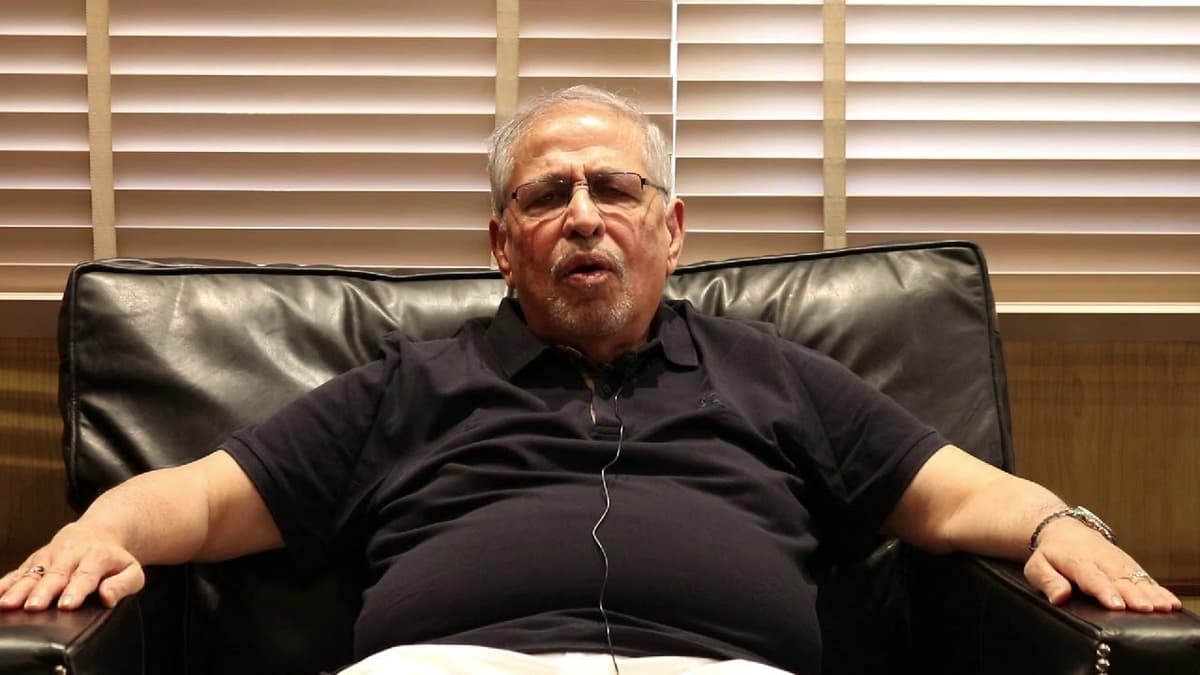
Three government officials arrested. Three resigned. Five senior civil servants under criminal probe. Sixty thousand Mombasa villagers facing eviction. A Sh11.8 billion cargo of fuel so toxic it failed every standard Kenya has. And one man, 78 years old, walking free — his companies intact, his monopolies renewed, his court cases falling his way. This is the anatomy of Mohammed Jaffer.
Leaked loan documents, bank records and whistleblower accounts reveal how the former Nilepet Managing Director allegedly pressured subordinates to borrow USD 1 million in the national oil company’s name, then routed the funds through a subsidiary to his wife’s private account to construct a hospital in a Juba property linked to a UN-sanctioned general. Now Afriland First Bank is preparing to sue the subsidiary he left holding the debt, while Amuor poses as a governance reformer.
SHA’s suspension of one of Nairobi’s oldest private hospitals is only the visible tip. Beneath it lies a years-long pattern of co-collection — simultaneously raiding public insurance and patients’ pockets while a self-styled non-profit charity shielded the institution from the scrutiny it deserved.
Fresh insider revelations expose a proxy empire built on family-registered shell companies, a petroleum enforcer who moves like a ghost through KURA offices, a Special Purpose Vehicle linked to Meru’s political elite, and a decade-long pattern of petitions that rise, investigations that stall, and storms that never break. This is the architecture of impunity and the story its subject would do anything to kill.
The more consequential and far better-documented matter is the Zimbabwe Electoral Commission’s election-materials tender, routed through South African printing firm Ren-Form CC.
How the entrapment of a blogger in 2020 buried explosive money laundering allegations against Victoria Commercial Bank CEO Dr. Yogesh Pattni allegations that resurfaced with even greater force in 2023 when the DCI arrested him over the Mumias Sugar fraud and how both investigations were made to disappear. The story behind the silence, the method behind the impunity, and the questions that refuse to die.
How money laundering and economic crime allegations against Victoria Commercial Bank CEO Dr. Yogesh Pattni erupted with the force of a national scandal in August 2023 — then went cold. A trail of buried files, a sugar cartel’s hidden empire, political funding networks, compromised insolvency proceedings, and the recurring Kenyan phenomenon of powerful men watching their cases simply vanish.
Ngumi was the single largest individual beneficiary of a transaction that left its subject Telkom Kenya unable to pay its tower bills, unable to retain its subscribers, and unable to find a strategic investor willing to rescue it.
As the GRA’s June 30 licensing deadline looms, industry insiders are raising urgent questions about whether a Director General who built his career inside the betting industry can now fairly judge the companies he once stood beside. Sources with direct knowledge of the renewal process tell Kenya Insights that Karimi has cultivated proximity to at least one major operator carrying one of the most damaging compliance records in the industry’s history.
A close ally of President William Ruto, a 1,400-acre private Special Economic Zone in Uasin Gishu County, a legally constructed 10% tax rate in a 30% country, and a conglomerate bleeding cash while its prized fiscal shelter stands largely empty. This is the story the press releases do not tell.
How a New Zealander who fled Moscow’s oligarchs in an ambulance brought the same playbook to Kenya looting local investors, evading billions in tax, and using an offshore legal labyrinth to strip a national asset of its Kenyan soul
A forged letter. A workforce that cheered. Inside the slow financial strangulation that Bolt has visited upon thousands of Kenyan drivers, boda boda riders, and electric motorcycle operators and the regulators, tax authorities, and parliamentarians who have let it happen.
NMC Fertility (K) Limited, trading as Fertility Point, faces two active High Court cases alleging genetic catastrophe in its Nairobi laboratories, a whistleblower allegation of a patient death covered up with the alleged assistance of DCI officers, a labour dispute over the dismissal of its own IVF specialist, and the long shadow of its parent company’s multi-billion-dollar global fraud implosion. How a clinic that sells hope became a factory of courtroom nightmares and an alleged mortuary.
Five years after being thrown out of the company he built from a one-room agency into East Africa’s most powerful advertising empire, Bharat Thakrar is coming back. With a ruinous Sh3.3 billion in aggregate losses piling up under WPP’s watch, a share price in freefall, and a Sh4.5 billion lawsuit still in play, the founder is rallying minority shareholders in an audacious bid to reclaim the boardroom. But is this the return of a wronged patriarch or a wounded tycoon’s act of revenge? This investigation goes inside the scandal, the numbers, the racialism claims, the secret WhatsApp messages, and the corporate power struggle that has turned Kenya’s most celebrated advertising firm into a cautionary tale.
A High Court has ruled. A formal criminal investigation request has been filed. The Odibets precedent shows what arrest looks like. Now the question is whether George Mburu and Chris Mwirigi, named in DCI forensic WhatsApp evidence, will be next to be dragged into a police cell.
The Stanbic account, which by the terms of at least three separate court orders ought to be holding approximately USD 975,000 in escrow funds, carries an actual balance of USD 22.78.
Three digital lending companies operated with live, unrestricted access to the Social Health Authority database, reading and refreshing the medical records, personal details, and dependent information of over 30 million Kenyans. The man responsible for securing that database was warned more than a month ago. He went silent.
How Chiang Wei LLC and Euro American International Energy looted South Sudan’s oil wealth through last-minute allocation letters, phantom cargo assignments, Iranian shadow networks and pricing mechanisms that robbed Juba of up to $24 million on a single shipment
In one of the most brazen regulatory heists in Kenyan agribusiness history, major export firms shipped 33,205 tonnes of avocados worth Sh5.8 billion during a government-imposed ban, stripped orchards bare ahead of ripening, and left nearly 300 legitimate exporters scrambling for fruit as the official season opened. This is not incompetence. This is capture.
A 127-year-old Athens-listed security printing firm walked into Kenya’s most sensitive public contracts, printed millions of examination papers and election ballots, then allegedly told the taxman it was a far cheaper job than it actually was. KRA says the shortfall is Sh650 million. The story of how it happened exposes a procurement system rotten to its foundations.
KRA Commissioner George Obell draws a Sh468,000 monthly salary. Court documents allege he has accumulated wealth approaching Sh30 billion. A Nairobi court is now being asked to answer the question Kenya cannot afford to ignore: how?
When activist Francis Awino was arrested last week on charges of attempted extortion, the Kenya Wildlife Service boss who ordered his prosecution had a story of his own to tell. A Kenya Insights investigation, drawing on official government reports, court records, parliamentary transcripts and whistleblower testimony, lays bare the scandal-riddled tenure of Prof. Erastus Kanga and asks the question authorities have not: does the man who controls the gun have a clean enough hand to point it at anyone?
Investigations
How this desk works
Every investigative claim we publish is grounded in documents, official records or first-hand accounts, and wherever possible we publish the underlying evidence alongside the story so readers can judge it for themselves.
The people and institutions we report on are given a fair opportunity to respond before publication, and their responses are reflected in the piece. We distinguish clearly between what the record establishes and what remains an open question.
When we get something wrong, we correct it visibly and note what changed. We do not quietly edit the record.
The stories they’d rather you missed
One email, every week. The investigations, the analysis, and the paper trails, straight from our newsroom in Nairobi.