Kenya West is a trained investigative independent journalist and a socio-political commentator on matters Kenya and Africa. Do you have a story, Scandal you want me to write on? Send me tips to [in.kenyawest@protonmail.com]
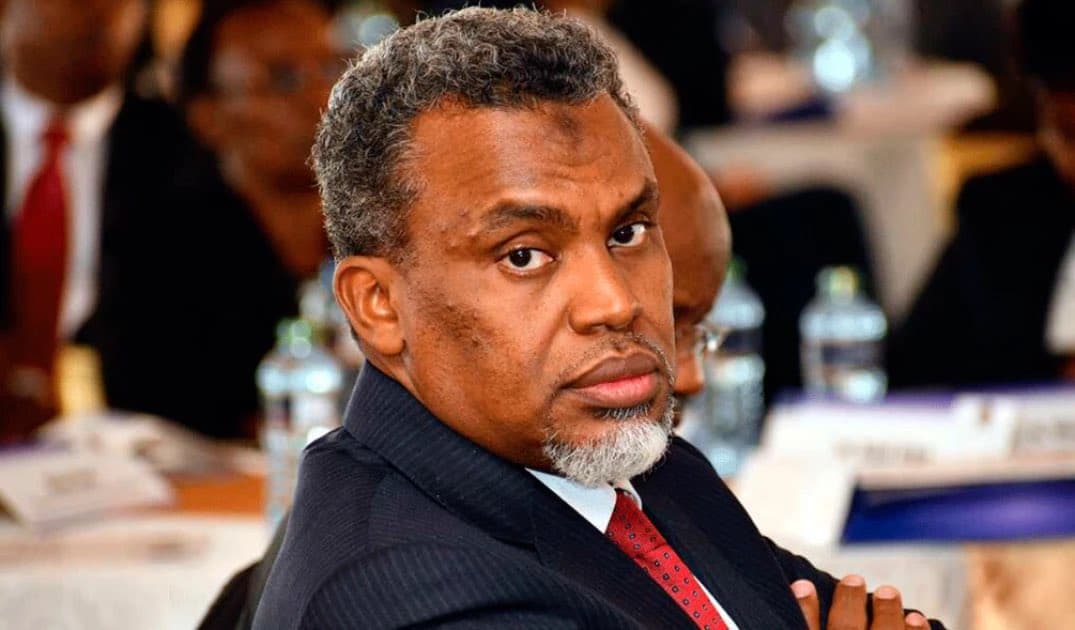
Three-judge bench finds Senate violated Gachagua’s right to fair hearing but refuses to overturn his removal, invoking constitutional finality clause to preserve Kindiki’s tenure and ward off a crisis of dual incumbency
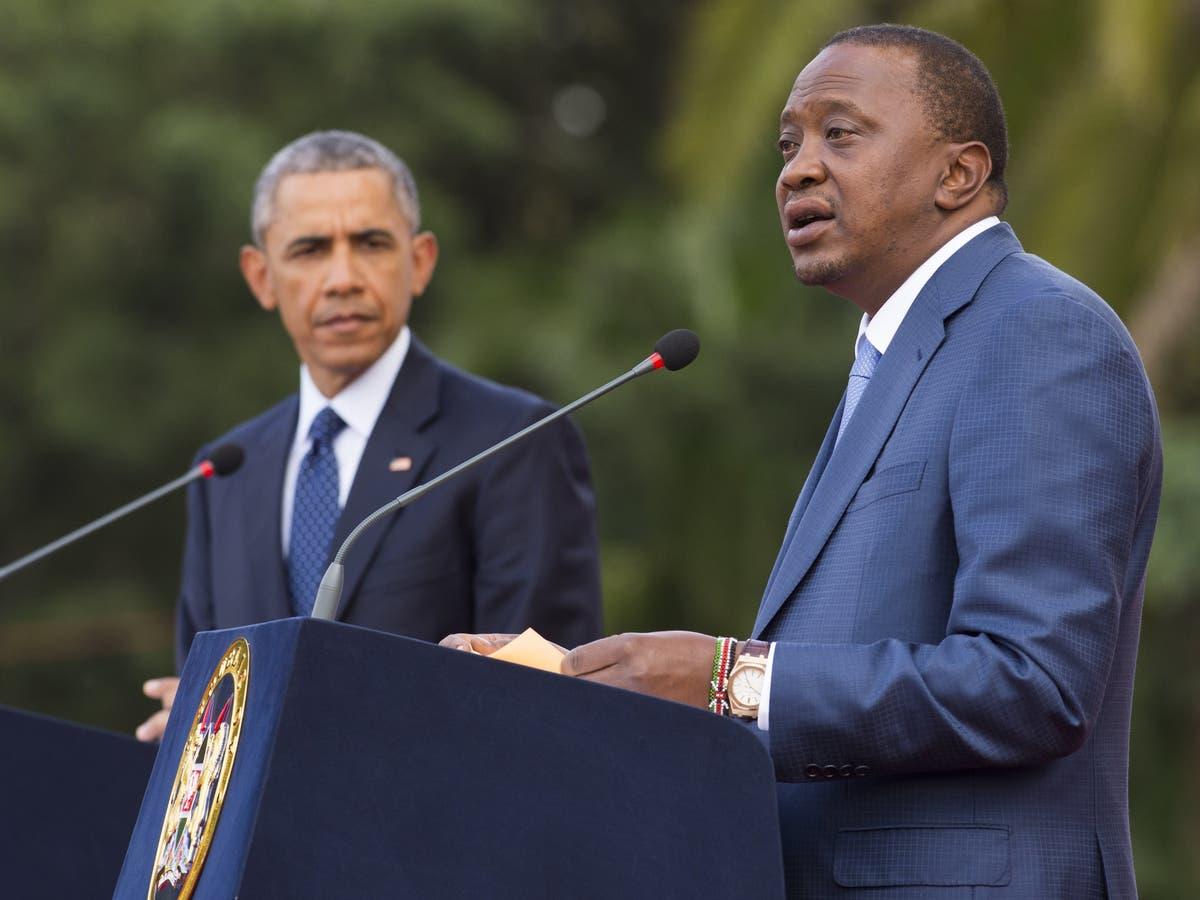
A biosecurity agreement signed without public debate on July 24, 2015, the very day Barack Obama landed in Nairobi on his historic homecoming visit, quietly handed Washington the legal architecture it has now invoked to plant an Ebola quarantine facility on Kenyan soil. The deal, forged under President Uhuru Kenyatta and extended under his successor, was never the subject of a national conversation. It is now.
A military-grade quarantine compound at Laikipia Air Base, staffed entirely by American health officers and sealed off from Kenyan contact, is opening its doors on Friday. The story of how it got here leads back to a $2.5 billion health deal signed in Washington six months ago and a Nairobi government that agreed to terms it is now refusing to publicly defend.
Formal US forfeiture complaints have unmasked Wellbred Capital as a front for a senior Iranian security official killed in last month’s American-Israeli strikes on Tehran. For South Sudan, the revelation exposes the true architects of one of the most audacious oil heists in African history.
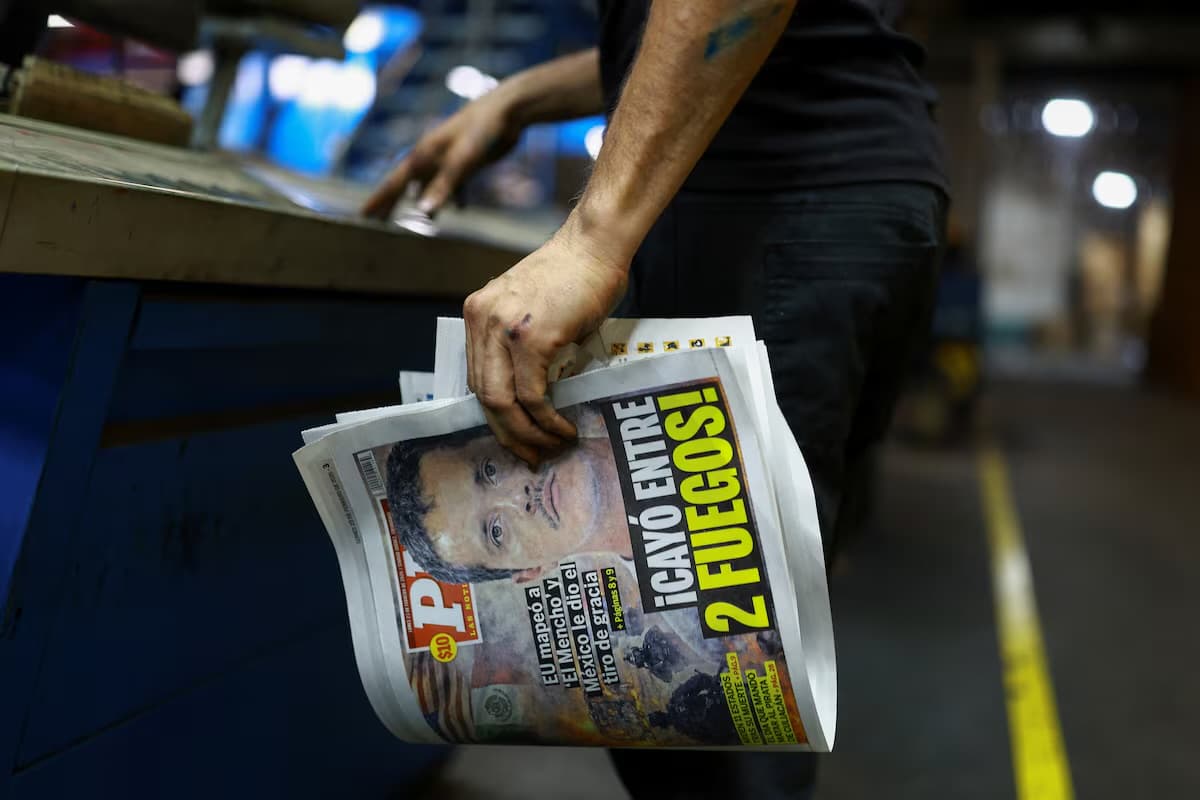
Nemesio Oseguera Cervantes, known as “El Mencho,” led the Jalisco New Generation Cartel through a decade of unprecedented brutality. He was tracked down through surveillance of a romantic partner — and died in a helicopter before he ever reached a prison cell.
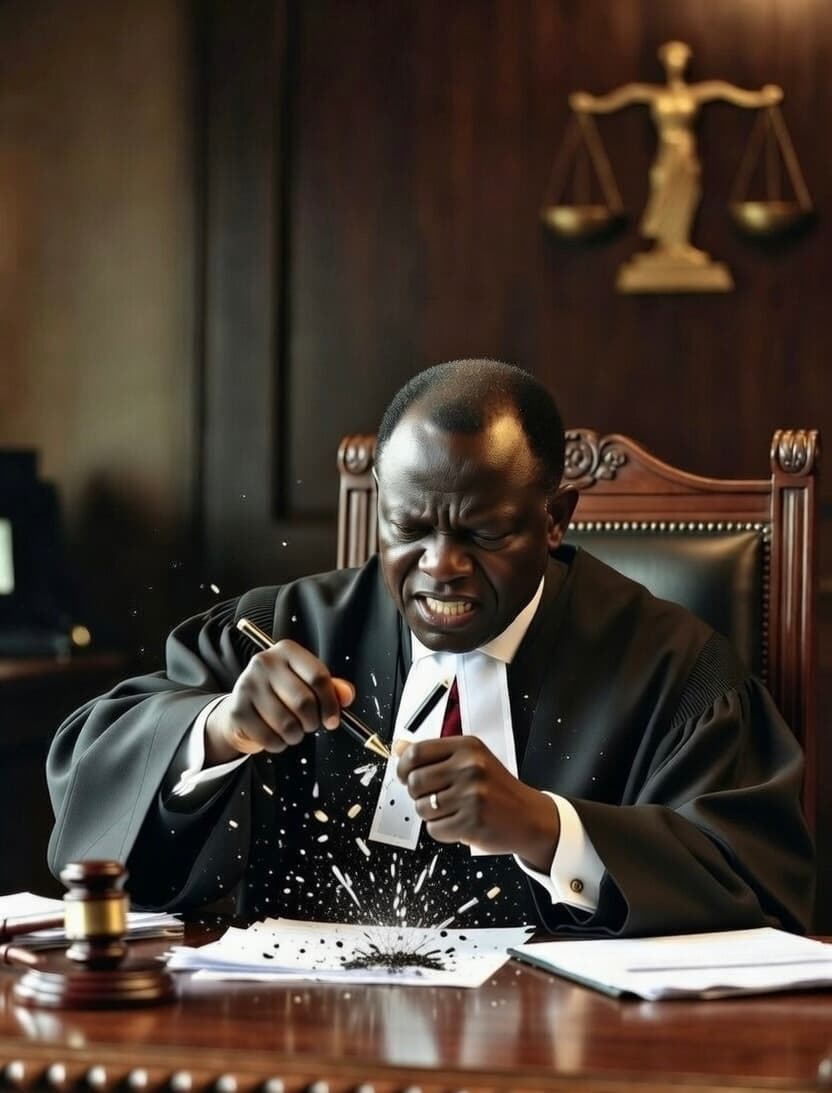
When a Nyeri judge snapped his pen after sentencing a child killer to death last week, social media erupted. The gesture is centuries old, steeped in imperial history, and carries layers of legal and moral symbolism. We trace its origins from the Mughal courts of India to the packed courtrooms of modern Kenya — and ask what it tells us about a country that still sentences people to death but has not executed anyone in nearly four decades.
For months, they watched in silence. They intercepted encrypted messages. They tracked money flows and mapped safe houses across two countries. Then, in the dead of a Tuesday night, Kenya’s intelligence operatives struck — dismantling what security chiefs now describe as the most sophisticated terrorist cell to have ever reached the gates of the capital.
A self-styled Russian ‘pick-up artist’ named Vyacheslav Trahov allegedly used camera-fitted sunglasses to secretly record intimate encounters with women across Kenya, Ghana, and several other African countries, then sold the footage on a Telegram channel. Two governments are now pursuing him. The obstacle is formidable: Russia’s own constitution forbids handing him over.
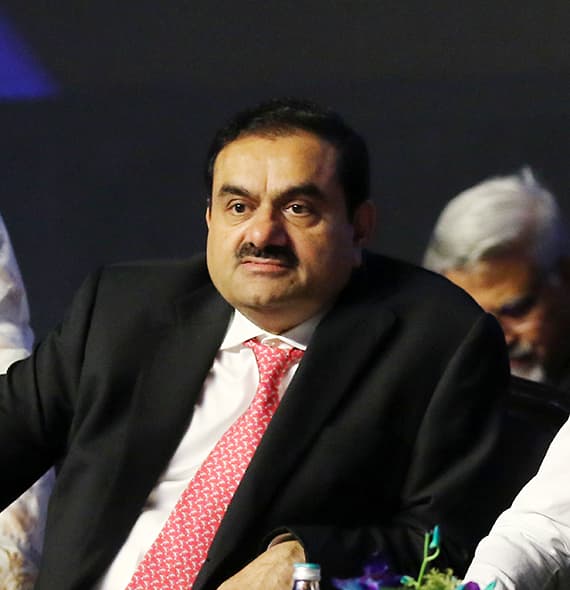
Explosive internal banking documents obtained by international investigators blow open a $3 billion shadow investment empire, exposing how two men with deep ties to India’s most powerful business dynasty secretly propped up Adani Group stocks for over a decade while regulators looked the other way.
In one dramatic seizure, officers counted Sh5.46 million in cold, hard cash, money that had been stashed away in the suspects’ homes like loose change.
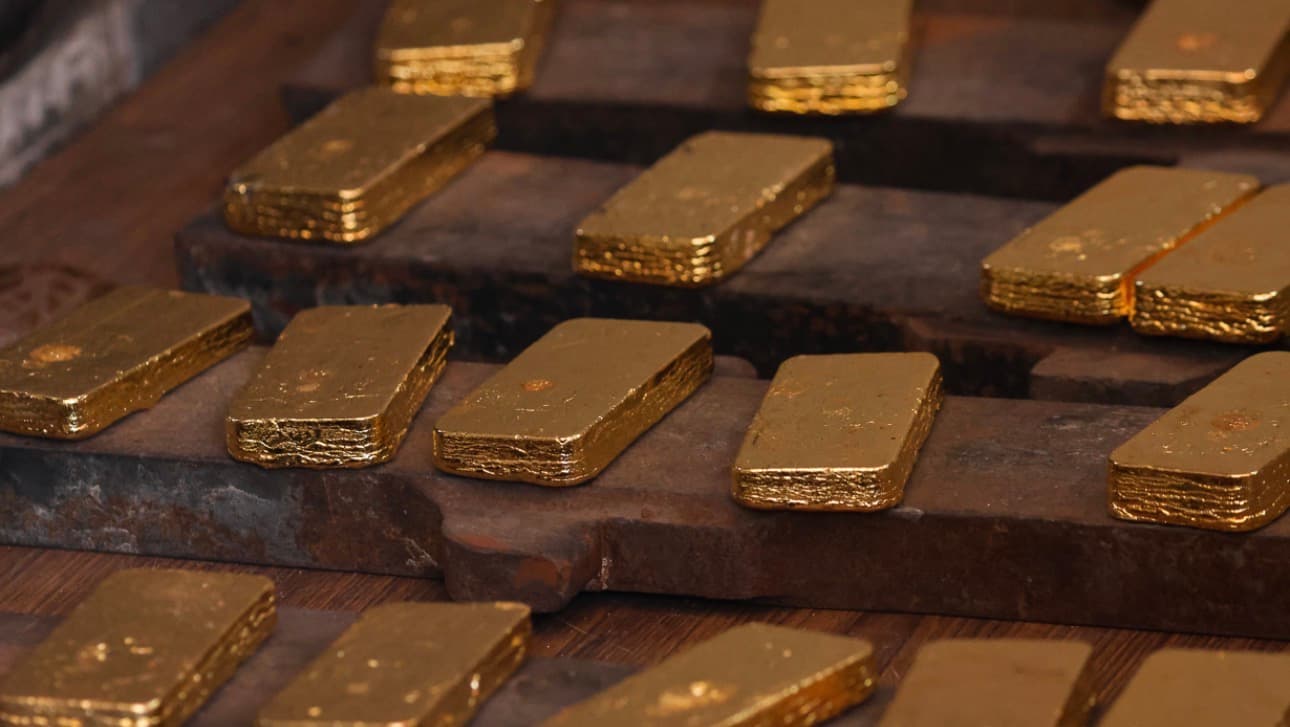
The Swiss development charity SwissAid has spent months documenting Kenya’s role in what amounts to an industrial-scale laundering operation for African gold.
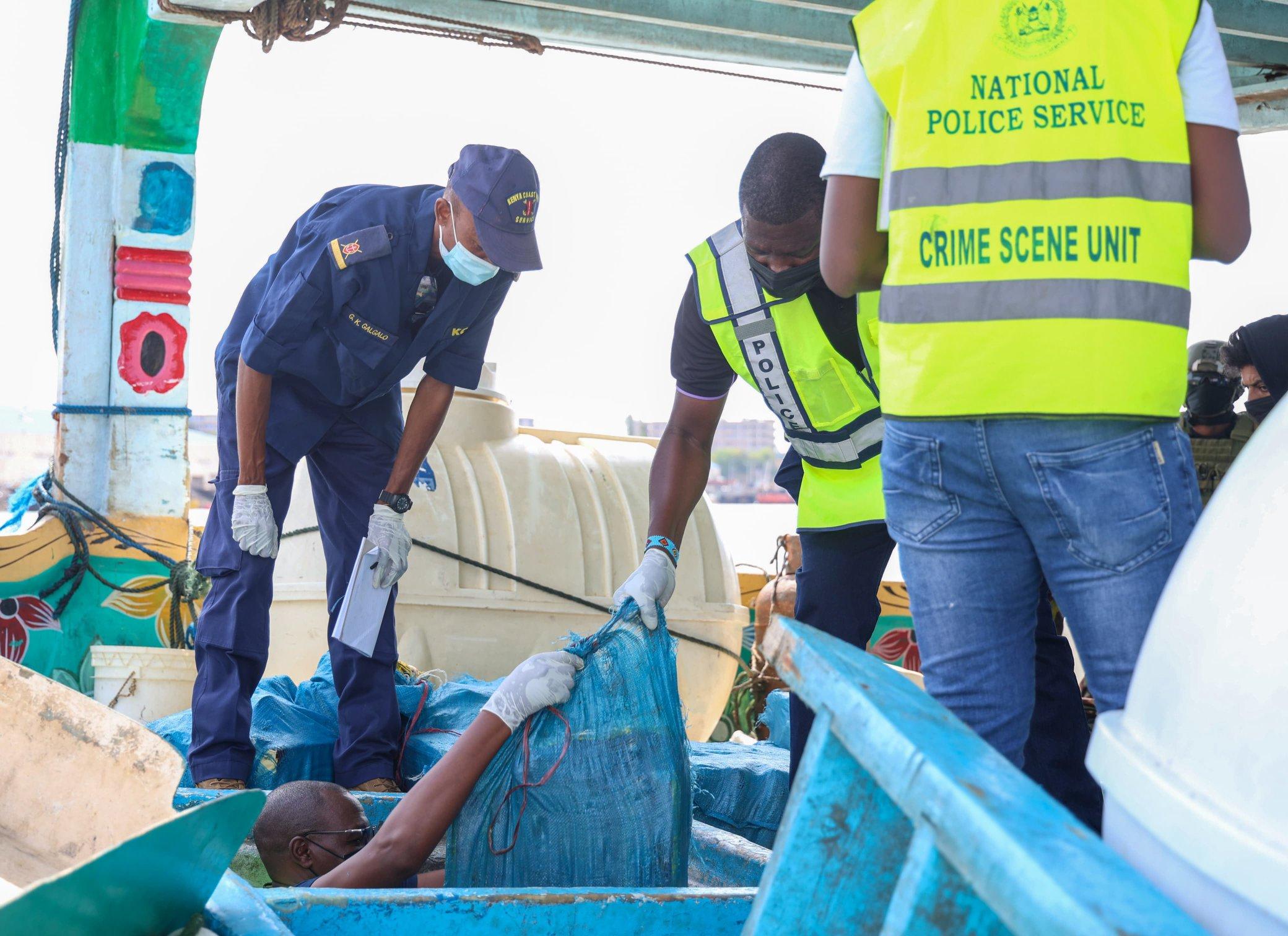
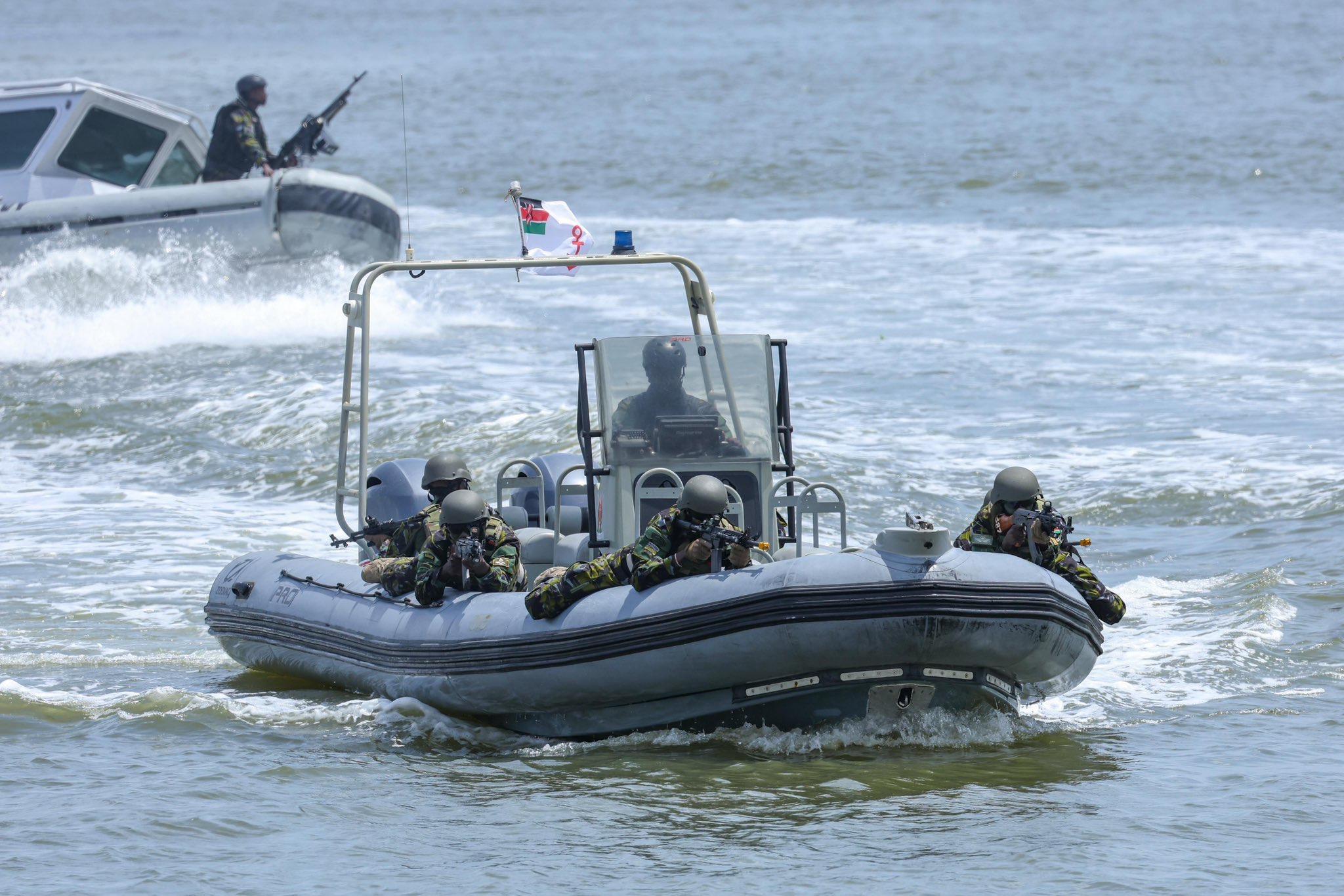
The stateless vessel, crewed entirely by Iranians, ignored multiple commands to stop before naval officers boarded it during what authorities described as Operation Bahari Safi.
The Kenya Coast Guard Service provided maritime operational capabilities. Port Police secured the perimeter. The National Intelligence Service fed crucial intelligence.
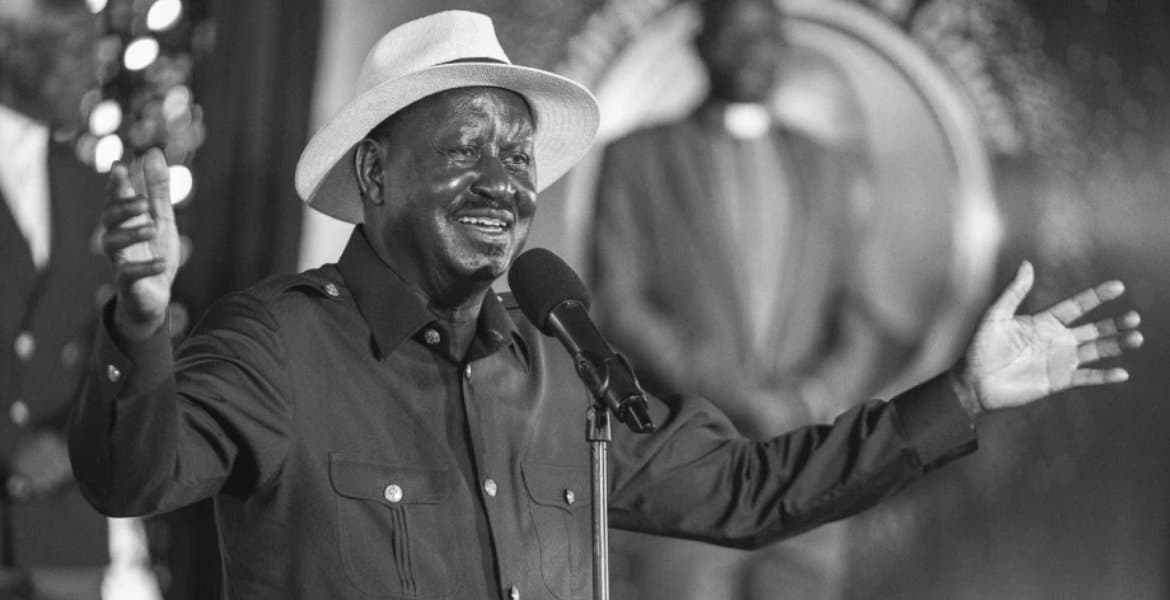
In Burgie’s lyrics, the sailor must leave “a little girl in Kingston Town,” his heart remaining behind even as his ship sails on. For Raila, Kingston Town was Kenya itself, the land he could never fully abandon despite the personal cost of his political journey.
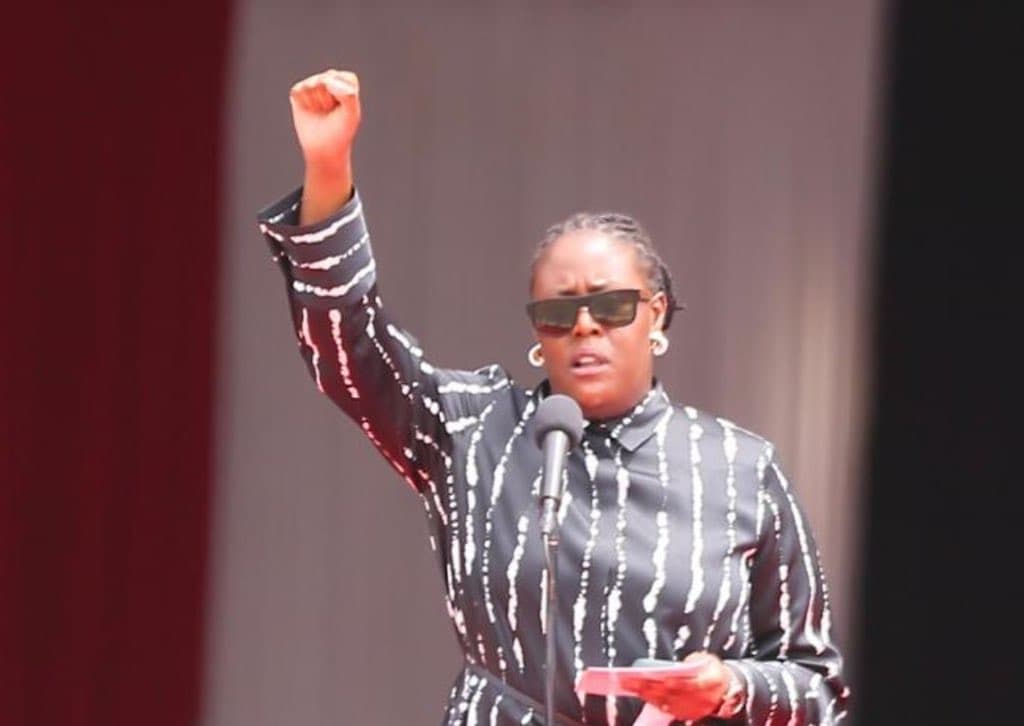
But what Winnie seems to carry is something different. It is not the dynasty in its old form, not the ancestral claim to opposition politics, but the Raila brand itself. Baba.
Raila had quietly placed the Luo community under the political protection of President Ruto. This was not surrender but strategy, a lesson drawn from Kenya’s political history.
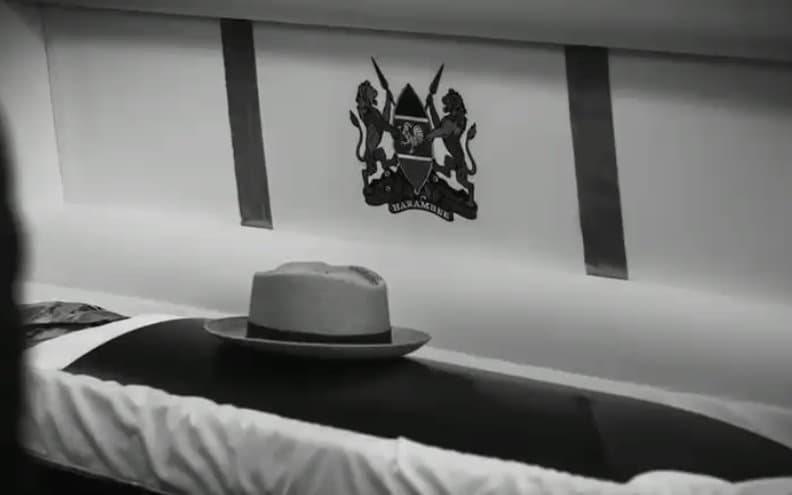
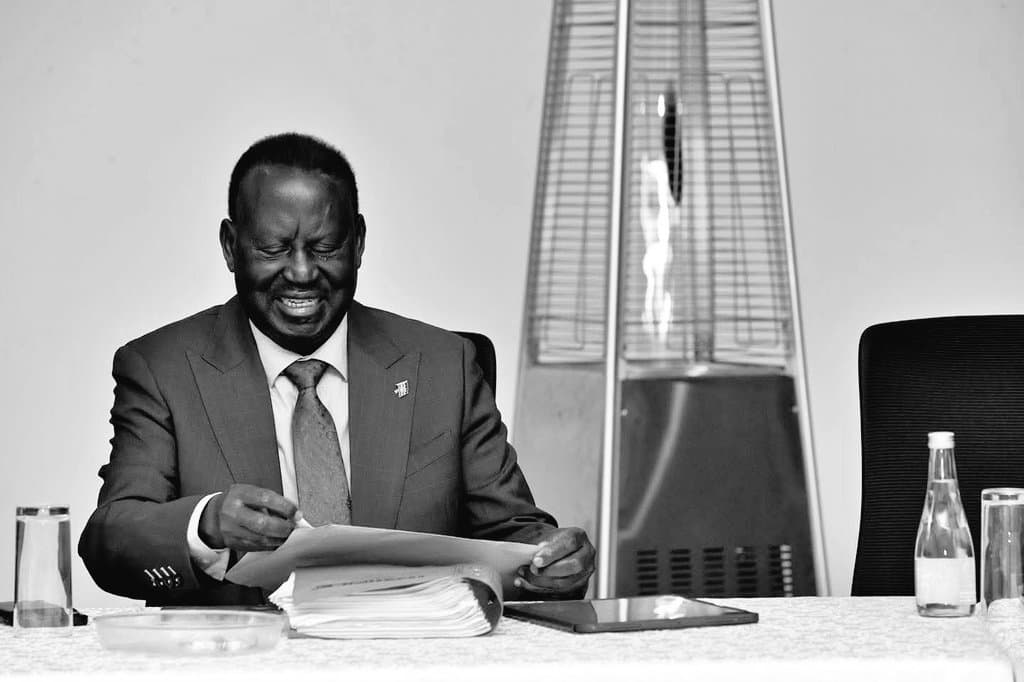
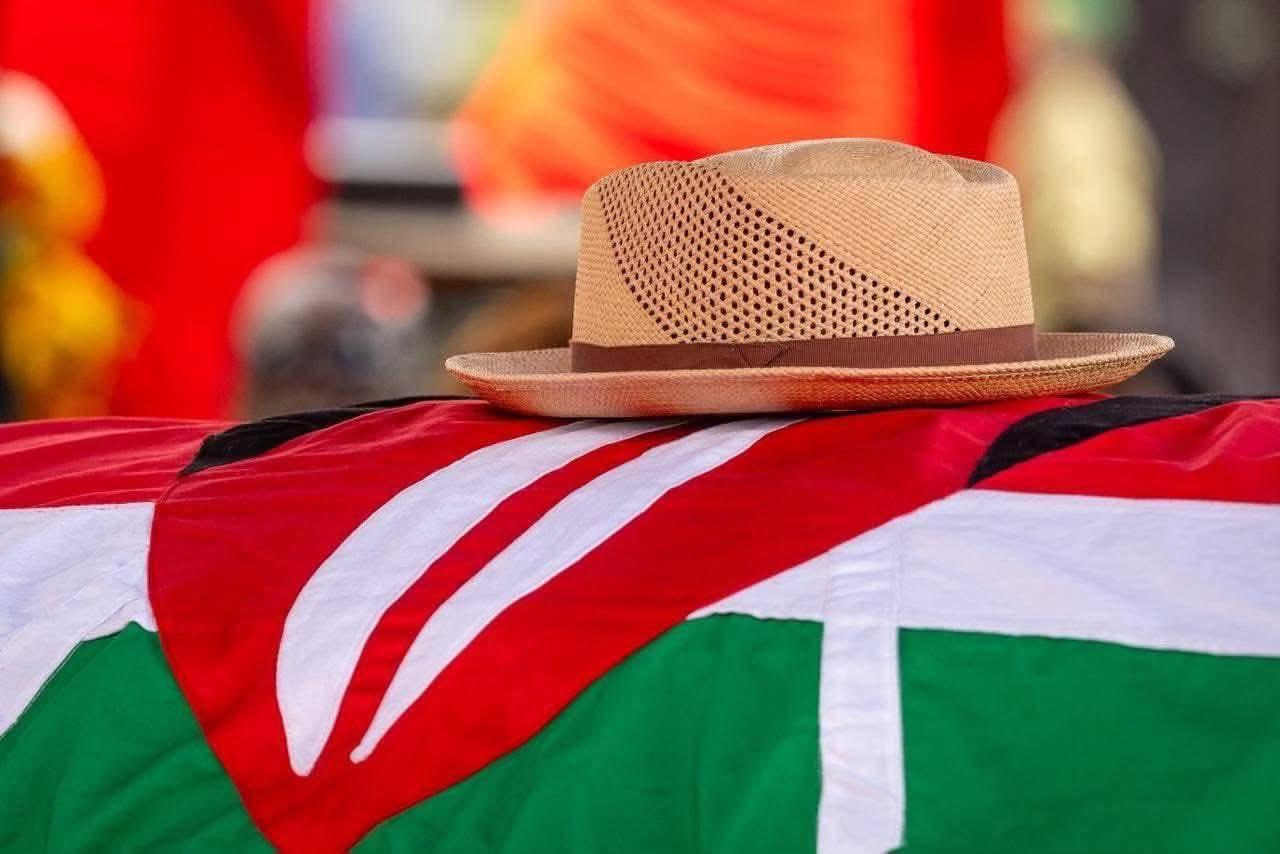
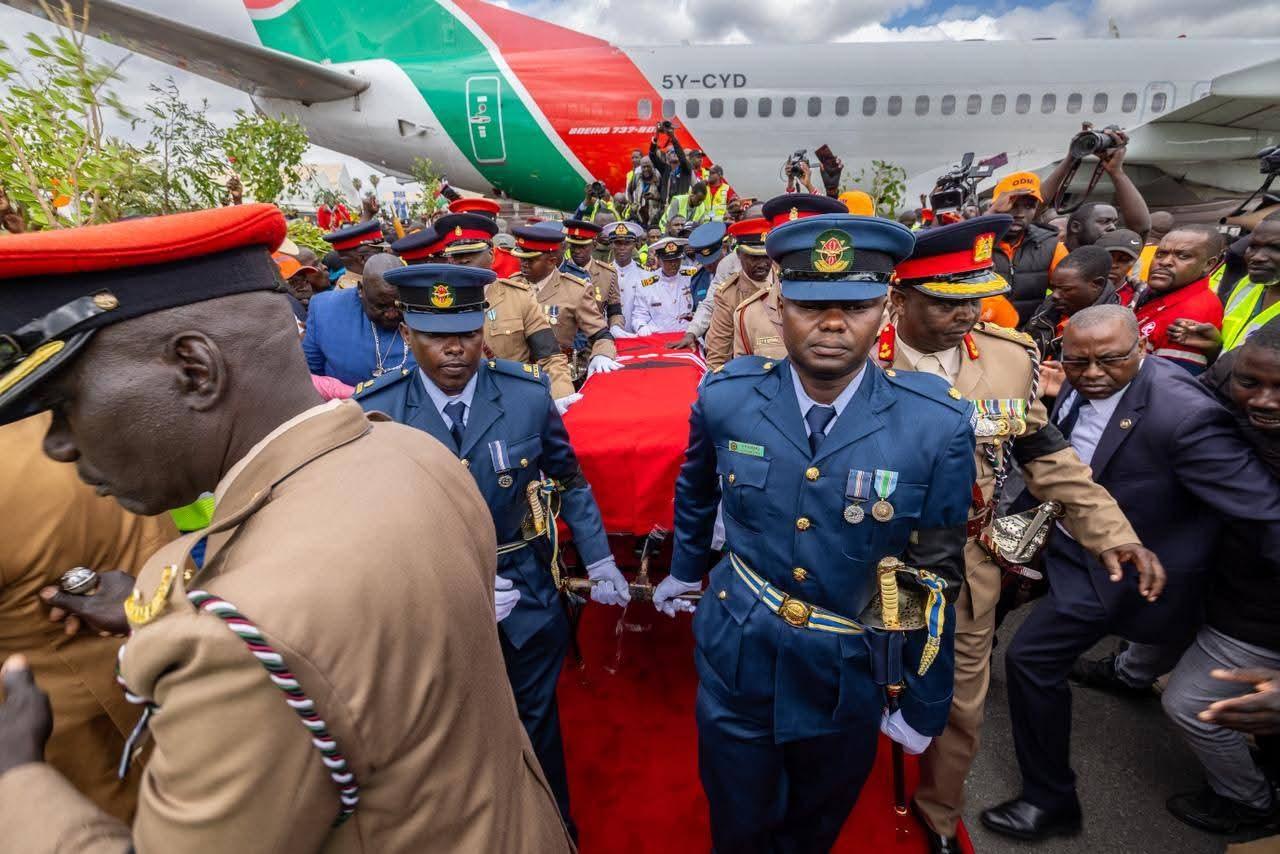
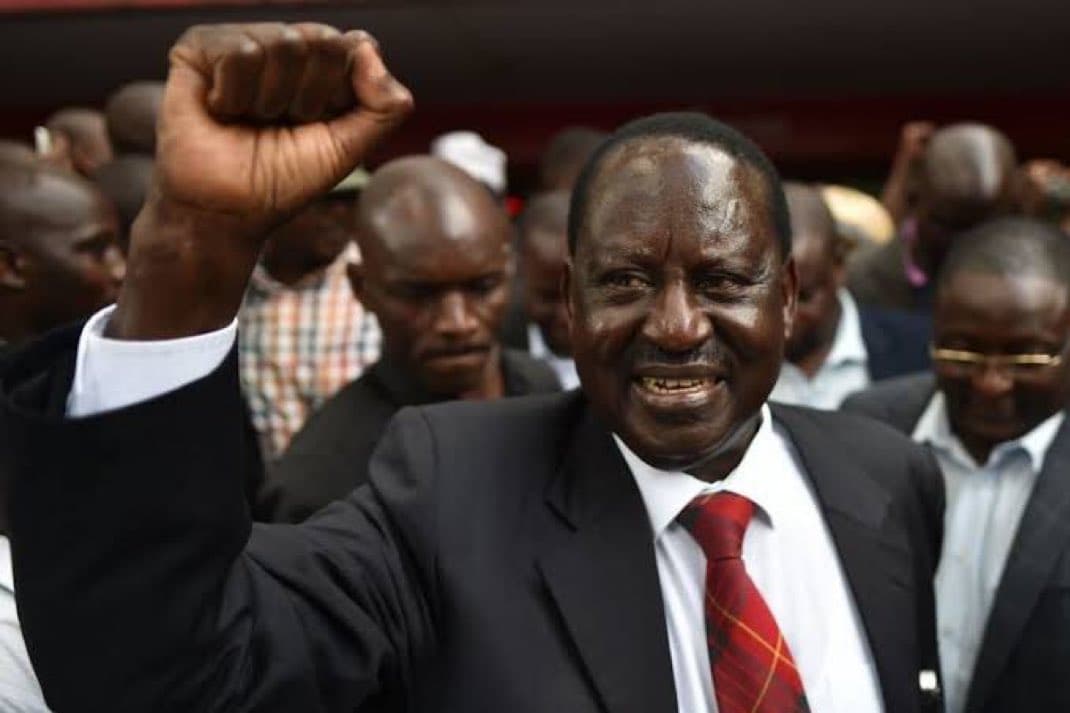
The symbolism of according Odinga full military honors carries particular weight given his complex relationship with Kenya’s security establishment over the years.
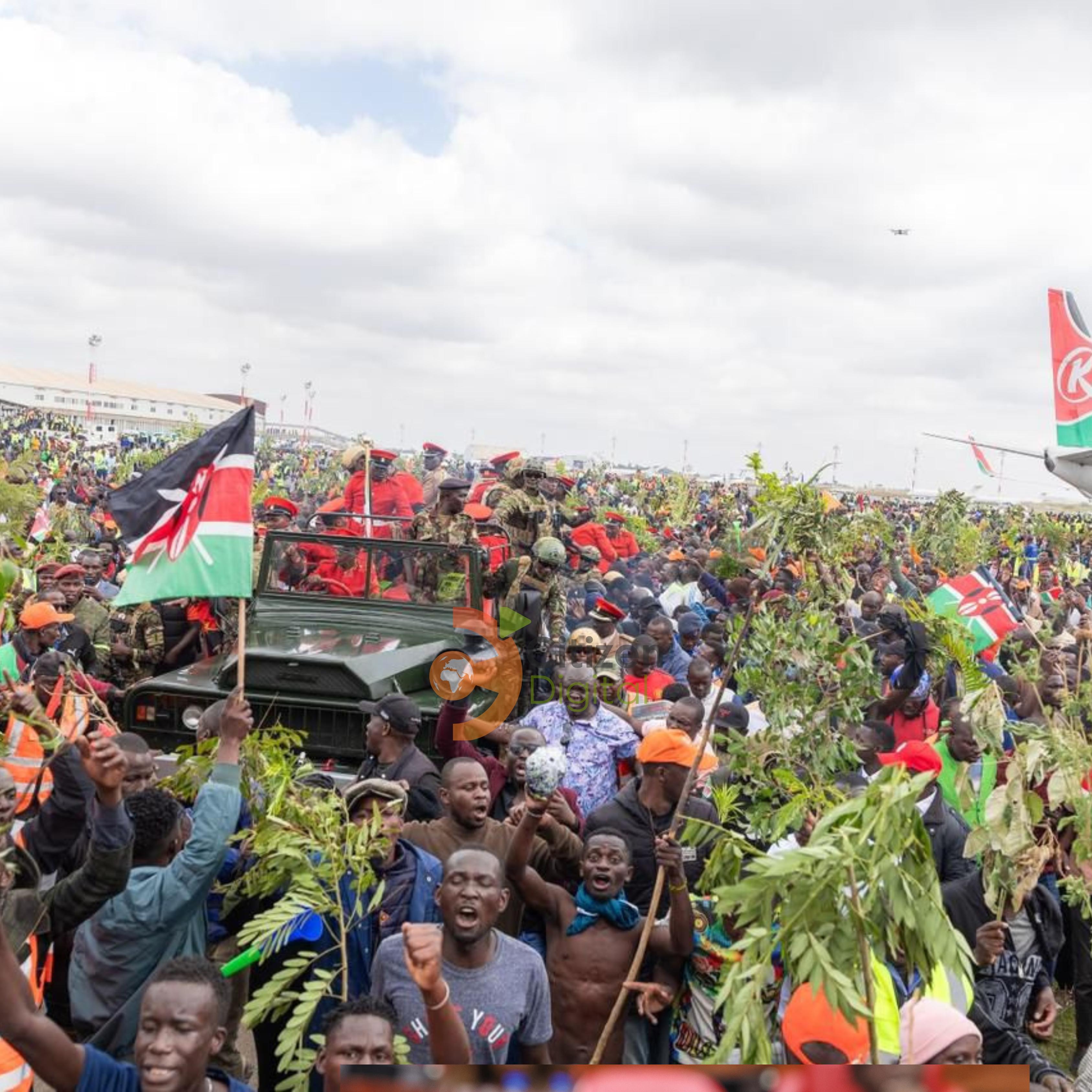
This was not a riot or an act of malicious intent. It was grief made manifest, a collective outpouring that defied the neat boundaries security planners had tried to impose.
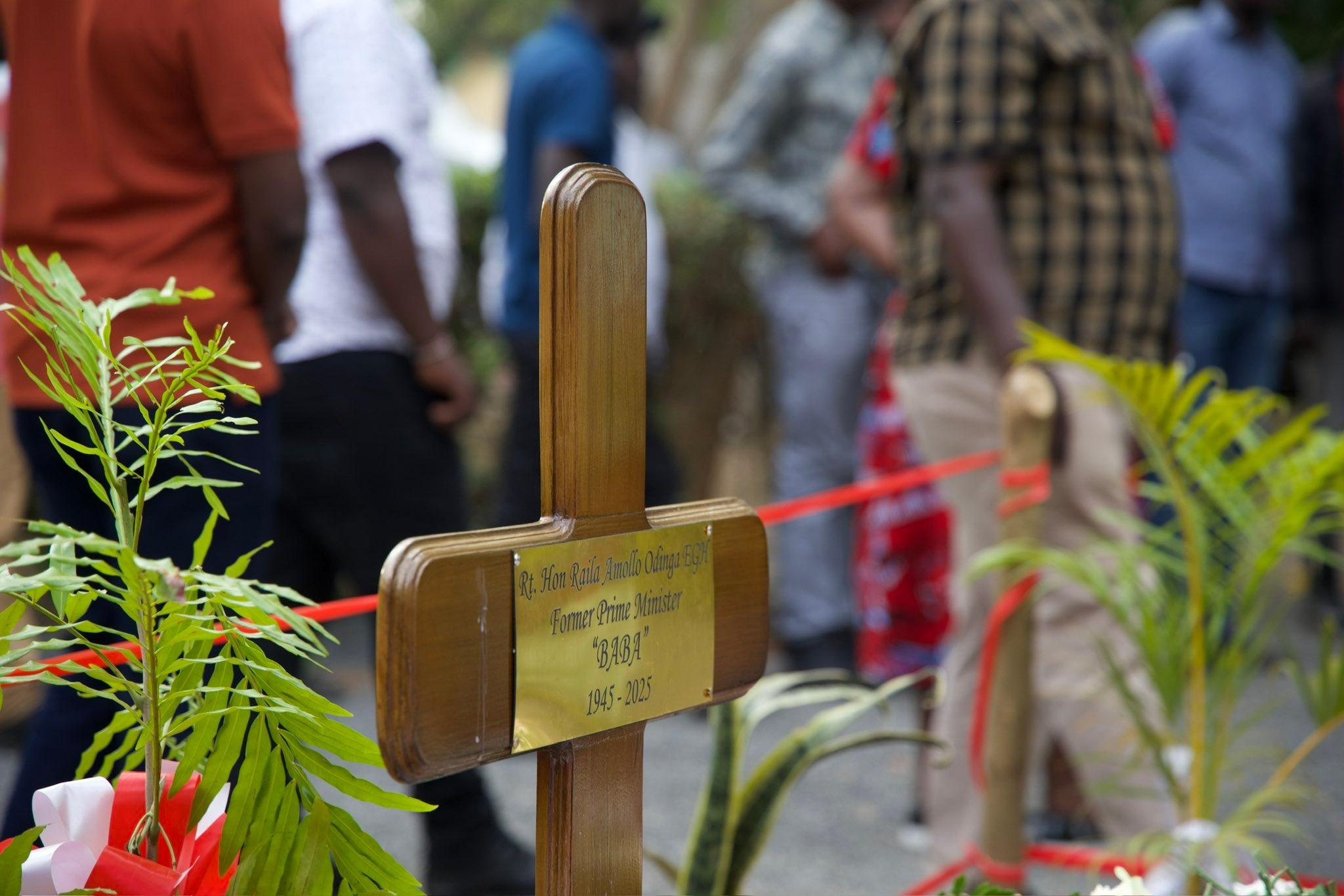
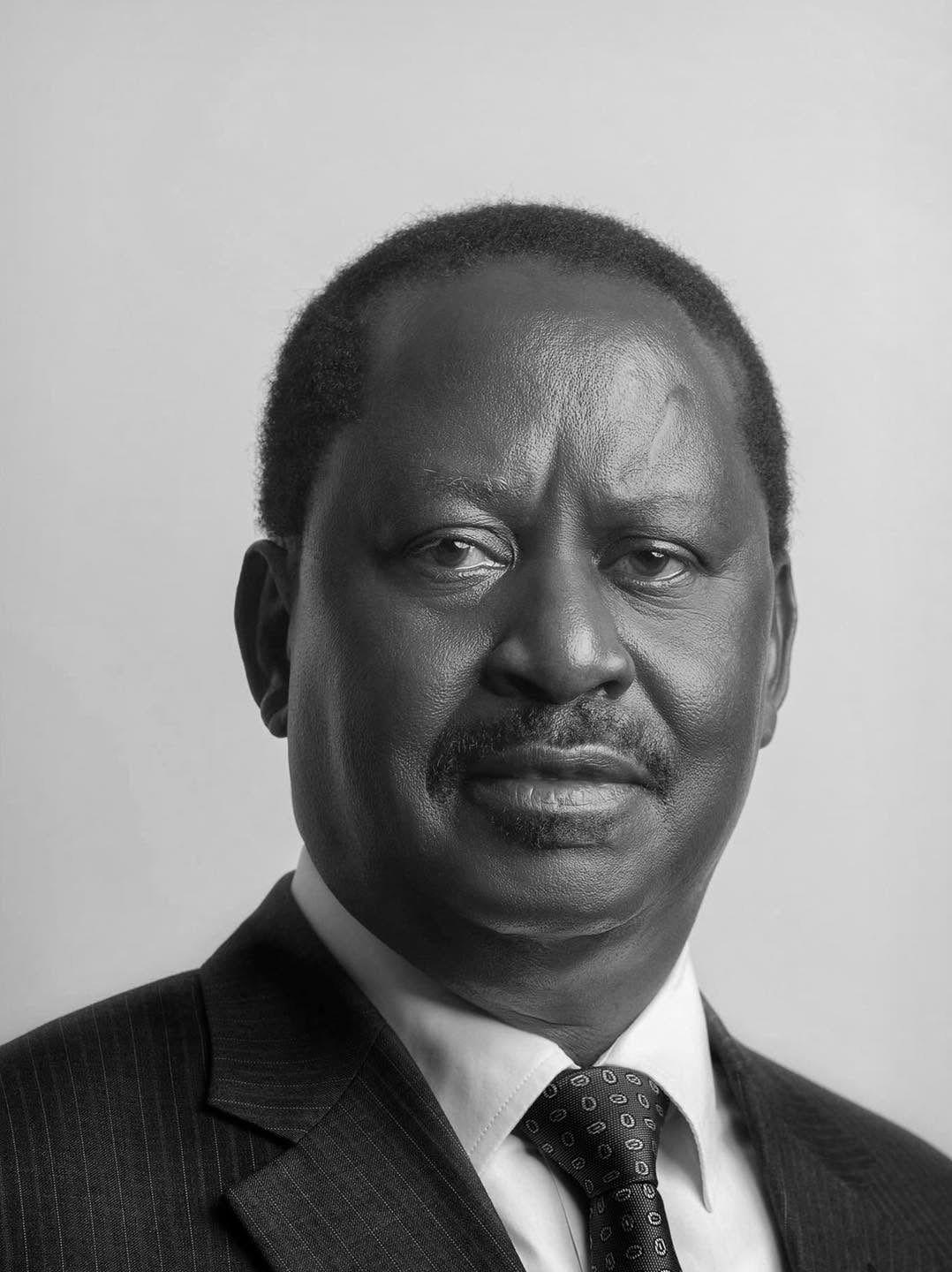
Raila’s legacy lies not in the office he failed to win, but in the democratic space he helped create for future generations to contest power peacefully. That, perhaps, is the most fitting tribute a democracy can offer.
Through the long decade of the 1980s, as Moi’s regime tightened its authoritarian grip, Odinga cycled in and out of prison, spending stretches in solitary confinement that would have silenced lesser men.
Opinion
How this desk works
Every investigative claim we publish is grounded in documents, official records or first-hand accounts, and wherever possible we publish the underlying evidence alongside the story so readers can judge it for themselves.
The people and institutions we report on are given a fair opportunity to respond before publication, and their responses are reflected in the piece. We distinguish clearly between what the record establishes and what remains an open question.
When we get something wrong, we correct it visibly and note what changed. We do not quietly edit the record.
The stories they’d rather you missed
One email, every week. The investigations, the analysis, and the paper trails, straight from our newsroom in Nairobi.