
Business
ARE YOU PASSING POWDERED MILK FROM UKRAINE AS FRESH? LAWYER QUESTIONS QUALITY OF KCC’S ‘GOLD CROWN’ MILK
If a lawyer in Nairobi can crack open a packet of that milk, pour it into a glass, and watch white sediment collect in a sieve, something has gone terribly, terribly wrong.


NAIROBI: A prominent Nairobi lawyer has thrown down the gauntlet to New Kenya Cooperative Creameries (New KCC), publicly questioning whether the state-owned dairy giant is secretly passing off reconstituted powdered milk as fresh Gold Crown milk to unsuspecting Kenyans.
Advocate Donald B. Kipkorir, a man who has built a career built on cutting through corporate and government excuses, posted photographic evidence on X on Monday morning that sent shockwaves across social media and had thousands of people watching within hours.
The images were damning.
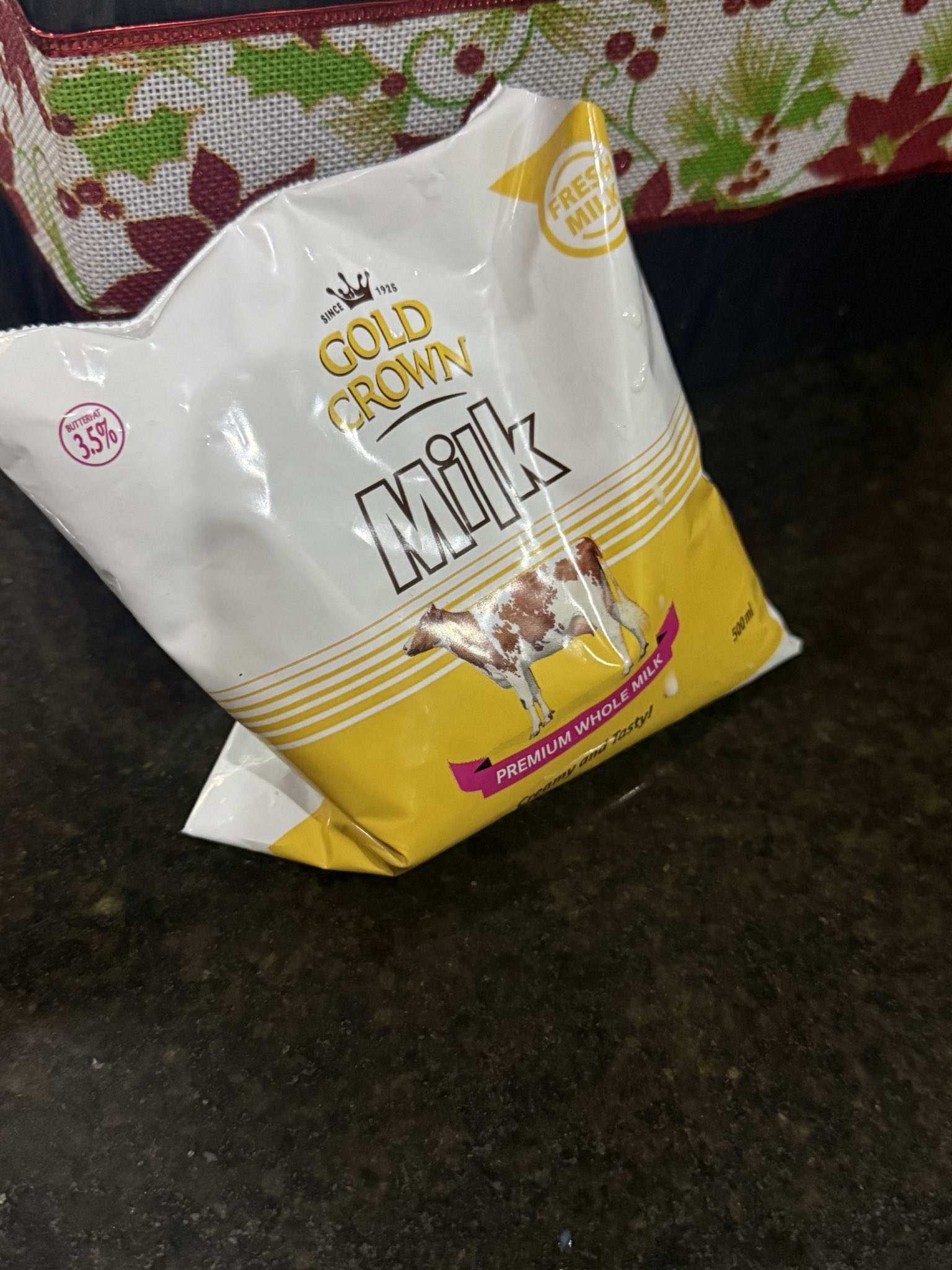
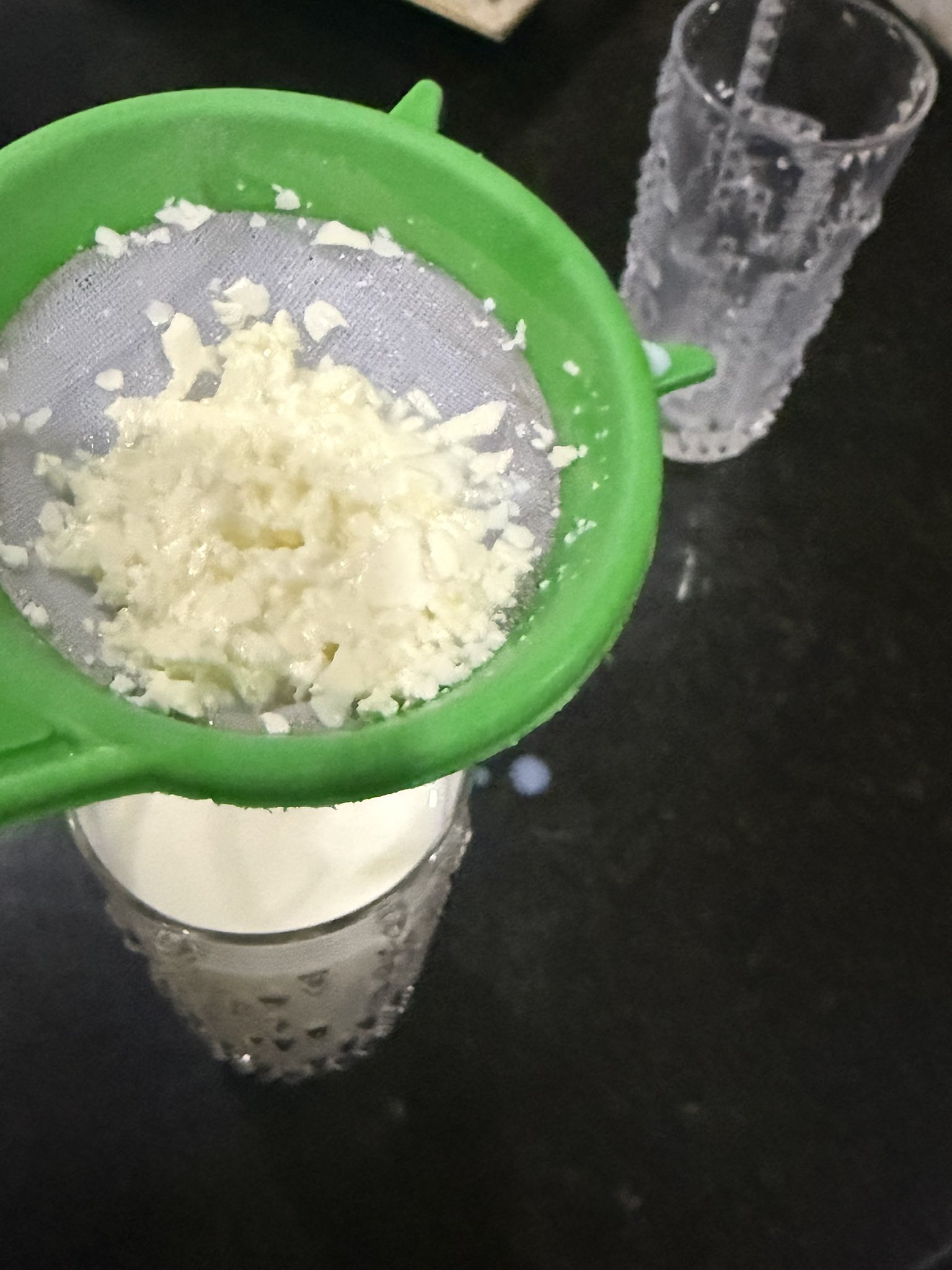
“For long, I have been using Fresh Gold Crown milk from KCC,” Kipkorir wrote in his post. “I take one glass of milk only as breakfast. But of late, the so called fresh milk from @newkcckenya tastes differently, has sediments which I have to use a sieve.”
Then came the question that stopped Kenya’s dairy industry in its tracks.
“Is KCC passing powdered milk from Ukraine as fresh milk instead of buying from local farmers?”
The lawyer went on to tag both the Kenya Bureau of Standards (KEBS) and the Kenya Dairy Board, demanding to know whether either body had actually verified that Gold Crown milk was fresh before stamping their seal of approval on it. “When will KCC rise from laziness and mediocrity?” he asked, in a line that has since been screenshotted, shared and quoted across every corner of Kenyan social media.
A SCANDAL WITH HISTORY
What makes this controversy particularly explosive is that it is not the first time New KCC has been accused of playing fast and loose with the origins of the milk in its packets.
Records held by the Food and Agriculture Organisation of the United Nations reveal that New KCC has, in the past, come under intense scrutiny over its association with the importation of contaminated milk powder from Ukraine, a consignment that was declared unfit for human consumption but was allegedly destined to be reconstituted by the creamery.
The scandal cost KCC significant market share at the time and left a scar on the brand that the company has spent years trying to heal.
And the practice of reconstituting powdered milk is not a secret inside New KCC.
In November 2021, New KCC Chairman Ignatius Kahiu openly admitted during a media interview that the company was converting powdered milk back into liquid milk due to a drought-driven shortage.
“We are being forced to reconstitute some of the powdered milk and blend it with fresh milk and back to the system,” Kahiu said at the time.
Meanwhile, separate from KCC, revelations have surfaced that Kenyan milk processors have been importing powdered milk from Uganda and reconstituting it into long-life milk at the expense of local dairy farmers.
The government has since impounded over 30 tonnes of illegally imported milk powder, worth an estimated Sh150 million, in a crackdown led by the DCI Anti-Counterfeit Unit.
THE NUMBERS TELL A DAMNING STORY
Kenya imported approximately $85.3 million worth of dairy products in 2023, of which 42 percent, roughly $36 million, was whole and skimmed milk powder. Uganda was the country’s top supplier, far ahead of the Netherlands, Belgium, Ireland and Germany. Even as Kenya was importing milk powder by the tonne, the country was simultaneously producing a surplus. Data from the Kenya National Bureau of Statistics shows milk output rose 30 percent from 4 million tons in 2020 to 5.28 million tons in 2023, with provisional 2024 estimates placing production at around 5.33 million tons.
So if Kenya is producing more milk than it needs, the question that hangs heavy in the air is this: why would KCC need to import powdered milk at all, let alone pass it off as fresh?
Meanwhile, Ukraine, the very country Kipkorir named in his allegations, has been quietly ramping up its dairy exports.
The Ukrainian dairy sector produced approximately 8.1 million tons of milk in 2023, with milk powder and whey each accounting for roughly 150,000 tons of processed output.
The primary dairy products leaving Ukraine include butter, skim milk powder, whole milk powder and lower value cheeses.
In May 2025 alone, Ukraine exported 14,880 tonnes of dairy products worth $50.83 million. The destinations, analysts note, stretch far beyond the European Union.
FARMERS ALREADY ON THEIR KNEES
The timing of Kipkorir’s allegations could not be worse for New KCC.
The state-owned processor is already under siege from hundreds of furious dairy farmers across the North and South Rift who have gone months without being paid for the milk they delivered.
As recently as November 2025, farmers staged protests outside the New KCC factory in Eldoret, some of them owed hundreds of thousands of shillings.
One farmer from Trans Nzoia, Anne Kwamboka, told reporters she was owed Sh500,000 and had been forced to lay off workers as her cows’ milk production dropped from 1,000 litres a day to 600 litres because she could no longer afford to feed them properly.
“We have been forced to sell our milk to private buyers just to raise some money to sustain our activities,” said another farmer, John Kirwa, from Eldoret.
If the allegations that KCC has been quietly importing powdered milk and reconstituting it rather than buying from these struggling local farmers are true, the implications go far beyond a quality scandal.
It would be nothing short of a betrayal of the very dairy farmers the cooperative was built to serve.
WHAT THE EXPERTS ARE SAYING
Brand and consumer trust analysts have wasted no time weighing in.
One commentary circulating widely on social media called the whole saga a textbook case of product integrity failure leading to brand erosion.
The analysis argued that for a legacy player like New KCC, the Gold Crown value proposition is anchored in premium freshness.
When the customer experience involves needing a sieve to drink what is supposed to be fresh milk, the brand promise is, in effect, broken.
The commentary went further, noting that vague supply chain origins, such as the powdered milk allegations, create what it called a credibility gap that competitors will exploit.
It urged New KCC to mount an immediate crisis communication response and commission a visible quality assurance audit, warning that silence in the face of such allegations would only accelerate the churn of customers away from Gold Crown.
KEBS AND KDB: WHERE ARE THEY?
Neither the Kenya Bureau of Standards nor the Kenya Dairy Board had issued a public response to Kipkorir’s allegations as of press time on Tuesday.
This silence has not gone unnoticed. Kipkorir himself called out both agencies directly in his post, demanding to know whether they had checked that Gold Crown milk was genuinely fresh before putting their stamps on it.
The scrutiny is not new for KEBS. Earlier in 2025, the bureau was forced to conduct a thorough investigation after similar social media allegations were made against Mount Kenya Milk, a product of the Meru Central Dairy Co-operative Union.
In that case, KEBS Director Dr. Godfrey Murira confirmed that the milk had passed all surveillance checks and carried both the Standardization Mark and the Diamond Mark. That investigation was resolved. This one, however, has yet to even begin.
NEW KCC: A COMPANY UNDER SIEGE
New KCC, once the dominant force in Kenya’s dairy sector with a 40 percent market share, has been battered by scandal, mismanagement and debt for years.
The company owes farmers hundreds of millions of shillings in unpaid arrears. Its processing plants, some of them decades old, have been described as almost obsolete.
The government has pledged billions in modernisation funds, including a reported Sh37 billion aid package from India, but progress has been painfully slow.
New KCC is the largest dairy processor in East and Central Africa, and its core business is supposed to be simple: procure high quality raw milk from Kenyan farmers, process it, package it, and sell it.
That is what Gold Crown is supposed to stand for.
If a lawyer in Nairobi can crack open a packet of that milk, pour it into a glass, and watch white sediment collect in a sieve, something has gone terribly, terribly wrong.
The ball is now firmly in the court of KEBS, the Kenya Dairy Board and New KCC itself. Kenyans, and the thousands of dairy farmers whose livelihoods depend on this company, are watching and waiting.
Kenya Insights allows guest blogging, if you want to be published on Kenya’s most authoritative and accurate blog, have an expose, news TIPS, story angles, human interest stories, drop us an email on [email protected] or via Telegram














KETRACO CEO Advert Marred By Controversies As Fears Grow That Kipkemoi Kibias Is A Predetermined Candidate

I Will Bribe Every Judge in Town- MP Jack Wamboka

KNH ON THE BRINK: How Corruption, Revenue Plunder and State Neglect Are Destroying Kenya’s Flagship Hospital

Receivers In TransCentury Sh6B KRA Tax Arrears Are Biased And Must Be Removed, COFEK Claims

The Man Behind the Badge: How Prof. Erastus Kanga Turned Kenya’s Premier Wildlife Agency into a Theatre of Corruption, Fear and Impunity

City Lawyer Conrad Maloba Arrested Over Fake Ambulance Fraud

How Little Known KwikBet Leveraged Stolen Kenyans Data To Build Its Empire

THE FIXER IN THE FILE ROOM: How Parliamentary Health Committee Clerk Adan Gindicha Cleared Mediheal Hospital of Organ Harvesting Claims Despite Mounting Evidence

Nairobi Freezes Binance Accounts in Sweeping Anti-Fraud Crackdown as Global Scandal Record Haunts World’s Largest Crypto Exchange

EXCLUSIVE: Odibets Bought Stolen Data From Millions Of Kenyans

Forged Legacy: How Kaplan and Stratton’s Peter Gachuhi Is Accused of Faking a Top AG’s Will as State Claims Damning Evidence

Inside Details Of Sh78 Billion Fraud in KPC’s Mombasa-Nairobi Line 5 Pipeline Project That Has Continued To Bleed The Country

The Lawyer at the Centre of Kenya’s State Machine: Eric Gumbo, the AG’s Bypassed Office, and the Half-Billion-Shilling Question

Sold And Abandoned: How Diageo and Asahi Are Locking Kenya’s EABL Minority Shareholders Out Of East Africa’s Biggest Corporate Heist

Poison at the Pump: How Kenya’s Fuel Marking System May Be Exposing Millions to Cancer-Causing Chemicals

How Firm Linked To Mombasa Tycoon Jaffer Was Allowed To Import Fuel At Bloated Price And Set To Make Billions In Profits From Iranian War Crisis In Kenya

THE ZAKHEM-ECOBANK MACHINE: How Kenya’s Courts Were Weaponised to Drain a State Corporation of Over KES 78 Billion

The Teflon Company: How Gulf Energy’s Insiders Built Billions on Kenya’s Fuel, and Walked Away Clean

Mombasa Lawyer Exposed In Sh600 Million Alleged Double-Dealing Diani Property Transaction

Kenyan Motorists Stare At Possible Engine Damage And Heavy Losses As Report Confirms Substandard Fuel In Circulation
-
 Business2 weeks ago
Kenyan Motorists Stare At Possible Engine Damage And Heavy Losses As Report Confirms Substandard Fuel In Circulation
-

 Business1 week ago
THE FUEL CABAL: How Mohamed Jaffer, a KPC Insider, and a Ministry Official Are Alleged to Have Manufactured Kenya’s Worst Petroleum Crisis in Three Years, While Kenyans Burned
-

 Business2 weeks ago
Getting Away With It: How Kenya’s Most Politically Connected Fuel Company Gulf Energy Is Pocketing Billions While Rival Firms Face Public Wrath
-

 Business2 weeks ago
How Safaricom Could Sell You Out To KRA
-
 Business5 days ago
Nairobi Freezes Binance Accounts in Sweeping Anti-Fraud Crackdown as Global Scandal Record Haunts World’s Largest Crypto Exchange
-
 Investigations5 days ago
EXCLUSIVE: Odibets Bought Stolen Data From Millions Of Kenyans
-

 Business2 weeks ago
Sugar Empire in the Dock: How Kibos’s Mombasa Refinery Landed 1,481 Phantom Tonnes at the Port — and Why Nine Government Agencies Are Now Watching Its Every Move
-

 Investigations6 days ago
THE BRAZEN RETURN: Triton Thief Yagnesh Devani, Who Pillaged Kenya of Sh7.6 Billion and Fled, Now Asks the Same Courts He Escaped to Restore His Stolen Wealth