
News
‘Wash Wash’ MP’s War on Bloggers: Jhanda’s Audacious Bill to Muzzle Social Media
The controversial legislator, whose own rise to political prominence has been shadowed by whispers and allegations, now wants to play gatekeeper to who gets to speak and who doesn’t in Kenya’s increasingly powerful social media landscape.

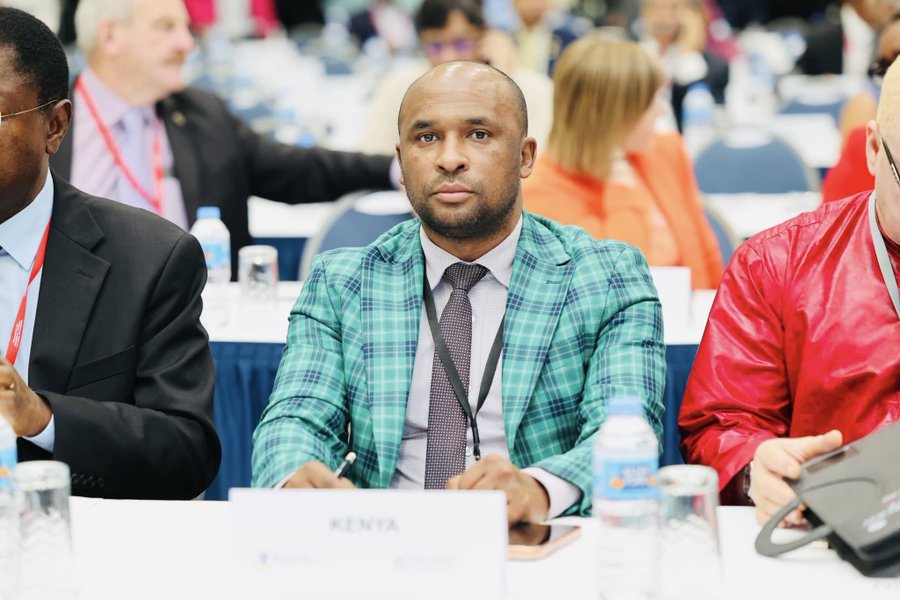
In a move that reeks of desperation and control, Nyaribari Chache Member of Parliament Zaheer Jhanda has declared war on Kenya’s vibrant digital space, announcing plans to sponsor a bill that would force influencers and content creators to hold university degrees before they can speak on professional matters online.
The controversial legislator, whose own rise to political prominence has been shadowed by whispers and allegations, now wants to play gatekeeper to who gets to speak and who doesn’t in Kenya’s increasingly powerful social media landscape.
On Tuesday, Jhanda boldly declared that his upcoming bill would require influencers discussing law, finance, health, or education to possess relevant degrees and recognition from professional bodies like the Law Society of Kenya, ICPAK, and the Media Council of Kenya.
“We cannot have a country where everyone is an expert,” Jhanda proclaimed, seemingly oblivious to the irony of a politician attempting to regulate an industry he barely understands.
The MP claims he’s borrowing from China’s draconian internet control playbook, citing new regulations that supposedly require influencers to prove their expertise before posting about sensitive topics. Never mind that these Chinese laws don’t actually exist in statute yet and must still be approved by the National People’s Congress. Details, apparently, are merely suggestions when you’re on a mission to control the narrative.
What Jhanda conveniently glosses over is that China’s internet regulations are part of a broader authoritarian framework designed to suppress dissent and control information flow in a nation of over a billion people. Now he wants Kenya to follow suit, packaging censorship as consumer protection.
The proposed law would compel content creators to display their academic credentials on their profiles when discussing professional matters, effectively creating a two-tier digital class system where only the formally educated elite can participate in important conversations. Self-taught experts, community leaders with decades of practical experience, and citizen journalists who’ve been exposing corruption and holding power to account would all be silenced.
Critics are already calling out the obvious: this is less about protecting Kenyans from misinformation and more about controlling a digital space that has become increasingly hostile to politicians caught with their hands in the cookie jar. Social media has been the great equalizer, giving ordinary Kenyans the power to question, challenge, and expose their leaders. No wonder some in Parliament are scrambling to rein it in.
The timing is particularly suspicious. As Kenya grapples with real issues like economic hardship, corruption scandals, and governance failures, Jhanda has chosen to target the very platforms where these conversations are happening most vigorously. One can’t help but wonder whose interests this bill really serves.
Kenyans online have already begun dissecting the proposal, with many pointing out the absurdity of requiring a law degree to discuss legal matters online while MPs with questionable academic credentials regularly pontificate on complex policy issues in Parliament. The double standard is glaring.
If this bill passes, Kenya would become one of the first African countries to impose such draconian academic requirements on digital content creators, a dubious distinction that would position the country alongside authoritarian regimes rather than the democratic nations it claims to emulate.
The real question Kenyans should be asking is this: why is an MP more concerned about regulating bloggers than fixing the country’s pressing problems? Perhaps because when the people are busy debating degree requirements, they’re not asking harder questions about how their leaders acquired their wealth or why campaign promises remain unfulfilled.
Jhanda’s bill is a solution in search of a problem, a sledgehammer approach to what requires nuance and genuine engagement with digital literacy. Kenya already has cybercrime laws that address misinformation and fraudulent content. What it doesn’t need is yet another mechanism for politicians to control public discourse and silence inconvenient voices.
As this proposal makes its way through Parliament, Kenyans would do well to remember that the freedom to speak, to question, and to hold power accountable is not a privilege granted by politicians. It’s a constitutional right that must be fiercely protected, especially when those in power are working overtime to take it away.
Kenya Insights allows guest blogging, if you want to be published on Kenya’s most authoritative and accurate blog, have an expose, news TIPS, story angles, human interest stories, drop us an email on [email protected] or via Telegram








Kenyan Kennedy Mugambi Dragged into South Sudan Oil Heist

Denial Under Duress: The Untold Collapse Threatening David Lagat’s DL Group’s Empire

Stung By West Africa Rejections, France Courts Rest Of Continent at Kenya Summit

THE INSURER THAT TOOK YOUR PREMIUM AND FORGOT YOUR NAME: How ICEA Lion Left a Client Begging for Sh7.8 Million Across Four Months

Safaricom’s Sh1.4 Billion Reckoning: How Kenya’s Most Profitable Company Stole a Man’s Idea and Got Caught

Bush Air Safaris Founder John Ndiritu Risks Losing Property Over Disputed Loan Claim

Bia Tosha’s Claim For Injunction Is Designed To Sabotage The Sh300bn Sale of EABL Shares

KDC Accelerates the Creative Economy, Innovation and Youth-Led Enterprise Growth at Africa Forward Summit

Luxury Play for Influence: Inside Kempinski’s High-Stakes Bet on Brazzaville

Kenya Rallies Behind Justice Njoki Ndung’u in Historic Bid for ICC Judgeship

How Did a Sh468K KRA Salary Allegedly Turn Into Sh30 Billion? Questions Deepen Over Commissioner George Obel and Ciala Resort Owner’s Wealth

Nairobi Freezes Binance Accounts in Sweeping Anti-Fraud Crackdown as Global Scandal Record Haunts World’s Largest Crypto Exchange

The Man Behind the Badge: How Prof. Erastus Kanga Turned Kenya’s Premier Wildlife Agency into a Theatre of Corruption, Fear and Impunity

THE UNTOUCHABLE CLERK: How Fatuma Mwalupa Allegedly Turned Kwale Assembly Into a Personal Treasury and Outsmarted Scrutiny

THE BRAZEN RETURN: Triton Thief Yagnesh Devani, Who Pillaged Kenya of Sh7.6 Billion and Fled, Now Asks the Same Courts He Escaped to Restore His Stolen Wealth

Green Gold, Rotten Roots: How Kenya’s Biggest Avocado Firms Hijacked a Sh5.8 Billion Harvest Ban

Kenyan Motorists Stare At Possible Engine Damage And Heavy Losses As Report Confirms Substandard Fuel In Circulation

TotalEnergies Moves to Sue TikToker for Sh10 Million Over Contaminated Fuel Claim as Kenya’s Petroleum Sector Burns

KETRACO CEO Advert Marred By Controversies As Fears Grow That Kipkemoi Kibias Is A Predetermined Candidate

Why the April 21 Flopped Protests Expose Kenya’s Rudderless Opposition
-
 Investigations2 weeks ago
How Did a Sh468K KRA Salary Allegedly Turn Into Sh30 Billion? Questions Deepen Over Commissioner George Obel and Ciala Resort Owner’s Wealth
-
 Business2 weeks ago
Green Gold, Rotten Roots: How Kenya’s Biggest Avocado Firms Hijacked a Sh5.8 Billion Harvest Ban
-

 Africa1 week ago
The $24 Million Heist at the End of the World
-

 Investigations2 weeks ago
Serial Scammers Strike Again: How Kelvin ‘Sonko’ Onyango and Seth Steve Okute Built a Gold Fraud Empire on Kenya’s Reputation
-

 Business2 weeks ago
High Court to Set the Record Straight in Long-Running Bia Tosha Petition
-
 Investigations2 weeks ago
The Greek Heist: How Inform Lykos Allegedly Robbed Kenyan Taxpayers of Sh650 Million While Printing the Nation’s Exams and Ballots
-

 Investigations1 week ago
The Judge, The Disgraced Magistrate, The Auctioneer-Husband, The Fixer And The Lawyer: Anatomy Of A Sh16 Million Judicial Bribery Racket
-

 Business2 weeks ago
Fly 748 Returns to Kenya’s Skies With Fresh Push for Affordable Coastal Travel