
Investigations
Suspect NSSF Trades Expose How Sh12bn Loss Hit Workers’ Retirement Savings

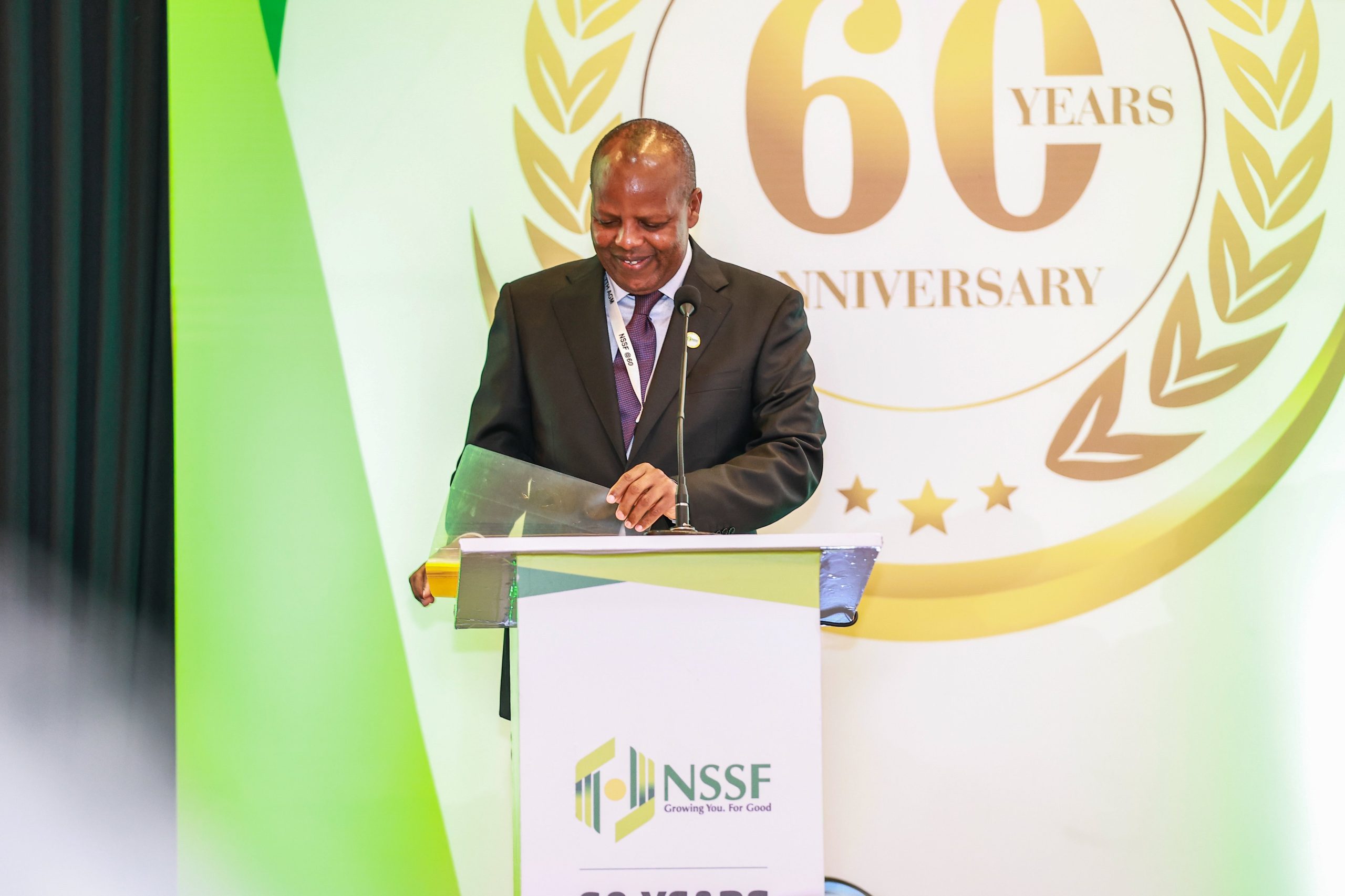
A Sh12 billion scandal is rocking Kenya’s National Social Security Fund (NSSF), with evidence now pointing to massive losses of workers’ retirement savings due to irregular bond trades.
The shady deals, flagged by the Auditor-General, involved buying treasury bonds at high prices and selling them at a loss.
Parliament is probing the matter, which appears to have handed billions to shadowy beneficiaries while ordinary contributors stare at a bleak future.
This isn’t just a case of poor judgment — it’s a deliberate betrayal of public trust. As MPs demand answers, the scandal raises a bigger question: who’s really safeguarding Kenyans’ pensions?
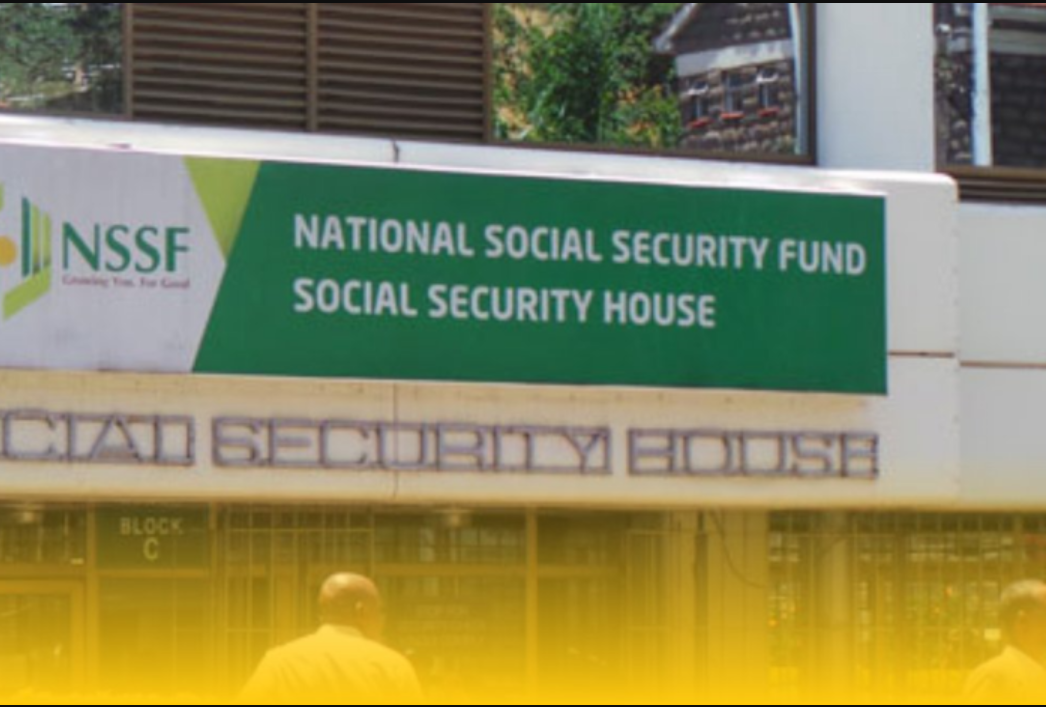
The suspect NSSF trades scandal is a wake-up call for Kenya. It shows the urgent need for reform, transparency, and accountability in how workers’ retirement savings are managed. Parliament must move swiftly, not only to recover the lost billions but to ensure that such a betrayal never happens again. [Photo: Courtesy]
Suspect NSSF Trades Cost Workers Billions in Retirement Funds
The National Social Security Fund (NSSF) is once again in the spotlight — this time for engaging in questionable trades involving treasury bonds worth Sh12 billion. The 2023/24 audit by Auditor-General Nancy Gathungu reveals that NSSF bought bonds at a premium but sold them off at lower prices, causing a massive financial loss. These suspect NSSF trades were done in complete disregard of investment policies meant to protect workers’ savings.
According to the audit, bonds worth Sh5.2 billion were sold at Sh4.32 billion — a shocking Sh789.2 million shortfall. This transaction violated the NSSF’s own 2020 Investment Policy Statement, which stresses that all investments must be made prudently and in a way that maximizes returns for contributors.
NSSF CEO David Koross, appearing before Parliament’s Public Investments Committee on Social Services, Administration and Agriculture (PIC-SSAA), struggled to explain the trades. Despite acknowledging that the bonds were offloaded at a loss, he insisted the investments were carried out by six external fund managers.
These managers were given full discretion, though they were supposedly guided by the fund’s policies. But that explanation didn’t sit well with MPs. Saboti MP Caleb Amisi, who chaired the session, demanded to know why such a large sum was managed so recklessly.
“We’re talking about Sh12 billion in bond transactions,” Amisi said. “Was this really the most efficient way to invest public funds?”
MPs Demand Accountability from Regulators
The fallout is growing. Members of Parliament now want officials from the Central Bank of Kenya (CBK) and Capital Markets Authority (CMA) summoned to explain how these suspect NSSF trades were allowed to happen.
Both institutions are regulators in the financial space and are supposed to ensure that such transactions meet legal and ethical standards.
According to sources in Parliament, the Finance and National Planning Committee is also digging deeper into two Central Securities Depository (CSD) accounts held by NSSF — one linked to an individual and another to a commercial bank. The suspicion is that these accounts were possibly used to funnel public funds into private hands.
The situation has triggered calls for a full-blown investigation, not just into the bond trades, but into the entire structure of NSSF’s investment strategy and its partnerships with external fund managers.
“We need to know who really benefitted from these transactions,” said one MP. “Because it clearly wasn’t the workers.”
Why This Matters for Every Kenyan Worker
NSSF was created to protect the financial future of Kenyan workers. Every month, millions of contributors put money into the fund, believing that it will be there for them when they retire. But this scandal shows just how vulnerable those savings are when oversight is weak and decisions are made behind closed doors.
The use of fund managers with little transparency, the apparent violation of internal policies, and the refusal to accept responsibility suggest a much deeper rot at the core of NSSF’s operations.
The Auditor-General’s report is clear: the trades were done against the rules. And yet, there seems to be no urgency from the fund’s leadership to admit fault or offer a plan to recover the losses.
This isn’t just about numbers on a page. This is about workers — teachers, clerks, drivers, nurses — who may never see the full value of their retirement savings because of poor decisions and possible corruption.
If this level of financial mismanagement can happen without consequences, then the very idea of a public pension fund becomes meaningless.
Kenya Insights allows guest blogging, if you want to be published on Kenya’s most authoritative and accurate blog, have an expose, news TIPS, story angles, human interest stories, drop us an email on [email protected] or via Telegram


Denial Under Duress: The Untold Collapse Threatening David Lagat’s DL Group’s Empire

Stung By West Africa Rejections, France Courts Rest Of Continent at Kenya Summit

THE INSURER THAT TOOK YOUR PREMIUM AND FORGOT YOUR NAME: How ICEA Lion Left a Client Begging for Sh7.8 Million Across Four Months

Safaricom’s Sh1.4 Billion Reckoning: How Kenya’s Most Profitable Company Stole a Man’s Idea and Got Caught

Bush Air Safaris Founder John Ndiritu Risks Losing Property Over Disputed Loan Claim

Bia Tosha’s Claim For Injunction Is Designed To Sabotage The Sh300bn Sale of EABL Shares

KDC Accelerates the Creative Economy, Innovation and Youth-Led Enterprise Growth at Africa Forward Summit

Luxury Play for Influence: Inside Kempinski’s High-Stakes Bet on Brazzaville

Kenya Rallies Behind Justice Njoki Ndung’u in Historic Bid for ICC Judgeship

The $24 Million Heist at the End of the World

How Did a Sh468K KRA Salary Allegedly Turn Into Sh30 Billion? Questions Deepen Over Commissioner George Obel and Ciala Resort Owner’s Wealth

Nairobi Freezes Binance Accounts in Sweeping Anti-Fraud Crackdown as Global Scandal Record Haunts World’s Largest Crypto Exchange

The Man Behind the Badge: How Prof. Erastus Kanga Turned Kenya’s Premier Wildlife Agency into a Theatre of Corruption, Fear and Impunity

THE UNTOUCHABLE CLERK: How Fatuma Mwalupa Allegedly Turned Kwale Assembly Into a Personal Treasury and Outsmarted Scrutiny

THE BRAZEN RETURN: Triton Thief Yagnesh Devani, Who Pillaged Kenya of Sh7.6 Billion and Fled, Now Asks the Same Courts He Escaped to Restore His Stolen Wealth

Green Gold, Rotten Roots: How Kenya’s Biggest Avocado Firms Hijacked a Sh5.8 Billion Harvest Ban

Kenyan Motorists Stare At Possible Engine Damage And Heavy Losses As Report Confirms Substandard Fuel In Circulation

TotalEnergies Moves to Sue TikToker for Sh10 Million Over Contaminated Fuel Claim as Kenya’s Petroleum Sector Burns

KETRACO CEO Advert Marred By Controversies As Fears Grow That Kipkemoi Kibias Is A Predetermined Candidate

Why the April 21 Flopped Protests Expose Kenya’s Rudderless Opposition
-
 Investigations2 weeks ago
How Did a Sh468K KRA Salary Allegedly Turn Into Sh30 Billion? Questions Deepen Over Commissioner George Obel and Ciala Resort Owner’s Wealth
-
 Business2 weeks ago
Green Gold, Rotten Roots: How Kenya’s Biggest Avocado Firms Hijacked a Sh5.8 Billion Harvest Ban
-
 Africa1 week ago
The $24 Million Heist at the End of the World
-

 Investigations2 weeks ago
Serial Scammers Strike Again: How Kelvin ‘Sonko’ Onyango and Seth Steve Okute Built a Gold Fraud Empire on Kenya’s Reputation
-
 Business2 weeks ago
High Court to Set the Record Straight in Long-Running Bia Tosha Petition
-
 Investigations2 weeks ago
The Greek Heist: How Inform Lykos Allegedly Robbed Kenyan Taxpayers of Sh650 Million While Printing the Nation’s Exams and Ballots
-

 Investigations1 week ago
The Judge, The Disgraced Magistrate, The Auctioneer-Husband, The Fixer And The Lawyer: Anatomy Of A Sh16 Million Judicial Bribery Racket
-

 Business2 weeks ago
Fly 748 Returns to Kenya’s Skies With Fresh Push for Affordable Coastal Travel