
Business
Coca-Cola Recalls Drinks Over Safety Concerns
Coca-Cola recalled its drinks in several countries across Europe on Monday because of excessive levels of a potentially harmful substance. The recall concerns cans and glass bottles of Coke, Sprite, Fuze Tea and other beverages distributed in Belgium, the Netherlands, Britain, Germany, France and Luxembourg since November.

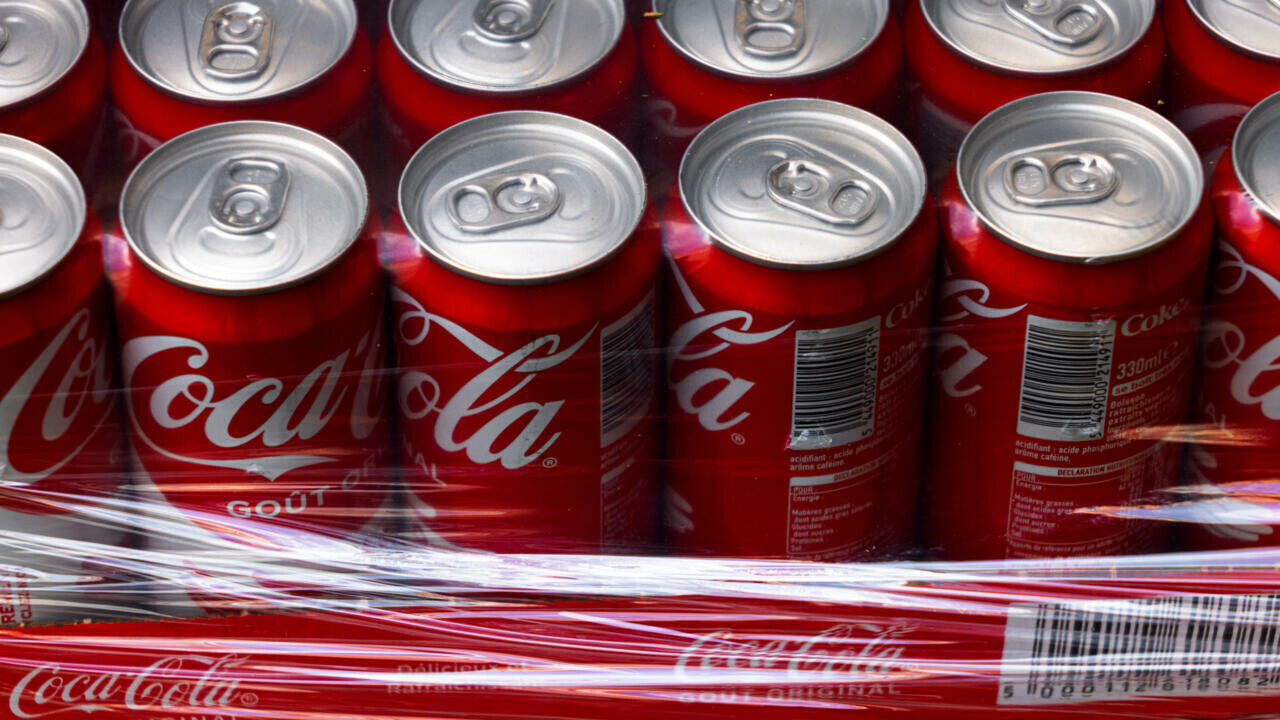
Coca-Cola has recalled its drinks in some countries across Europe because they contain “higher levels” of a chemical called chlorate.
The firm said in a statement that the recall was focused on Belgium, Luxembourg, and the Netherlands. It added that just five product lines had been shipped to Britain and had already been sold.
Affected products include the Coke, Fanta, Sprite, Tropico and Minute Maid brands, according to the Belgium branch of Coca-Cola’s international bottling and distribution operation.
Chlorate can be produced when chlorine-based disinfectants are used in water treatment and food processing.
“Independent expert analysis concludes that any associated risk for consumers is very low,” a spokesperson told the BBC.
Coca-Cola said it had not received any consumer complaints in Great Britain, and that it had “alerted the authorities on this matter and will continue to collaborate with them.”
The company did not specify which products have been affected in the UK but said the five product lines were shipped to the UK towards the end of last year.
Anne Gravett from the Food Standards Agency said it was investigating.
“If we identify any unsafe food, we’ll take action to ensure it is removed and alert consumers,” she added.
Exposure to high levels of chlorate can cause health problems including thyroid problems, especially among children and infants.
NHS and private nutritionist Caron Grazette told the BBC: “We need to question whether or not we want to digest chemicals in soft drinks which are used in the production of fireworks and disinfectants, however small the quantity”.
Chlorate’s effects on humans when taken in excess include nausea, vomiting, diarrhoea, and limiting the blood’s ability to absorb oxygen, added Ms Grazette, citing recent research into the chemical.
The higher levels of chlorate were discovered during routine testing at the company’s production facility in Ghent, Belgium, according to an unnamed company spokesperson quoted by the AFP news agency.
The majority of unsold products had been withdrawn from shelves, according to AFP, and the company was in the process of withdrawing the rest.
A Coca-Cola spokesperson said it “considers the quality and safety of its products as its top priority”.
(BBC)
Kenya Insights allows guest blogging, if you want to be published on Kenya’s most authoritative and accurate blog, have an expose, news TIPS, story angles, human interest stories, drop us an email on [email protected] or via Telegram





Kenyan Kennedy Mugambi Dragged into South Sudan Oil Heist

Denial Under Duress: The Untold Collapse Threatening David Lagat’s DL Group’s Empire

Stung By West Africa Rejections, France Courts Rest Of Continent at Kenya Summit

THE INSURER THAT TOOK YOUR PREMIUM AND FORGOT YOUR NAME: How ICEA Lion Left a Client Begging for Sh7.8 Million Across Four Months

Safaricom’s Sh1.4 Billion Reckoning: How Kenya’s Most Profitable Company Stole a Man’s Idea and Got Caught

Bush Air Safaris Founder John Ndiritu Risks Losing Property Over Disputed Loan Claim

Bia Tosha’s Claim For Injunction Is Designed To Sabotage The Sh300bn Sale of EABL Shares

KDC Accelerates the Creative Economy, Innovation and Youth-Led Enterprise Growth at Africa Forward Summit

Luxury Play for Influence: Inside Kempinski’s High-Stakes Bet on Brazzaville

Kenya Rallies Behind Justice Njoki Ndung’u in Historic Bid for ICC Judgeship

How Did a Sh468K KRA Salary Allegedly Turn Into Sh30 Billion? Questions Deepen Over Commissioner George Obel and Ciala Resort Owner’s Wealth

Nairobi Freezes Binance Accounts in Sweeping Anti-Fraud Crackdown as Global Scandal Record Haunts World’s Largest Crypto Exchange

The Man Behind the Badge: How Prof. Erastus Kanga Turned Kenya’s Premier Wildlife Agency into a Theatre of Corruption, Fear and Impunity

THE UNTOUCHABLE CLERK: How Fatuma Mwalupa Allegedly Turned Kwale Assembly Into a Personal Treasury and Outsmarted Scrutiny

THE BRAZEN RETURN: Triton Thief Yagnesh Devani, Who Pillaged Kenya of Sh7.6 Billion and Fled, Now Asks the Same Courts He Escaped to Restore His Stolen Wealth

Green Gold, Rotten Roots: How Kenya’s Biggest Avocado Firms Hijacked a Sh5.8 Billion Harvest Ban

Kenyan Motorists Stare At Possible Engine Damage And Heavy Losses As Report Confirms Substandard Fuel In Circulation

TotalEnergies Moves to Sue TikToker for Sh10 Million Over Contaminated Fuel Claim as Kenya’s Petroleum Sector Burns

KETRACO CEO Advert Marred By Controversies As Fears Grow That Kipkemoi Kibias Is A Predetermined Candidate

Why the April 21 Flopped Protests Expose Kenya’s Rudderless Opposition
-
 Investigations2 weeks ago
How Did a Sh468K KRA Salary Allegedly Turn Into Sh30 Billion? Questions Deepen Over Commissioner George Obel and Ciala Resort Owner’s Wealth
-
 Business2 weeks ago
Green Gold, Rotten Roots: How Kenya’s Biggest Avocado Firms Hijacked a Sh5.8 Billion Harvest Ban
-

 Africa1 week ago
The $24 Million Heist at the End of the World
-

 Investigations2 weeks ago
Serial Scammers Strike Again: How Kelvin ‘Sonko’ Onyango and Seth Steve Okute Built a Gold Fraud Empire on Kenya’s Reputation
-
 Business2 weeks ago
High Court to Set the Record Straight in Long-Running Bia Tosha Petition
-
 Investigations2 weeks ago
The Greek Heist: How Inform Lykos Allegedly Robbed Kenyan Taxpayers of Sh650 Million While Printing the Nation’s Exams and Ballots
-

 Investigations1 week ago
The Judge, The Disgraced Magistrate, The Auctioneer-Husband, The Fixer And The Lawyer: Anatomy Of A Sh16 Million Judicial Bribery Racket
-

 Business2 weeks ago
Fly 748 Returns to Kenya’s Skies With Fresh Push for Affordable Coastal Travel