
Opinion
Cyprine Omogi: Training Institutions & Building a Corruption-Free Society


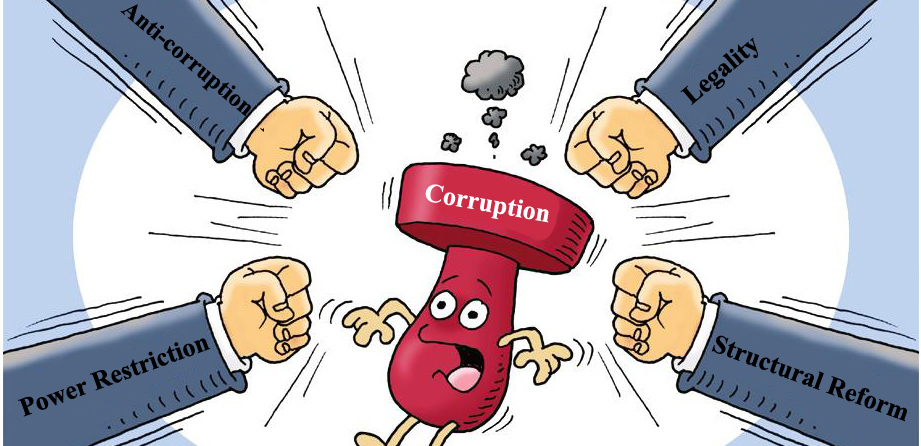
Training institutions play a vital role in equipping individuals with the knowledge, skills, and attitudes necessary to combat corruption effectively.
Corruption poses a significant threat to the functioning of both public and private sectors, and comprehensive training is essential to raise awareness, prevent corrupt practices, and foster a culture of integrity.
By providing education on the nature of corruption, legal frameworks, ethical standards, and strategies for prevention, training institutions empower personnel to make informed decisions and contribute to a corruption-free society.
Courtesy
Cyprine Omogi: Understanding Corruption and its Implications
Corruption, as defined by the World Bank, refers to the abuse of power for personal gain or the benefit of a particular group.
It manifests in various forms such as extortive, transactive, investive, and collusive corruption, affecting different sectors within an organization.
Training on corruption helps individuals grasp the nuances of these corrupt practices, enabling them to identify and address potential issues before they escalate.
Promoting Ethical Behavior and Integrity
The integrity of personnel is of paramount importance in preventing corruption. As renowned businessman Warren Buffet suggests, integrity is a critical trait to look for when employing individuals.
Training institutions instill a strong sense of ethical behavior, emphasizing the importance of aligning personal desires with organizational interests.
By understanding the Leadership and Integrity Act 2012, code of conduct and ethics, and other relevant laws and policies, individuals learn to navigate conflicts of interest, adhere to gift thresholds, and maintain the highest standards of professionalism.
Preventing Corruption and Ensuring Efficiency
Corruption has far-reaching consequences, affecting social, economic, and political aspects of society. It thrives when individuals lack proper training or succumb to greed.
Effective training equips personnel with tools and strategies to prevent corruption, ensure the efficient utilization of resources, promote creativity and innovativeness, and improve overall organizational performance.
By fostering a culture of transparency and accountability, training institutions contribute to the long-term success and sustainability of public and private sector organizations.
Image: AACI
Cyprine Omogi: The Role of Training Institutions
Training institutions, such as the Ethics and Anti-Corruption Commission’s Directorate of Preventive Services Education Department, play a crucial role in combating corruption in both the public and private sectors.
Through their programs, they provide comprehensive training to individuals, enhancing their understanding of corruption, its consequences, and the legal framework in place to prevent it.
By targeting both new recruits and experienced personnel, these institutions ensure that organizations continue to operate efficiently and effectively, even after the retirement of key leaders.
This article reflects the opinions of Cyprine Omogi, the Education Officer at the Ethics and Anti-Corruption Commission in Kenya. Omogi is known for being a strong advocate for transparency and the establishment of a society free from corruption.
Kenya Insights allows guest blogging, if you want to be published on Kenya’s most authoritative and accurate blog, have an expose, news TIPS, story angles, human interest stories, drop us an email on [email protected] or via Telegram












Karua Detained at Entebbe as Uganda Blocks Besigye Lawyer From Entering Country

How KCB and Airtel Turned Kenya’s Unbanked Into a Data Goldmine Behind a ‘Financial Inclusion’ Deal

The Chivayo Network: How a Convicted Fraudster Won Access to Presidents, Passports and Billion-Dollar Deals Across Africa

BURRIED TWICE: The Victoria Bank CEO Yogesh Pattni Files

Court Stops Transfer Of EABL Shares To Asahi By Diageo In A Fresh Snag

Death Before Justice: Stephen Ngei, Victim of Sh180 Million Laptop Tender Scam Linked to Allan Chesang, Killed in Highway Crash

Court Brands Sh1.1 Billion Fee Demand by Lawyer Victor Swanya “Excessive and Exorbitant,” Exposes How City Hall Lets Public Money Bleed Through Legal Bills

Trump Unveils New Air Force One

MR. NO SHOW: Finance Bill 2026 Exposes Ndindi Nyoro’s Political Conmanship

Billionaire Eric Muli Rebukes Musalia Mudavadi Over Nairobi Capital Relocation Debate

Businessman Philip Waithaka Kinuthia’s Minor Son Allegedly Drove Drunk, Killed Two Peponi Students in Ngong Road Horror Crash as Claims of Cover-Up Intensify

Inside NCBA’s Decline: How a Banking Giant Lost Its Strategic Edge

Cement, Cash and Courts: How the Hashu Dynasty Crushed the Ramji Brothers for Fourteen Years and Why the Walls Are Now Closing In

Standard Chartered Ghosts Haunt Joshua Oigara At Stanbic As Whistleblower Spills Beans

South Sudan: Adut Salva Kiir’s Shadow Treasury Exposed

Inside The Urban Planning Cartel That Owns Nairobi

THE VULTURE AND THE SCHEME How Nairobi West Hospital Became the Most Dangerous Institution in Kenya’s SHA Ecosystem and Why the Books Must Be Audited Now

How Adil Popat Saved His Empire On The Eve Of Imperial Bank Collapse and Why Kenya’s Mainstream Media Buried The Story

The President’s Daughter and The Missing Witness: How Adut Salva Kiir’s Shadow Treasury Silenced Its Most Dangerous Critic

Why John Ngumi Is Running From the EACC and Why the Sh415 Million Payday May Be the Least of His Worries
-
 News1 week ago
Businessman Philip Waithaka Kinuthia’s Minor Son Allegedly Drove Drunk, Killed Two Peponi Students in Ngong Road Horror Crash as Claims of Cover-Up Intensify
-
 Business2 weeks ago
Inside NCBA’s Decline: How a Banking Giant Lost Its Strategic Edge
-
 Business2 weeks ago
Standard Chartered Ghosts Haunt Joshua Oigara At Stanbic As Whistleblower Spills Beans
-
 Africa1 week ago
South Sudan: Adut Salva Kiir’s Shadow Treasury Exposed
-
 Investigations4 days ago
THE VULTURE AND THE SCHEME How Nairobi West Hospital Became the Most Dangerous Institution in Kenya’s SHA Ecosystem and Why the Books Must Be Audited Now
-
 Business1 week ago
How Adil Popat Saved His Empire On The Eve Of Imperial Bank Collapse and Why Kenya’s Mainstream Media Buried The Story
-
 Africa2 weeks ago
The President’s Daughter and The Missing Witness: How Adut Salva Kiir’s Shadow Treasury Silenced Its Most Dangerous Critic
-
 Business2 weeks ago
Why John Ngumi Is Running From the EACC and Why the Sh415 Million Payday May Be the Least of His Worries