
Economy
World Bank Bans 3 PwC African Subsidiaries


The World Bank Group has barred Mauritius-based PricewaterhouseCoopers Associates Africa Ltd., along with PricewaterhouseCoopers Limited Kenya and PricewaterhouseCoopers Rwanda Limited, from its projects for 21 months, with the possibility of early reinstatement if certain conditions are met. The action follows findings of misconduct tied to a major cross-border electricity project linking Ethiopia and Kenya.
The sanctions relate to the Eastern Electricity Highway Project, which forms part of a wider regional effort to strengthen power integration across East Africa. The project is intended to enable Ethiopia to export surplus electricity to Kenya, while helping to lower energy costs across the region.
The move also comes against the backdrop of PwC’s history of regulatory scrutiny in different parts of the world, where it has faced penalties ranging from fines and reprimands to temporary bans and suspensions—making the latest sanction in Africa broadly in line with previous disciplinary actions.
According to the World Bank, the issues arose during the selection and execution of the Fixed Asset Inventory and Revaluation contract for the Ethiopian Electric Utility. It found that PwC Associates misrepresented the availability, qualifications, and employment status of key experts, and did not fully disclose all subconsultants involved in the project.
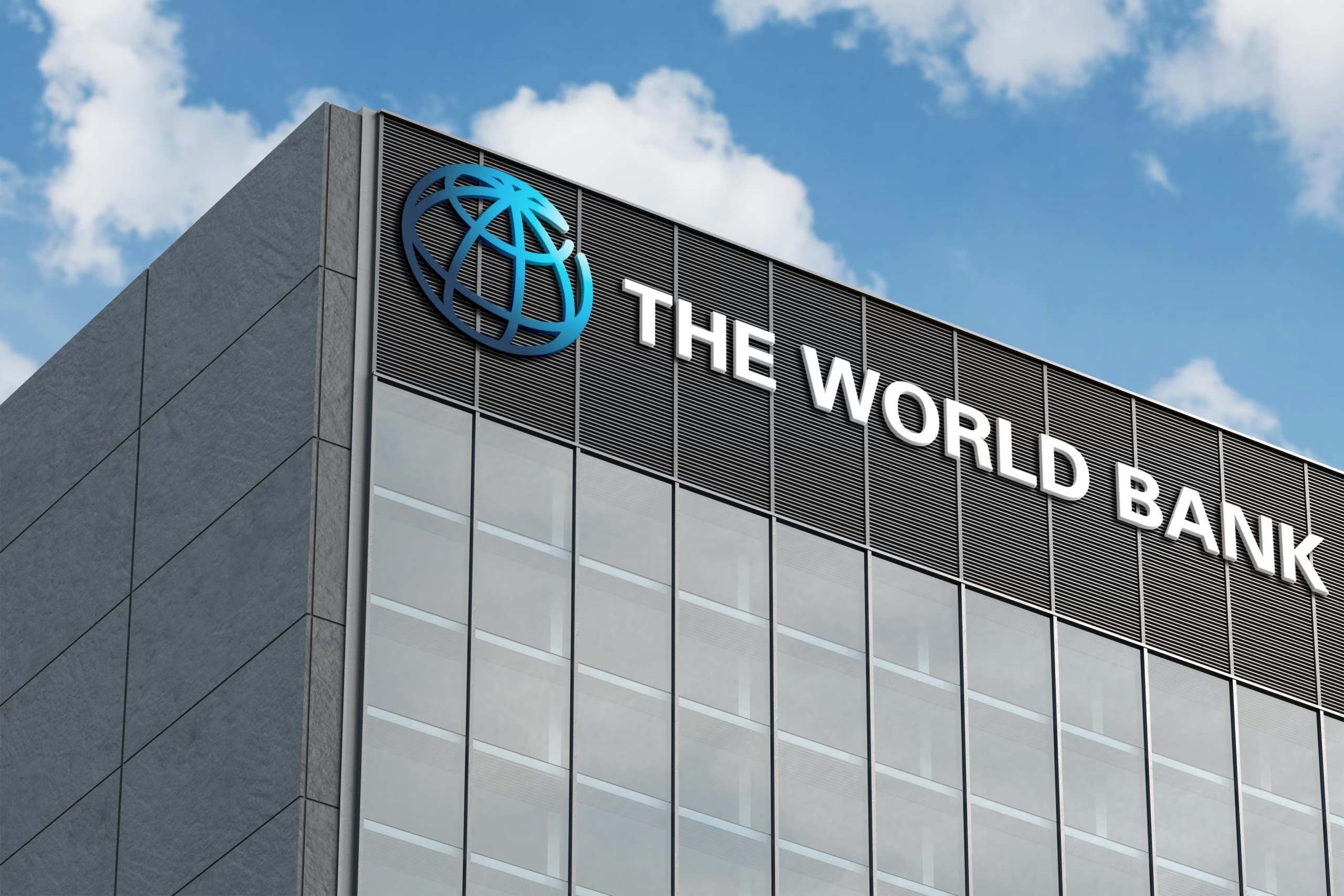
World Bank Bans 3 PwC African Subsidiaries for 21 Months
“The debarment makes PwC Associates, PwC Kenya, PwC Rwanda, and any affiliates they control ineligible to participate in Bank Group-financed projects and operations. It is part of a settlement agreement under which the three companies admit culpability for sanctionable practices.” the report added.
One of the entities provided misleading details on the expertise and availability of key personnel and did not release the full subcontracting arrangements, an action that didn’t meet World Bank’s integrity standards.
As part of a negotiated settlement, the companies acknowledged their role in the misconduct and agreed to corrective measures. These include internal disciplinary steps, compliance reforms, staff training, and cooperation with ongoing oversight processes. The reduced length of the ban reflects these remedial efforts.
Kenya Insights allows guest blogging, if you want to be published on Kenya’s most authoritative and accurate blog, have an expose, news TIPS, story angles, human interest stories, drop us an email on [email protected] or via Telegram


The Enemy Within: How Old Mutual’s Own Staff and Rotten Systems Are Draining Kenya’s Insurance Giant

THE GRAND MULLAH AND THE PIPELINE : How Ahmednasir Turned a Lebanese Contractor’s Legal Battle into a Multi-Billion-Shilling Machine Against a State Corporation

Finance Bill 2026 ‘Rushed’ Through Second Reading Without Our Input – Opposition MPs

Sh2 Billion Victims Pay Threatens to Split UDA-ODM Pact

Sifuna Removed From Lucrative Senate Energy Committee Chaired By Oburu

‘I’m The Boss’, Trump Tells G7 Counterparts

Equatorial Guinea Govt Resigns After Failing To Meet Targets

Media Council Puts Kameme FM On Notice Over Offensive Content and Ethnic Incitement

Gladys Wanga Defends Sh500,000 Cost of Two-Door Pit Latrine

The Deal That Broke Telkom: How John Ngumi Pocketed Sh415 Million and Landed in Investigators’ Crosshairs

Businessman Philip Waithaka Kinuthia’s Minor Son Allegedly Drove Drunk, Killed Two Peponi Students in Ngong Road Horror Crash as Claims of Cover-Up Intensify

Inside NCBA’s Decline: How a Banking Giant Lost Its Strategic Edge

Cement, Cash and Courts: How the Hashu Dynasty Crushed the Ramji Brothers for Fourteen Years and Why the Walls Are Now Closing In

Standard Chartered Ghosts Haunt Joshua Oigara At Stanbic As Whistleblower Spills Beans

Inside The Urban Planning Cartel That Owns Nairobi

South Sudan: Adut Salva Kiir’s Shadow Treasury Exposed

Why John Ngumi Is Running From the EACC and Why the Sh415 Million Payday May Be the Least of His Worries

The President’s Daughter and The Missing Witness: How Adut Salva Kiir’s Shadow Treasury Silenced Its Most Dangerous Critic

How Adil Popat Saved His Empire On The Eve Of Imperial Bank Collapse and Why Kenya’s Mainstream Media Buried The Story

Betika Faces DCI Probe, Directors Arrest and License Revocation Over Massive 29.5 Million Safaricom Customers’ Data Breach
-
 News3 days ago
Businessman Philip Waithaka Kinuthia’s Minor Son Allegedly Drove Drunk, Killed Two Peponi Students in Ngong Road Horror Crash as Claims of Cover-Up Intensify
-
 Business1 week ago
Inside NCBA’s Decline: How a Banking Giant Lost Its Strategic Edge
-
 Investigations2 weeks ago
Cement, Cash and Courts: How the Hashu Dynasty Crushed the Ramji Brothers for Fourteen Years and Why the Walls Are Now Closing In
-
 Business7 days ago
Standard Chartered Ghosts Haunt Joshua Oigara At Stanbic As Whistleblower Spills Beans
-
 Investigations2 weeks ago
Inside The Urban Planning Cartel That Owns Nairobi
-
 Africa6 days ago
South Sudan: Adut Salva Kiir’s Shadow Treasury Exposed
-
 Business6 days ago
Why John Ngumi Is Running From the EACC and Why the Sh415 Million Payday May Be the Least of His Worries
-
 Africa7 days ago
The President’s Daughter and The Missing Witness: How Adut Salva Kiir’s Shadow Treasury Silenced Its Most Dangerous Critic