
Investigations
Who Architected the Ksh 4.8 Billion Fuel Scandal? Two CSs Now Caught in the Storm

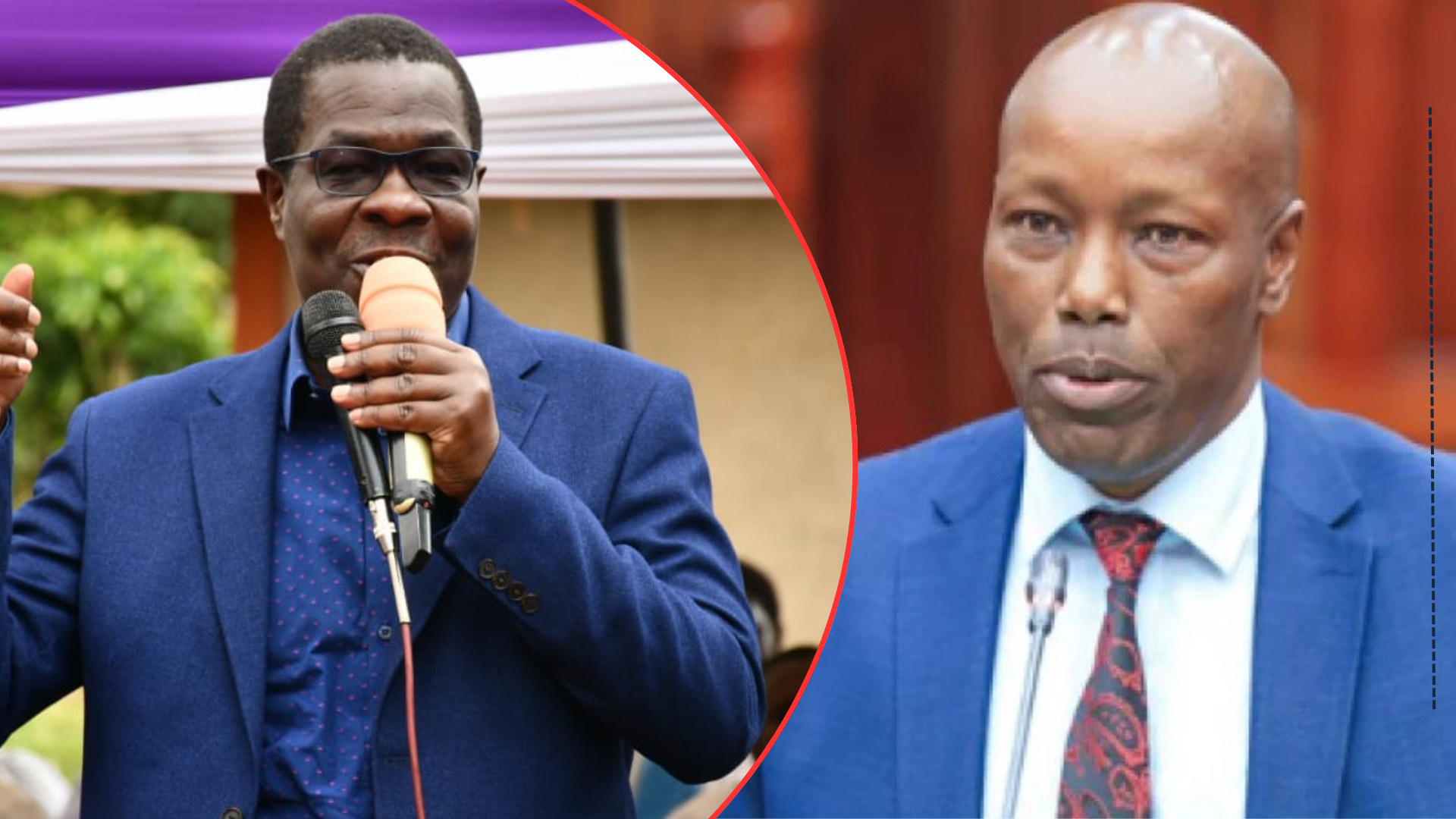
Kenya’s Ksh 4.8 billion fuel scandal has exploded beyond the resigned technocrats and now threatens to consume two Cabinet secretaries.
Leaked letters have dragged Trade CS Lee Kinyanjui and Energy CS Opiyo Wandayi into the heart of a scheme investigators believe was engineered to flood Kenya with substandard, overpriced fuel while exploiting the Middle East crisis as cover.
With five suspects facing economic sabotage charges and the DCI coordinating with foreign agencies, the question every Kenyan is asking is simple: Who really architected this scandal?
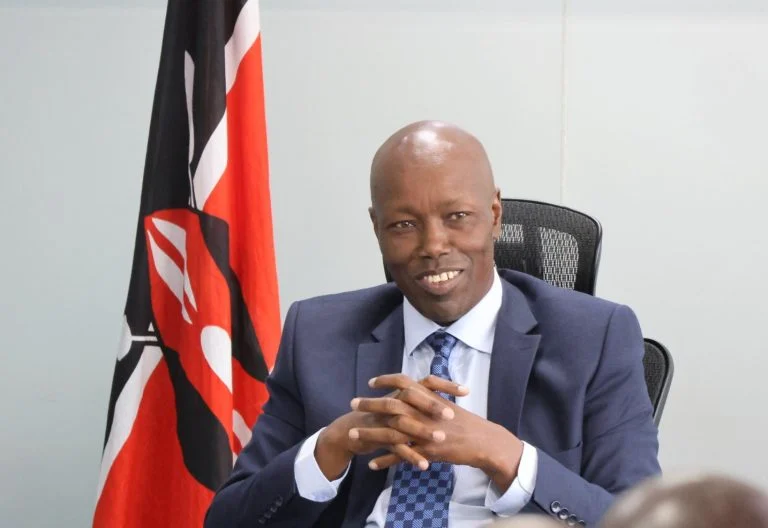
CS Lee Kinyanjui must explain why he granted waivers for substandard fuel, why he never followed up on his six conditions, and why the cargo docked before anyone confirmed compliance. [Photo: Courtesy]
How the Ksh 4.8 Billion Fuel Scandal Unravelled From the Top Down: The Letter Trail That Exposed the Ministers
The paper trail begins on March 26, 2026, when former Energy Principal Secretary Mohamed Liban wrote directly to Kenya Bureau of Standards Managing Director Esther Ngari, requesting a temporary waiver on quality certification requirements for incoming petroleum products. Liban cited disruptions in the Strait of Hormuz as justification, arguing that delays would trigger a fuel shortage and drive up pump prices for ordinary Kenyans.
Crucially, Liban copied that letter to both CS Wandayi and Industrialization PS Juma Mukhwana, meaning neither minister can credibly claim ignorance of the request at its earliest stage.
Two days later, on March 28, Trade CS Lee Kinyanjui wrote directly to Energy CS Opiyo Wandayi, formally recommending a waiver for the importation of petroleum products carrying dangerously elevated levels of manganese, sulphur, and benzene—all markers of substandard fuel that Kenya’s own standards prohibit.
Kinyanjui’s letter referenced the earlier correspondence from the State Department for Petroleum dated March 26 and 27, confirming he had read and acted on Liban’s groundwork. He listed six conditions that had to be met before the waiver took effect, including destination inspection of the cargo aboard MT Paloma, full compliance with automotive gasoline specifications, and a written indemnity from the importer protecting the Kenya Bureau of Standards against any fallout.
Here is where the scandal deepens. Kinyanjui says he never received any response from the Ministry of Energy after writing that letter. Nobody confirmed the conditions were met. Nobody told him they were not. The fuel came in anyway.
Who Faked the Emergency and Who Benefited
On March 25, a day before Liban wrote to Kebs, he had already written to One Petroleum Limited director Ali Balala and Oryx Energies CEO Angeline Maangi, authorizing them to import approximately 60,000 tonnes of petroleum each, with allowance to exceed that figure by up to ten percent.
That sequence matters enormously. Liban authorized the importers before he even formally requested the quality waivers, suggesting the emergency narrative was constructed to justify a deal that investigators believe was already pre-arranged.
MT Paloma docked at the Port of Mombasa in late March carrying 68,000 tonnes of petroleum products imported by One Petroleum Limited, a firm linked to Mombasa tycoon Mohamed Jaffer. A second consignment of 60,000 tonnes through Swiss-owned Oryx Energies was blocked before it could dock following the eruption of the scandal.
The financial motive is staggering. One Petroleum’s cargo cost Ksh198,855 per tonne landed in Mombasa. The standard Government-to-Government cargo sourced from Saudi Arabia and the UAE cost Ksh140,111 per ton—a difference of Ksh58,744 per tonne. On MT Paloma’s 68,000-tonne consignment alone, that price gap translates to a potential windfall of approximately Ksh4 billion for the cartels behind the deal, all extracted from Kenyan consumers and public funds.
What Wandayi and Kinyanjui Still Have to Answer
CS Kinyanjui has publicly distanced himself from the scandal, insisting his letter merely outlined conditions and that he acted within the law. He says the PS and KPC MD approached him seeking a waiver, and he simply responded as required. That explanation, however, raises more questions than it answers. Why did his ministry never follow up to confirm the six conditions were fulfilled before the cargo docked?
CS Wandayi has been less forthcoming. When the Nation sought specific answers from him about Kinyanjui’s letter and whether the conditions it outlined were ever satisfied, Wandayi did not respond to the direct questions. He later issued a general public statement condemning cartels and confirmed his ministry had blocked the second consignment once the full picture emerged.
DCI investigators have now confirmed that the two Cabinet secretaries must explain what they knew and when they knew it, describing the leaked letters as documents that will fundamentally change the direction of the probe.
Three senior officials have already resigned: EPRA Director General Daniel Kiptoo Bargoria, KPC MD Joe Sang, and Energy PS Mohamed Liban. Five individuals face potential charges of economic sabotage. The DCI is actively coordinating with foreign investigative agencies through the Mutual Legal Assistance programme, extending the probe to the countries from which the petroleum consignments were sourced.
Kenya’s Ksh 4.8 billion fuel scandal is no longer a story about rogue technocrats acting alone. It is a story about decisions made at the highest levels of government, enabled by letters, waivers, and a manufactured crisis, while cartels stood ready to pocket billions. The ministers must now face the heat.
Kenya Insights allows guest blogging, if you want to be published on Kenya’s most authoritative and accurate blog, have an expose, news TIPS, story angles, human interest stories, drop us an email on [email protected] or via Telegram








Govt Plans to Monetise eCitizen Data in New Revenue Drive

Dennis Onyango: Why Raila Won Elections But Never Became President

Israel, Iran Trade Fire Despite Trump’s Call For Restraint

Dennis Onyango Lifts Lid on Raila’s Inner Circle, Says Sifuna Lost Baba’s Trust While Babu Was Viewed as a Threat

Sibling Rivalry? Cracks Emerge Within Linda Mwananchi

Instant Traffic Fines Still Active Despite Court Order, NTSA Clarifies

Why All Eyes Are On Gambling Authority CEO Peter Karimi As Kenya’s Betting Firms Race To Beat The June Licence Renewal Deadline

The Deal Behind Nairobi Animal Orphanage: Is This Really About Animals Or Billions In Prime Park Land

Iran Launches Missiles At Israel For First Time Since Mideast Truce

Rogue Developers, Engineers, Architects and City Hall Officials Charged Over Deadly Manzil Towers Collapse

Cement, Cash and Courts: How the Hashu Dynasty Crushed the Ramji Brothers for Fourteen Years and Why the Walls Are Now Closing In

Why Ruto’s Favourite Candidate Adan Mohammed Could Be Locked Out of the KRA Top Job

Inside The Urban Planning Cartel That Owns Nairobi

LifeCare on the Brink: SHA Fraud, Stolen Wages, and the Rotten Empire Jayesh Saini Built

Este Medical Kenya Fights American’s Explosive Complaints

The Rot Inside Absa: How Bank Insiders Are Looting Nairobi’s Customers

Inside FAFSA Fraud: How Kenyan Cybercriminals Siphoned Millions from America’s Sh12 Billion Student Loan System

Betika Faces DCI Probe, Directors Arrest and License Revocation Over Massive 29.5 Million Safaricom Customers’ Data Breach

Court Confirms Safaricom Customers Data Was Sold To Betting Companies In Seven-Year Cover-Up

Fresh Move Launched to Remove Kenya Railways MD Mainga From Office After Awarding Sh817 Million Consultancy Contract
-
 Investigations3 days ago
Cement, Cash and Courts: How the Hashu Dynasty Crushed the Ramji Brothers for Fourteen Years and Why the Walls Are Now Closing In
-
 Investigations2 days ago
Inside The Urban Planning Cartel That Owns Nairobi
-
 Investigations2 weeks ago
LifeCare on the Brink: SHA Fraud, Stolen Wages, and the Rotten Empire Jayesh Saini Built
-
 Americas2 weeks ago
Inside FAFSA Fraud: How Kenyan Cybercriminals Siphoned Millions from America’s Sh12 Billion Student Loan System
-
 Investigations1 week ago
Betika Faces DCI Probe, Directors Arrest and License Revocation Over Massive 29.5 Million Safaricom Customers’ Data Breach
-
 Investigations3 days ago
Fresh Move Launched to Remove Kenya Railways MD Mainga From Office After Awarding Sh817 Million Consultancy Contract
-

 News1 week ago
Eight Students Arrested In Kenya After Suspected Deadly School Arson Attack
-
 News1 week ago
How Uhuru’s Deal With Obama In 2015 Paved Way For America’s Ebola Plan In Kenya