
Economy
Starbucks Sued For Deceptive Marketing

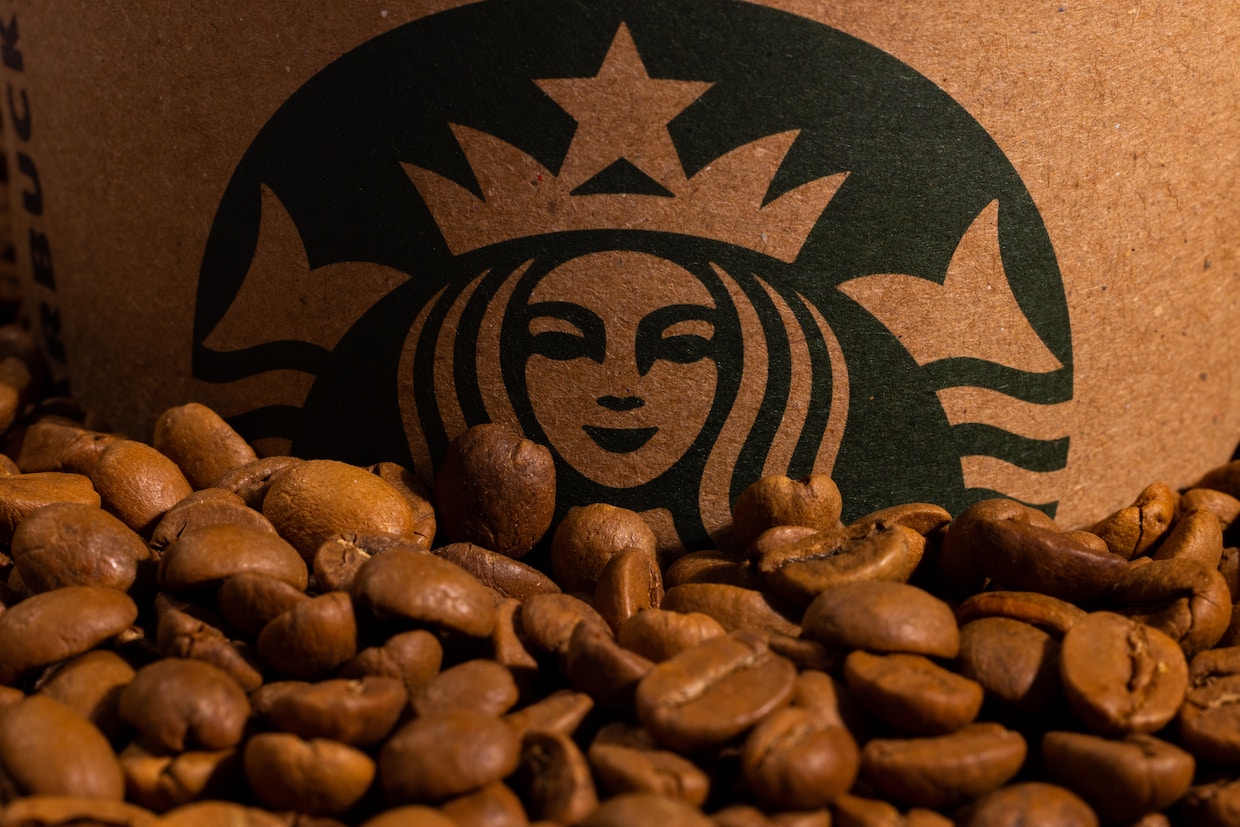
Starbucks is being sued by a consumer advocacy group alleging that the global coffee chain falsely and deceptively advertises the “committed to 100% ethical sourcing” claim on its coffee and tea products.
The lawsuit, filed by the National Consumers League in a Washington, DC court, alleges that Starbucks misrepresents to consumers that it is “committed to 100% ethical coffee sourcing” and to “100% ethically sourced tea” even as it continues to source coffee beans and tea leaves from cooperatives and farms that “have committed documented, severe human rights and labor abuses, including the use of child labor and forced labor as well as rampant and egregious sexual harassment and assault.”
“On every bag of coffee and on every box of K cups sitting on our grocery store shelves, Starbucks is telling consumers a lie,” Sally Greenberg, CEO of consumer advocacy group National Consumers League, said. “The facts are clear. There are significant human rights and labor abuses across Starbucks’ supply chain,” she said.
The goal of the lawsuit is to protect consumers nationwide, who may “unknowingly be buying unethically sourced coffee or tea” from the brand and be paying a a premium for those products, according to the consumer league.
“Consumers have a right to know exactly what they’re paying for,” Greenberg said in a news release.
Supply chain criticism
Greenberg alleged “well-documented instances” for years in the retailer’s supply chain of “slavery-like conditions,” child labor, human trafficking and other exploitative working conditions on farms and co-ops where Starbucks sources its coffee and tea.
She referenced an incident dating back to 2022 when a Brazilian labor prosecutor issued a complaint against Starbucks’ largest Brazilian supplier, “citing working conditions analogous to slavery, including illegally trafficking more than 30 migrant workers.”
The lawsuit, however, cites investigative reportsin Brazil this year about workers at a Starbucks’ certified coffee supplier who allegedly were victims of wage theft by their employer, in violation of Brazilian law.
A separate investigative report from the BBC in February 2023 looked into alleged gender-based violence and sexual harassment at a Kenyan tea plantation, which the report said supplied to Starbucks at the time.
Greenberg said her group is seeking to restrict Starbucks from further engaging in deceptive advertising and to run a corrective advertising campaign.
”Starbucks must reform its sourcing practices to ensure that workers on the farms and cooperatives that supply its coffee and tea products are treated fairly and in accordance with the law,” she said.
Kenya Insights allows guest blogging, if you want to be published on Kenya’s most authoritative and accurate blog, have an expose, news TIPS, story angles, human interest stories, drop us an email on [email protected] or via Telegram


Why All Eyes Are On Gambling Authority CEO Peter Karimi As Kenya’s Betting Firms Race To Beat The June Licence Renewal Deadline

The Deal Behind Nairobi Animal Orphanage: Is This Really About Animals Or Billions In Prime Park Land

The Great Mogo Extraction: How a Latvian Fintech Built a Debt Trap for Kenya’s Most Vulnerable Borrowers and Got Away With It

Iran Launches Missiles At Israel For First Time Since Mideast Truce

MozzartBet Faces Licence Cancellation For Operations in Kenya Amid Tax Evasion, Money Laundering Scandals As Rumours Swirl Of Sh100M Bribery To Evade Trap

Rogue Developers, Engineers, Architects and City Hall Officials Charged Over Deadly Manzil Towers Collapse

Kalonzo Unveils His 2027 Presidential Campaign Platform

Artur Margaryan of Kenya’s Infamous Artur Brothers Seeks Prime Minister’s Office in Armenia

Sonko Re-Elected Head of Party

US Denied Visas to Team Officials for World Cup – Iran

Cement, Cash and Courts: How the Hashu Dynasty Crushed the Ramji Brothers for Fourteen Years and Why the Walls Are Now Closing In

Why Ruto’s Favourite Candidate Adan Mohammed Could Be Locked Out of the KRA Top Job

Inside The Urban Planning Cartel That Owns Nairobi

LifeCare on the Brink: SHA Fraud, Stolen Wages, and the Rotten Empire Jayesh Saini Built

Este Medical Kenya Fights American’s Explosive Complaints

Safaricom’s Sh1.4 Billion Reckoning: How Kenya’s Most Profitable Company Stole a Man’s Idea and Got Caught

The Rot Inside Absa: How Bank Insiders Are Looting Nairobi’s Customers

Inside FAFSA Fraud: How Kenyan Cybercriminals Siphoned Millions from America’s Sh12 Billion Student Loan System

THE INSURER THAT TOOK YOUR PREMIUM AND FORGOT YOUR NAME: How ICEA Lion Left a Client Begging for Sh7.8 Million Across Four Months

Denial Under Duress: The Untold Collapse Threatening David Lagat’s DL Group’s Empire
-
 Investigations3 days ago
Cement, Cash and Courts: How the Hashu Dynasty Crushed the Ramji Brothers for Fourteen Years and Why the Walls Are Now Closing In
-
 Investigations2 days ago
Inside The Urban Planning Cartel That Owns Nairobi
-
 Investigations2 weeks ago
LifeCare on the Brink: SHA Fraud, Stolen Wages, and the Rotten Empire Jayesh Saini Built
-
 News2 weeks ago
Este Medical Kenya Fights American’s Explosive Complaints
-
 Americas2 weeks ago
Inside FAFSA Fraud: How Kenyan Cybercriminals Siphoned Millions from America’s Sh12 Billion Student Loan System
-

 Investigations7 days ago
Betika Faces DCI Probe, Directors Arrest and License Revocation Over Massive 29.5 Million Safaricom Customers’ Data Breach
-

 News1 week ago
Eight Students Arrested In Kenya After Suspected Deadly School Arson Attack
-
 Investigations3 days ago
Fresh Move Launched to Remove Kenya Railways MD Mainga From Office After Awarding Sh817 Million Consultancy Contract