
Business
Op-Ed: The Goal of Universal Electricity Coverage Must Prioritize Stringent Safety Compliance

By Daniel Kiptoo Bargoria
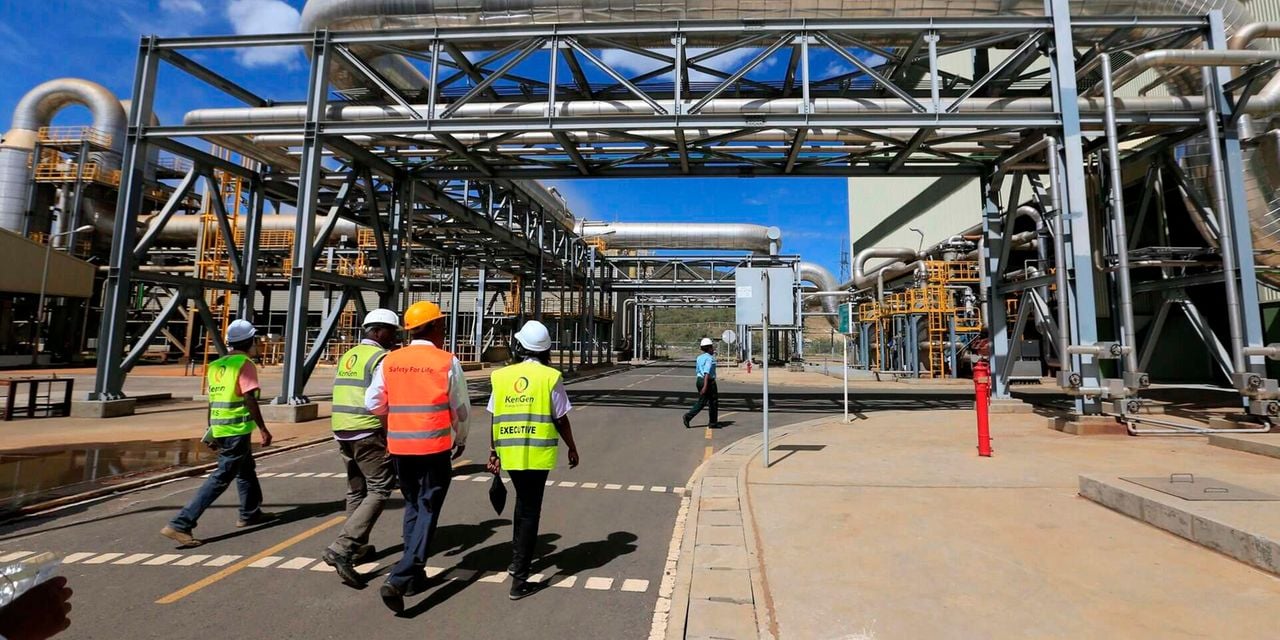
Kenya is inching closer to universal access to electricity with each new connection. The country is nearing the 10 millionth customer with the cumulative number of grid-connected customers standing at over 9.8 million as at December 2024, according to the Energy and Petroleum Statistics Report. Part of the call to ensure a sustainable energy sector with the increased grid connections is the need for safety compliance.
Why? The Energy and Petroleum Statistics Report further indicates that there was a spike in electricity-related accidents to 153 in the period ending June 2024 compared to 116 cases reported during a similar period in 2023. Of these cases, 98 were fatal.
A closer examination of the accidents reveals that 80% were attributed to three key factors: poor safety culture within organisations (38.56%), defective or fallen power lines (26.80%), and substandard customer wiring (16.34%), which calls for more attention to safety in the electricity sub-sector.
The Energy and Petroleum Regulatory Authority (EPRA) has put in place frameworks to guide safety standards in the country. Just last year, the Authority added the Energy (Electricity Incident and Accident Reporting) Regulations, 2024 which are aimed at enhancing safety in the power sector, while establishing a structured framework for incident and accident reporting.
The draft regulations, now in their final stage of approval, provide an anticipatory approach to safety for everyone involved. All players are expected to take pre-emptive precautions to avert accidents owing to poor wiring, maintenance or use of derelict equipment. Energy companies are expected to prioritise the health and safety of electrical workers, consumers and the general public.
Instilling a culture of safety requires collaborative effort
To attain sector wide safety compliance however, everyone must come on board and play their part. At the consumer level, this journey starts with understanding the levels of safety required. For instance, individuals should be mindful to use licensed electrical workers for home installations because this ensures the quality of work done is good and in case of any grievances, the customer can get help from the Authority and relevant associations in the dispute resolution process. A database of licensed electrical contractors/workers is available on the EPRA website for reference.
Home and business premises owners should also know that upon completion of electrical works, one should be issued with completion and test certificates. This is important because in case your property is destroyed by an electrical fault, you are likely not to receive compensation from your insurance company if you fail to prove engagement of a licensed electrical contractor/ worker.
Further, frameworks are in place requiring dealers and manufacturers to adhere to Minimum Energy Performance Standards (MEPS), ensuring only quality products are available in local markets. This initiative is critical in promoting safety across the electricity value chain, as substandard electrical appliances and equipment pose significant risks of fire, electrocution, and other hazards. MEPS not only establish stringent benchmarks for energy efficiency but also serve as a safeguard against counterfeit or low-quality products infiltrating the market.
Enforcing compliance with MEPS ensures that products meet predetermined safety and performance criteria. For example, electrical wiring, circuit breakers, and energy-consuming appliances must undergo rigorous testing and certification before they reach consumers. This reduces the likelihood of failures, malfunctions, and the associated risks to both end-users and infrastructure.
In the transport sector, the deployment of electric vehicles (EVs) and associated infrastructure, such as charging stations, introduces new safety considerations, including high-voltage equipment handling, battery storage, and the safe disposal of components. Comprehensive regulations must address risks such as electrical fires, overloading of existing power grids, and improper installation of charging systems.
Aligning Standards for Enhanced Safety and Growth
Globally, discussions on electrical safety underscore the importance of unified frameworks and the need to align national standards with international best practices. Countries that have prioritised safety compliance have demonstrated how proactive measures, such as enforcing stringent product quality standards, lead to sustainable growth and consumer trust.
As Kenya continues to expand its electrical infrastructure to meet rising energy demands, the power sector must adopt this holistic perspective. By working collectively, embracing accountability, and maintaining unwavering commitment to safety, we can build an electrical sector that is not only reliable and efficient but also a global benchmark for operational excellence.
The writer is the Director General at the Energy and Petroleum Regulatory Authority(EPRA)
Kenya Insights allows guest blogging, if you want to be published on Kenya’s most authoritative and accurate blog, have an expose, news TIPS, story angles, human interest stories, drop us an email on [email protected] or via Telegram


Why Ruto’s Favourite Candidate Adan Mohammed Could Be Locked Out of the KRA Top Job

DCI Arrests Woman in Sh55.7 Million Gold Fraud Targeting American Citizen in Nairobi

Court Confirms Safaricom Customers Data Was Sold To Betting Companies In Seven-Year Cover-Up

Paybill 585555: How Airtel Kenya’s Interoperability Gateway Became A Criminal Pipeline Draining Millions From Unsuspecting M-Pesa Users

The Man Who Starved Kenya’s Voice

The Rot Inside Absa: How Bank Insiders Are Looting Nairobi’s Customers

The President’s Helicopter: How Ruto’s Aviation Empire Lands a Historic Airbus Milestone While His Government Writes the Tax Code

“TikTok Who? YouTube Sorry. A Kenyan-Built Platform Just Dropped—and 20 African Ministers Showed Up To Launch It.”

Denial Under Duress: The Untold Collapse Threatening David Lagat’s DL Group’s Empire

Stung By West Africa Rejections, France Courts Rest Of Continent at Kenya Summit

How Did a Sh468K KRA Salary Allegedly Turn Into Sh30 Billion? Questions Deepen Over Commissioner George Obel and Ciala Resort Owner’s Wealth

Nairobi Freezes Binance Accounts in Sweeping Anti-Fraud Crackdown as Global Scandal Record Haunts World’s Largest Crypto Exchange

THE UNTOUCHABLE CLERK: How Fatuma Mwalupa Allegedly Turned Kwale Assembly Into a Personal Treasury and Outsmarted Scrutiny

The Man Behind the Badge: How Prof. Erastus Kanga Turned Kenya’s Premier Wildlife Agency into a Theatre of Corruption, Fear and Impunity

THE BRAZEN RETURN: Triton Thief Yagnesh Devani, Who Pillaged Kenya of Sh7.6 Billion and Fled, Now Asks the Same Courts He Escaped to Restore His Stolen Wealth

Green Gold, Rotten Roots: How Kenya’s Biggest Avocado Firms Hijacked a Sh5.8 Billion Harvest Ban

Why the April 21 Flopped Protests Expose Kenya’s Rudderless Opposition

KETRACO CEO Advert Marred By Controversies As Fears Grow That Kipkemoi Kibias Is A Predetermined Candidate

THE PHANTOM COVER: Unlicensed Broker Vanishes With Sh42M, Hussein Mohammed Fingered In The Alleged CHAN 2024 Insurance Scandal

64-Year-Old KIM Faces Shutdown As Regulator Declares Its Certificates Worthless, Orders Employers To Shun Graduates
-

 Business1 week ago
Safaricom’s Sh1.4 Billion Reckoning: How Kenya’s Most Profitable Company Stole a Man’s Idea and Got Caught
-

 Africa2 weeks ago
The $24 Million Heist at the End of the World
-

 Business1 week ago
THE INSURER THAT TOOK YOUR PREMIUM AND FORGOT YOUR NAME: How ICEA Lion Left a Client Begging for Sh7.8 Million Across Four Months
-
 Investigations1 week ago
Denial Under Duress: The Untold Collapse Threatening David Lagat’s DL Group’s Empire
-
 Business4 days ago
The Rot Inside Absa: How Bank Insiders Are Looting Nairobi’s Customers
-

 Business1 week ago
Bush Air Safaris Founder John Ndiritu Risks Losing Property Over Disputed Loan Claim
-

 Arts & Culture2 weeks ago
KDC Accelerates the Creative Economy, Innovation and Youth-Led Enterprise Growth at Africa Forward Summit
-
 Africa1 week ago
Stung By West Africa Rejections, France Courts Rest Of Continent at Kenya Summit