
Lifestyle
Nairobi Has The Highest New HIV Infections as Kenya Records 20,000 New Cases in 2025
Women remain disproportionately affected, accounting for nearly two-thirds of new infections—13,236 cases compared to 6,869 among men.

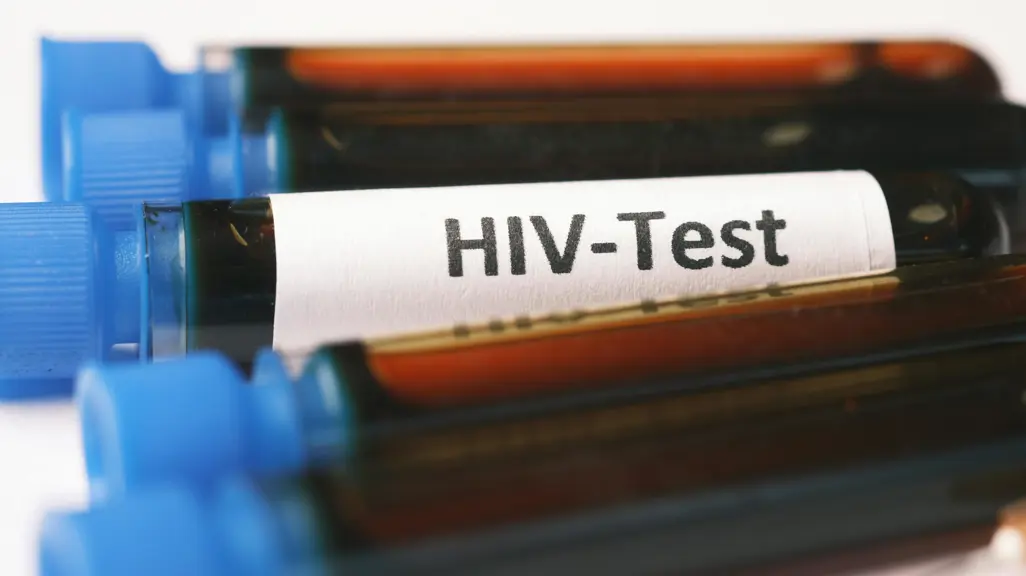
Kenya is staring at a fresh HIV crisis after new data revealed more than 20,000 people contracted the virus this year, with Nairobi County bearing the heaviest burden.
Figures released by the National Syndemic Diseases Control Council (NSDCC) show a total of 20,105 new HIV infections in 2025, cementing fears that the country’s progress in curbing the epidemic is slowing.
Women remain disproportionately affected, accounting for nearly two-thirds of new infections—13,236 cases compared to 6,869 among men.
Children under 15 contributed 4,349 cases, exposing persistent gaps in preventing mother-to-child transmission despite reported 90.1% PMTCT coverage.
The council warned that the 9.26% mother-to-child transmission rate remains unacceptably high.
Nairobi recorded the highest number of new infections at 3,045, with women making up more than two-thirds. Other hotspots included Migori (1,572), Homa Bay (1,180), Kisumu (1,341), Mombasa (817) and Siaya (873). On the other end of the spectrum, Mandera, Marsabit and Lamu reported some of the lowest infection rates at 67, 40 and 36 cases respectively.
The report further shows that 1.3 million Kenyans are now living with HIV, with Nairobi once again topping the chart at 151,916 people, followed by Homa Bay (104,317) and Migori (99,510).
Wajir registered the lowest prevalence, with just 701 people living with HIV.
AIDS-related deaths remain devastating. An estimated 21,009 people died of AIDS in 2025, including 2,688 children. Nairobi led with 1,267 deaths, while Nakuru posted the highest toll at 1,698 fatalities.
Experts are warning that Kenya risks undoing hard-won gains unless prevention, treatment, and community awareness campaigns are urgently stepped up.
“The numbers speak for themselves. Women and children continue to pay the highest price, and we cannot afford complacency,” said an NSDCC official.
The grim data comes as a ray of hope emerges globally.
The Gates Foundation recently announced an ambitious partnership with Indian drug-maker Hetero Labs to roll out low-cost lenacapavir, the world’s first twice-yearly injectable HIV prevention drug.
Priced at about $40 a year, the medicine could significantly boost access to prevention tools in Kenya and other low- and middle-income countries.
For now, however, the challenge remains clear: infections are rising, deaths are mounting, and Nairobi stands at the epicenter of a crisis that Kenya thought it had tamed.
Kenya Insights allows guest blogging, if you want to be published on Kenya’s most authoritative and accurate blog, have an expose, news TIPS, story angles, human interest stories, drop us an email on [email protected] or via Telegram












Somalia’s Disputed President Allegedly Siphons Up to $6 Million Monthly from Kenyan Miraa Trade, Sharing the Spoils with Nairobi’s Shadow Cartels

Ahmed Adan Hefow: Governor Otuoma’s Trusted Right-Hand Man at the Centre of Busia’s Deepening Finance Scandal

Karua Detained at Entebbe as Uganda Blocks Besigye Lawyer From Entering Country

How KCB and Airtel Turned Kenya’s Unbanked Into a Data Goldmine Behind a ‘Financial Inclusion’ Deal

The Chivayo Network: How a Convicted Fraudster Won Access to Presidents, Passports and Billion-Dollar Deals Across Africa

BURRIED TWICE: The Victoria Bank CEO Yogesh Pattni Files

Court Stops Transfer Of EABL Shares To Asahi By Diageo In A Fresh Snag

Death Before Justice: Stephen Ngei, Victim of Sh180 Million Laptop Tender Scam Linked to Allan Chesang, Killed in Highway Crash

Court Brands Sh1.1 Billion Fee Demand by Lawyer Victor Swanya “Excessive and Exorbitant,” Exposes How City Hall Lets Public Money Bleed Through Legal Bills

Trump Unveils New Air Force One

Businessman Philip Waithaka Kinuthia’s Minor Son Allegedly Drove Drunk, Killed Two Peponi Students in Ngong Road Horror Crash as Claims of Cover-Up Intensify

Inside NCBA’s Decline: How a Banking Giant Lost Its Strategic Edge

Cement, Cash and Courts: How the Hashu Dynasty Crushed the Ramji Brothers for Fourteen Years and Why the Walls Are Now Closing In

Standard Chartered Ghosts Haunt Joshua Oigara At Stanbic As Whistleblower Spills Beans

South Sudan: Adut Salva Kiir’s Shadow Treasury Exposed

Inside The Urban Planning Cartel That Owns Nairobi

THE VULTURE AND THE SCHEME How Nairobi West Hospital Became the Most Dangerous Institution in Kenya’s SHA Ecosystem and Why the Books Must Be Audited Now

The President’s Daughter and The Missing Witness: How Adut Salva Kiir’s Shadow Treasury Silenced Its Most Dangerous Critic

How Adil Popat Saved His Empire On The Eve Of Imperial Bank Collapse and Why Kenya’s Mainstream Media Buried The Story

Why John Ngumi Is Running From the EACC and Why the Sh415 Million Payday May Be the Least of His Worries
-
 News1 week ago
Businessman Philip Waithaka Kinuthia’s Minor Son Allegedly Drove Drunk, Killed Two Peponi Students in Ngong Road Horror Crash as Claims of Cover-Up Intensify
-
 Business2 weeks ago
Inside NCBA’s Decline: How a Banking Giant Lost Its Strategic Edge
-
 Business2 weeks ago
Standard Chartered Ghosts Haunt Joshua Oigara At Stanbic As Whistleblower Spills Beans
-
 Africa2 weeks ago
South Sudan: Adut Salva Kiir’s Shadow Treasury Exposed
-
 Investigations4 days ago
THE VULTURE AND THE SCHEME How Nairobi West Hospital Became the Most Dangerous Institution in Kenya’s SHA Ecosystem and Why the Books Must Be Audited Now
-
 Africa2 weeks ago
The President’s Daughter and The Missing Witness: How Adut Salva Kiir’s Shadow Treasury Silenced Its Most Dangerous Critic
-
 Business2 weeks ago
How Adil Popat Saved His Empire On The Eve Of Imperial Bank Collapse and Why Kenya’s Mainstream Media Buried The Story
-
 Business2 weeks ago
Why John Ngumi Is Running From the EACC and Why the Sh415 Million Payday May Be the Least of His Worries