
Lifestyle
Kenyans To Pay Sh6,000 Per Shot For The New HIV Prevention Jab
The Global Fund plans to supply at least 2 million doses globally, primarily targeting sub-Saharan Africa where HIV incidence remains highest.

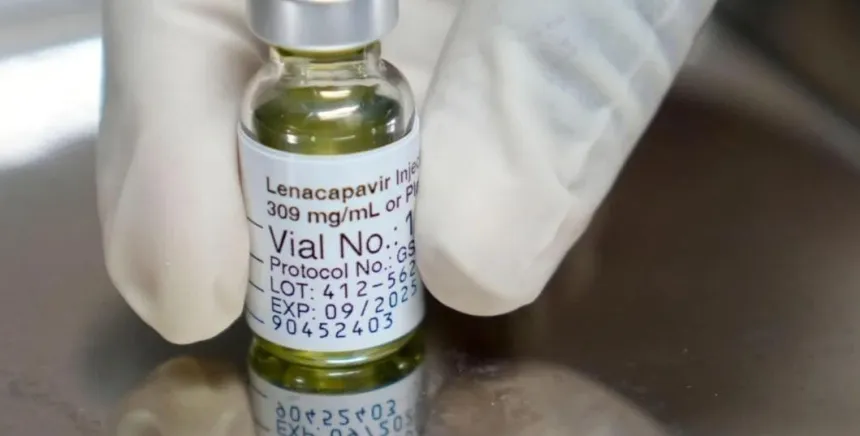
Kenyans will soon have access to a revolutionary HIV prevention injection that costs Sh6,000 per dose and provides six months of protection, the government announced this week.
Andrew Mulwa, Head of the National AIDS and STD Control Programme (NASCOP), revealed that Lenacapavir will be available starting January 2026, marking a significant breakthrough in HIV prevention efforts.
The twice-yearly injection offers a more convenient alternative to daily oral PrEP pills, which many struggle to maintain consistently.
“This is a big leap for our HIV prevention efforts,” said Dr. Mulwa. “The injectable is easier to administer and track, and we’re working on the rollout modalities.”
The World Health Organization endorsed Lenacapavir on July 14, highlighting its 99 percent efficacy rate in preventing HIV transmission.
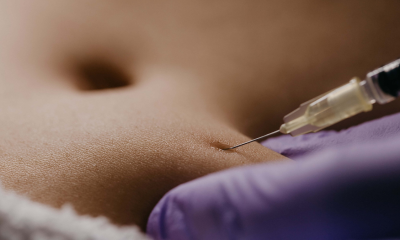
Unlike daily pills that can be stigmatizing and difficult to remember, the subcutaneous injection administered in the abdominal area provides discreet, long-lasting protection.
Kenya joins eight other African countries selected to receive the drug through programs funded by global health partners including the Global Fund, Tiko Africa, and UNAIDS.
The initiative prioritizes adolescent girls and young women at high risk of HIV infection across Nigeria, South Africa, Zimbabwe, Zambia, Lesotho, Mozambique, Uganda, and Eswatini.
For vulnerable groups like sex workers, the injection represents a game-changer.
Everly Nabwire, who leads a sex worker initiative in Mombasa serving over 1,000 women, described daily pills as “stressful and stigmatizing.”
Many forget their medication, especially after night shifts, while others face judgment from clients when seen taking pills.
However, cost remains a significant barrier. While the Global Fund negotiates reduced prices for early adopter countries, private access could cost up to $60 per injection. Most sex workers struggle to afford even Sh100 for pills at pharmacies, raising concerns about accessibility.
With Kenya ranking seventh globally in HIV burden and 1.4 million people living with the virus, the injectable offers hope for reducing new infections.
The Global Fund plans to supply at least 2 million doses globally, primarily targeting sub-Saharan Africa where HIV incidence remains highest.
As Kenya prepares for the rollout, health officials are finalizing eligibility criteria while ensuring the breakthrough prevention tool reaches those who need it most.
Kenya Insights allows guest blogging, if you want to be published on Kenya’s most authoritative and accurate blog, have an expose, news TIPS, story angles, human interest stories, drop us an email on [email protected] or via Telegram








Migori Payment Row Deepens As Branding Firm Demands Sh3.8 Million Over Unpaid Piny Luo Festival Deal

Utumishi Girls Fire Suspects To Be Charged With Murder

Putin Says Russia Ready For Peace Talks With Ukraine Based on Anchorage, Istanbul Agreements

South Sudanese Must Give Adut Salva Kiir The Benefit Of The Doubt

Kenya Stops Work At The US-Linked Ebola Facility

‘The Polygamist’ Pirated Book Go On Sale in Nairobi Following Show Popularity

Justice Mong’are, the Machakos Injunction and the EABL-Asahi Questions Kenya Cannot Ignore

The EABL–Asahi Deal and the Growing Demand for Judicial Transparency

Samburu Governor Lati Lelelit Exposed For Paying Sh60 Million To Ghost Workers

THE GHOST AT ELYSEE PLAZA: How Ghanaian Businessman Erick Agbeko Built a Two-Decade Empire of Land Fraud in Kenya

Businessman Philip Waithaka Kinuthia’s Minor Son Allegedly Drove Drunk, Killed Two Peponi Students in Ngong Road Horror Crash as Claims of Cover-Up Intensify

Inside NCBA’s Decline: How a Banking Giant Lost Its Strategic Edge

South Sudan: Adut Salva Kiir’s Shadow Treasury Exposed

Cement, Cash and Courts: How the Hashu Dynasty Crushed the Ramji Brothers for Fourteen Years and Why the Walls Are Now Closing In

Standard Chartered Ghosts Haunt Joshua Oigara At Stanbic As Whistleblower Spills Beans

Inside The Urban Planning Cartel That Owns Nairobi

THE VULTURE AND THE SCHEME How Nairobi West Hospital Became the Most Dangerous Institution in Kenya’s SHA Ecosystem and Why the Books Must Be Audited Now

The President’s Daughter and The Missing Witness: How Adut Salva Kiir’s Shadow Treasury Silenced Its Most Dangerous Critic

How Adil Popat Saved His Empire On The Eve Of Imperial Bank Collapse and Why Kenya’s Mainstream Media Buried The Story

Why John Ngumi Is Running From the EACC and Why the Sh415 Million Payday May Be the Least of His Worries
-
 News1 week ago
Businessman Philip Waithaka Kinuthia’s Minor Son Allegedly Drove Drunk, Killed Two Peponi Students in Ngong Road Horror Crash as Claims of Cover-Up Intensify
-
 Business2 weeks ago
Inside NCBA’s Decline: How a Banking Giant Lost Its Strategic Edge
-
 Africa2 weeks ago
South Sudan: Adut Salva Kiir’s Shadow Treasury Exposed
-
 Business2 weeks ago
Standard Chartered Ghosts Haunt Joshua Oigara At Stanbic As Whistleblower Spills Beans
-
 Investigations5 days ago
THE VULTURE AND THE SCHEME How Nairobi West Hospital Became the Most Dangerous Institution in Kenya’s SHA Ecosystem and Why the Books Must Be Audited Now
-
 Africa2 weeks ago
The President’s Daughter and The Missing Witness: How Adut Salva Kiir’s Shadow Treasury Silenced Its Most Dangerous Critic
-
 Business2 weeks ago
How Adil Popat Saved His Empire On The Eve Of Imperial Bank Collapse and Why Kenya’s Mainstream Media Buried The Story
-
 Business2 weeks ago
Why John Ngumi Is Running From the EACC and Why the Sh415 Million Payday May Be the Least of His Worries