
News
How NTSA Will Detect Traffic Offenders and the Instant Fines Motorists Will Pay

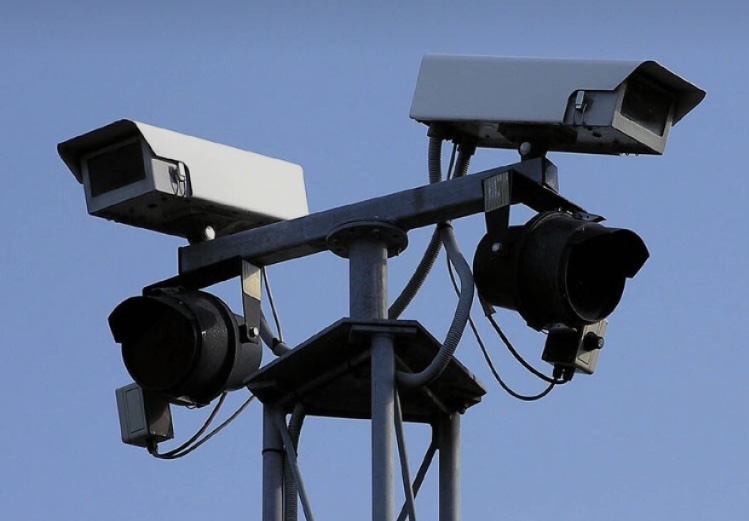
The National Transport and Safety Authority (NTSA) is preparing to fundamentally change how traffic laws are enforced in Kenya, rolling out an automated system designed to detect violations, instantly notify offenders, and impose fines without the need for roadside cash transactions.
The new regime introduces instant penalties ranging from KSh500 to KSh10,000, targeting dozens of common offences committed by motorists, motorcycle riders, PSV operators and even pedestrians.
At the centre of the new enforcement system is a nationwide network of surveillance technology. Authorities plan to deploy 700 fixed traffic cameras and 300 mobile camera units along highways, urban roads and accident-prone corridors.
These devices will automatically detect violations such as speeding, driving on pedestrian paths, or ignoring traffic signs. Once a violation is captured, the footage will be transmitted to a National Command and Control Centre, where it will be processed in real time.
The system will then generate a digital offence record linked to the driver’s second-generation Smart Driving Licence (e-DL). From there, the registered vehicle owner or driver will receive a notification of the violation and the fine due.
Motorists will be able to pay the penalties electronically through mobile money platforms, banking channels, USSD codes, or a digital driving licence wallet. The move is meant to eliminate roadside cash payments and reduce bribery, which anti-corruption investigators have long identified as a major problem in traffic enforcement.
Kenya’s road safety record has deteriorated sharply in recent years, with fatalities rising from 3,875 deaths in 2019 to more than 5,100 by 2024, according to road safety data. Authorities say weak enforcement, corruption and limited surveillance tools have allowed dangerous driving habits to flourish.
The automated system is part of a long-term project expected to run for 21 years under a public-private partnership valued at roughly KSh42 billion, aimed at restoring discipline on Kenyan roads.
Highest Instant Fines — Up to KSh10,000
The most serious traffic offences attract the highest penalties.
Drivers will face KSh10,000 fines for offences including:
Driving without identification number plates.
Operating a vehicle without a valid inspection certificate.
Exceeding speed limits by 16–20 km/h or more.
Causing obstruction by leaving a vehicle blocking traffic.
PSV operators employing unlicensed drivers or conductors.
Common Traffic Offences and Penalties
The NTSA schedule lists 37 minor traffic offences and their corresponding fines.
Some of the most common include:
Speeding
Exceeding limit by 1–5 km/h: Warning.
6–10 km/h: KSh500.
11–15 km/h: KSh3,000.
16–20 km/h or more: KSh10,000.
Driving and Road Conduct
Driving on a pedestrian walkway: KSh5,000.
Failure to obey traffic signs: KSh3,000.
Failure to obey police directions: KSh3,000.
Failure to stop when ordered by police: KSh5,000.
Using a mobile phone while driving: KSh2,000.
Vehicle Compliance
Failure to carry a driving licence: KSh1,000.
Failure to renew a driving licence: KSh1,000.
Failure to wear a seat belt: KSh500.
Failure to install seat belts in a vehicle: KSh1,000 per seat.
Failure to carry reflective warning triangles: KSh2,000.
PSV and Matatu-Specific Offences
Public Service Vehicle operators face additional penalties aimed at tightening discipline in the sector.
Some of the key offences include:
Driving a PSV while unqualified: KSh5,000.
Employing an unlicensed driver or conductor: KSh10,000.
Driver or conductor failing to wear badge or uniform: KSh2,000.
Operating a PSV with tinted windows: KSh3,000.
Failure to install a speed governor: KSh10,000.
Picking or dropping passengers at unauthorized locations: KSh3,000.
Motorcycle riders will also face penalties, including KSh1,000 fines for riding without protective gear or carrying more than one passenger.
Pedestrians Not Spared
Even pedestrians fall under the new enforcement regime. Anyone found wilfully obstructing vehicles on the road can be fined KSh500, while passengers boarding or alighting vehicles at unauthorized points may face KSh1,000 penalties.
Officials say the automated system is intended to remove discretion from roadside enforcement and replace it with data-driven policing.
By linking violations directly to digital driver records and automated fines, authorities hope to close loopholes that have long enabled bribery, ignored offences and inconsistent enforcement.
For motorists across Kenya, the message is clear: once the cameras go live, every lane change, speed surge or illegal stop could be recorded — and the fine may arrive before the driver even reaches home.
Kenya Insights allows guest blogging, if you want to be published on Kenya’s most authoritative and accurate blog, have an expose, news TIPS, story angles, human interest stories, drop us an email on [email protected] or via Telegram


Caleb Amisi Says Linda Mwananchi Has Lost Direction, Announces Plans To Form A New Movement

Air Canada Pilot Flew Passengers For Years With A Fake Pilot’s License, Police Say

Itumbi Claims Kalonzo Has Settled on Sifuna as Running Mate

THE KURIA NETWORK TAKES THE BOARDROOM: How Moses Kuria’s Inner Circle Seized Control of Africa Mega Agricorp And the Paper Trail That Links It All

Who Is The Somali Referee Barred From Entering The US For The World Cup?

Inside NCBA’s Decline: How a Banking Giant Lost Its Strategic Edge

Shiquo wa Hii Style Counts Costly Lesson After Anti-Counterfeit Raid Wipes Out Shop Stock

“Are They Giving Kickbacks To Government Officials?” The Scandalous Record Behind Kenya’s Most Favoured Chinese Contractor

Two MPs Defrauded of Sh93.5 Million in Karen Land Scam

Gachagua Rejects Sh50 Million Court Compensation, Calls It An Insult

Cement, Cash and Courts: How the Hashu Dynasty Crushed the Ramji Brothers for Fourteen Years and Why the Walls Are Now Closing In

Inside The Urban Planning Cartel That Owns Nairobi

Why Ruto’s Favourite Candidate Adan Mohammed Could Be Locked Out of the KRA Top Job

LifeCare on the Brink: SHA Fraud, Stolen Wages, and the Rotten Empire Jayesh Saini Built

Este Medical Kenya Fights American’s Explosive Complaints

Betika Faces DCI Probe, Directors Arrest and License Revocation Over Massive 29.5 Million Safaricom Customers’ Data Breach

The Rot Inside Absa: How Bank Insiders Are Looting Nairobi’s Customers

Inside FAFSA Fraud: How Kenyan Cybercriminals Siphoned Millions from America’s Sh12 Billion Student Loan System

Fresh Move Launched to Remove Kenya Railways MD Mainga From Office After Awarding Sh817 Million Consultancy Contract

Court Confirms Safaricom Customers Data Was Sold To Betting Companies In Seven-Year Cover-Up
-
 Investigations6 days ago
Cement, Cash and Courts: How the Hashu Dynasty Crushed the Ramji Brothers for Fourteen Years and Why the Walls Are Now Closing In
-
 Investigations5 days ago
Inside The Urban Planning Cartel That Owns Nairobi
-
 Investigations1 week ago
Betika Faces DCI Probe, Directors Arrest and License Revocation Over Massive 29.5 Million Safaricom Customers’ Data Breach
-
 Investigations6 days ago
Fresh Move Launched to Remove Kenya Railways MD Mainga From Office After Awarding Sh817 Million Consultancy Contract
-

 News2 weeks ago
Eight Students Arrested In Kenya After Suspected Deadly School Arson Attack
-

 News2 weeks ago
How Uhuru’s Deal With Obama In 2015 Paved Way For America’s Ebola Plan In Kenya
-

 Business7 days ago
TRUST BETRAYED: How Senior DTB Bank Insiders Allegedly Looted Sh149 Million From a Customer’s Account Over Five Years
-

 Investigations4 days ago
Why Drivers Cheered Bolt’s Reported Exit: Inside the Slow Financial Strangulation of Thousands of Kenyan Drivers and Riders in Kenya