
News
From Status to Handcuffs: How Social Media Posts Are Leading Detectives to Criminals

Social media has become a cornerstone of mainstream communication, allowing sharing of information, connection and self-expression.
Even as Apps like WhatsApp, TikTok, Facebook and Instagram provide users with platforms to connect and share their lives, police detectives also get a lot of information about planned or alreadycommitted crimes, and even crucial information about suspects’ movements and behaviour.
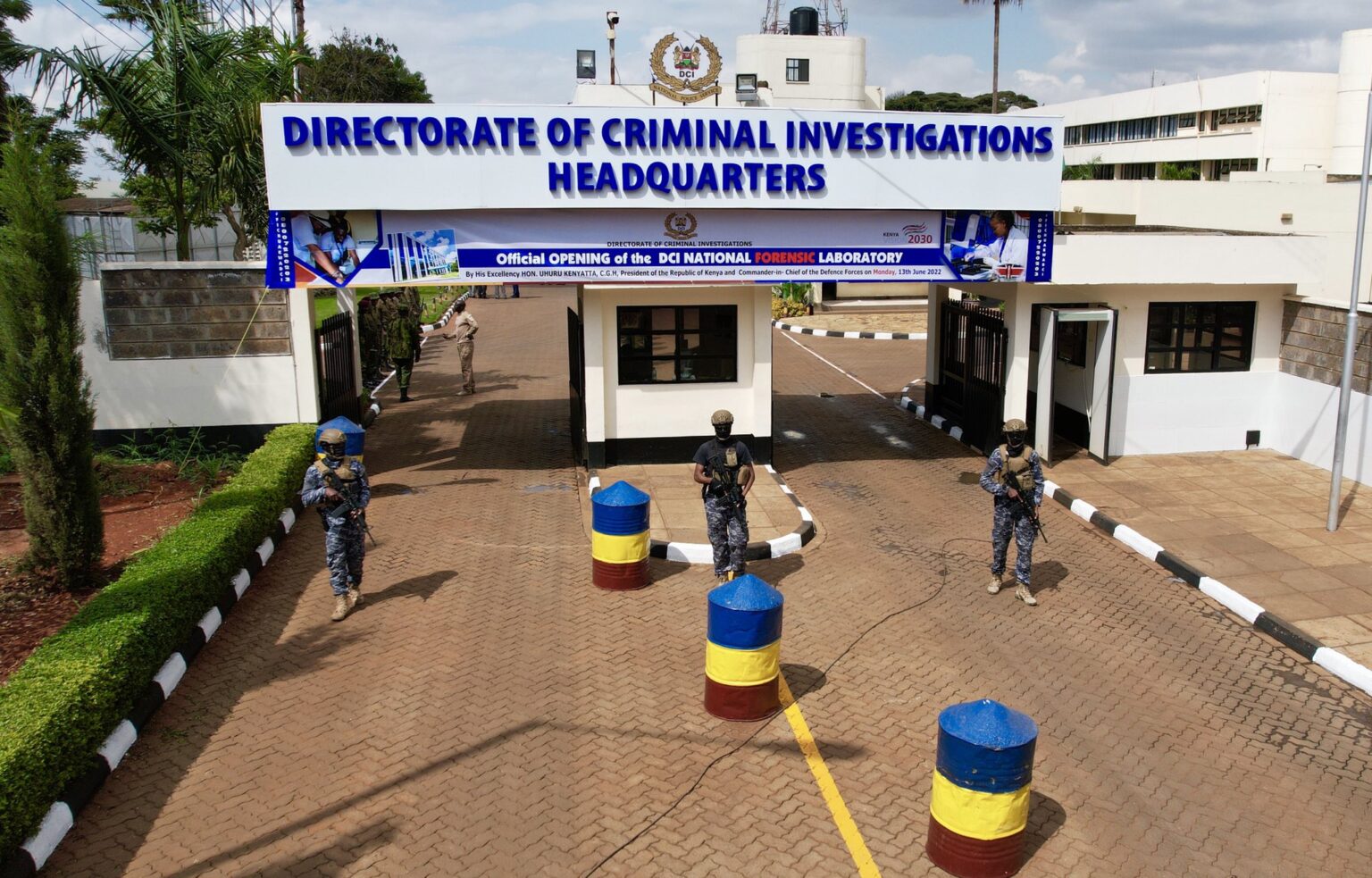
In one of the latest cases, Directorate of Criminal Investigations (DCI) oicers on Tuesday arrested two female suspects in Kisumu and recovered a firearm after one of them posted on her WhatsApp status a photo of herself brandishing a Canik pistol, while warning that any man who dared dump her would face severe consequences.
Oicers from DCI’s Crime Research and Intelligence Bureau (CRIB) tracked down and arrested Sharon Auma and Nancy Atieno Obura, and recovered the pistol illegally in their possession.
“Detectives swooped into Awasi town and apprehended Sharon. Upon questioning, she led oicers to a rented two-bedroom house belonging to her friend, and now co-accused, Nancy Atieno Obura,” the DCI said.
Locating suspects
They searched the house and the pistol in question, with an empty magazine, was found wrapped in clothes and stashed in a basin under the bed.
“Also recovered is a fake motorcycle number plate bearing the number KMGG 805M. Detectives are pursuing more leads to arrest more suspects in connection to the firearm,” the DCI said.
Open Source Intelligence (OSINT), the practice of collecting and analysing publicly available data, has been used by detectives who use various tools and techniques to sift through vast amounts of data in order to gather evidence, uncover leads and even strengthen cases.
Such social media investigations are not just about reviewing public posts but also involve employing techniques to identify patterns, uncover hidden information, map movement of suspects, build strong cases and also solve crimes.
One of the processes involved in such probes is geolocation, the process of identifying the geographical location of the device and the person of interest.
In the case of Kisumu, the suspect was geolocated through her phone. The process involves a combination of techniques including cellular tower triangulation, IP address tracking, GPS, and Wi-Fi triangulation.
According to experts, most social media platforms have geotagged posts that can easily reveal locations where crimes were committed or criminals are.
“Location tags can enable detectives to identify patterns in a suspect’s routine, anticipate their movements and even confirm their connections to a crime under investigations,” the source said.
He added that corroboration of evidence is also key. It involves acquiring additional evidence that strengthens or confirms the initial evidence, especially in criminal cases.
“It is not just about giving validity of weak evidence, but about reinforcing and supporting credible evidence,” the source added.
The platforms also have a lot of data that can help detectives establish shared networks, hidden relationships, and connections between suspects and their accomplices and even the victims. This is possible through analysing information about comments, mutual friends, and public group memberships. “These connections can help detectives understand how suspects could be involved in certain criminal activities and also closely monitor unfolding events,” he added.

Kisumu suspect shared a photo of herself brandishing a Canik pistol on her WhatsApp status, warning that any man who dared dump her would face severe consequences
Open Source Intelligence, analyses publicly available data, to sift through vast amounts of data in order to gather evidence, uncover leads and even strengthen cases
Kenya Insights allows guest blogging, if you want to be published on Kenya’s most authoritative and accurate blog, have an expose, news TIPS, story angles, human interest stories, drop us an email on [email protected] or via Telegram


Govt Plans to Monetise eCitizen Data in New Revenue Drive

Dennis Onyango: Why Raila Won Elections But Never Became President

Israel, Iran Trade Fire Despite Trump’s Call For Restraint

Dennis Onyango Lifts Lid on Raila’s Inner Circle, Says Sifuna Lost Baba’s Trust While Babu Was Viewed as a Threat

Sibling Rivalry? Cracks Emerge Within Linda Mwananchi

Instant Traffic Fines Still Active Despite Court Order, NTSA Clarifies

Why All Eyes Are On Gambling Authority CEO Peter Karimi As Kenya’s Betting Firms Race To Beat The June Licence Renewal Deadline

The Deal Behind Nairobi Animal Orphanage: Is This Really About Animals Or Billions In Prime Park Land

Iran Launches Missiles At Israel For First Time Since Mideast Truce

Rogue Developers, Engineers, Architects and City Hall Officials Charged Over Deadly Manzil Towers Collapse

Cement, Cash and Courts: How the Hashu Dynasty Crushed the Ramji Brothers for Fourteen Years and Why the Walls Are Now Closing In

Inside The Urban Planning Cartel That Owns Nairobi

Why Ruto’s Favourite Candidate Adan Mohammed Could Be Locked Out of the KRA Top Job

LifeCare on the Brink: SHA Fraud, Stolen Wages, and the Rotten Empire Jayesh Saini Built

Este Medical Kenya Fights American’s Explosive Complaints

The Rot Inside Absa: How Bank Insiders Are Looting Nairobi’s Customers

Inside FAFSA Fraud: How Kenyan Cybercriminals Siphoned Millions from America’s Sh12 Billion Student Loan System

Betika Faces DCI Probe, Directors Arrest and License Revocation Over Massive 29.5 Million Safaricom Customers’ Data Breach

Court Confirms Safaricom Customers Data Was Sold To Betting Companies In Seven-Year Cover-Up

Fresh Move Launched to Remove Kenya Railways MD Mainga From Office After Awarding Sh817 Million Consultancy Contract
-
 Investigations3 days ago
Cement, Cash and Courts: How the Hashu Dynasty Crushed the Ramji Brothers for Fourteen Years and Why the Walls Are Now Closing In
-
 Investigations2 days ago
Inside The Urban Planning Cartel That Owns Nairobi
-
 Investigations2 weeks ago
LifeCare on the Brink: SHA Fraud, Stolen Wages, and the Rotten Empire Jayesh Saini Built
-
 Investigations1 week ago
Betika Faces DCI Probe, Directors Arrest and License Revocation Over Massive 29.5 Million Safaricom Customers’ Data Breach
-
 Investigations3 days ago
Fresh Move Launched to Remove Kenya Railways MD Mainga From Office After Awarding Sh817 Million Consultancy Contract
-

 News1 week ago
Eight Students Arrested In Kenya After Suspected Deadly School Arson Attack
-

 News1 week ago
How Uhuru’s Deal With Obama In 2015 Paved Way For America’s Ebola Plan In Kenya
-

 Investigations2 weeks ago
The Invisible Hand: Al Jazeera Further Exposes How Safaricom Became The Regime’s Most Powerful Spy