
News
Blood Denied for Billions? The Cheluget Rift over Contested Narok Land

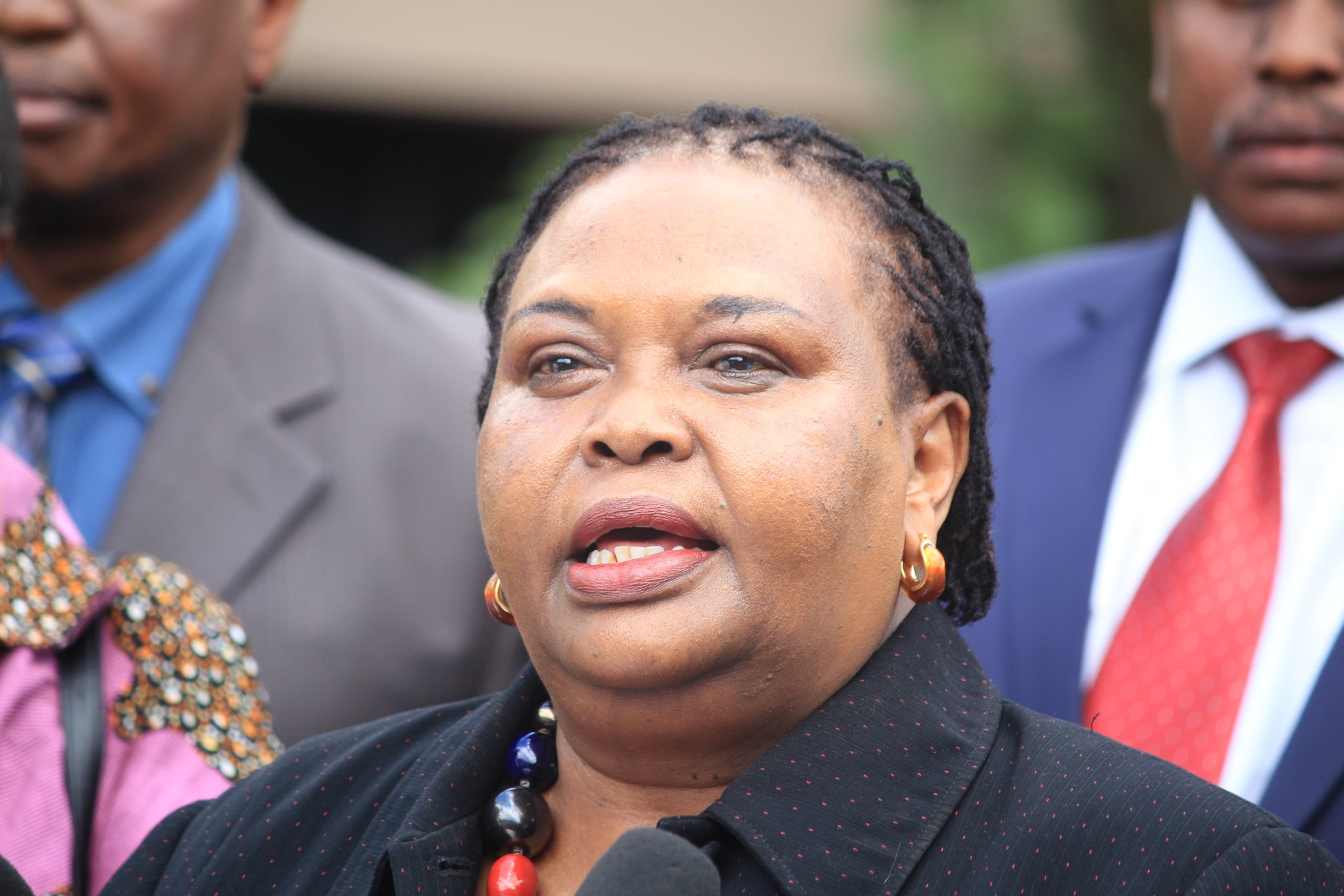
In the murky world of land deals and family inheritance, few cases have exposed the painful intersection of money and blood like the Cheluget family feud.
As the government eyes purchasing the contested Narok land owned by the late Isaiah Cheluget, a bitter fight has erupted among his heirs.
The family has agreed to sell the 5,800-acre parcel. But instead of unity, they are embroiled in a public dispute over whether Moses Kipkirui Cheluget is truly one of their own.
Rather than settling the question with a simple DNA test, the family has shut him out, casting doubt on his legitimacy. This drama risks derailing a multibillion-shilling deal with President William Ruto’s government.
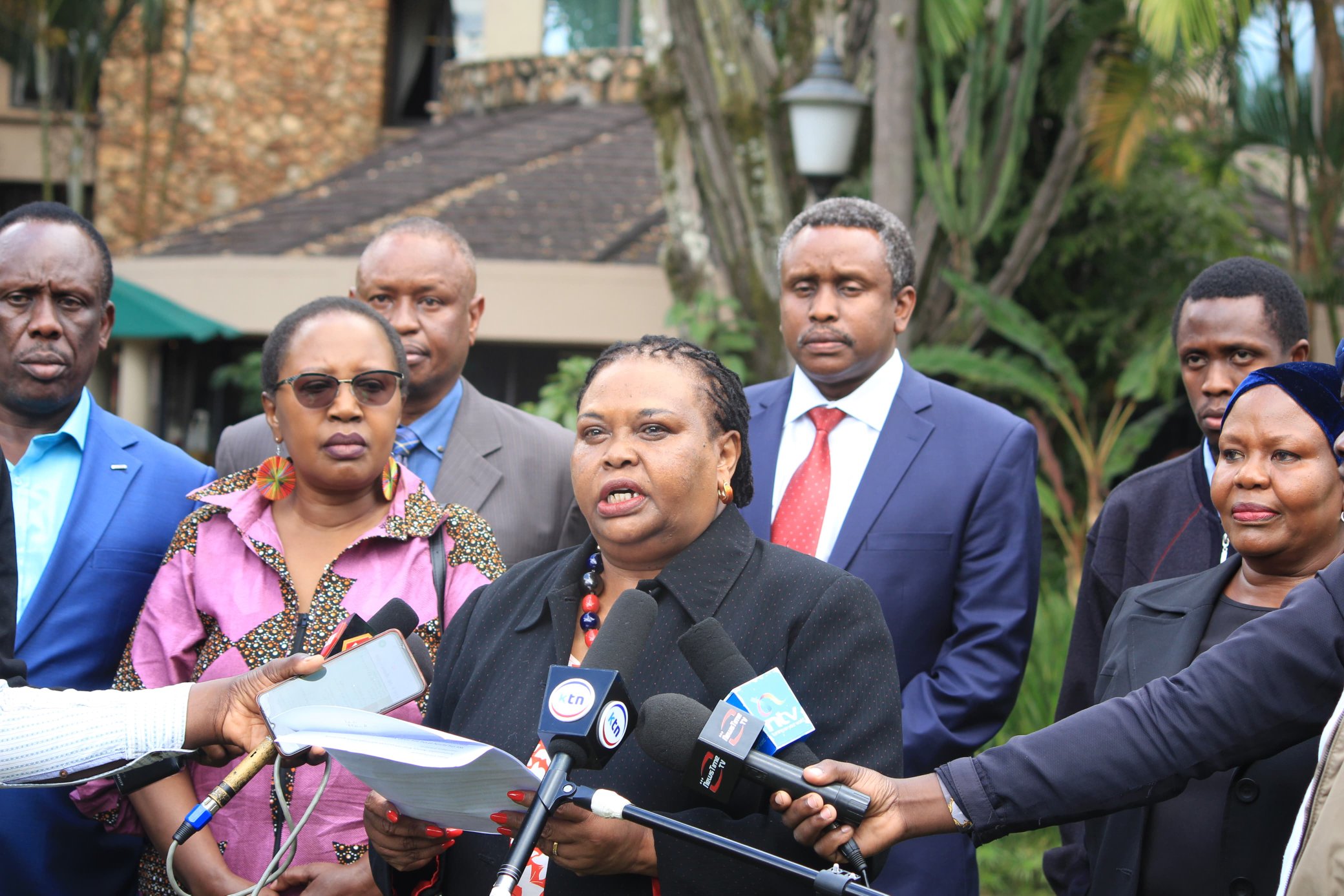
While the family has dismissed Moses Kipkirui Cheluget, his persistence raises critical questions. If he truly believes he is Cheluget’s son, why wouldn’t the family agree to a DNA test to settle the matter once and for all? [Photo/Courtesy]
A Rift Threatening the Contested Narok Land Deal
A new twist has emerged in the long-running saga over the contested Narok land. The family of the late Isaiah Cheluget has come out strongly to dismiss claims that Moses Kipkirui Cheluget is an heir to the estate. In a strongly worded statement, the family declared Kipkirui an impostor, insisting he has no legal or blood ties to their father.
Their move comes at a critical moment. The state, under President Ruto’s administration, is finalizing talks to acquire the vast land for a government project. Yet, just as the deal nears completion, internal battles have spilled into the open, threatening to stall or even sabotage the process.
At the heart of the dispute is Kipkirui’s claim that he is a biological son of the late Cheluget. According to family representatives, Kipkirui had moved to court in 2017 seeking formal recognition as an heir.
He even requested a DNA test through the exhumation of his alleged father’s body to prove his lineage. However, the High Court dismissed the petition, citing procedural and cultural grounds, and denied the DNA request.
Now, the family argues that Kipkirui has no standing in the estate. “Moses Kipkirui Cheluget is a stranger to this process,” they stated bluntly.
“He is not legally recognized as a beneficiary or administrator. His actions have no legal standing and are meant to derail a lawful process.”
Questions Over Kipkirui’s Role and Motives
While the family has dismissed Moses Kipkirui Cheluget, his persistence raises critical questions. If he truly believes he is Cheluget’s son, why wouldn’t the family agree to a DNA test to settle the matter once and for all?
In an era where science can provide definitive answers, rejecting a DNA test seems like an attempt to bury the truth. Instead, the family is forging ahead with the state deal, leaving Kipkirui on the sidelines. His opposition may slow down or complicate the transaction, especially if he files new legal challenges.
Land experts warn that unresolved succession disputes often delay government acquisitions because the government must establish clear ownership before releasing any money.
Kipkirui has publicly disputed claims that the family met with President Ruto. But the family insists they have been in talks with senior government officials, including the Principal Secretary for Lands, the Narok Governor, and the Director of Settlements.
They argue that Cheluget himself started these efforts and that these meetings continue his push for government intervention to resolve the land’s historical issues.
Could the Family’s Rejection Derail the Deal?
The stakes are high. The contested Narok land represents not just ancestral ties but massive financial value. With the government ready to pay billions for the property, every recognized heir stands to walk away with a fortune.
This looming payout raises uncomfortable truths: Are they rejecting Kipkirui because he is truly not a son—or because more heirs would mean smaller slices of the pie?
Legal analysts caution that ignoring or sidelining potential heirs can backfire.
“Even if someone is not formally recognized, they can still tie up the process through litigation, delaying compensation or transferring the land,” one lawyer familiar with land succession cases told this publication.
Indeed, while the High Court dismissed Kipkirui’s earlier petition, he could still appeal or pursue other legal avenues. This possibility looms large as the government prepares to seal the deal.
The Human Cost of the Fight Over Contested Narok Land
Beyond the legal wrangling and political stakes lies a deeper tragedy. The Cheluget family’s rift has exposed the harsh reality that money can tear apart even the closest bonds.
What started as a quest for justice by Kipkirui has morphed into a bitter public rejection. Whether or not he is truly Cheluget’s son, the spectacle of a family denying their own blood in the glare of national attention is a painful indictment of greed’s power.
In the end, the Cheluget saga is more than a legal battle over contested Narok land. It is a cautionary tale of how wealth can fracture families, turn siblings into strangers, and leave a legacy tainted by suspicion and betrayal.
Kenya Insights allows guest blogging, if you want to be published on Kenya’s most authoritative and accurate blog, have an expose, news TIPS, story angles, human interest stories, drop us an email on [email protected] or via Telegram


Microsoft Limits Employee Use Of Anthropic’s Claude Fable 5 Over Data Retention Concerns, The Verge Reports

Standard Chartered Ghosts Haunt Joshua Oigara At Stanbic As Whistleblower Spills Beans

Caleb Amisi Says Linda Mwananchi Has Lost Direction, Announces Plans To Form A New Movement

Air Canada Pilot Flew Passengers For Years With A Fake Pilot’s License, Police Say

Itumbi Claims Kalonzo Has Settled on Sifuna as Running Mate

THE KURIA NETWORK TAKES THE BOARDROOM: How Moses Kuria’s Inner Circle Seized Control of Africa Mega Agricorp And the Paper Trail That Links It All

Who Is The Somali Referee Barred From Entering The US For The World Cup?

Inside NCBA’s Decline: How a Banking Giant Lost Its Strategic Edge

Shiquo wa Hii Style Counts Costly Lesson After Anti-Counterfeit Raid Wipes Out Shop Stock

“Are They Giving Kickbacks To Government Officials?” The Scandalous Record Behind Kenya’s Most Favoured Chinese Contractor

Cement, Cash and Courts: How the Hashu Dynasty Crushed the Ramji Brothers for Fourteen Years and Why the Walls Are Now Closing In

Inside The Urban Planning Cartel That Owns Nairobi

Why Ruto’s Favourite Candidate Adan Mohammed Could Be Locked Out of the KRA Top Job

LifeCare on the Brink: SHA Fraud, Stolen Wages, and the Rotten Empire Jayesh Saini Built

Este Medical Kenya Fights American’s Explosive Complaints

Betika Faces DCI Probe, Directors Arrest and License Revocation Over Massive 29.5 Million Safaricom Customers’ Data Breach

The Rot Inside Absa: How Bank Insiders Are Looting Nairobi’s Customers

Inside FAFSA Fraud: How Kenyan Cybercriminals Siphoned Millions from America’s Sh12 Billion Student Loan System

Fresh Move Launched to Remove Kenya Railways MD Mainga From Office After Awarding Sh817 Million Consultancy Contract

Court Confirms Safaricom Customers Data Was Sold To Betting Companies In Seven-Year Cover-Up
-
 Investigations6 days ago
Cement, Cash and Courts: How the Hashu Dynasty Crushed the Ramji Brothers for Fourteen Years and Why the Walls Are Now Closing In
-
 Investigations5 days ago
Inside The Urban Planning Cartel That Owns Nairobi
-
 Investigations1 week ago
Betika Faces DCI Probe, Directors Arrest and License Revocation Over Massive 29.5 Million Safaricom Customers’ Data Breach
-
 Investigations6 days ago
Fresh Move Launched to Remove Kenya Railways MD Mainga From Office After Awarding Sh817 Million Consultancy Contract
-

 News2 weeks ago
Eight Students Arrested In Kenya After Suspected Deadly School Arson Attack
-

 News2 weeks ago
How Uhuru’s Deal With Obama In 2015 Paved Way For America’s Ebola Plan In Kenya
-

 Business1 week ago
TRUST BETRAYED: How Senior DTB Bank Insiders Allegedly Looted Sh149 Million From a Customer’s Account Over Five Years
-

 Investigations5 days ago
Why Drivers Cheered Bolt’s Reported Exit: Inside the Slow Financial Strangulation of Thousands of Kenyan Drivers and Riders in Kenya