
News
Kenya Considers Military Escorts For Cargo Ships To Middle East
A hybrid approach under consideration would see naval escorts provided up to safer zones, after which goods could be moved through alternative means such as airlifts or regional redistribution.

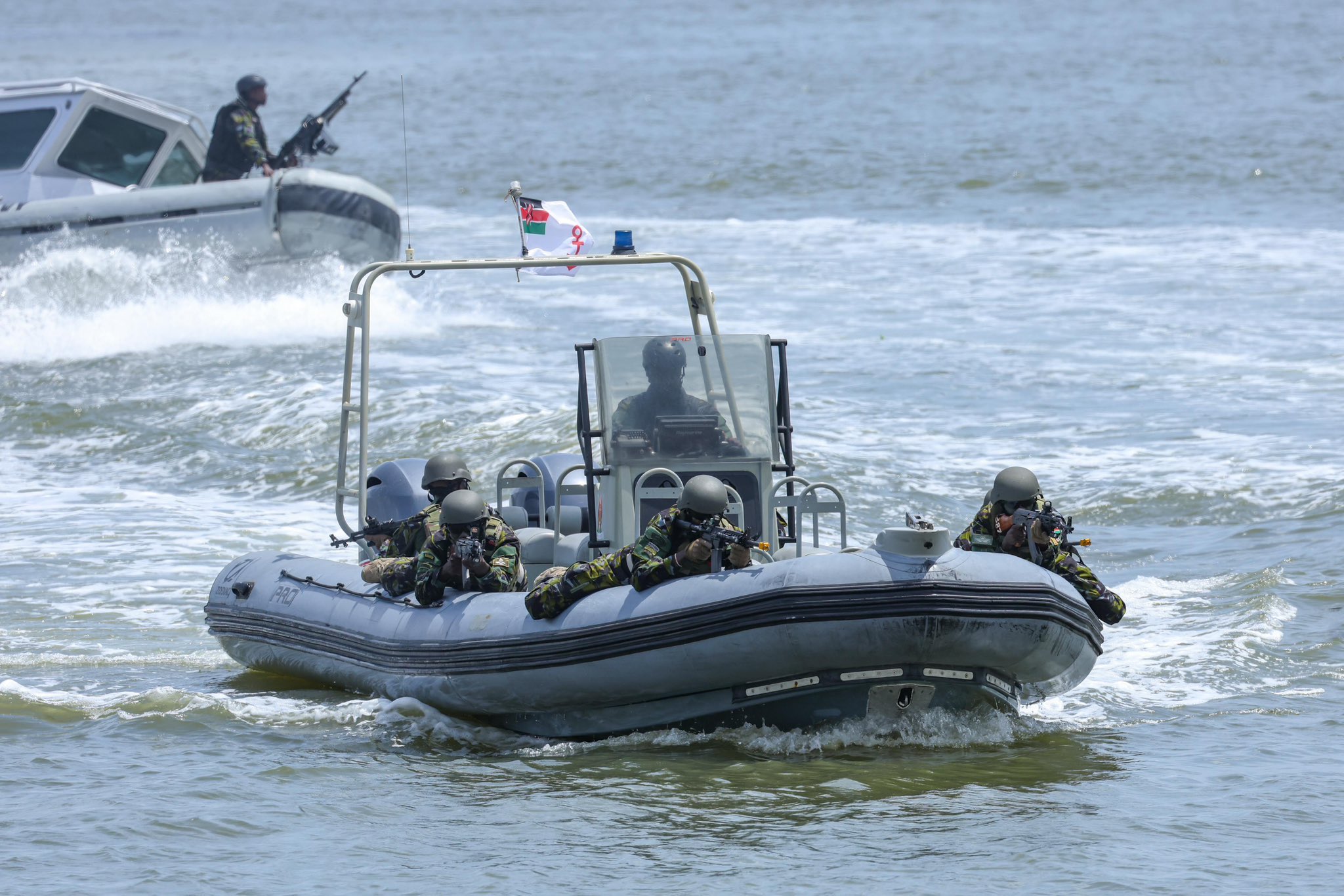
The government is considering the use of Kenya Defence Forces naval escorts to protect cargo vessels carrying Kenyan exports to the Middle East, as escalating conflict involving Iran continues to disrupt critical shipping routes.
Industry Principal Secretary Juma Mukhwana said on Tuesday that authorities were exploring options for escorted shipments through high-risk maritime zones, a practice already adopted by several other countries.
Speaking during an interview on NTV’s The Last Word, Mr Mukhwana noted that Kenya lacked a national shipping line and faced rising insurance costs, but collaboration with the Kenya Navy, Kenya Maritime Authority, international coalitions, insurers and diplomatic partners could make the arrangement workable.
“We do not have a shipping line of our own, and the issue of insurance is also there. But with other countries escorting their ships, we should also be able to do that,” he said.
The proposal includes coordinated and consolidated shipments, possibly routed through hubs such as Jeddah in Saudi Arabia, under government-supported frameworks.
A hybrid approach under consideration would see naval escorts provided up to safer zones, after which goods could be moved through alternative means such as airlifts or regional redistribution.
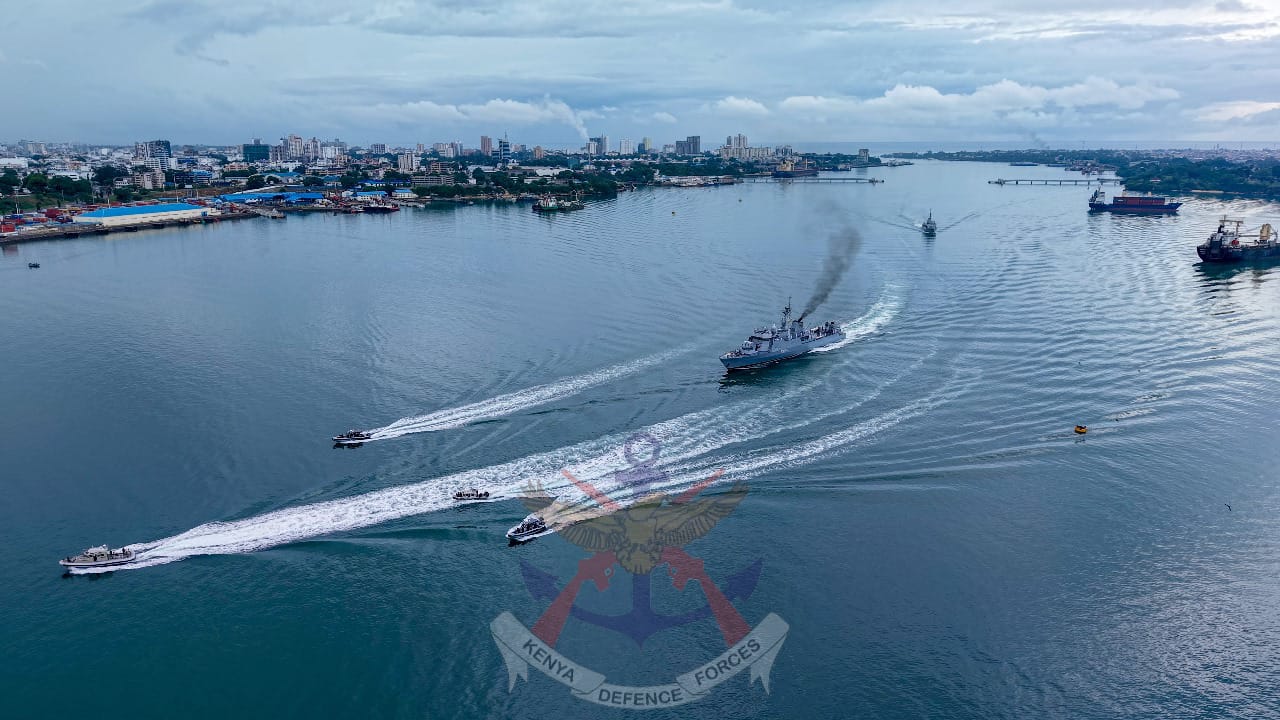
The move comes as exporters report heavy losses due to the disruption of key trade routes, particularly through the Strait of Hormuz and Gulf waters affected by Iranian missile threats and naval actions.
The Kenya National Chamber of Commerce and Industry has warned that the country is losing between Sh800 million and Sh1.2 billion weekly in export revenue. Fresh produce, meat, coffee, tea and other goods destined for Middle East markets, or using the region as a logistics hub, have been hardest hit.
Chamber officials and industry players say the losses threaten thousands of jobs and could force some businesses to scale down or close operations.
Mr Mukhwana acknowledged the immediate challenges but pointed to ongoing government efforts to cushion the sector. He noted that fuel imports remained stable, with vessels already offloading at the Port of Mombasa, despite speculation driving localised price pressures.
He also highlighted diversification measures, including a recent early-harvest duty-free export consignment to China that included avocados, macadamia, coffee, tea and horticultural produce.
The broader context involves Iran’s actions in the Gulf, which have reduced shipping traffic, increased insurance premiums and forced rerouting of vessels at significantly higher costs. Some cargo originally bound for Dubai has been diverted to Kenyan ports such as Lamu.
Kenya’s limited blue-water naval capacity and absence of a merchant fleet present practical difficulties, but officials believe partnerships with allies and private operators could enable escorted convoys where necessary.
No final decision or timeline has been announced, and the proposal remains under active consideration.
Exporters have welcomed the government’s engagement and continue to call for swift measures to safeguard trade interests in one of Kenya’s most important markets.
Kenya Insights allows guest blogging, if you want to be published on Kenya’s most authoritative and accurate blog, have an expose, news TIPS, story angles, human interest stories, drop us an email on [email protected] or via Telegram


Kenyan Kennedy Mugambi Dragged into South Sudan Oil Heist

Denial Under Duress: The Untold Collapse Threatening David Lagat’s DL Group’s Empire

Stung By West Africa Rejections, France Courts Rest Of Continent at Kenya Summit

THE INSURER THAT TOOK YOUR PREMIUM AND FORGOT YOUR NAME: How ICEA Lion Left a Client Begging for Sh7.8 Million Across Four Months

Safaricom’s Sh1.4 Billion Reckoning: How Kenya’s Most Profitable Company Stole a Man’s Idea and Got Caught

Bush Air Safaris Founder John Ndiritu Risks Losing Property Over Disputed Loan Claim

Bia Tosha’s Claim For Injunction Is Designed To Sabotage The Sh300bn Sale of EABL Shares

KDC Accelerates the Creative Economy, Innovation and Youth-Led Enterprise Growth at Africa Forward Summit

Luxury Play for Influence: Inside Kempinski’s High-Stakes Bet on Brazzaville

Kenya Rallies Behind Justice Njoki Ndung’u in Historic Bid for ICC Judgeship

How Did a Sh468K KRA Salary Allegedly Turn Into Sh30 Billion? Questions Deepen Over Commissioner George Obel and Ciala Resort Owner’s Wealth

Nairobi Freezes Binance Accounts in Sweeping Anti-Fraud Crackdown as Global Scandal Record Haunts World’s Largest Crypto Exchange

The Man Behind the Badge: How Prof. Erastus Kanga Turned Kenya’s Premier Wildlife Agency into a Theatre of Corruption, Fear and Impunity

THE UNTOUCHABLE CLERK: How Fatuma Mwalupa Allegedly Turned Kwale Assembly Into a Personal Treasury and Outsmarted Scrutiny

THE BRAZEN RETURN: Triton Thief Yagnesh Devani, Who Pillaged Kenya of Sh7.6 Billion and Fled, Now Asks the Same Courts He Escaped to Restore His Stolen Wealth

Green Gold, Rotten Roots: How Kenya’s Biggest Avocado Firms Hijacked a Sh5.8 Billion Harvest Ban

Kenyan Motorists Stare At Possible Engine Damage And Heavy Losses As Report Confirms Substandard Fuel In Circulation

TotalEnergies Moves to Sue TikToker for Sh10 Million Over Contaminated Fuel Claim as Kenya’s Petroleum Sector Burns

KETRACO CEO Advert Marred By Controversies As Fears Grow That Kipkemoi Kibias Is A Predetermined Candidate

Why the April 21 Flopped Protests Expose Kenya’s Rudderless Opposition
-
 Investigations2 weeks ago
How Did a Sh468K KRA Salary Allegedly Turn Into Sh30 Billion? Questions Deepen Over Commissioner George Obel and Ciala Resort Owner’s Wealth
-
 Business2 weeks ago
Green Gold, Rotten Roots: How Kenya’s Biggest Avocado Firms Hijacked a Sh5.8 Billion Harvest Ban
-

 Africa1 week ago
The $24 Million Heist at the End of the World
-

 Investigations2 weeks ago
Serial Scammers Strike Again: How Kelvin ‘Sonko’ Onyango and Seth Steve Okute Built a Gold Fraud Empire on Kenya’s Reputation
-
 Business2 weeks ago
High Court to Set the Record Straight in Long-Running Bia Tosha Petition
-

 Investigations2 weeks ago
The Greek Heist: How Inform Lykos Allegedly Robbed Kenyan Taxpayers of Sh650 Million While Printing the Nation’s Exams and Ballots
-

 Investigations1 week ago
The Judge, The Disgraced Magistrate, The Auctioneer-Husband, The Fixer And The Lawyer: Anatomy Of A Sh16 Million Judicial Bribery Racket
-

 Business2 weeks ago
Fly 748 Returns to Kenya’s Skies With Fresh Push for Affordable Coastal Travel