Three years after the government officially switched off the lights on a rural anti-poverty programme funded by a specialised agency of the United Nations, the money kept flowing. Not to the pastoralists in Turkana who had been promised drought insurance. Not to the women’s cooperatives in Kitui waiting on micro-credit. It flowed instead into a […]
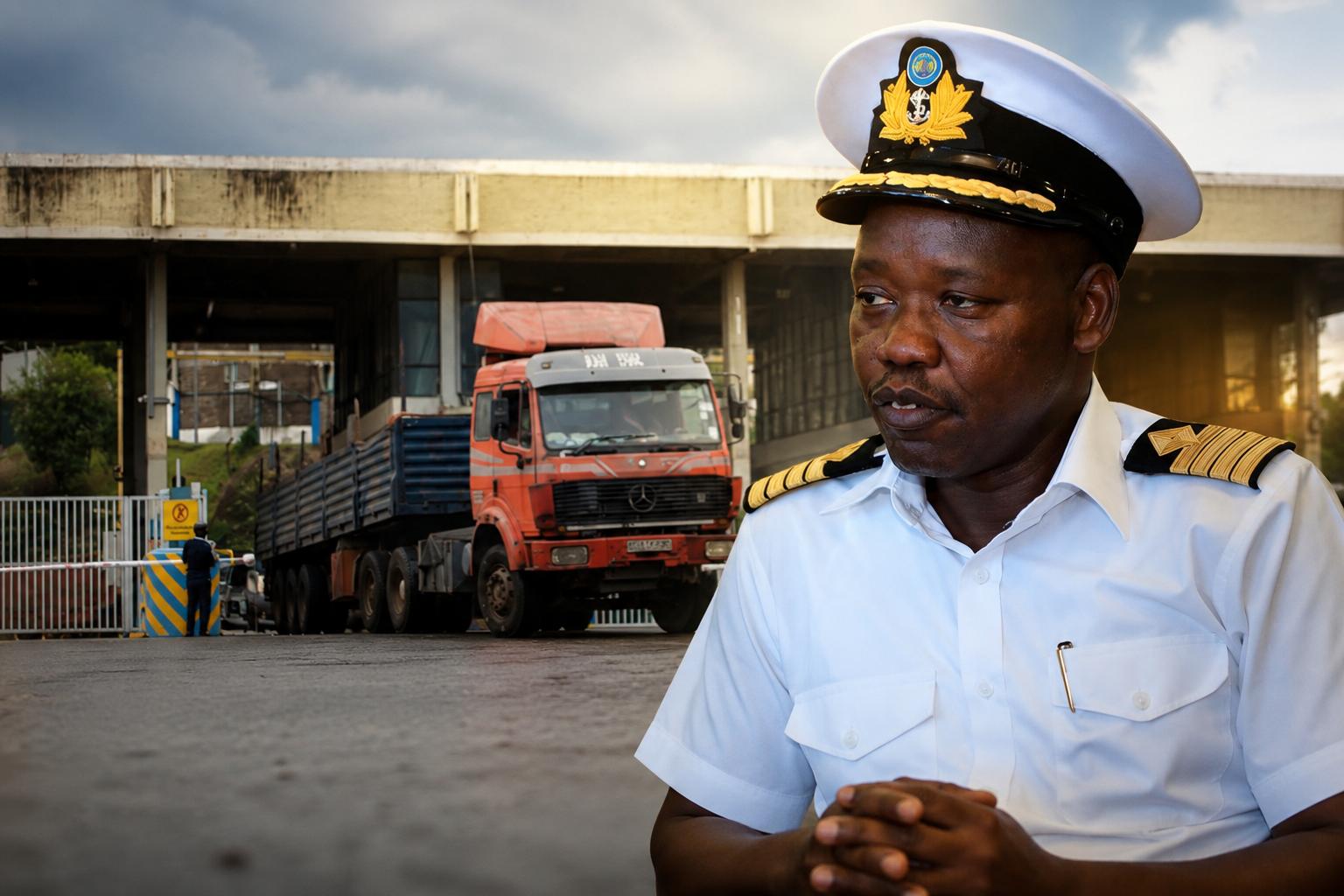
A contract meant to widen 1.4 kilometres of tarmac inside the Port of Mombasa has ballooned into one of the costliest road jobs ever signed by a Kenyan state agency, with taxpayers funding air-conditioned engineer suites, fleets of diesel 4WDs, twenty Android handsets and a Sh1.89 billion contingency cushion that a commercial lawyer says was built to hide human intervention. At the centre of it sits Managing Director Captain William Ruto, a man already facing a Sh31.2 billion procurement petition and questions from Parliament over a separate Sh1.9 billion discrepancy.
A road agency that has paid out billions for its own contractual sins, run for seven months by a man the High Court had just convicted of contempt, handed a Sh3 billion tarmac contract to an outfit with no comparable highway pedigree on the strength of a Chinese contractor’s name it stole and a stamp it forged. The whistleblower told them in March. They waited until a judge was watching in May.
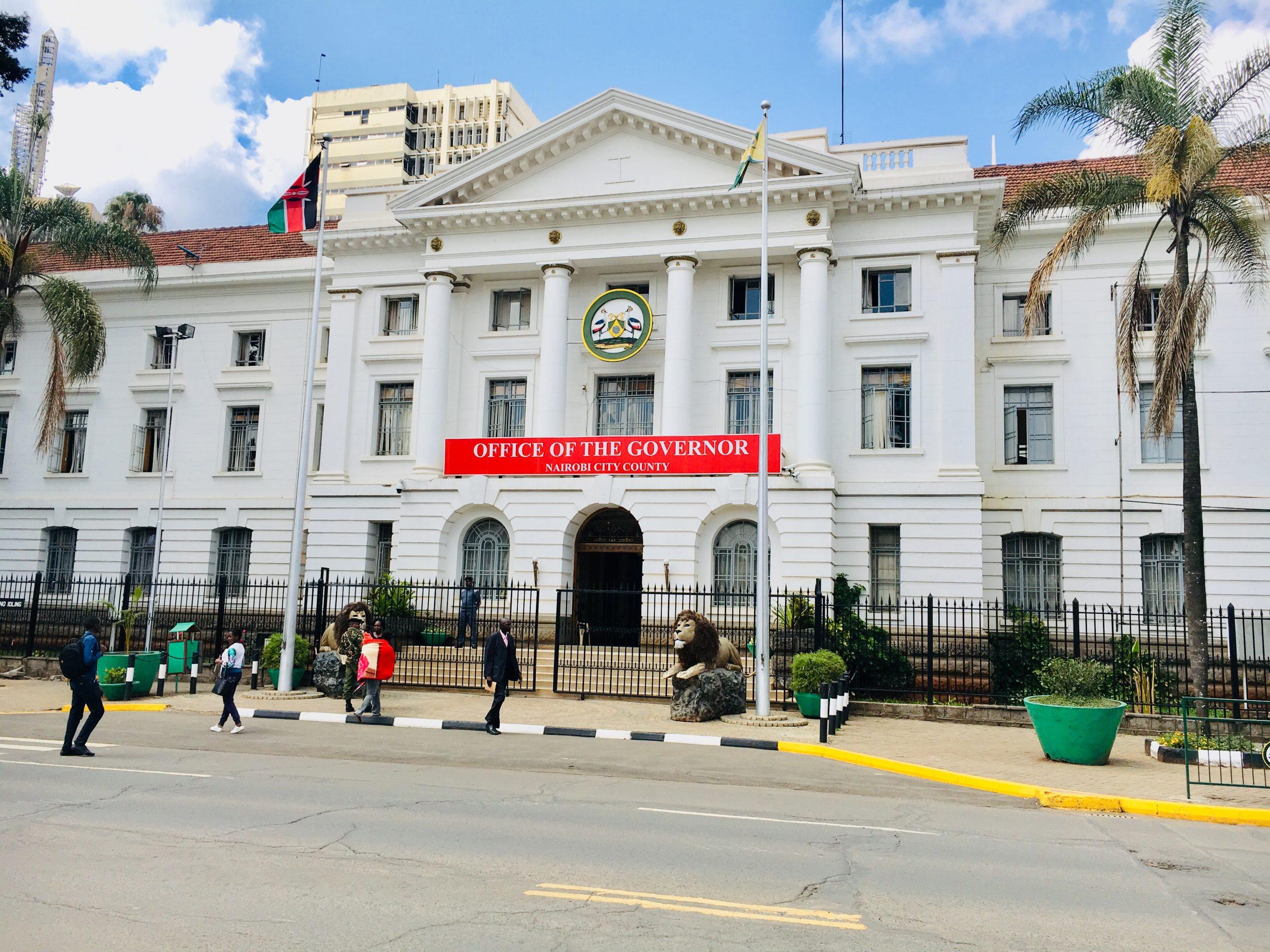
Charles Korgoren Kerich, for nearly a decade the most indispensable technocrat at Nairobi City Hall, is now a convicted contempt fugitive cooling his heels in America while Kenyan courts have issued an arrest warrant, a German investor suffered alleged death threats and a Sh52,000 credit card fraud linked to his business associates, and Sh65.3 million in cash was unearthed from under the nose of his departmental colleague. His story is Kenya’s impunity problem distilled into one man’s spectacular flight from accountability.
Three years after the government officially switched off the lights on a rural anti-poverty programme funded by a specialised agency of the United Nations, the money kept flowing. Not to the pastoralists in Turkana who had been promised drought insurance. Not to the women’s cooperatives in Kitui waiting on micro-credit. It flowed instead into a […]