
For nearly seven years, the battle over SportPesa has been portrayed as a bitter fallout between founders and business partners. Courtrooms in Nairobi and London have examined share allotments, trademark transfers, company resolutions and allegations of corporate misconduct. The judgments have not always favoured Paul Wanderi Ndung’u, one of the men who helped build the betting giant into a household name.
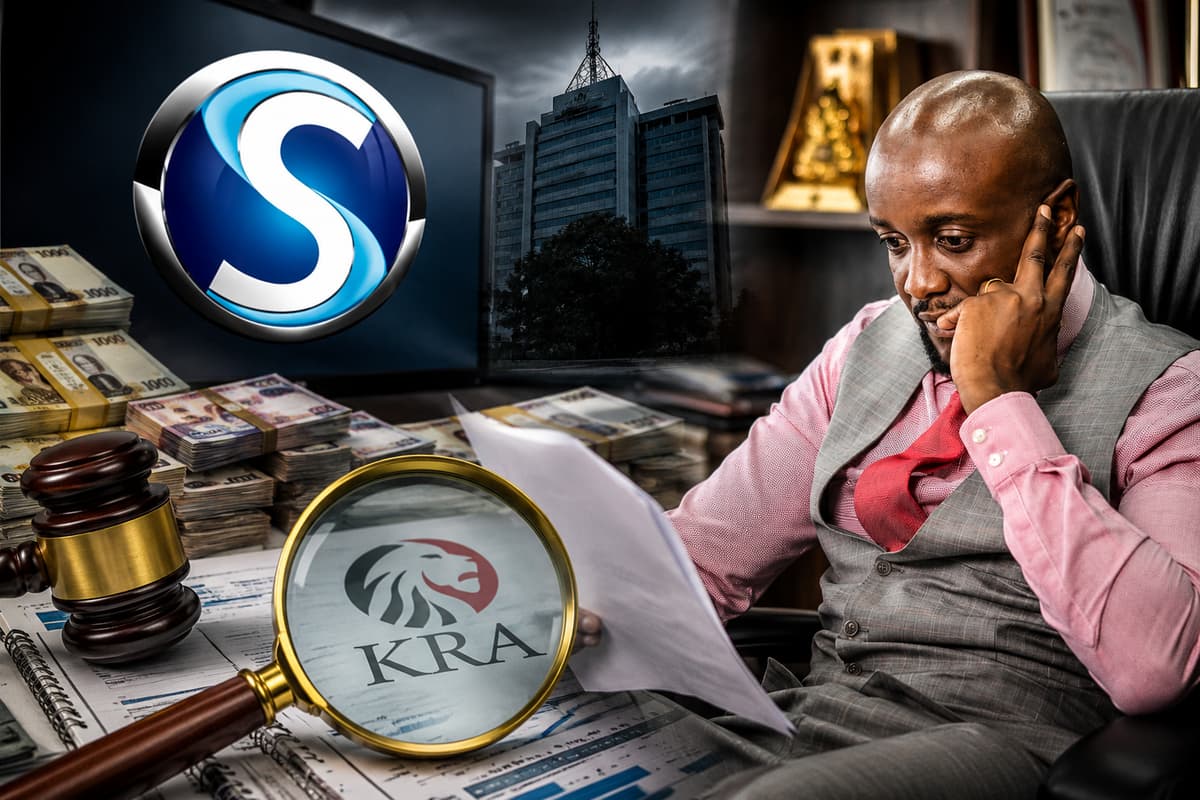
Yet buried beneath the headlines is a development that has fundamentally altered the Kenyan proceedings: allegations that a forged court order was used to lock Ndung’u out of litigation over the ownership of the SportPesa trademark.
Those allegations proved serious enough for Kenya’s Court of Appeal to overturn its own earlier decision, restore Ndung’u’s right to participate in the case, and trigger a criminal investigation into the authenticity of the document relied upon during the proceedings.
The criminal inquiry remains active, making the alleged forgery one of the few unresolved issues in a dispute that has otherwise produced major victories for SportPesa’s current owners.
From Betting Giant to Boardroom War
When Pevans East Africa launched SportPesa in 2014, few imagined it would become one of Kenya’s most recognisable corporate brands.
Aggressive marketing, multi-billion-shilling sponsorships and rapid expansion transformed SportPesa into East Africa’s dominant betting company. By mid-2019, shareholders had shared approximately Sh7.6 billion in dividends from profits approaching Sh13 billion.
Ndung’u says he held roughly 17 percent of Pevans and a smaller interest in the offshore parent company, SportPesa Global Holdings Limited (SPGHL). According to court filings, his dividend entitlement exceeded Sh1.3 billion.
Everything changed in July 2019.
Following a tax dispute and a wider government crackdown on gambling, Pevans lost its operating licence. Foreign directors were deported, operations stopped and the company’s future became uncertain.
Behind the scenes, however, decisions were already being made that would determine who controlled the SportPesa brand.
A New Company Emerges
In October 2020, SportPesa returned to the Kenyan market.
Instead of Pevans, the betting platform was now operated by Milestone Games Limited, a company beneficially owned primarily by Ronald Karauri and Robert Macharia.
Ndung’u and fellow shareholder Asenath Wachera Maina say they were excluded entirely from the new structure despite together controlling approximately 38 percent of Pevans.
Milestone has consistently maintained that every licence, trademark and regulatory approval was obtained lawfully.
Ndung’u argues the opposite.
According to his court filings, valuable assets belonging to Pevans were transferred without the knowledge or participation of significant shareholders.
The Trademark Transfers That Raised Questions
At the centre of the dispute are two SportPesa trademarks.
Records show they were transferred from Pevans East Africa to the United Kingdom-based SportPesa Global Holdings Limited for £100,000 each.
Considering SportPesa had generated billions of shillings in profits only months earlier, Ndung’u argues the valuation defied commercial logic.
His filings also identify what he describes as inconsistencies within the trademark registry itself.
One transfer application reportedly refers to a deed of assignment dated September 1, while the registry file instead contains a deed dated June 2.
Ndung’u argues the discrepancy leaves an unexplained period during which both companies appeared to claim ownership of the same trademarks.
He has also questioned whether stamp duty was properly assessed and whether the payments appear in SPGHL’s audited financial statements.
Those issues remain before the Kenyan High Court in constitutional proceedings that have yet to be determined.
The Alleged Forged Court Order
The most explosive chapter of the dispute emerged during appellate proceedings in Kenya.
In February 2023, the Court of Appeal dismissed Ndung’u’s attempt to join proceedings concerning the SportPesa trademark.
The judges relied on what appeared to be a court order preventing him from participating in litigation involving Pevans.
Ndung’u later challenged that order, arguing it had been forged.
According to his application, the genuine High Court order merely imposed temporary interim restrictions that automatically expired after two weeks.
The document presented before the Court of Appeal, however, allegedly portrayed those temporary orders as a permanent injunction, fundamentally changing their legal effect.
The distinction proved critical.
Had the document been genuine, Ndung’u could lawfully have been excluded from proceedings affecting the ownership of the SportPesa trademarks.
If it was fabricated, the appellate court’s earlier decision rested on false material.
Court of Appeal Reopens the Case
The allegations persuaded the Court of Appeal to revisit its own judgment.
In October 2025, the appellate court set aside its earlier 2023 decision and restored Ndung’u’s right to challenge the trademark dispute.
The court accepted that the circumstances surrounding the disputed order required the matter to be reconsidered.
The decision marked one of the most unusual developments in Kenya’s appellate history, with the court effectively reversing an earlier judgment after questions emerged over the authenticity of a document relied upon during the proceedings.
The alleged forgery has since become the subject of a criminal investigation.
The Directorate of Criminal Investigations opened an inquiry into the disputed court order, meaning the issue has moved beyond civil litigation into the criminal justice system.
Separately, the Judiciary has warned of increasing incidents involving forged court documents being used to influence litigation, dispose of property and interfere with judicial proceedings.
Whether the disputed SportPesa order forms part of that wider pattern remains for investigators and, ultimately, the courts to determine.
The London Case Ends Differently
While the Kenyan proceedings took an unexpected turn, Ndung’u’s claims in London produced a different outcome.
He alleged that rights issues conducted by SportPesa Global Holdings diluted his shareholding from approximately 17 percent to below one percent through a coordinated scheme designed to force him out.
He also alleged irregular board meetings, defective notices and falsified corporate records.
Following a lengthy trial, the Business and Property Courts of England and Wales rejected the central allegations.
Justice Edwin Johnson found no conspiracy to dilute Ndung’u’s shareholding, no forgery relating to the corporate restructuring and no unfair prejudice warranting compensation.
The judge concluded that the reduction in Ndung’u’s shareholding resulted from his failure to participate in successive rights issues.
Nevertheless, the court also found that SportPesa Global Holdings had breached statutory pre-emption provisions under the UK Companies Act and noted multiple corporate governance failures admitted during the proceedings.
Despite those findings, the court dismissed Ndung’u’s principal claims and ordered him to pay legal costs exceeding £2 million.
Separate Battles, Separate Questions
The London judgment did not determine ownership of the Kenyan trademarks.
Nor did it decide whether the disputed court order presented before the Kenyan Court of Appeal was authentic.
Those issues remain entirely separate.
The constitutional challenge over the trademark transfers continues before the High Court in Nairobi.
The criminal investigation into the alleged forged court order also remains unresolved.
What Has Been Decided
Several important questions have now been answered.
London rejected allegations that SportPesa Global Holdings conspired to dilute Ndung’u’s shareholding unlawfully.
Kenyan courts have dismissed several procedural applications brought by Ndung’u concerning earlier litigation.
SportPesa’s current operators have largely succeeded in defending their commercial position.
What Has Not
One issue, however, continues to cast a long shadow over the entire dispute.
According to the Kenyan appellate proceedings, Ndung’u successfully argued that the court order relied upon to exclude him from the trademark litigation was forged.
On that basis, the Court of Appeal set aside its earlier decision, reinstated his right to contest the matter, and the alleged forgery became the subject of a criminal investigation.
That investigation has yet to produce a public conclusion.
Its outcome could prove significant, not only for the parties involved but also for public confidence in the administration of justice.
If investigators establish that a forged judicial document was used in proceedings concerning one of Kenya’s most valuable commercial brands, the implications would extend far beyond SportPesa itself.
Until that question is finally answered, the legal battle over SportPesa’s soul cannot truly be said to be over.






Comments