
Sci & Tech
Apple To Scan U.S iPhones For Images Of Child Pornography

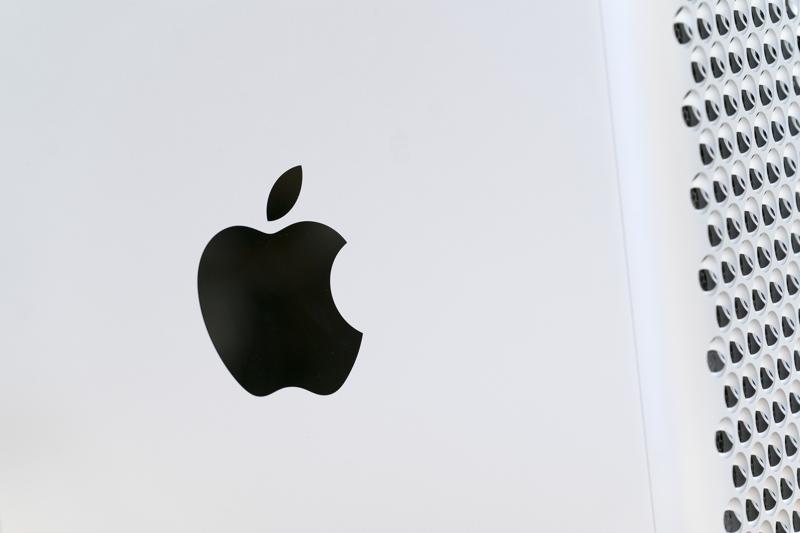
Apple unveiled plans to scan U.S. iPhones for images of child sexual abuse, drawing applause from child protection groups but raising concern among some security researchers that the system could be misused by governments looking to surveil their citizens.
Apple said its messaging app will use on-device machine learning to warn about sensitive content without making private communications readable by the company. The tool Apple calls “neuralMatch” will detect known images of child sexual abuse without decrypting people’s messages. If it finds a match, the image will be reviewed by a human who can notify law enforcement if necessary.
But researchers say the tool could be put to other purposes such as government surveillance of dissidents or protesters.
Matthew Green of Johns Hopkins, a top cryptography researcher, was concerned that it could be used to frame innocent people by sending them harmless but malicious images designed designed to appear as matches for child porn, fooling Apple’s algorithm and alerting law enforcement — essentially framing people. “Researchers have been able to do this pretty easily,” he said.
Tech companies including Microsoft, Google, Facebook and others have for years been sharing “hash lists” of known images of child sexual abuse. Apple has also been scanning user files stored in its iCloud service, which is not as securely encrypted as its messages, for such images.
Some say this technology could leave the company vulnerable to political pressure in authoritarian states such as China. “What happens when the Chinese government says, ‘Here is a list of files that we want you to scan for,’” Green said. “Does Apple say no? I hope they say no, but their technology won’t say no.”
The company has been under pressure from governments and law enforcement to allow for surveillance of encrypted data. Coming up with the security measures required Apple to perform a delicate balancing act between cracking down on the exploitation of children while keeping its high-profile commitment to protecting the privacy of its users.
Apple believes it pulled off that feat with technology that it developed in consultation with several prominent cryptographers, including Stanford University professor Dan Boneh, whose work in the field has won a Turing Award, often called technology’s version of the Nobel Prize.
The computer scientist who more than a decade ago invented PhotoDNA, the technology used by law enforcement to identify child pornography online, acknowledged the potential for abuse of Apple’s system but said it was far outweighed by the imperative of battling child sexual abuse.
“It possible? Of course. But is it something that I’m concerned about? No,” said Hany Farid, a researcher at the University of California at Berkeley, who argues that plenty of other programs designed to secure devices from various threats haven’t seen “this type of mission creep.” For example, WhatsApp provides users with end-to-end encryption to protect their privacy, but employs a system for detecting malware and warning users not to click on harmful links.
Apple was one of the first major companies to embrace “end-to-end” encryption, in which messages are scrambled so that only their senders and recipients can read them. Law enforcement, however, has long pressured for access to that information in order to investigate crimes such as terrorism or child sexual exploitation.
“Apple’s expanded protection for children is a game changer,” John Clark, the president and CEO of the National Center for Missing and Exploited Children, said in a statement. “With so many people using Apple products, these new safety measures have lifesaving potential for children who are being enticed online and whose horrific images are being circulated in child sexual abuse material.”
Julia Cordua, the CEO of Thorn, said that Apple’s technology balances “the need for privacy with digital safety for children.” Thorn, a nonprofit founded by Demi Moore and Ashton Kutcher, uses technology to help protect children from sexual abuse by identifying victims and working with tech platforms.
Kenya Insights allows guest blogging, if you want to be published on Kenya’s most authoritative and accurate blog, have an expose, news TIPS, story angles, human interest stories, drop us an email on [email protected] or via Telegram














IEBC Sets August 10 Date For 2027 General Election

Furious Ruto Lashes Out at Gideon Moi Over Repeated ‘Blackmail, Extortionist’ Headlines on The Standard and KTN

Mombasa Gripped by ‘Male Organ Theft’ Panic as Social Media Fuels Mob Attacks and Fear

TOO MUCH PR, NOTHING TO SEE: How Gladys Wanga Built a Perfect Story of Transformation While Homa Bay Bled

Netanyahu Says Israel Must ‘Break Free from Dependence’ After Tensions With Trump Administration

Niger pulls Out Of International Criminal Court After Calling It Neo-Colonialist

Kenya Awards Sh154 Billion JKIA Upgrade Tender To Chinese Firm CRBC

The Untouchable: How KURA’s Silas Kinoti Has Survived A Decade Of Corruption Storms While Kenya’s Roads Bled

Fake Papers, Dirty Millions And The Analo Connect: How Kitisuru MCA Alvin Palapala Built a Shadow Empire Inside Nairobi’s Planning Machine

Migori Payment Row Deepens As Branding Firm Demands Sh3.8 Million Over Unpaid Piny Luo Festival Deal

Businessman Philip Waithaka Kinuthia’s Minor Son Allegedly Drove Drunk, Killed Two Peponi Students in Ngong Road Horror Crash as Claims of Cover-Up Intensify

Inside NCBA’s Decline: How a Banking Giant Lost Its Strategic Edge

South Sudan: Adut Salva Kiir’s Shadow Treasury Exposed

Cement, Cash and Courts: How the Hashu Dynasty Crushed the Ramji Brothers for Fourteen Years and Why the Walls Are Now Closing In

Standard Chartered Ghosts Haunt Joshua Oigara At Stanbic As Whistleblower Spills Beans

Inside The Urban Planning Cartel That Owns Nairobi

THE VULTURE AND THE SCHEME How Nairobi West Hospital Became the Most Dangerous Institution in Kenya’s SHA Ecosystem and Why the Books Must Be Audited Now

The President’s Daughter and The Missing Witness: How Adut Salva Kiir’s Shadow Treasury Silenced Its Most Dangerous Critic

How Adil Popat Saved His Empire On The Eve Of Imperial Bank Collapse and Why Kenya’s Mainstream Media Buried The Story

Why John Ngumi Is Running From the EACC and Why the Sh415 Million Payday May Be the Least of His Worries
-
 News1 week ago
Businessman Philip Waithaka Kinuthia’s Minor Son Allegedly Drove Drunk, Killed Two Peponi Students in Ngong Road Horror Crash as Claims of Cover-Up Intensify
-
 Africa2 weeks ago
South Sudan: Adut Salva Kiir’s Shadow Treasury Exposed
-
 Business2 weeks ago
Standard Chartered Ghosts Haunt Joshua Oigara At Stanbic As Whistleblower Spills Beans
-
 Investigations5 days ago
THE VULTURE AND THE SCHEME How Nairobi West Hospital Became the Most Dangerous Institution in Kenya’s SHA Ecosystem and Why the Books Must Be Audited Now
-
 Africa2 weeks ago
The President’s Daughter and The Missing Witness: How Adut Salva Kiir’s Shadow Treasury Silenced Its Most Dangerous Critic
-
 Business2 weeks ago
How Adil Popat Saved His Empire On The Eve Of Imperial Bank Collapse and Why Kenya’s Mainstream Media Buried The Story
-
 Business2 weeks ago
Why John Ngumi Is Running From the EACC and Why the Sh415 Million Payday May Be the Least of His Worries
-

 Business5 days ago
Inside the Billion-Shilling Betrayal: How Senior Treasury Officials Plundered a UN Poverty Fund and Built a Real Estate Empire on the Backs of Kenya’s Rural Poor