
Sci & Tech
LinkedIn Hacked, Data Of 700M Users Being Sold On Dark Web


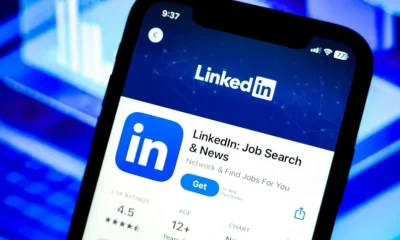
LinkedIn data of over 700 million users has reportedly been exposed in a new breach. LinkedIn has a total of 756 million users, which means that the data of more than 92 percent of its users has been compromised in this new breach. The new dataset obtained by an unknown hacker is said to consist of personal details of LinkedIn users, including phone numbers, physical addresses, geolocation data, and inferred salaries. In April, LinkedIn confirmed a data breach affecting 500 million subscribers wherein personal details like email address, phone number, workplace information, full name, account IDs, links to their social media accounts, and gender details were listed online.
According to LinkedIn, it did not face a data breach, but rather the information was gained from scraping the network. In an emailed statement, LinkedIn told Gadgets 360: “While we’re still investigating this issue, our initial analysis indicates that the dataset includes information scraped from LinkedIn as well as information obtained from other sources. This was not a LinkedIn data breach and our investigation has determined that no private LinkedIn member data was exposed. Scraping data from LinkedIn is a violation of our Terms of Service and we are constantly working to ensure our members’ privacy is protected.”
The new dataset of 700 million users is also on sale on the Dark Web, wherein the hacker has posted a sample set of 1 million users for buyers. RestorePrivacy was the first to spot this listing on the Dark Web and the sample data was cross-verified by 9to5Google. The sample dataset that has been published on the Dark Web includes user information like email addresses, full names, phone numbers, physical addresses, geolocation records, LinkedIn username and profile URL, inferred salaries, personal and professional experience/ background, gender, and social media accounts and usernames.
9to5Google reached out directly to the hacker who says that the data was obtained by exploiting the LinkedIn API to harvest information that people upload to the site. The dataset does not include passwords, but the information is still very valuable and could amount to identity theft or phishing attempts.
To protect your data, it is important to look at the safety, security, and privacy settings of the apps you use and make sure that these are set up properly. Ensure that you have set up a strong password and indulge in the habit of changing them frequently. Also, enable two-factor authentication (2FA) wherever available, and do not accept connections, especially on LinkedIn and Facebook, from unknown people. Subscribe to sites like Have I Been Pwned for notifications if your email address is part of a data breach.
Kenya Insights allows guest blogging, if you want to be published on Kenya’s most authoritative and accurate blog, have an expose, news TIPS, story angles, human interest stories, drop us an email on [email protected] or via Telegram













Kenya Airways Sinks Into Deeper Turbulence As American Supplier Sues In New York Court Over Sh129 Million Unpaid Debts

Kenyan player wins a Ksh3.2 million jackpot

IEBC Sets August 10 Date For 2027 General Election

Furious Ruto Lashes Out at Gideon Moi Over Repeated ‘Blackmail, Extortionist’ Headlines on The Standard and KTN

Mombasa Gripped by ‘Male Organ Theft’ Panic as Social Media Fuels Mob Attacks and Fear

TOO MUCH PR, NOTHING TO SEE: How Gladys Wanga Built a Perfect Story of Transformation While Homa Bay Bled

Netanyahu Says Israel Must ‘Break Free from Dependence’ After Tensions With Trump Administration

Niger pulls Out Of International Criminal Court After Calling It Neo-Colonialist

Kenya Awards Sh154 Billion JKIA Upgrade Tender To Chinese Firm CRBC

The Untouchable: How KURA’s Silas Kinoti Has Survived A Decade Of Corruption Storms While Kenya’s Roads Bled

Businessman Philip Waithaka Kinuthia’s Minor Son Allegedly Drove Drunk, Killed Two Peponi Students in Ngong Road Horror Crash as Claims of Cover-Up Intensify

Inside NCBA’s Decline: How a Banking Giant Lost Its Strategic Edge

South Sudan: Adut Salva Kiir’s Shadow Treasury Exposed

Cement, Cash and Courts: How the Hashu Dynasty Crushed the Ramji Brothers for Fourteen Years and Why the Walls Are Now Closing In

Standard Chartered Ghosts Haunt Joshua Oigara At Stanbic As Whistleblower Spills Beans

Inside The Urban Planning Cartel That Owns Nairobi

THE VULTURE AND THE SCHEME How Nairobi West Hospital Became the Most Dangerous Institution in Kenya’s SHA Ecosystem and Why the Books Must Be Audited Now

The President’s Daughter and The Missing Witness: How Adut Salva Kiir’s Shadow Treasury Silenced Its Most Dangerous Critic

How Adil Popat Saved His Empire On The Eve Of Imperial Bank Collapse and Why Kenya’s Mainstream Media Buried The Story

Why John Ngumi Is Running From the EACC and Why the Sh415 Million Payday May Be the Least of His Worries
-
 News2 weeks ago
Businessman Philip Waithaka Kinuthia’s Minor Son Allegedly Drove Drunk, Killed Two Peponi Students in Ngong Road Horror Crash as Claims of Cover-Up Intensify
-
 Africa2 weeks ago
South Sudan: Adut Salva Kiir’s Shadow Treasury Exposed
-
 Investigations7 days ago
THE VULTURE AND THE SCHEME How Nairobi West Hospital Became the Most Dangerous Institution in Kenya’s SHA Ecosystem and Why the Books Must Be Audited Now
-
 Business2 weeks ago
How Adil Popat Saved His Empire On The Eve Of Imperial Bank Collapse and Why Kenya’s Mainstream Media Buried The Story
-
 Business2 weeks ago
Why John Ngumi Is Running From the EACC and Why the Sh415 Million Payday May Be the Least of His Worries
-

 Business4 days ago
BURRIED TWICE: The Victoria Bank CEO Yogesh Pattni Files
-
 Business7 days ago
Inside the Billion-Shilling Betrayal: How Senior Treasury Officials Plundered a UN Poverty Fund and Built a Real Estate Empire on the Backs of Kenya’s Rural Poor
-

 Business1 week ago
The Listing That Doesn’t Lie: What the Market Isn’t Saying About Family Bank’s NSE Debut