
News
INTERPOL Warns Of Fake COVID-19 Vaccines

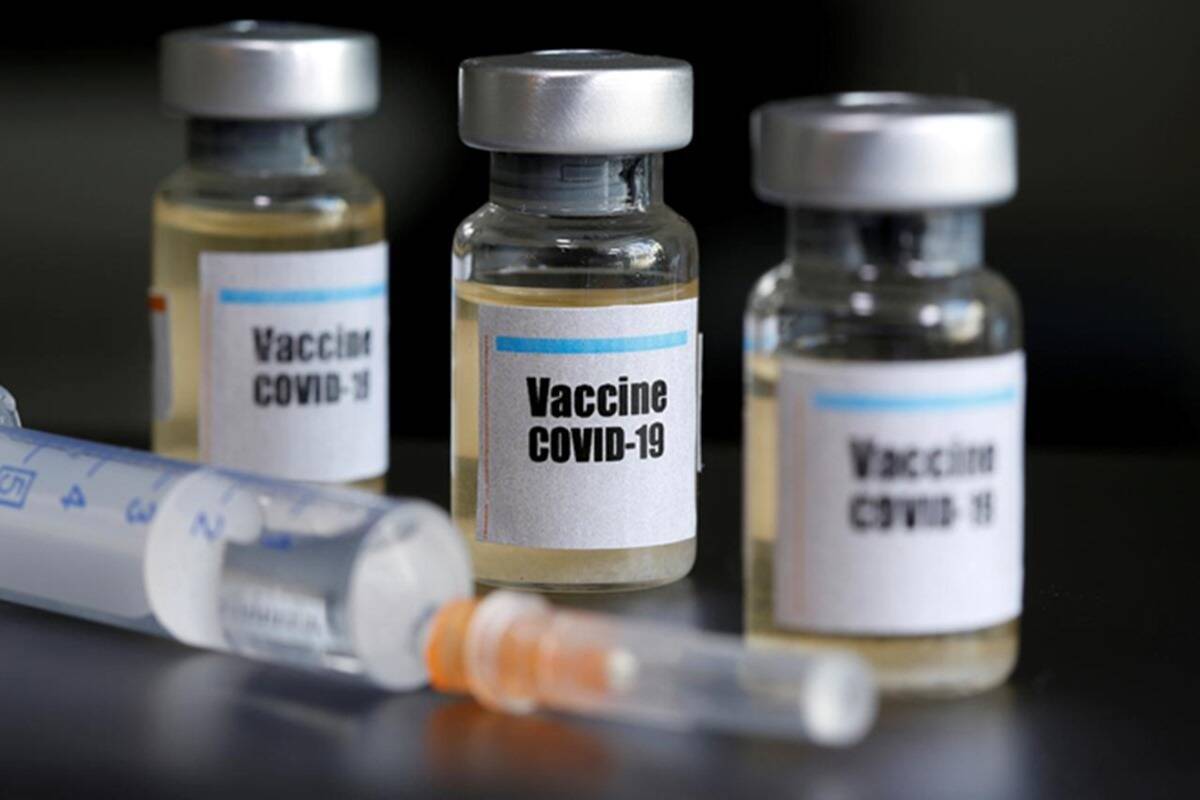
In an Orange notice issued to all 194 member countries on Wednesday, the Lyon-based international police cooperation body warned agencies to prepare for potential criminal activity in relation to “the falsification, theft and illegal advertising of COVID-19 and flu vaccines”.
The Interpol has warned law enforcement agencies across the globe that organised criminal networks could try to advertise and sell fake COVID-19 vaccines physically and on the internet.
In an Orange notice issued to all 194 member countries on Wednesday, the Lyon-based international police cooperation body warned agencies to prepare for potential criminal activity in relation to “the falsification, theft and illegal advertising of COVID-19 and flu vaccines”.
“It also includes examples of crimes where individuals have been advertising, selling and administering fake vaccines,” a statement from the Interpol said.
The Interpol issues an Orange notice to warn of an event, a person, an object or a process representing a serious and imminent threat to public safety.
The CBI, which is the national central bureau for India, is tasked with coordination with the Interpol.
The warning came on the day the UK became the first Western nation to approve a COVID-19 vaccine, vaulting past the US and the European Union in the race to approve a vaccine.
The Interpol has asked police organisations to ensure “the safety of the supply chain” and said “identifying illicit websites selling fake products will be essential”.
“Criminal networks will also be targeting unsuspecting members of the public via fake websites and false cures, which could pose a significant risk to their health, even their lives,” Interpol Secretary General Jurgen Stock said in a statement.
“It is essential that law enforcement is as prepared as possible for what will be an onslaught of all types of criminal activity linked to the COVID-19 vaccine, which is why INTERPOL has issued this global warning,” the official said.
The Interpol cybercrime unit has analysed that of 3,000 websites associated with online pharmacies suspected of selling illicit medicines and medical devices, around 1,700 contained cyber threats, especially phishing and spamming malware making such operators even more potent of causing financial and health harms.
Kenya Insights allows guest blogging, if you want to be published on Kenya’s most authoritative and accurate blog, have an expose, news TIPS, story angles, human interest stories, drop us an email on [email protected] or via Telegram


How KCB and Airtel Turned Kenya’s Unbanked Into a Data Goldmine Behind a ‘Financial Inclusion’ Deal

The Chivayo Network: How a Convicted Fraudster Won Access to Presidents, Passports and Billion-Dollar Deals Across Africa

BURRIED TWICE: The Victoria Bank CEO Yogesh Pattni Files

Court Stops Transfer Of EABL Shares To Asahi By Diageo In A Fresh Snag

Death Before Justice: Stephen Ngei, Victim of Sh180 Million Laptop Tender Scam Linked to Allan Chesang, Killed in Highway Crash

Court Brands Sh1.1 Billion Fee Demand by Lawyer Victor Swanya “Excessive and Exorbitant,” Exposes How City Hall Lets Public Money Bleed Through Legal Bills

Trump Unveils New Air Force One

MR. NO SHOW: Finance Bill 2026 Exposes Ndindi Nyoro’s Political Conmanship

Billionaire Eric Muli Rebukes Musalia Mudavadi Over Nairobi Capital Relocation Debate

Lawyer Cliff Ombeta Warns Against Taking Insurance Cover With Old Mutual: “Talk to Me Before You Do, Their Imara Cover Is a Fraud”

Businessman Philip Waithaka Kinuthia’s Minor Son Allegedly Drove Drunk, Killed Two Peponi Students in Ngong Road Horror Crash as Claims of Cover-Up Intensify

Inside NCBA’s Decline: How a Banking Giant Lost Its Strategic Edge

Cement, Cash and Courts: How the Hashu Dynasty Crushed the Ramji Brothers for Fourteen Years and Why the Walls Are Now Closing In

Standard Chartered Ghosts Haunt Joshua Oigara At Stanbic As Whistleblower Spills Beans

South Sudan: Adut Salva Kiir’s Shadow Treasury Exposed

Inside The Urban Planning Cartel That Owns Nairobi

THE VULTURE AND THE SCHEME How Nairobi West Hospital Became the Most Dangerous Institution in Kenya’s SHA Ecosystem and Why the Books Must Be Audited Now

How Adil Popat Saved His Empire On The Eve Of Imperial Bank Collapse and Why Kenya’s Mainstream Media Buried The Story

Why John Ngumi Is Running From the EACC and Why the Sh415 Million Payday May Be the Least of His Worries

The President’s Daughter and The Missing Witness: How Adut Salva Kiir’s Shadow Treasury Silenced Its Most Dangerous Critic
-
 News1 week ago
Businessman Philip Waithaka Kinuthia’s Minor Son Allegedly Drove Drunk, Killed Two Peponi Students in Ngong Road Horror Crash as Claims of Cover-Up Intensify
-
 Business2 weeks ago
Inside NCBA’s Decline: How a Banking Giant Lost Its Strategic Edge
-
 Business2 weeks ago
Standard Chartered Ghosts Haunt Joshua Oigara At Stanbic As Whistleblower Spills Beans
-
 Africa1 week ago
South Sudan: Adut Salva Kiir’s Shadow Treasury Exposed
-
 Investigations3 days ago
THE VULTURE AND THE SCHEME How Nairobi West Hospital Became the Most Dangerous Institution in Kenya’s SHA Ecosystem and Why the Books Must Be Audited Now
-
 Business1 week ago
How Adil Popat Saved His Empire On The Eve Of Imperial Bank Collapse and Why Kenya’s Mainstream Media Buried The Story
-
 Business1 week ago
Why John Ngumi Is Running From the EACC and Why the Sh415 Million Payday May Be the Least of His Worries
-
 Africa2 weeks ago
The President’s Daughter and The Missing Witness: How Adut Salva Kiir’s Shadow Treasury Silenced Its Most Dangerous Critic