
News
Weatherman Forecasts Mixed Rainfall Patterns For March-May 2025 Season
The forecast suggests that the Lake Victoria Basin, South Rift Valley, and parts of the Highlands West of the Rift Valley will likely receive near to above-average rainfall, continuing from February with occasional breaks.

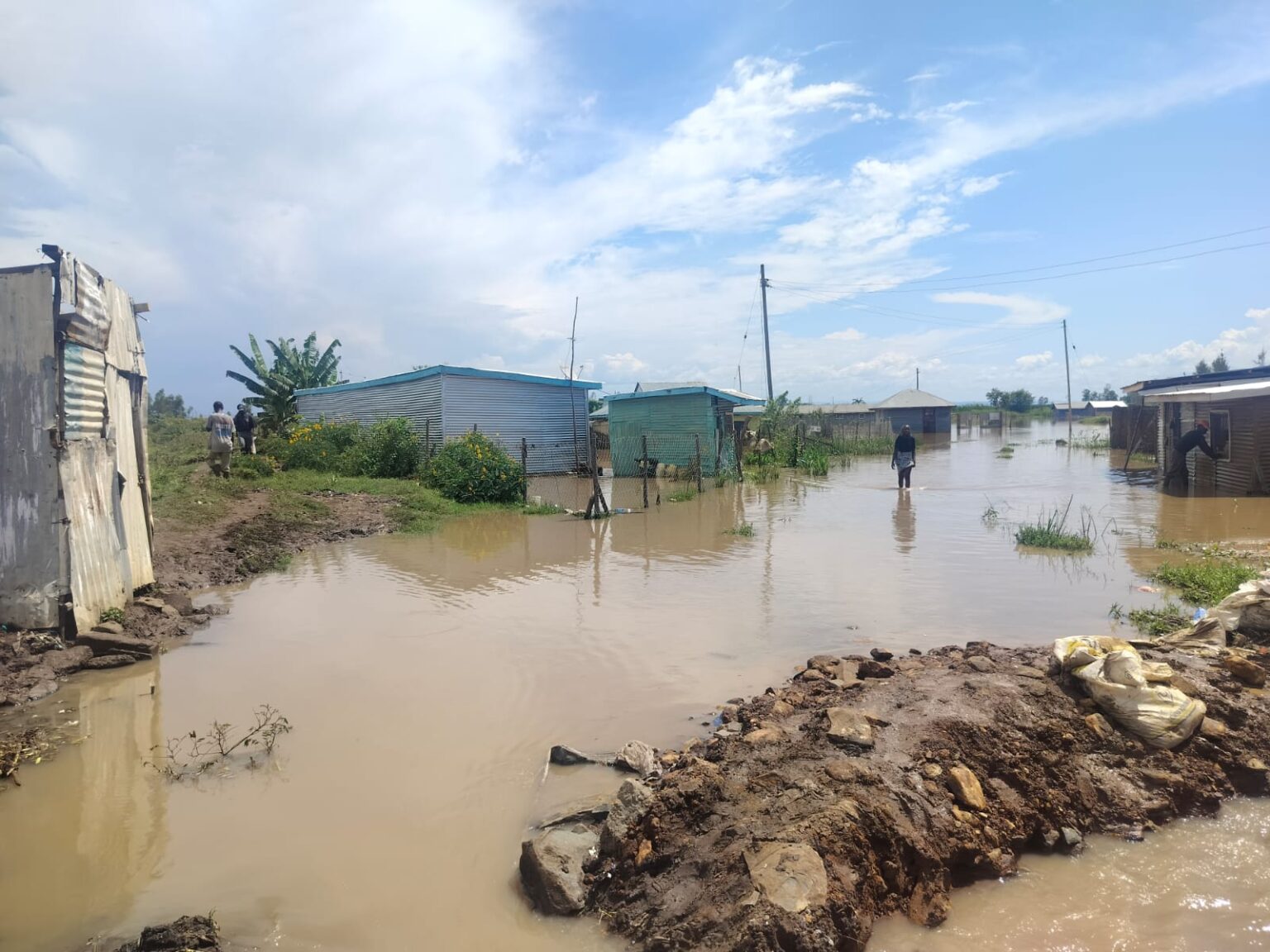
The Kenya Meteorological Department has forecast a poor to fair distribution of rainfall across most parts of the country during the March to May (MAM) 2025 season, with the peak expected in April. However, the Coastal region is expected to experience the heaviest rains in May.
David Gikungu, Director of the Kenya Meteorological Department, issued the statement on Wednesday, outlining that some areas will receive near to above-average rainfall, while others are expected to experience below-average rainfall.
“During the MAM season, several regions are likely to face poor to fair distribution of rainfall in both time and space,” Gikungu said.
The authorities warned that the expected rainfall could have both positive and negative impacts across various sectors, including agriculture, water resources, health, transport, and disaster management.
The forecast suggests that the Lake Victoria Basin, South Rift Valley, and parts of the Highlands West of the Rift Valley will likely receive near to above-average rainfall, continuing from February with occasional breaks.
On the other hand, the Central Rift Valley, Highlands East of the Rift Valley (including Nairobi County), Northwestern Kenya, the Coastal region, and parts of the Southeastern lowlands are expected to receive near to below-average rainfall, with occasional dry spells.
“The onset of the season is expected to be normal to late, with occasional dry spells,” the statement read, highlighting the possibility of isolated storms in some areas.
The department also forecasted warmer-than-average temperatures nationwide, with higher probabilities in Northeastern Kenya, the Coast, Southeastern lowlands, and the Highlands East of the Rift Valley.
The North Coast region, including Lamu and Kilifi, is expected to receive below-average rainfall, with poor distribution and late onset between the second and third week of April.
Similarly, Northeastern counties such as Mandera, Marsabit, Wajir, Garissa, and Isiolo are projected to receive below-normal rainfall, with an undefined cessation date.
Farmers, policymakers, and disaster response teams have been urged to take necessary precautions in preparation for the upcoming season.
“It is imperative to stay updated with subsequent forecasts and updates,” the statement emphasized, noting that short-term climate drivers, such as tropical cyclones and the Madden-Julian Oscillation (MJO), could influence weather patterns.
The Kenya Meteorological Department has advised Kenyans to monitor daily, weekly, and monthly forecasts and rely on official updates for any significant weather changes.
Kenya Insights allows guest blogging, if you want to be published on Kenya’s most authoritative and accurate blog, have an expose, news TIPS, story angles, human interest stories, drop us an email on [email protected] or via Telegram




Somalia’s Disputed President Allegedly Siphons Up to $6 Million Monthly from Kenyan Miraa Trade, Sharing the Spoils with Nairobi’s Shadow Cartels

Ahmed Adan Hefow: Governor Otuoma’s Trusted Right-Hand Man at the Centre of Busia’s Deepening Finance Scandal

Karua Detained at Entebbe as Uganda Blocks Besigye Lawyer From Entering Country

How KCB and Airtel Turned Kenya’s Unbanked Into a Data Goldmine Behind a ‘Financial Inclusion’ Deal

The Chivayo Network: How a Convicted Fraudster Won Access to Presidents, Passports and Billion-Dollar Deals Across Africa

BURRIED TWICE: The Victoria Bank CEO Yogesh Pattni Files

Court Stops Transfer Of EABL Shares To Asahi By Diageo In A Fresh Snag

Death Before Justice: Stephen Ngei, Victim of Sh180 Million Laptop Tender Scam Linked to Allan Chesang, Killed in Highway Crash

Court Brands Sh1.1 Billion Fee Demand by Lawyer Victor Swanya “Excessive and Exorbitant,” Exposes How City Hall Lets Public Money Bleed Through Legal Bills

Trump Unveils New Air Force One

Businessman Philip Waithaka Kinuthia’s Minor Son Allegedly Drove Drunk, Killed Two Peponi Students in Ngong Road Horror Crash as Claims of Cover-Up Intensify

Inside NCBA’s Decline: How a Banking Giant Lost Its Strategic Edge

Cement, Cash and Courts: How the Hashu Dynasty Crushed the Ramji Brothers for Fourteen Years and Why the Walls Are Now Closing In

Standard Chartered Ghosts Haunt Joshua Oigara At Stanbic As Whistleblower Spills Beans

South Sudan: Adut Salva Kiir’s Shadow Treasury Exposed

Inside The Urban Planning Cartel That Owns Nairobi

THE VULTURE AND THE SCHEME How Nairobi West Hospital Became the Most Dangerous Institution in Kenya’s SHA Ecosystem and Why the Books Must Be Audited Now

The President’s Daughter and The Missing Witness: How Adut Salva Kiir’s Shadow Treasury Silenced Its Most Dangerous Critic

How Adil Popat Saved His Empire On The Eve Of Imperial Bank Collapse and Why Kenya’s Mainstream Media Buried The Story

Why John Ngumi Is Running From the EACC and Why the Sh415 Million Payday May Be the Least of His Worries
-
 News1 week ago
Businessman Philip Waithaka Kinuthia’s Minor Son Allegedly Drove Drunk, Killed Two Peponi Students in Ngong Road Horror Crash as Claims of Cover-Up Intensify
-
 Business2 weeks ago
Inside NCBA’s Decline: How a Banking Giant Lost Its Strategic Edge
-
 Business2 weeks ago
Standard Chartered Ghosts Haunt Joshua Oigara At Stanbic As Whistleblower Spills Beans
-
 Africa2 weeks ago
South Sudan: Adut Salva Kiir’s Shadow Treasury Exposed
-
 Investigations4 days ago
THE VULTURE AND THE SCHEME How Nairobi West Hospital Became the Most Dangerous Institution in Kenya’s SHA Ecosystem and Why the Books Must Be Audited Now
-
 Africa2 weeks ago
The President’s Daughter and The Missing Witness: How Adut Salva Kiir’s Shadow Treasury Silenced Its Most Dangerous Critic
-
 Business2 weeks ago
How Adil Popat Saved His Empire On The Eve Of Imperial Bank Collapse and Why Kenya’s Mainstream Media Buried The Story
-
 Business2 weeks ago
Why John Ngumi Is Running From the EACC and Why the Sh415 Million Payday May Be the Least of His Worries