
Americas
US Resumes Student Visa Processing with Mandatory Social Media Access Requirements

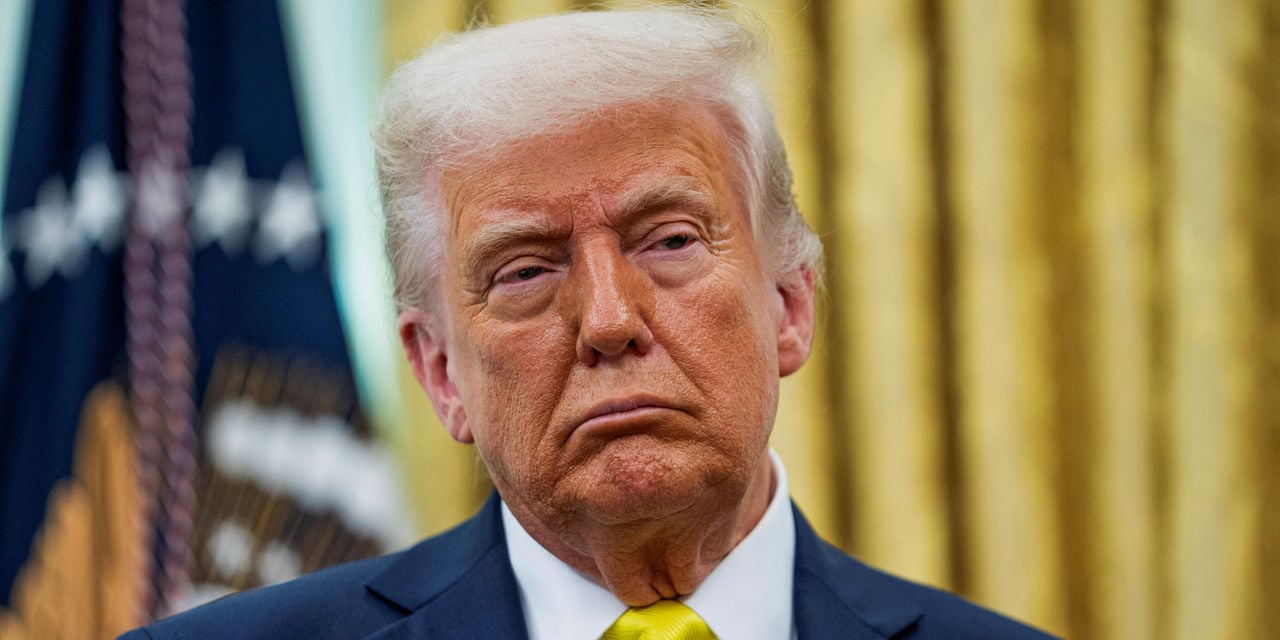
New policy requires international students to make accounts public for consular review amid national security concerns
The United States has reinstated its student visa processing program following a temporary suspension, introducing stringent new requirements that mandate foreign applicants provide unrestricted access to their social media accounts as part of the application process.
The policy change, announced Wednesday by the State Department through an internal cable, represents the latest escalation in the Trump administration’s comprehensive review of international student admissions.
Under the new guidelines, consular officers must conduct what officials describe as “comprehensive and thorough vetting” of all student and exchange visitor applicants.
Social Media Screening Requirements
International students seeking U.S. visas must now make their social media accounts completely public, allowing consular officers to examine posts, messages, and online activity.
Officials will specifically search for content demonstrating “any indications of hostility towards the citizens, culture, government, institutions or founding principles of the United States,” according to the State Department directive.
The policy carries significant consequences for non-compliance.
Students who refuse to grant access to their social media presence risk immediate visa rejection, with authorities treating such refusal as an attempt to evade mandatory security screening.
“Remind the applicant that limited access to their online presence could be perceived as an attempt to conceal certain activities,” the internal cable instructed consular officers, emphasizing the administration’s zero-tolerance approach to incomplete disclosure.
Impact on University Selection
Beyond social media requirements, the State Department has implemented preference guidelines that favor students applying to institutions with international enrollment below 15 percent.
This criterion effectively excludes many of America’s most prestigious universities, including Ivy League institutions and major public universities such as the University of Illinois, which typically maintain higher international student populations.
The policy shift comes as international students worldwide have faced mounting uncertainty following last month’s suspension of visa interviews.
Many students had been forced to delay travel arrangements and housing plans as they awaited clarity on their application status ahead of the upcoming academic year.
Secretary of State Marco Rubio, who serves as President Trump’s chief diplomat and national security adviser, has already implemented the new screening protocols extensively.
Rubio confirmed that his department has revoked visas for “hundreds, perhaps thousands” of individuals, including students whose activities allegedly conflict with U.S. foreign policy priorities.
The revocations have particularly targeted students who expressed support for Palestinian causes or criticized Israeli military actions in Gaza, reflecting the administration’s broader foreign policy alignment in the Middle East conflict.
This crackdown extends beyond social media monitoring.
Earlier this year, the administration initially revoked study permissions for thousands of international students over minor legal infractions, including traffic violations, before reversing course amid widespread criticism.
However, officials have simultaneously expanded the grounds under which foreign students’ legal status can be terminated.
The visa policy changes coincide with a broader diplomatic pressure campaign targeting 36 countries that the administration believes maintain inadequate traveler vetting procedures.
According to weekend diplomatic cables, these nations have 60 days to address U.S. security concerns or face inclusion on an expanded travel ban list that currently restricts citizens from 12 countries.
The ultimatum reflects the administration’s systematic approach to tightening immigration controls across multiple categories, with international students representing just one component of a comprehensive policy overhaul.
The new requirements have generated significant concern within international education communities, as students and universities grapple with the implications of mandatory social media disclosure. Privacy advocates argue the policy creates a chilling effect on free expression, while educational institutions worry about the impact on international enrollment and academic diversity.
The resumption of visa processing, while providing some relief to students who had been in administrative limbo, comes with conditions that fundamentally alter the traditional application process. Students must now navigate not only academic and financial requirements but also comprehensive digital surveillance as a prerequisite for U.S. educational opportunities.
As the academic year approaches, the long-term effects of these policy changes on international student enrollment, university diversity, and America’s position in global higher education remain to be determined. The administration has indicated that additional security measures may be forthcoming as part of its ongoing review of immigration and visa procedures.
Kenya Insights allows guest blogging, if you want to be published on Kenya’s most authoritative and accurate blog, have an expose, news TIPS, story angles, human interest stories, drop us an email on [email protected] or via Telegram


Humiliated, Handed Sh1,000 and Sent Away: Furious Residents Return Nathif Jama’s Money, Accuse Governor of Arrogance and Inhumane Treatment of Sick Woman

ICC’s Karim Khan Suspended Over Sexual Misconduct Claims

The Conquest of Tatu City, A New Zealander Story

VANISHING ACT: How China Jiangxi International Pocketed Billions in Kenyan Public Contracts, Then Walked Away

THE GROUP CHAT THAT BROKE THE CARTEL: How Kenya’s Biggest Mattress Firms Used WhatsApp to Fix Your Prices, Then Used It to Destroy Themselves

Court Upholds Gachagua Impeachment, Awards Him Sh50M In Constitutional Damages To Be Paid By Senate

Somali FIFA Referee Denied Entry To US Ahead Of 2026 World Cup: Reports

David Maraga: Kenya’s Ex-Chief Justice Arrested At Protest Against Building On National Park

KRA Warns It Will Automatically File Tax Returns for Kenyans Who Miss June 30 Deadline Using Its Own Data

Govt Plans to Monetise eCitizen Data in New Revenue Drive

Cement, Cash and Courts: How the Hashu Dynasty Crushed the Ramji Brothers for Fourteen Years and Why the Walls Are Now Closing In

Inside The Urban Planning Cartel That Owns Nairobi

Why Ruto’s Favourite Candidate Adan Mohammed Could Be Locked Out of the KRA Top Job

LifeCare on the Brink: SHA Fraud, Stolen Wages, and the Rotten Empire Jayesh Saini Built

Este Medical Kenya Fights American’s Explosive Complaints

The Rot Inside Absa: How Bank Insiders Are Looting Nairobi’s Customers

Betika Faces DCI Probe, Directors Arrest and License Revocation Over Massive 29.5 Million Safaricom Customers’ Data Breach

Inside FAFSA Fraud: How Kenyan Cybercriminals Siphoned Millions from America’s Sh12 Billion Student Loan System

Fresh Move Launched to Remove Kenya Railways MD Mainga From Office After Awarding Sh817 Million Consultancy Contract

Court Confirms Safaricom Customers Data Was Sold To Betting Companies In Seven-Year Cover-Up
-
 Investigations4 days ago
Cement, Cash and Courts: How the Hashu Dynasty Crushed the Ramji Brothers for Fourteen Years and Why the Walls Are Now Closing In
-
 Investigations3 days ago
Inside The Urban Planning Cartel That Owns Nairobi
-
 Investigations1 week ago
Betika Faces DCI Probe, Directors Arrest and License Revocation Over Massive 29.5 Million Safaricom Customers’ Data Breach
-
 Investigations4 days ago
Fresh Move Launched to Remove Kenya Railways MD Mainga From Office After Awarding Sh817 Million Consultancy Contract
-

 News2 weeks ago
Eight Students Arrested In Kenya After Suspected Deadly School Arson Attack
-
 News1 week ago
How Uhuru’s Deal With Obama In 2015 Paved Way For America’s Ebola Plan In Kenya
-

 Investigations2 weeks ago
The Invisible Hand: Al Jazeera Further Exposes How Safaricom Became The Regime’s Most Powerful Spy
-

 Business5 days ago
TRUST BETRAYED: How Senior DTB Bank Insiders Allegedly Looted Sh149 Million From a Customer’s Account Over Five Years