
News
Secret Trident Meetings, Claims of Millions Exchanged: Fresh Questions Raised Over PCF Boss Mohammed Sahal’s Role in Insurance Battle

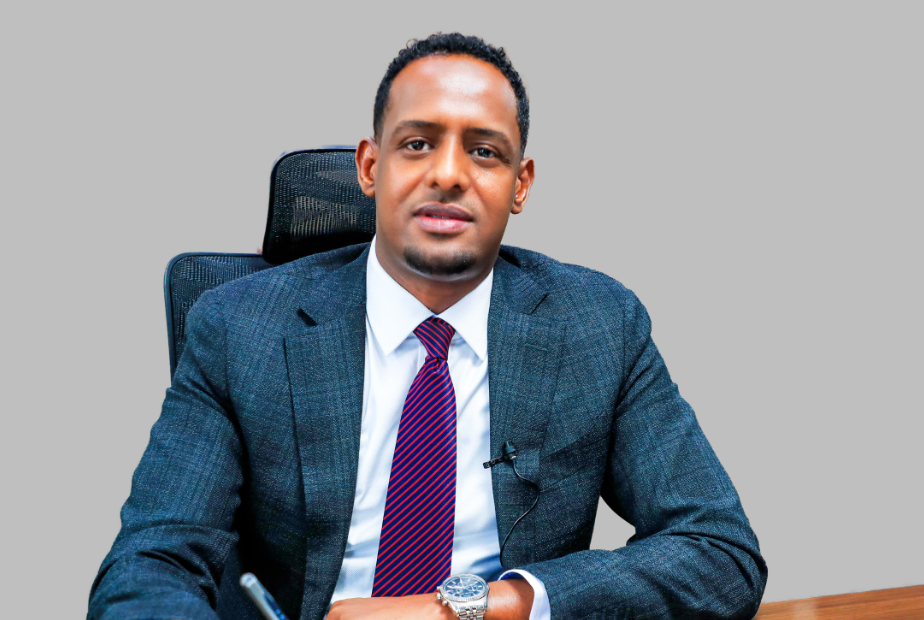
A bitter dispute surrounding the collapse of Trident Insurance Company has taken a dramatic new turn after directors linked to the insurer accused Policyholders Compensation Fund (PCF) Chief Executive Officer Mohammed Sahal of engaging in secret meetings with company officials before the firm’s troubles escalated.
The accusations, which have surfaced amid an ongoing fight over compensation payouts and regulatory actions, have intensified scrutiny over the handling of one of Kenya’s most closely watched insurance failures.
Sources familiar with the matter claim that senior figures from Trident Insurance held several private meetings with Sahal and members of his inner circle while the insurer was still operational. Among the officials frequently mentioned by insiders are PCF Director of Legal Affairs James Njogu, Director of Compensation and Insurance Risk Monitoring Douglas Mburia, and Noel Zuma, who is said to have been involved in discussions surrounding the troubled insurer.
At the heart of the controversy are allegations that substantial sums of money changed hands during efforts to secure protection or intervention for Trident as pressure mounted from regulators. Those allegations have not been independently verified.
The accusations emerge as Trident directors increasingly question the speed and manner in which PCF has moved to compensate policyholders following regulatory intervention against the company.
The insurer has long been associated with prominent businessman Diamond Hasham Lalji, whose business empire spans flour milling, manufacturing, real estate, steel production and insurance.
Lalji’s interests include Premier Flour Mills, Atta Kenya, Hasham Lalji Properties and several other companies operating across multiple sectors. Over the years, he has weathered numerous commercial disputes, including high-profile battles over family-owned businesses and multimillion-shilling property conflicts.
Supporters of Lalji argue that the pressure facing Trident is part of a broader campaign targeting influential industry players. Some allege the insurer’s troubles could ultimately benefit competitors such as Amaco seeking greater dominance in Kenya’s insurance market. No evidence has been publicly produced to support those claims.
The controversy comes as PCF continues processing claims from Trident policyholders following the firm’s placement under statutory management.
In a public notice issued in May, the fund announced that compensation payments had commenced in April under provisions of the Insurance Act and the Policyholders Compensation Fund Regulations. Eligible claimants were directed to submit applications through an online portal, with compensation capped at Sh100,000 per claim.
However, critics of the process have raised concerns about verification mechanisms and oversight of claims submitted through the digital platform. PCF has maintained that all applications undergo review before compensation is approved.
The dispute has also revived memories of the collapse of Resolution Insurance, where court proceedings questioned actions taken by PCF before liquidation processes were fully completed.
In that case, the High Court ruled that certain financial decisions relating to company funds could not be undertaken once liquidation had commenced, reinforcing the authority of appointed liquidators. The judgment has since become a reference point in debates over the limits of PCF’s powers when handling distressed insurers.
Trident directors now argue that similar questions should be asked about the management of their company.
Beyond Trident, Sahal’s office has been involved in matters concerning several troubled insurers that have either collapsed or entered liquidation, including Corporate Insurance Company, KUSCCO Mutual Assurance Limited, Blue Shield Insurance, Standard Assurance, Concord Insurance, United Insurance and Xplico Insurance.
The growing controversy has now placed Sahal and the compensation fund under an uncomfortable spotlight, with critics demanding greater transparency regarding interactions between regulators, compensation officials and struggling insurers before they collapse.
As compensation payments continue and legal battles simmer in the background, the Trident saga is rapidly becoming one of the most politically and commercially sensitive insurance disputes Kenya has witnessed in recent years.
Kenya Insights allows guest blogging, if you want to be published on Kenya’s most authoritative and accurate blog, have an expose, news TIPS, story angles, human interest stories, drop us an email on [email protected] or via Telegram


How KCB and Airtel Turned Kenya’s Unbanked Into a Data Goldmine Behind a ‘Financial Inclusion’ Deal

The Chivayo Network: How a Convicted Fraudster Won Access to Presidents, Passports and Billion-Dollar Deals Across Africa

BURRIED TWICE: The Victoria Bank CEO Yogesh Pattni Files

Court Stops Transfer Of EABL Shares To Asahi By Diageo In A Fresh Snag

Death Before Justice: Stephen Ngei, Victim of Sh180 Million Laptop Tender Scam Linked to Allan Chesang, Killed in Highway Crash

Court Brands Sh1.1 Billion Fee Demand by Lawyer Victor Swanya “Excessive and Exorbitant,” Exposes How City Hall Lets Public Money Bleed Through Legal Bills

Trump Unveils New Air Force One

MR. NO SHOW: Finance Bill 2026 Exposes Ndindi Nyoro’s Political Conmanship

Billionaire Eric Muli Rebukes Musalia Mudavadi Over Nairobi Capital Relocation Debate

Lawyer Cliff Ombeta Warns Against Taking Insurance Cover With Old Mutual: “Talk to Me Before You Do, Their Imara Cover Is a Fraud”

Businessman Philip Waithaka Kinuthia’s Minor Son Allegedly Drove Drunk, Killed Two Peponi Students in Ngong Road Horror Crash as Claims of Cover-Up Intensify

Inside NCBA’s Decline: How a Banking Giant Lost Its Strategic Edge

Cement, Cash and Courts: How the Hashu Dynasty Crushed the Ramji Brothers for Fourteen Years and Why the Walls Are Now Closing In

Standard Chartered Ghosts Haunt Joshua Oigara At Stanbic As Whistleblower Spills Beans

South Sudan: Adut Salva Kiir’s Shadow Treasury Exposed

Inside The Urban Planning Cartel That Owns Nairobi

THE VULTURE AND THE SCHEME How Nairobi West Hospital Became the Most Dangerous Institution in Kenya’s SHA Ecosystem and Why the Books Must Be Audited Now

How Adil Popat Saved His Empire On The Eve Of Imperial Bank Collapse and Why Kenya’s Mainstream Media Buried The Story

Why John Ngumi Is Running From the EACC and Why the Sh415 Million Payday May Be the Least of His Worries

The President’s Daughter and The Missing Witness: How Adut Salva Kiir’s Shadow Treasury Silenced Its Most Dangerous Critic
-
 News1 week ago
Businessman Philip Waithaka Kinuthia’s Minor Son Allegedly Drove Drunk, Killed Two Peponi Students in Ngong Road Horror Crash as Claims of Cover-Up Intensify
-
 Business2 weeks ago
Inside NCBA’s Decline: How a Banking Giant Lost Its Strategic Edge
-
 Business2 weeks ago
Standard Chartered Ghosts Haunt Joshua Oigara At Stanbic As Whistleblower Spills Beans
-
 Africa1 week ago
South Sudan: Adut Salva Kiir’s Shadow Treasury Exposed
-
 Investigations3 days ago
THE VULTURE AND THE SCHEME How Nairobi West Hospital Became the Most Dangerous Institution in Kenya’s SHA Ecosystem and Why the Books Must Be Audited Now
-
 Business1 week ago
How Adil Popat Saved His Empire On The Eve Of Imperial Bank Collapse and Why Kenya’s Mainstream Media Buried The Story
-
 Business1 week ago
Why John Ngumi Is Running From the EACC and Why the Sh415 Million Payday May Be the Least of His Worries
-
 Africa2 weeks ago
The President’s Daughter and The Missing Witness: How Adut Salva Kiir’s Shadow Treasury Silenced Its Most Dangerous Critic