
News
Road Contractors Get 40pc Extra In Pending Bills Clearance
The decision builds on a controversial financing model that Roads and Transport Cabinet Secretary Davis Chirchir defended, insisting that the securitization of the levy is legal, transparent, and fiscally responsible.

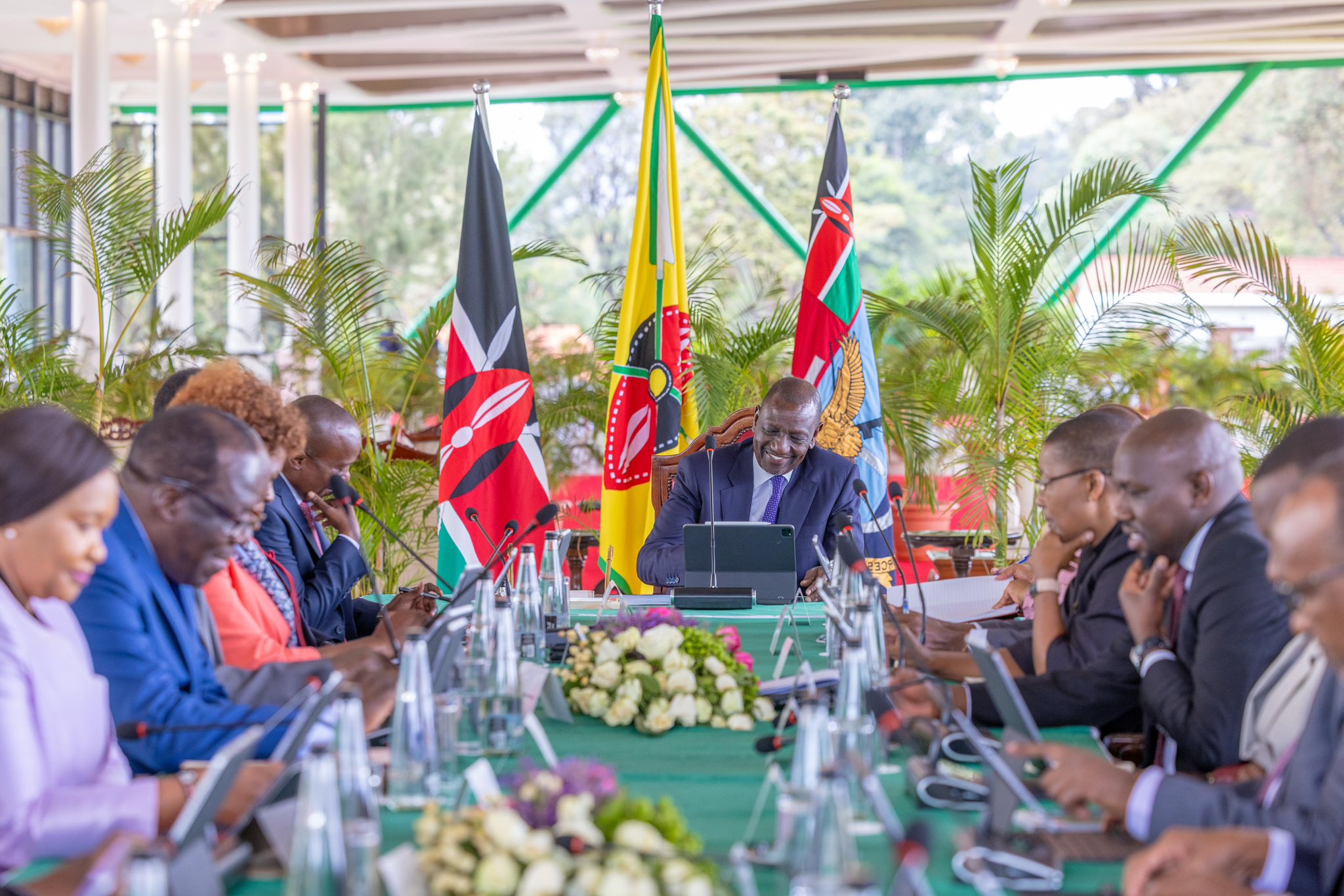
NAIROBI, Kenya, Jul 29 – President William Ruto’s Cabinet has approved the release of up to 80 per cent of verified road contractor claims, doubling the earlier 40 per cent settlement in a move expected to unlock stalled projects, ease cash flow for contractors, and fast-track infrastructure development nationwide.
The government will draw the additional payout from funds raised through the securitization of the Road Maintenance Levy Fund (RMLF), a financing model that has already disbursed Sh64.2 billion, clearing 40 per cent of pending bills tied to 575 contracts covering 393 projects.
Under the new directive, contractors receiving the extended payout must allow an additional 120 days for the final settlement, giving the government time to mobilize the remaining funds.
The decision builds on a controversial financing model that Roads and Transport Cabinet Secretary Davis Chirchir defended, insisting that the securitization of the levy is legal, transparent, and fiscally responsible.
In a July 16 statement, Chirchir explained that the government turned to securitization to raise Sh175 billion to pay off verified pending bills inherited from the previous administration, which had stalled over 580 road projects across the country.
“This decision was made transparently, with full adherence to the law, and in line with best financial practices,” Chirchir said, dismissing claims that the government had plunged the country into fresh debt.
He clarified that the model does not constitute new borrowing but involves the sale of rights by the Kenya Roads Board to a Special Purpose Vehicle (SPV) to receive Sh7 out of the current Sh25 per litre road levy, ensuring upfront financing without creating additional liabilities.
Public concern
The securitization approach sparked public debate, particularly after Kiharu MP Ndindi Nyoro alleged that the government used the levy as collateral for what he termed an “illegal debt.”
Chirchir dismissed the claims, emphasizing that the process underwent due diligence and received clearance from both the National Treasury and the Attorney General.
A recent spike in fuel prices fueled the controversy, with the Energy and Petroleum Regulatory Authority (EPRA) announcing increases of Sh8.99 for petrol, Sh8.67 for diesel, and Sh9.65 for kerosene in its July–August review.
Energy Cabinet Secretary Opiyo Wandayi clarified that global oil price fluctuations, not the securitization model, drove the price hikes urging Kenyans not to conflate the two issues.
Tuesday’s Cabinet meeting also approved a range of measures aimed at stimulating economic growth, including the partial privatisation of the Kenya Pipeline Company (KPC) to modernize operations and democratize ownership, and the greenlighting of Phase III of the Last Mile Connectivity Project, which will connect 180,500 new households, schools, and MSMEs to electricity.
Cabinetsaid the roads payout decision, combined with these other measures, would “resolve long-standing financial obligations, restart critical projects, and drive economic recovery across multiple sectors.”
Kenya Insights allows guest blogging, if you want to be published on Kenya’s most authoritative and accurate blog, have an expose, news TIPS, story angles, human interest stories, drop us an email on [email protected] or via Telegram


Justice Mong’are, the Machakos Injunction and the EABL-Asahi Questions Kenya Cannot Ignore

The EABL–Asahi Deal and the Growing Demand for Judicial Transparency

Samburu Governor Lati Lelelit Exposed For Paying Sh60 Million To Ghost Workers

THE GHOST AT ELYSEE PLAZA: How Ghanaian Businessman Erick Agbeko Built a Two-Decade Empire of Land Fraud in Kenya

Njuca Consolidated, Three Firms Faces Auction of 65 Properties Over Crippled Cash Flow

Why Absa Bank Is On The Spot For Enabling Sh150 Million Alleged Insider Fraud In Vetlab Club

Somalia’s Disputed President Allegedly Siphons Up to $6 Million Monthly from Kenyan Miraa Trade, Sharing the Spoils with Nairobi’s Shadow Cartels

Ahmed Adan Hefow: Governor Otuoma’s Trusted Right-Hand Man at the Centre of Busia’s Deepening Finance Scandal

Karua Detained at Entebbe as Uganda Blocks Besigye Lawyer From Entering Country

How KCB and Airtel Turned Kenya’s Unbanked Into a Data Goldmine Behind a ‘Financial Inclusion’ Deal

Businessman Philip Waithaka Kinuthia’s Minor Son Allegedly Drove Drunk, Killed Two Peponi Students in Ngong Road Horror Crash as Claims of Cover-Up Intensify

Inside NCBA’s Decline: How a Banking Giant Lost Its Strategic Edge

South Sudan: Adut Salva Kiir’s Shadow Treasury Exposed

Cement, Cash and Courts: How the Hashu Dynasty Crushed the Ramji Brothers for Fourteen Years and Why the Walls Are Now Closing In

Standard Chartered Ghosts Haunt Joshua Oigara At Stanbic As Whistleblower Spills Beans

Inside The Urban Planning Cartel That Owns Nairobi

THE VULTURE AND THE SCHEME How Nairobi West Hospital Became the Most Dangerous Institution in Kenya’s SHA Ecosystem and Why the Books Must Be Audited Now

The President’s Daughter and The Missing Witness: How Adut Salva Kiir’s Shadow Treasury Silenced Its Most Dangerous Critic

How Adil Popat Saved His Empire On The Eve Of Imperial Bank Collapse and Why Kenya’s Mainstream Media Buried The Story

Why John Ngumi Is Running From the EACC and Why the Sh415 Million Payday May Be the Least of His Worries
-
 News1 week ago
Businessman Philip Waithaka Kinuthia’s Minor Son Allegedly Drove Drunk, Killed Two Peponi Students in Ngong Road Horror Crash as Claims of Cover-Up Intensify
-
 Business2 weeks ago
Inside NCBA’s Decline: How a Banking Giant Lost Its Strategic Edge
-
 Africa2 weeks ago
South Sudan: Adut Salva Kiir’s Shadow Treasury Exposed
-
 Business2 weeks ago
Standard Chartered Ghosts Haunt Joshua Oigara At Stanbic As Whistleblower Spills Beans
-
 Investigations4 days ago
THE VULTURE AND THE SCHEME How Nairobi West Hospital Became the Most Dangerous Institution in Kenya’s SHA Ecosystem and Why the Books Must Be Audited Now
-
 Africa2 weeks ago
The President’s Daughter and The Missing Witness: How Adut Salva Kiir’s Shadow Treasury Silenced Its Most Dangerous Critic
-
 Business2 weeks ago
How Adil Popat Saved His Empire On The Eve Of Imperial Bank Collapse and Why Kenya’s Mainstream Media Buried The Story
-
 Business2 weeks ago
Why John Ngumi Is Running From the EACC and Why the Sh415 Million Payday May Be the Least of His Worries